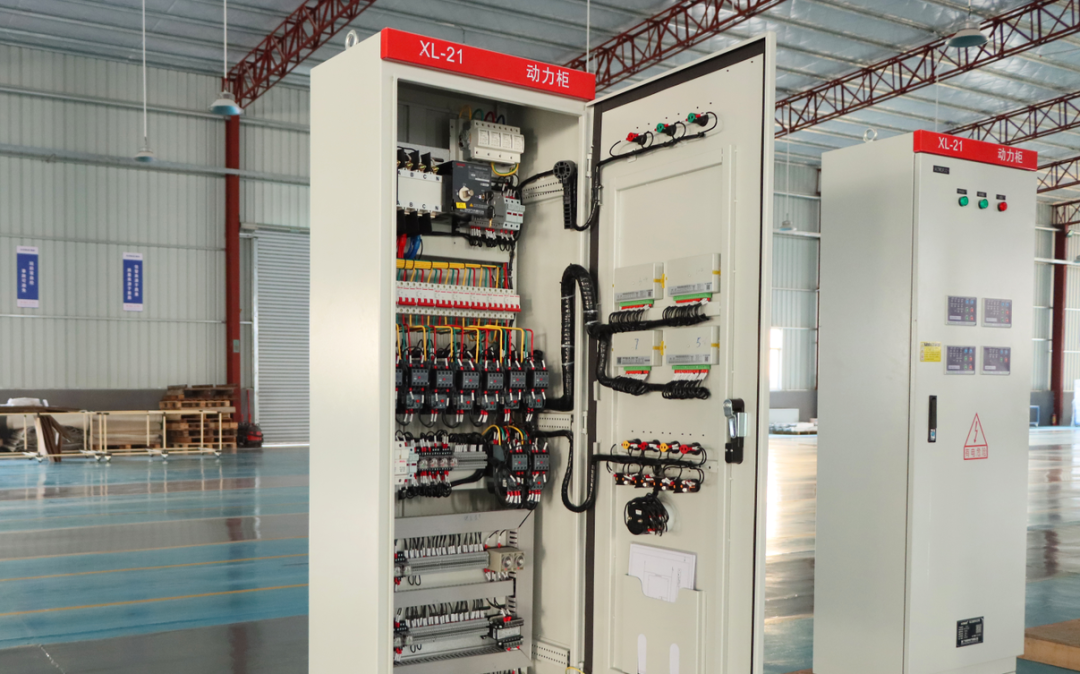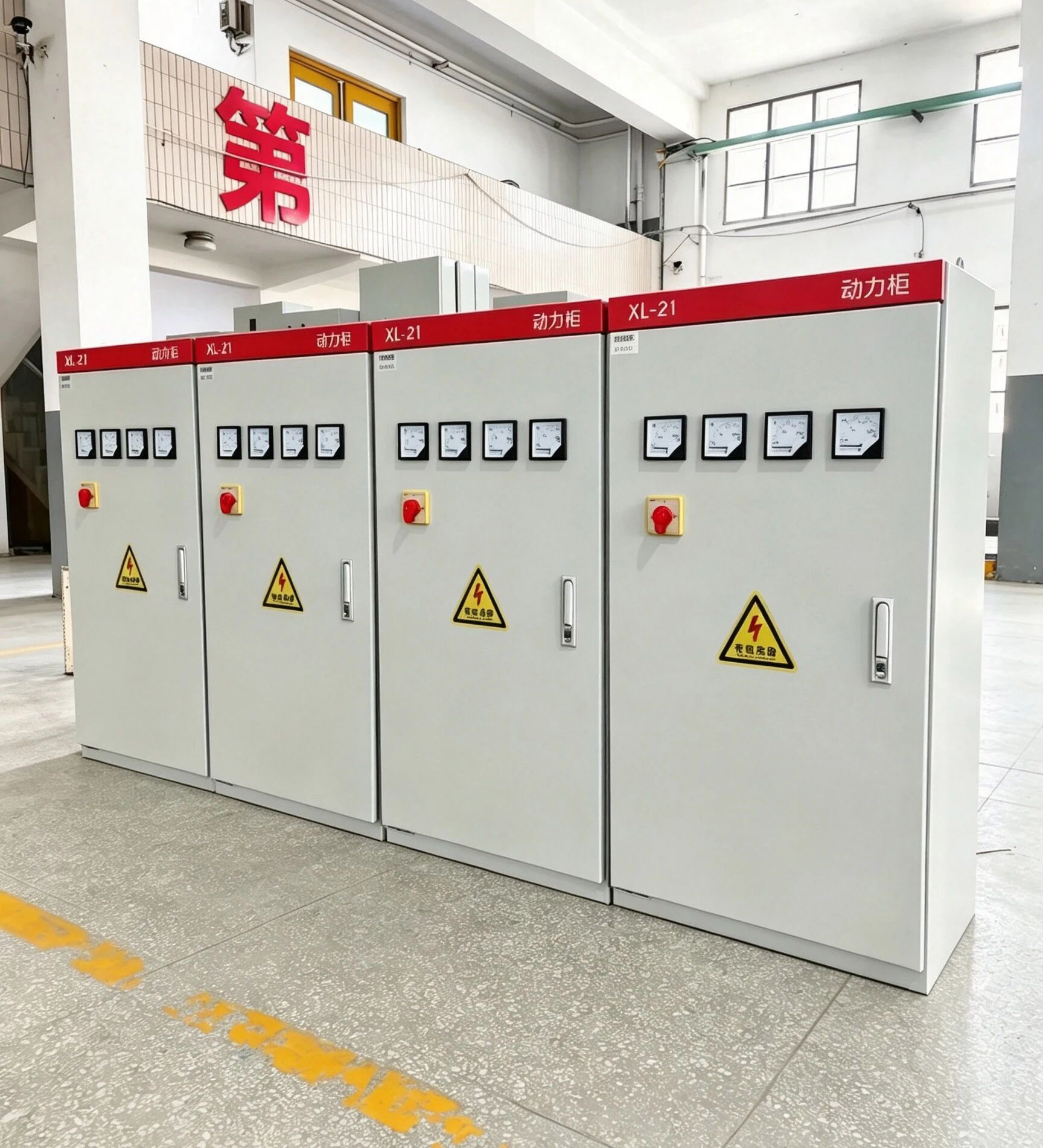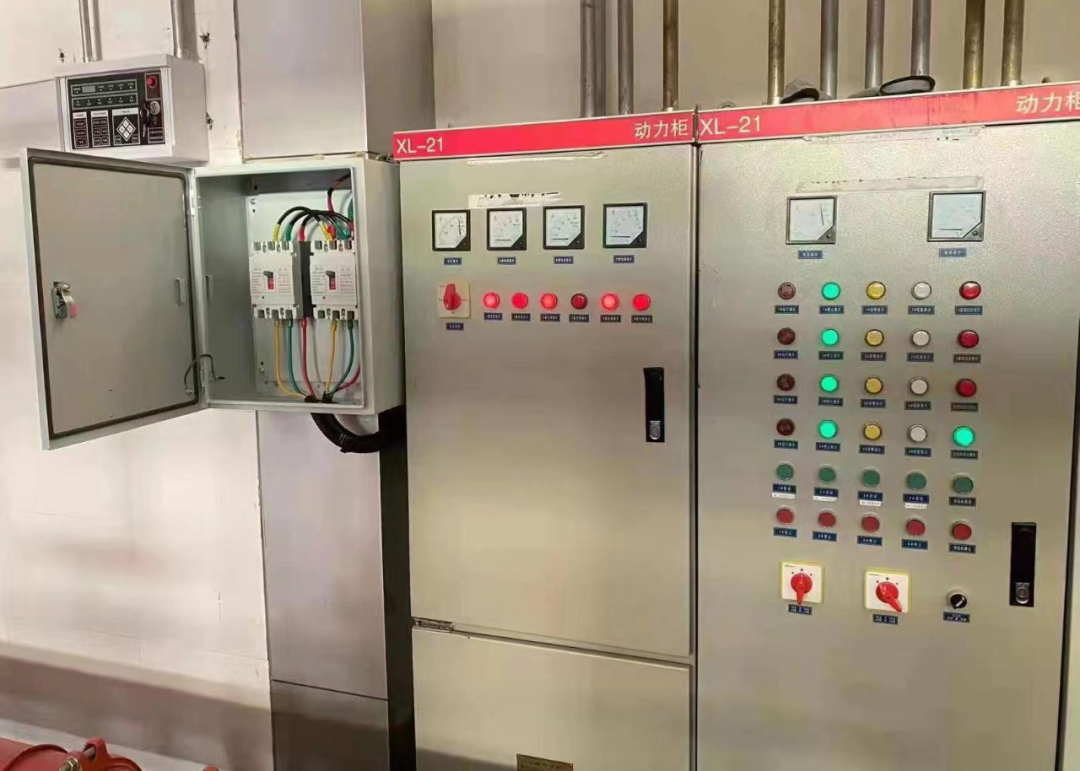

A quote for electric panel boards rarely explains how the data leaves the cabinet. IoT integration on a power distribution board is a set of parts, not a badge. Ask what is measured, where the data goes, and who owns it.
Key takeaways
- IoT on a board has three parts: sensors, a gateway and a platform. Buy all three or none.
- The current transformer, not the dashboard, sets the accuracy of everything downstream.
- Modbus TCP and MQTT cover most plant cases. Ask which one the gateway speaks.
- Retrofitting a working board is normal and costs a fraction of a new lineup.
- Commissioning must prove each channel reads the right circuit, not just that the screen loads.
What IoT integration means on a main distribution board
IoT integration means the board measures its own circuits and pushes the readings to a system outside the plant. Three parts make that work. Sensors read current, voltage and temperature. A gateway converts the readings into a protocol. A platform stores and displays them.
The label on a datasheet hides that split. Builders name the sensor brands and the gateway model. Resellers say the board is IoT ready and leave the parts list blank. That gap is the first thing to test in a quote.
The main switchboard vs distribution board debate is not academic. A main switchboard usually carries the incomer and the main protective device. A distribution board feeds the final circuits. For monitoring, that split decides where your current transformers sit.
| Layer | What it does | What to specify | Where it fails |
|---|---|---|---|
| Sensing | Reads current, voltage and temperature on each way | Transformer class, ratio, mounting space | Heat drift on Class 1 units |
| Transport | Turns readings into a bus protocol | Modbus TCP or MQTT, one port per gateway | Gateway buried in a hot cable compartment |
| Platform | Stores trends, raises alarms, keeps history | Ownership, retention period, export format | Subscription lock on your own data |
Where the data comes from: sensing inside the board
Accuracy starts at the current transformer, not the dashboard. A Class 1 transformer drifts as the cubicle warms. On a busy plant that is 1 to 2 percent of reading within a year, and every trend built on it inherits the error.
 Per-way metering
Each drawer in this lineup carries its own small meter. You can read one feeder without touching the main incomer.
Specify Class 0.5S where you bill departments internally. Class 0.5 is enough on incomers.
An electrical power distribution board built this way gives you a reading per circuit. The trade-off is depth. Cramming meters, current transformers and a gateway into a shallow cubicle is where most retrofit projects stall.
What a 3 phase main distribution board has to report
A 3 phase main distribution board should report more than total power. Unbalanced loading, neutral current and per-phase voltage tell you where the problem is. Track total power alone and the dashboard looks healthy while one phase cooks.
A 3 phase main distribution board in a hot, dusty plant shows its weak points through heat. Across the Gulf and East Africa, cubicle temperature is the channel that saves equipment.
A loose busbar joint heats slowly. Without a sensor at the joint you learn about it from a burn mark, not from a trend.
- Per-phase current and voltage, so you see imbalance before it trips.
- Neutral current, which climbs fast when single-phase loads spread unevenly.
- Power factor and harmonics, if you run drives or rectifiers.
- Cubicle temperature at the busbar joints and breaker terminals.
- Breaker status and trip flags, read from auxiliary contacts.
Protocols, gateways and where the data lands
An electrical power distribution board that reports to SCADA needs one link to speak a common protocol. Most plant systems use Modbus TCP for control networks and MQTT for cloud dashboards over a mobile link. Ask which one the gateway offers before you buy.
 Breaker-level data
One gateway per board keeps addressing simple. Two gateways on one bus need two address plans.
Mount it where a technician can reach it. A failed unit on a DIN rail swaps in 15 minutes.
The harder question is ownership. A low voltage distribution panel that streams to a subscription platform works fine until the subscription stops. Agree in writing who holds the historical data, how long it is kept, and how you export it at the end.
For switchboard systems with several lineups, keep one plant-wide time source. Mixed clocks make a two-second event look like a two-minute outage.
Commissioning and switchboard installation checks
Switchboard installation does not end at the cable terminations. A networked board also needs a data cable, an address list and a route from the power distribution enclosure back to the plant network. Put those in the scope, or the site team will improvise them.

Five checks before you accept the board
Retrofit is common. An existing lv distribution board usually has room behind the cover for split-core current transformers. Adding them avoids a shutdown and costs a fraction of a new lineup. Check the cable space before you commit.
How to qualify suppliers by evidence
Send the same request to the electrical switchgear suppliers on your shortlist. Two of those documents sit outside their own workshop.
The IEC 61439 assembly standard defines how the board is type tested, and you can read the scope yourself. A management system certificate adds process evidence, and ISO 9001 covers the quality system behind the build.
Neither proves the data layer works. A supplier without both is still a risk, because paperwork shows the process, not the product.
It also pays to watch where industrial energy data is heading. The International Energy Agency tracks how industrial demand-side data is becoming a planning input. Buyers who own their raw data now avoid a renegotiation in three years.
Suppliers of electric panel boards who do this properly send the sensor list without being asked. Companies that sell power distribution boards as plain boxes send a brochure. The difference shows up at commissioning, not in the quotation.
Frequently asked questions
Which suppliers offer main distribution boards with IoT integration features?
Can I retrofit monitoring onto an existing board?
Do I need a separate gateway for every lineup?
Is a low voltage distribution panel with IoT worth the extra cost?
How much longer does switchboard installation take on a networked board?
What happens to my data if I change supplier?
Final thoughts
IoT on a distribution board is a parts list, not a feature badge. Check the transformers, name the protocol, settle data ownership, and prove every channel at commissioning. Send Giantele your board schedule and monitoring scope for a layout that carries the sensors from the start.
Specifying a board with data behind it?
Send the board schedule, the protocol you already run and the number of ways you want metered. We return a layout with the transformer schedule, the gateway position and the point list.