


Power Factor Correction Solutions
Improve Power Factor, Reduce Losses, Enhance System Stability
From centralized capacitor compensation to automatic power factor correction and dynamic reactive power support, our solutions are built for varying load conditions and power quality requirements.
WHY POWER FACTOR CORRECTION MATTERS
Lower System Losses
Reducing unnecessary reactive power helps cut line and transformer losses across the distribution system.
Improve Power Utilization
Better power factor allows transformers and distribution equipment to be used more effectively under the same electrical infrastructure.
Support Voltage Quality and Reliability
A better-balanced system contributes to improved voltage quality and more reliable power delivery.
Match Different Load Behavior
Stable loads, fluctuating loads, and fast-changing loads do not require the same correction method, which is why product matching matters.
Centralized reactive power compensation
Improves power factor and reduces line losses
Helps release transformer capacity
Suitable for stable load conditions
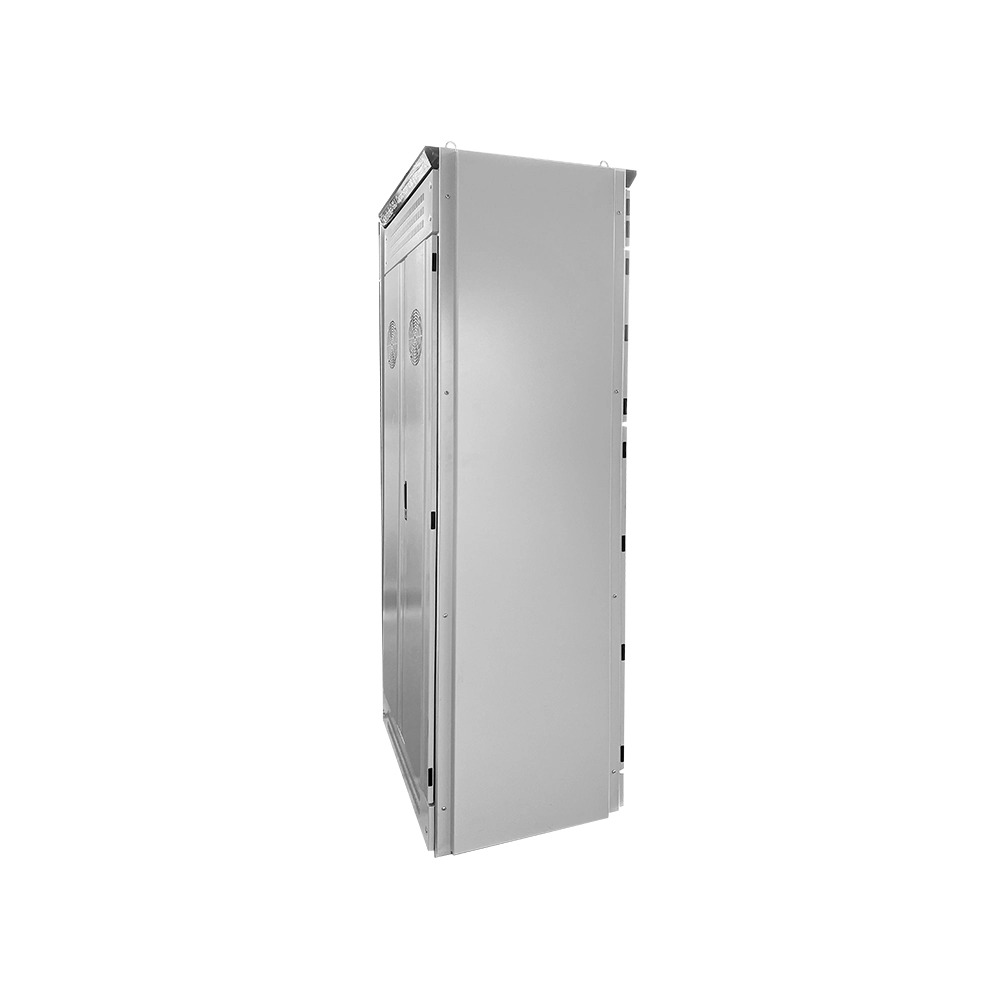
Capacitor banks are a practical and widely used solution for low-voltage power factor correction. They help reduce unnecessary reactive power in the system, improve overall distribution efficiency, and make better use of transformer capacity. For industrial plants, commercial buildings, and utility applications with relatively stable loads, capacitor banks remain one of the most economical and dependable options for long-term compensation.


Automatic step switching based on load demand
Maintains a more stable power factor during operation
Reduces manual adjustment and energy waste
Suitable for fluctuating daily load conditions
Automatic power factor correction systems are designed for applications where the reactive power demand changes throughout the day. By switching compensation steps automatically according to system conditions, APFC helps keep the power factor closer to the target level, improves operating efficiency, and reduces the need for manual intervention. It is especially suitable for projects that require more flexible control than fixed compensation can provide.
Fast dynamic reactive power compensation
Suitable for rapidly changing and non-linear loads
Higher response speed and compensation precision
Supports better overall power quality
Static Var Generators are intended for demanding applications where conventional step-switched compensation cannot respond fast enough. They provide real-time dynamic compensation, making them suitable for systems with quick load variation, unstable reactive power demand, or higher power quality requirements. For customers who need faster and more precise correction, SVG offers a more advanced solution than traditional capacitor-only compensation.


Core component in capacitor-based compensation systems
Provides reactive power support for correction
Suitable for fixed and automatic compensation assemblies
Supports reliable long-term low-voltage operation
Power capacitors are the key working components inside capacitor-based power factor correction systems. They directly provide the reactive power needed to improve electrical efficiency and support stable compensation performance. Whether used in fixed banks or automatic systems, a properly selected power capacitor plays a major role in system reliability, compensation effectiveness, and long-term operating stability.

Helps suppress harmonic amplification
Protects capacitors in harmonic-rich systems
Reduces electrical stress and resonance risk
Improves compensation stability and service life
Detuned reactors are important in systems where harmonics may affect compensation performance or shorten component life. They work together with capacitor-based solutions to reduce harmonic impact, protect the capacitors, and improve the overall safety and stability of the compensation system. For applications with inverters, drives, or other non-linear loads, detuned reactors are often essential for building a more reliable long-term solution.


Designed for capacitor switching duty
Helps reduce switching impact and inrush stress
Suitable for frequent operation in compensation panels
Supports more reliable capacitor bank control
Capacitor contactors are specially used for switching capacitor banks in low-voltage compensation systems. Compared with ordinary contactors, they are better suited to handle the operating characteristics of capacitor switching, helping reduce inrush impact, improve switching reliability, and support more stable long-term operation. In projects where capacitor banks switch frequently, this product is an important part of system durability and control performance.
WHERE POWER FACTOR CORRECTION DELIVERS THE MOST VALUE
Our power factor correction solutions are widely used across various industries and facilities to improve energy efficiency, reduce power losses, and optimize electrical system performance, including:


FAQs OF OUR POWER FACTOR CORRECTION
Your system may need power factor correction if it has a consistently low power factor, high reactive power demand, heavy inductive loads, or signs of unnecessary distribution losses. It is especially relevant in systems with motors, pumps, compressors, HVAC equipment, welding machines, or other equipment that can reduce overall electrical efficiency.
Power factor correction is the process of reducing unnecessary reactive power in an AC electrical system so that power can be used more efficiently. It helps improve the relationship between useful working power and total supplied power, allowing the system to operate in a more effective and balanced way.




ONE-STOP SERVICE
From reactive power analysis to solution delivery, our team supports the full process of power factor correction projects. The service covers requirement confirmation, compensation scheme design, product manufacturing, testing, delivery support and after-sales assistance to help achieve more stable and efficient system operation.
Load and Reactive Power Analysis
Review load conditions, reactive power demand and operating characteristics to determine the basic correction requirement.
Compensation Scheme Design
Match the solution to the system condition, including compensation method, capacity planning and overall configuration.
Product Manufacturing
Move into production after the scheme is confirmed, with manufacturing carried out according to the selected technical requirements.
Testing and Quality Check
Complete inspection and testing before delivery to confirm product performance, operating stability and assembly quality.
Delivery and Technical Support
Provide delivery coordination together with remote guidance and technical communication during project implementation.
After-sales Service
Support long-term operation through fault handling, maintenance suggestions and continuous technical assistance.
GET IN TOUCH WITH US
LEARN MORE ABOUT POWER FACTOR CORRECTION
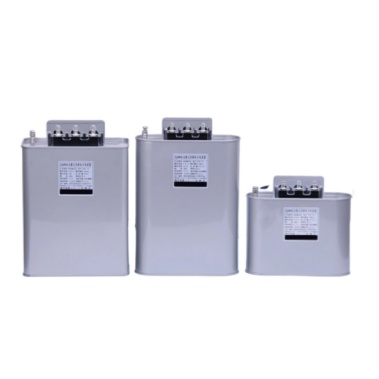
What Is The Difference between A Power Capacitor And A Capacitor Bank
In many industrial and utility projects we support, the conversation about reactive power starts simple—“We need to improve power factor”—and then quickly becomes confusing when different teams use the same words to mean different things. Some people say “capacitor” when they mean an entire cabinet with steps, contactors, fuses, and a controller. Others say “capacitor bank” when they actually need only a single power capacitor installed near a motor control center, a transformer secondary, or an MV feeder.
Read More
Is a capacitor bank AC or DC?
You might ask if a capacitor bank is for AC or DC. Most capacitor banks are used in ac electrical systems. They help with jobs like power factor correction and motor starting. Some capacitor banks also work in DC circuits. They store energy and help keep voltage steady. Knowing how a capacitor and i
Read MoreThe Ultimate Guide to Low Voltage Capacitor Banks
You use low voltage capacitor banks to make electricity better in your building. These devices hold and let out electrical energy. This helps your system work well. In factories and businesses, they help cut wasted power. They also protect equipment from harm. Many companies save up to 30% on energy
Read More
Beyond The Basics: Understanding The Role of Circuit Breakers in Low Voltage Switchgear Systems
At Zhejiang Zhegui Electric Co., Ltd., we understand the vital role that circuit breakers play in maintaining electrical safety and reliability within low voltage switchgear systems.
Read More