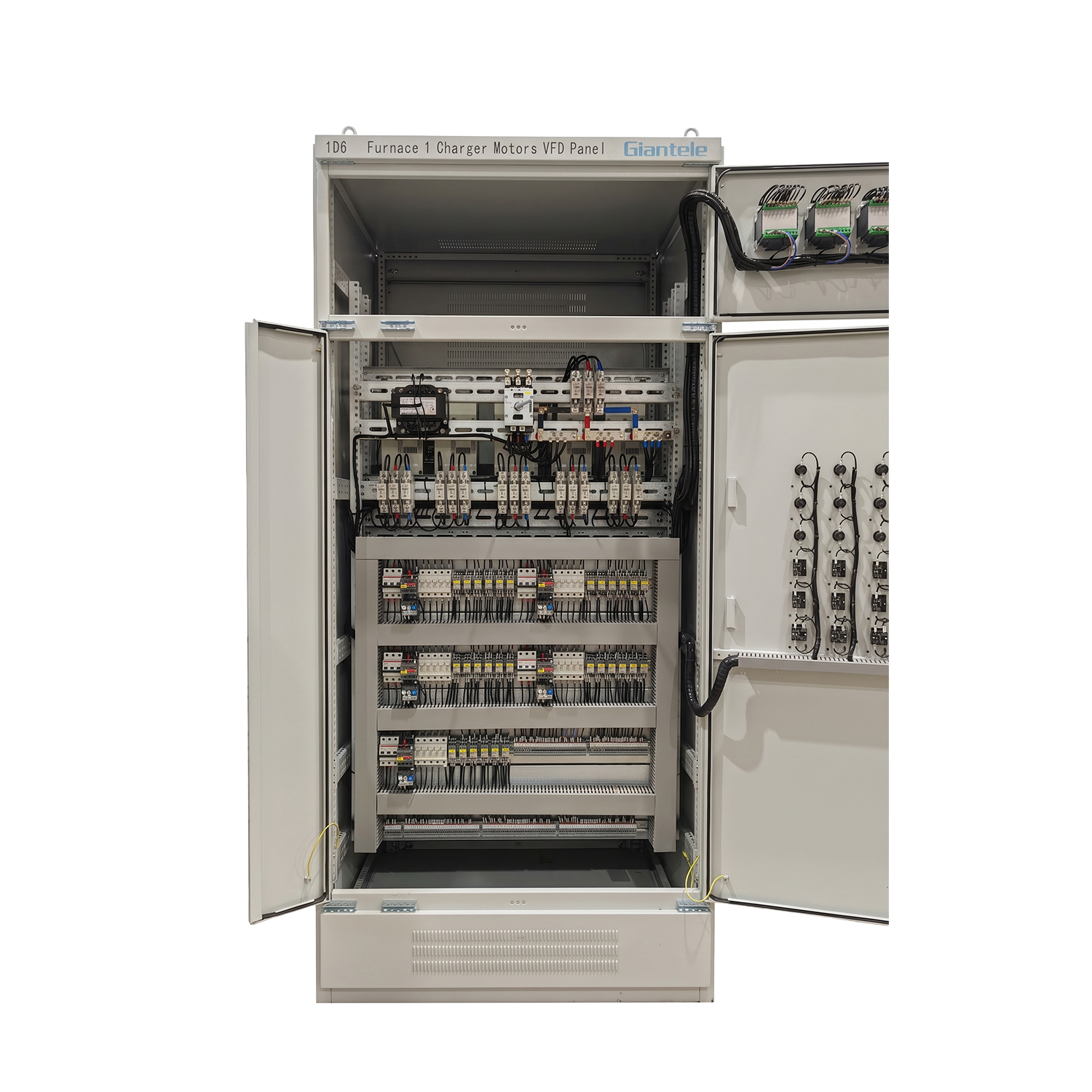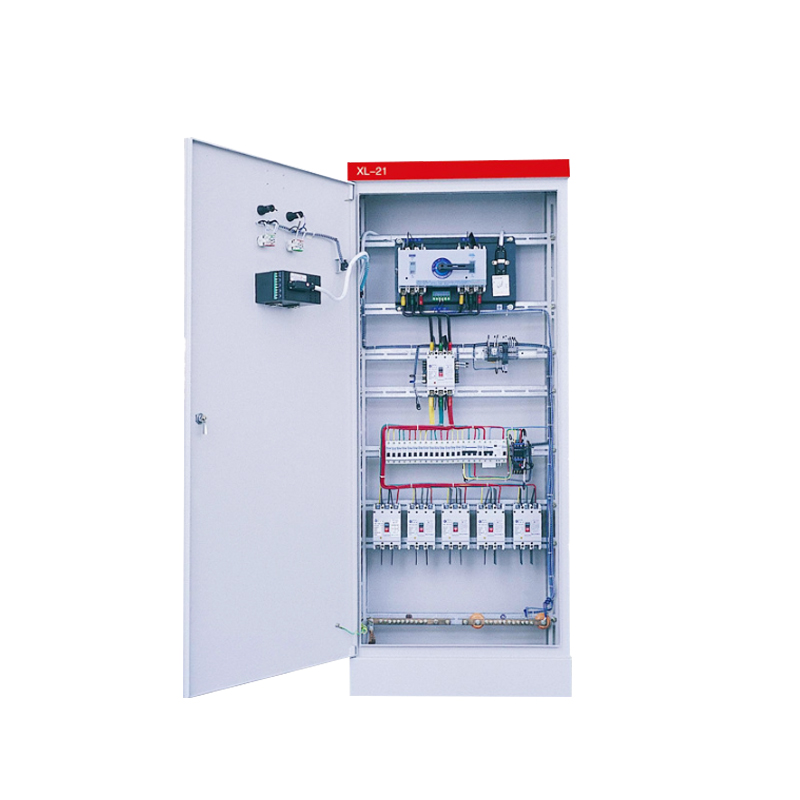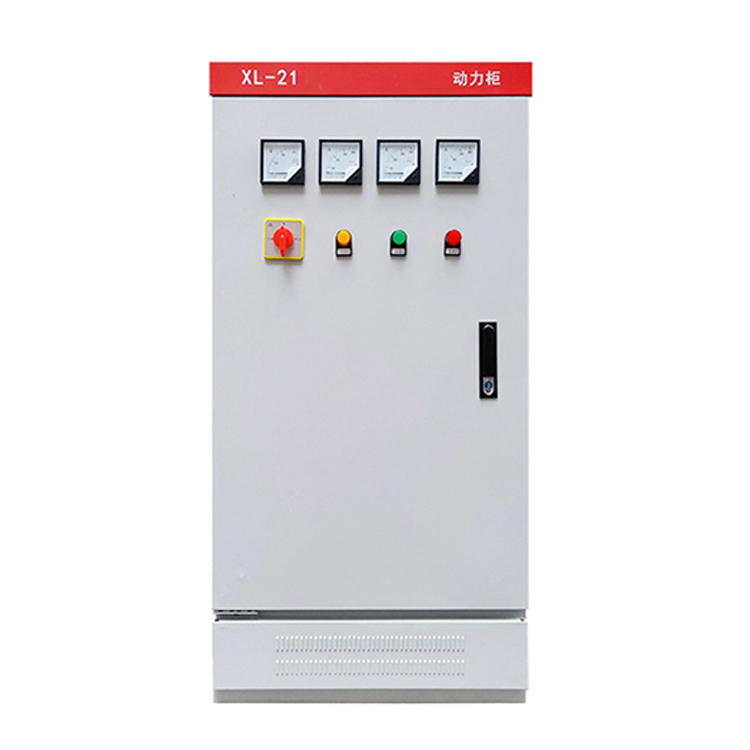
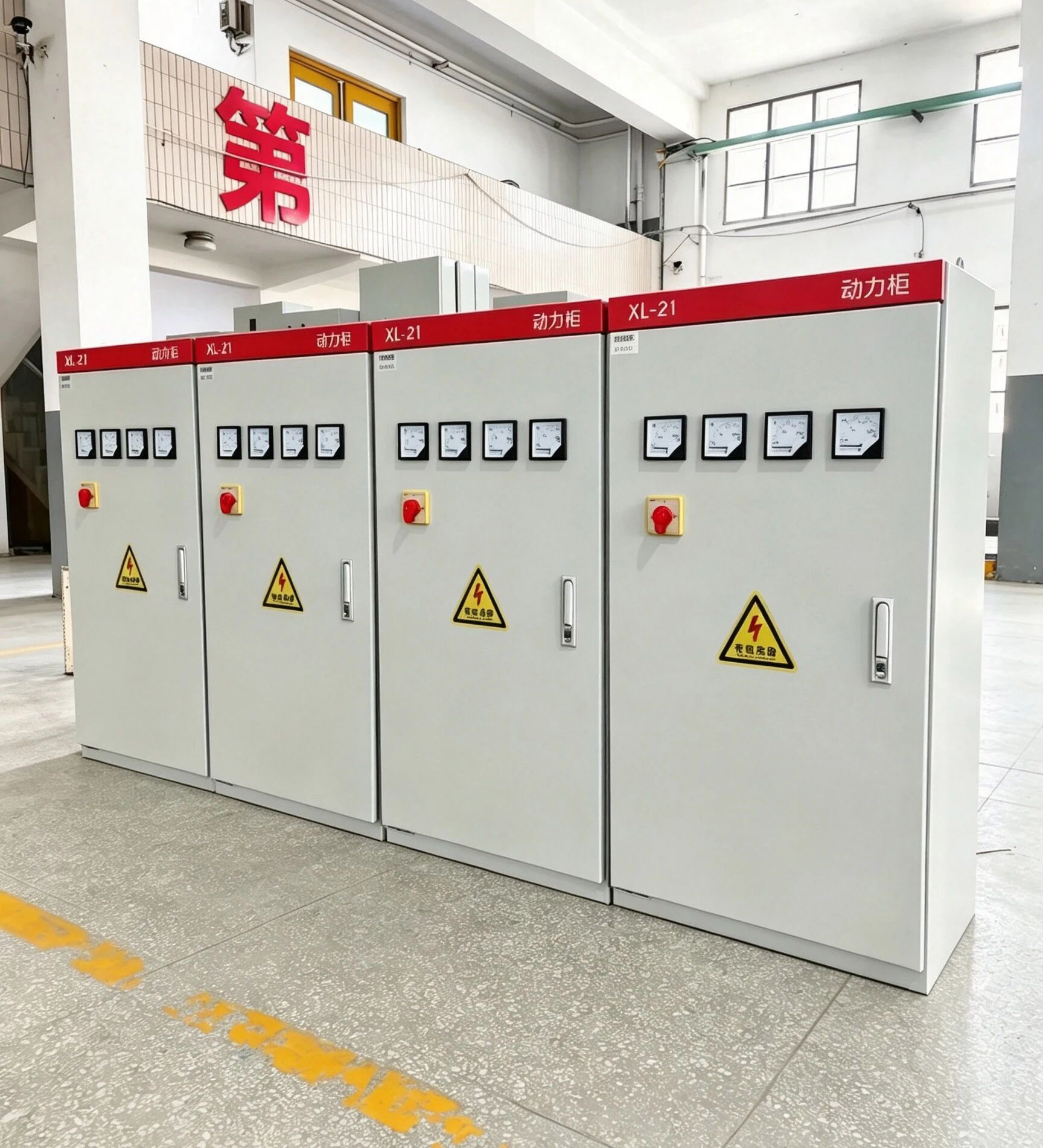
Main distribution panel pricing rarely matches the first quote you receive. This cost model splits a main distribution board into five blocks, so you can see which line is inflated. Every electrical main distribution panel is built from the same parts, whatever the label on the drawing.
Key takeaways
- The enclosure and the busbar set a floor price that no negotiation removes.
- Protection devices are the largest single line, and the easiest to over-specify.
- Assembly and factory testing usually add 15 to 25 percent on top of parts.
- Freight, duties, and site labour can swing the final figure by 20 percent.
- Compare quotes block by block, because the bottom line hides where the money sits.
What drives main distribution board pricing
A main distribution board is priced per outgoing way, but the price is set by five blocks: the enclosure, the busbar system, the protection devices, the assembly and test work, and the logistics and site work. Each block answers to a different decision, so each can be challenged alone.
Two boards with the same number of ways can differ by a factor of three. Copper content, short-circuit withstand, form of separation, and the IP rating move the number long before anyone discusses paint or finish.
Suppliers also price risk differently. A board built to IEC 61439 carries design verification behind every rating, and that verification costs engineering hours. Treat any quote that ignores it as incomplete rather than cheap.
The same block logic explains why motor control center cost and board cost behave differently. A drive or a starter group adds components the board itself never carries, so the parts share rises and the steel share falls.

Five cost lines that decide the quote
How the enclosure and busbar set the floor price
Roughly half of a distribution panel price sits in steel and copper. Those two blocks track commodity indexes rather than catalogues, so they move between the day you ask and the day you order. Locking them early protects the budget more than any discount talk later.
Enclosure cost follows the protection you specify. A dry indoor room needs far less steel and sealing than a dusty yard. industrial electrical enclosures rated for outdoor duty add gaskets, deeper canopies, and heavier sheet, and that shows up immediately in the quote.
Busbar is simpler to argue about. Copper is sold by weight, and the cross-section follows the rated current and the short-circuit withstand. If a supplier quotes a bar size without asking for your fault level, the number is a guess.
The floor price applies at every level of the tree, from an electrical distribution board feeding one workshop to the incoming board for a whole plant. The blocks change in proportion, not in kind.

Steel and copper set the floor, not the finish
Paint and badge work are the cheapest lines to argue about, and the least important. They change how a board looks, not what it can carry.
Spend the negotiation on bar size, form of separation, and IP rating instead. Those three choices set the current a board handles and the rooms it can serve.
Ask for the copper weight and the sheet thickness in writing, because both follow commodity prices rather than a fixed price list.
| Cost block | Typical share | What moves it |
|---|---|---|
| Enclosure and sheet steel | 15 to 25 percent | IP rating, form of separation, paint system |
| Busbar and joints | 20 to 30 percent | Rated current, short-circuit withstand |
| Protection devices | 25 to 35 percent | Device type, breaking capacity, brand |
| Assembly and factory testing | 15 to 25 percent | Way count, wiring density, test scope |
| Freight, duties, and site work | 10 to 20 percent | Distance, site access, cable route |
Treat those ranges as a planning guide, not a rule. They overlap because projects differ, but they show where to push. If a quote puts 45 percent into the enclosure, the bar or the devices are probably under-specified.
Installation cost estimates for a power distribution panel
Installation usually adds 15 to 30 percent of the equipment value, and it is the least predictable block. Offloading, cable termination, earthing, plinths, and commissioning each carry site risk, so two identical boards can install at very different costs.
Site access decides the labour line. A ground floor plant room with a clear route takes a small crew and a forklift. An electrical power distribution panel destined for an upper floor with a narrow stairwell takes rigging, a crane window, and a night shift.
Cable termination is the line most buyers miss. Large aluminium or copper cables need skilled jointers, correct lugs, and torque control. On a big board that work runs for days, and it is priced by the joint rather than by the panel.
Budget the site work as its own list instead of a percentage:
- Offloading and positioning, including crane or rigging time.
- Plinth, base frame, or floor fixing.
- Incoming and outgoing cable termination, with lugs and torque records.
- Earthing and bonding to the site electrode.
- Setting, secondary injection, and functional testing.
- Documentation handover and operator briefing.
Ask the supplier to state where their scope ends, at the factory gate or at the foundation. Low Voltage Switchboards shipped to site still need a crane, a plinth, and a commissioning plan, and those items belong in your estimate rather than theirs.
Electricity prices add a second cost that never appears on the quote. The IEA tracks rising industrial power demand across Africa and Southeast Asia, and every hour a board sits partly loaded is an hour of paid loss. Commissioning early, and testing it properly, is a cost decision.

Site conditions move the labour line more than the price list
Access, cable route, and shutdown windows decide the installation cost.
Price the site visit into the budget before you compare equipment quotes.
How to benchmark a quote before you commit
Benchmark a quote by requesting the same five blocks from every supplier, then compare block against block. The lowest total is rarely the lowest cost per block, and the outlier block tells you what a supplier is hiding or buying differently.
Insist on documentation. A supplier running a documented ISO 9001 quality file keeps type-test records, routine test sheets, and as-built drawings together. That file costs money to produce, and it protects you at inspection and at year ten.
Compare across board types before you accept a number. A motor control centre sits in a different cost band from a plain feeder board, because it carries devices a distribution panel board never needs.
Finally, check the scope edges. A lighting distribution board is cheap enough that freight can dominate its budget, while a plant main board is dominated by devices. Scope drives the comparison more than the price list.
Frequently asked questions
What does main distribution panel pricing usually include?
Why do two quotes for the same distribution panel board differ so much?
How much does installation add to a power distribution panel project?
Are electrical power distribution panels priced per outgoing way?
What is the difference between a distribution panelboard and a switchboard?
What belongs in the distribution panel electrical schedule?
Do power distribution panels include metering and monitoring?
How do I compare an electrical distribution panel board quote fairly?
Final thoughts
Pricing a main distribution board is a block exercise, not a beauty contest. Get the five blocks quoted separately, price the site work honestly, and compare the documents as closely as the numbers. Giantele can return a costed proposal for your board, from layout to type-test record.
Need a costed main distribution board proposal?
Send your load list, fault level, and site conditions. We return a sized layout with the five cost blocks broken out, so you can compare like with like.