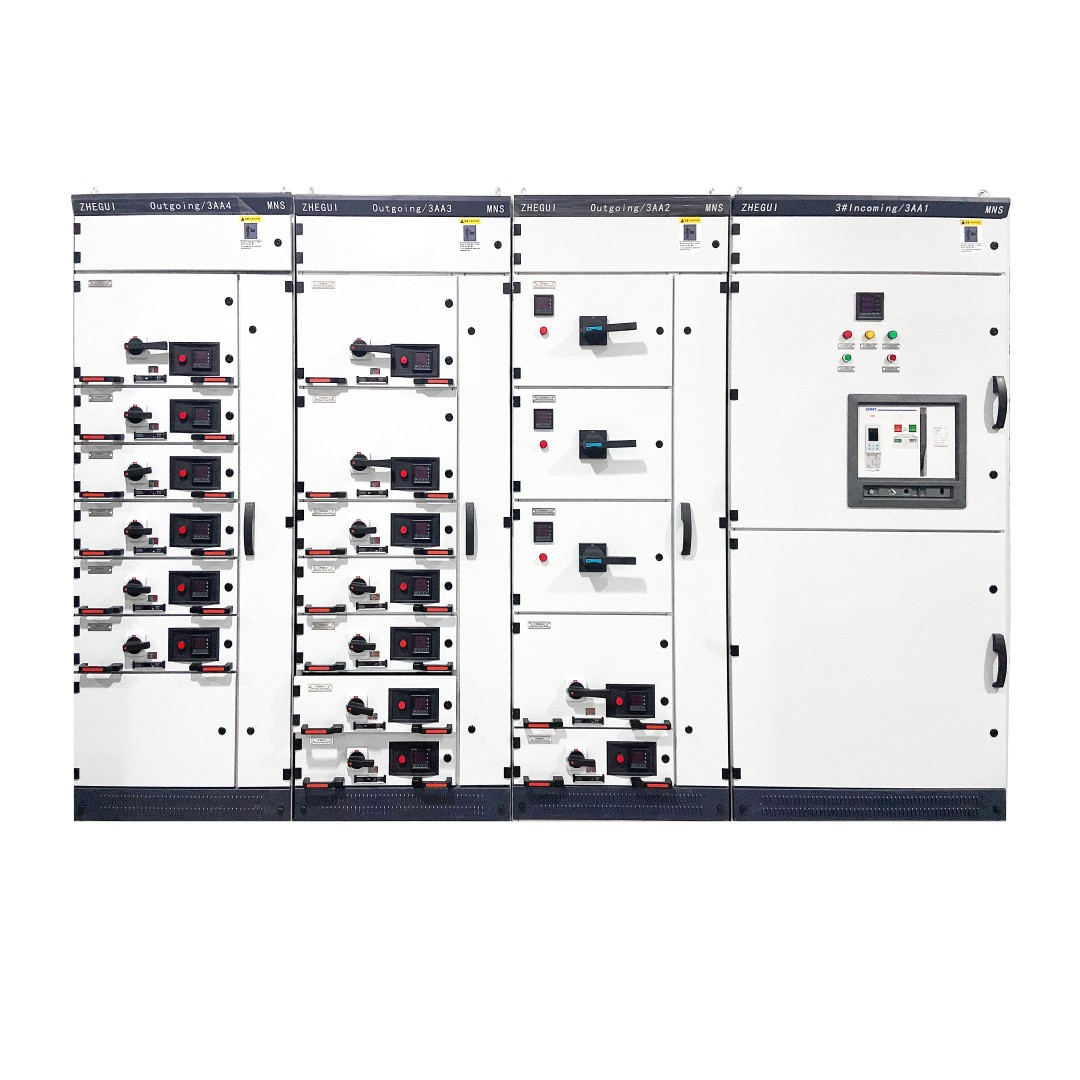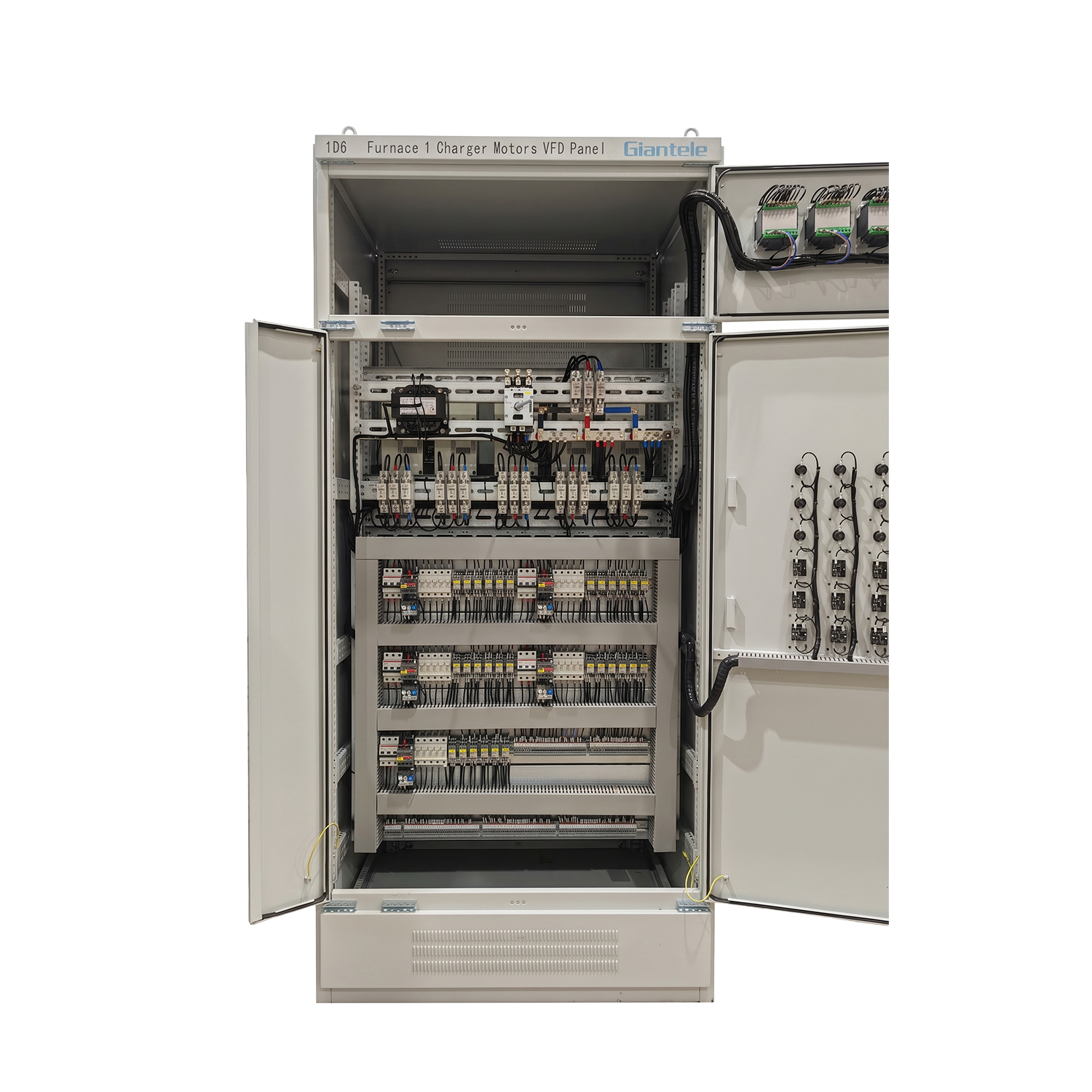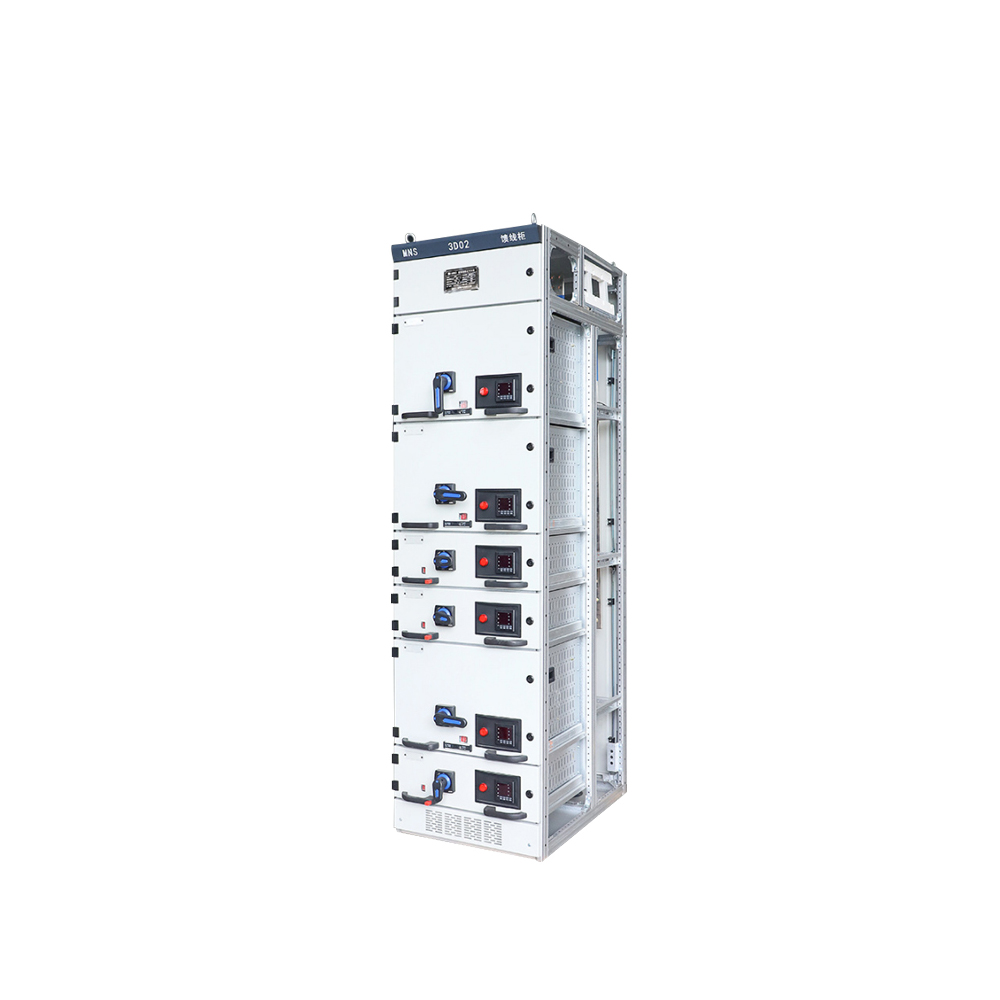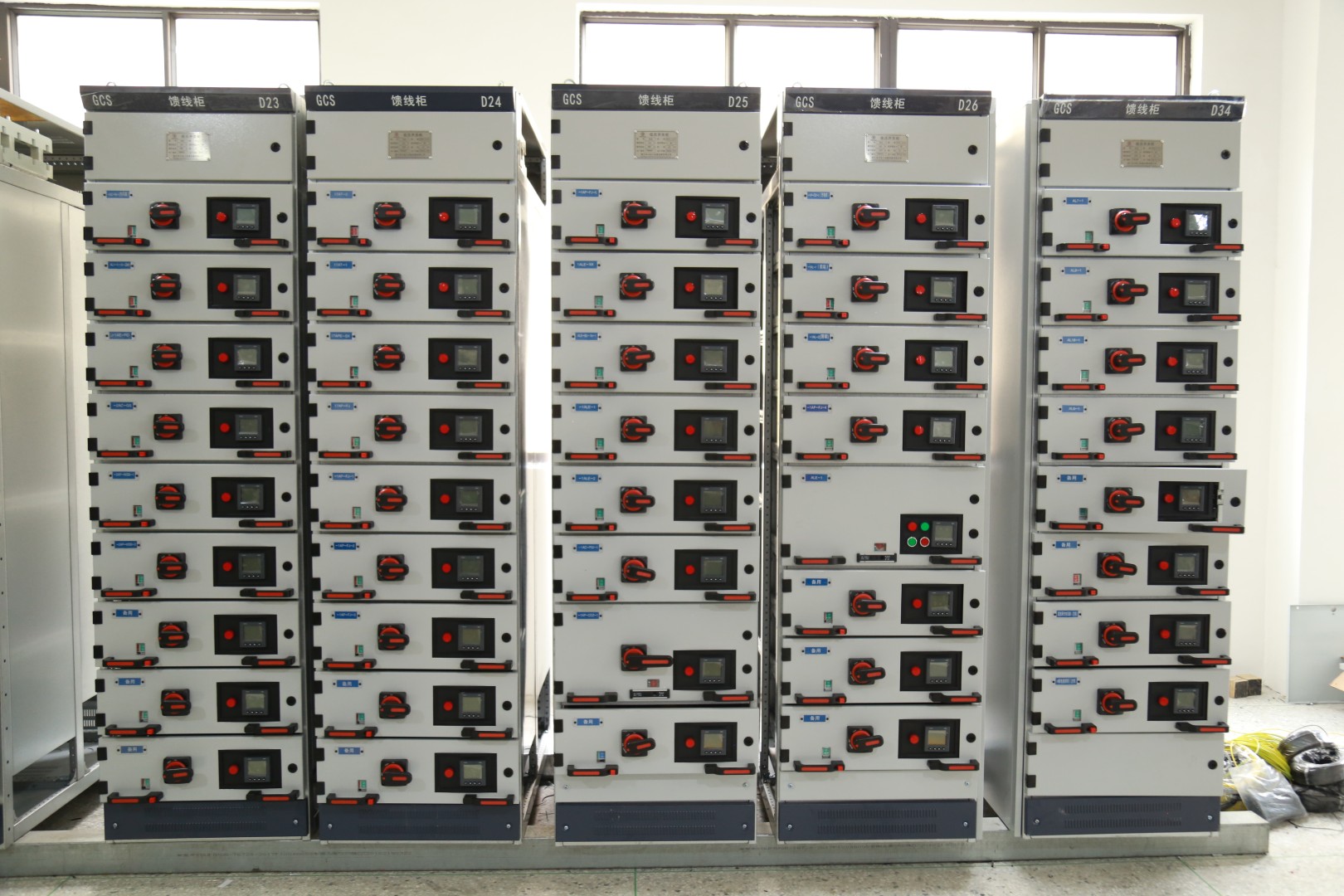
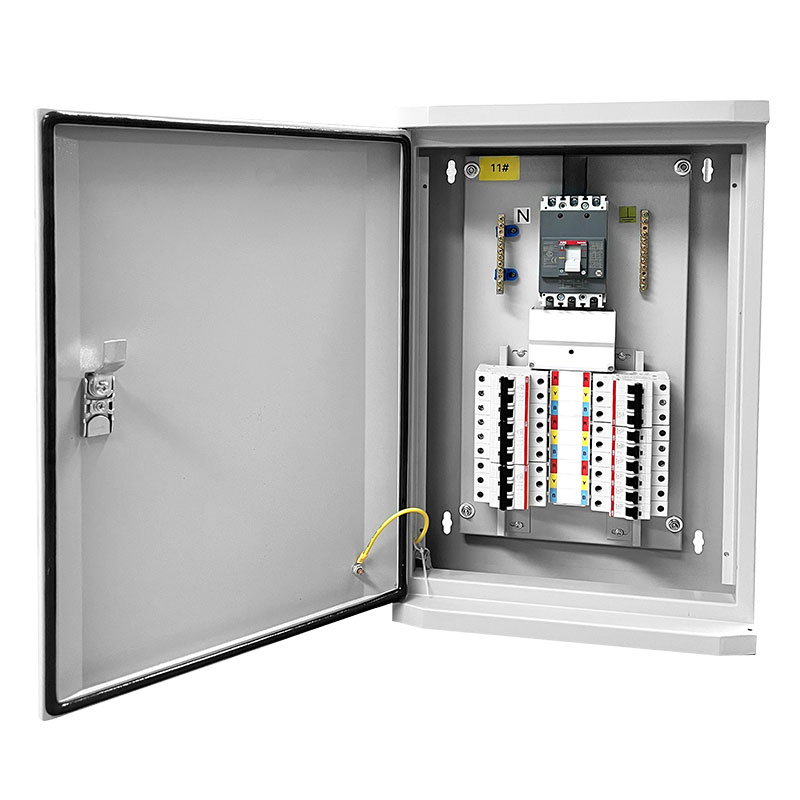
Comparing industrial control panel prices starts with one hard truth: two panels that look identical in a photo can cost three times apart. The difference hides in the enclosure, the components inside, and the testing behind the nameplate. A smart buyer does not compare prices. You compare what you get for the price. This article shows you how to do that for factory applications.
Key Takeaways
- Enclosure is the biggest price lever: Moving from a basic wall mount enclosure box to an industrial electrical cabinet with corrosion-resistant steel can double the panel cost.
- NEMA 4 panel protection costs more upfront but saves downstream: A NEMA 4 panel rated equivalent to IP66 prevents moisture damage that destroys unprotected panels in humid factory environments within 2-3 years.
- Custom electrical panels cost 30-60% more than standard industrial electronic box units: The premium buys you wiring tailored to your exact motor layout, not a generic template.
- All quotes are not comparable: Some industrial enclosures manufacturers bundle testing and documentation. Others charge it separately. Ask for a line-item breakdown.
- CE certified, IEC 61439 verified: Giantele industrial control panels carry CE certification with full factory test reports. No hidden costs for compliance documentation.
What drives industrial control panel pricing
Every factory control panel quote breaks down into five cost buckets. Ignore any one of them and you compare apples to oranges. The five buckets are: enclosure type and material, component brand and rating, internal wiring complexity, testing and certification scope, and after-sales support terms.
The enclosure alone can account for 15-40% of total panel cost. Component brands like the main circuit breaker, PLC, and contactors make up another 30-50%. The rest is engineering, wiring, testing, and margin. When you see two quotes with a 40% price gap, the difference almost always sits in these three areas. The IEC 61439 standard defines verification methods that let you compare designs on equal technical footing.
How industrial electrical enclosures influence the price you pay

Material, size, and rating drive enclosure cost
Industrial electrical enclosures are not commodity items. The electrical panel enclosure material choice alone creates a 3x price spread on the same physical dimensions. A 1200x800x300mm carbon steel enclosure costs roughly one unit. The same size in 304 stainless steel costs about 2.5 units. In 316 stainless for corrosive environments, about 3.5 units.
Beyond material, the protection rating changes everything. A basic IP41 enclosure keeps out large objects. IP54 adds dust and splash protection with gasketed doors and sealed cable entries. IP65 requires full hose-down capability with welded seams and compression gaskets. Each step up adds 15-25% to the enclosure cost.
Size matters in unexpected ways. A larger industrial electrical enclosures volume means more steel, heavier shipping, and sometimes a floor-standing frame instead of wall brackets. But the bigger hidden cost is not the steel. The enclosures industrial buyers choose must balance internal space needs against shipping weight and on-site handling limits. A 2000mm tall panel does not cost twice as much as a 1000mm panel. It costs about 1.5x because the steel is incremental but the wiring time scales with the component count, not the enclosure height.
When comparing quotes, check whether the enclosure IP rating and material match across all suppliers. One quote for a powder-coated carbon steel IP54 enclosure is not comparable to another for a stainless steel IP65 enclosure, even if both are called "factory control panels." For more on matching enclosures to site conditions, see our distribution box guide for industrial environments.
Wall mount enclosure box vs industrial electrical cabinet for factory use
| Feature | Wall Mount Enclosure Box | Floor-Standing Industrial Electrical Cabinet |
|---|---|---|
| Typical size range | 300x400x200mm to 800x1000x300mm | 800x600x400mm to 2200x1000x600mm+ |
| Enclosure cost (carbon steel, IP54) | Low — compact, light, simple brackets | 2-4x higher — heavier steel, internal frame, plinth |
| Shipping cost | Lower — pallet-friendly, lighter weight | Higher — crate required, heavier, more volume |
| Component capacity | Limited — 1-3 motor starters or small PLC | High — full MCC with 10-20 feeders, VFDs, large PLC |
| Installation | Simple — 4 wall anchors, access from front only | Complex — floor anchoring, cable trench, rear access preferred |
| Heat dissipation | Poor — limited internal volume, small fans only | Good — more volume, larger fans, natural convection |
| Best for | Single motor control, small distribution, remote I/O boxes | Central MCC, multi-motor panels, PLC+HMI+VFD integration |
Most factories need both form factors. A large industrial electrical cabinet is the main motor control center near the incomer. Smaller wall mount enclosure box units distribute control to remote conveyor zones or pump stations. The price split between the two is rarely 50/50 because the floor-standing unit carries the heavy copper — the main busbar system, the large incomer breaker, and the bulk of the I/O termination. Plan for the floor-standing cabinet to consume 60-70% of your enclosure budget on a multi-panel project.
NEMA 4 panel and industrial electrical box protection costs
A NEMA 4 panel rating is one of the most misunderstood cost drivers in industrial panel buying. NEMA 4 means the enclosure protects against windblown dust and rain, splashing water, and hose-directed water. In IEC terms, this is roughly equivalent to IP66. The key word is "roughly" — NEMA 4 adds corrosion resistance and icing tests that IP66 does not cover.

What each protection level adds to the enclosure price
Do not spec a NEMA 4 panel rating unless your site actually needs it. The 40-60% premium over IP54 is wasted money in a clean indoor electrical room. But skip it for an outdoor installation or a washdown area and you will replace the panel within three years. The decision is environmental, not budgetary. An low voltage switchgear rated for indoor use will fail fast if installed outdoors without an upgraded industrial electrical box enclosure.
Custom electrical panels vs industrial electronic box pricing
When the customization premium pays off
A standard industrial electronic box off a production line costs less but fits your factory less. The difference between standard and custom electrical panels is not just price. It is whether the panel layout matches your motor positions, your cable routes, and your operator workflow.
- Standard panels suit simple motor starting and lighting distribution with predictable layouts
- Custom panels integrate multiple functions — PLC, VFDs, metering, and communication — into one enclosure wired for your site

Custom electrical panels typically cost 30-60% more than an equivalent standard industrial electronic box. The premium is not random. It comes from engineering design time, non-standard busbar layouts, bespoke wiring schedules, and extra testing to verify custom configurations. But for factories with complex motor arrangements, the premium often pays for itself in reduced installation time and fewer field modifications.
When you compare quotes between control panel manufacturers, look at what "custom" means to each supplier. One might quote a standard panel with a few extra terminals and call it custom. Another might redesign the busbar arrangement, create a wiring diagram from your single-line drawing, and run a full factory acceptance test against your specification. Both are "custom" but one is worth the premium and the other is not. The ISO 9001 quality management framework provides a baseline for evaluating whether a manufacturer's custom process is documented and repeatable.
How industrial enclosures manufacturers structure pricing

Four pricing models used by industrial enclosures manufacturers
The pricing model you choose affects more than the invoice. Model 1 (turnkey) gives you a single point of responsibility. If the panel fails during commissioning, there is one company to call. With model 2 or 3, a fault could be in your component, their wiring, or the interface between the two — and you are stuck in the middle. For factories without an in-house electrical engineering team, the turnkey premium is worth the accountability it buys. A power distribution board ordered turnkey from one supplier eliminates the finger-pointing that drains project schedules.
Not all industrial enclosures manufacturers quote the same way. Some include export documentation and factory test reports in the base price. Others itemise them as separate line items. According to IEA data on industrial equipment procurement, hidden costs in after-sales and documentation can add 10-18% to the quoted price. Always ask for a complete line-item breakdown that separates the enclosure cost, component cost, engineering cost, testing cost, and packing cost. Without this breakdown, you cannot compare two quotes fairly.
Frequently asked questions
Why do two control panel quotes for the same specification differ by 40% or more?
What is a NEMA 4 panel and when do I need one?
Should I buy a wall mount enclosure box or a floor-standing industrial electrical cabinet?
How much more do custom electrical panels cost compared to standard ones?
What hidden costs should I watch for when comparing panel quotes?
How do I verify that an industrial enclosures manufacturer delivers what they quote?
Does enclosure material really change the price that much?
Is it cheaper to buy the enclosure and components separately and assemble locally?
Final thoughts
Comparing industrial control panel prices is not about finding the lowest number. It is about finding the panel that costs the least over its entire service life. Enclosure protection, component quality, factory testing, and after-sales support determine that life. A panel that fails in year three because you saved on the enclosure costs far more than the one that runs for 15 years. Send your panel specification to Giantele for a line-item quote that includes everything — no hidden charges, no surprise exclusions.
Get a Line-Item Panel Quote in 12 Working Hours
Send us your motor list and single-line diagram. Our engineers return a detailed quotation with every cost broken out by category — enclosure, components, labour, testing, and packing. No surprises.