


Introduction
Custom industrial control panels are the nerve center of any serious electrical installation. From a mining operation in Uganda to a manufacturing plant in Angola, the right custom electrical panels keep motors running, protect expensive equipment, and hold production output steady. But getting a panel from concept to commissioning is not a simple purchase. It is a structured engineering process that demands careful design, correct specification, and a reliable control panel supplier who knows how to deliver. This guide walks you through every stage — from first design brief to factory delivery.
What Makes a Control Panel "Custom"?
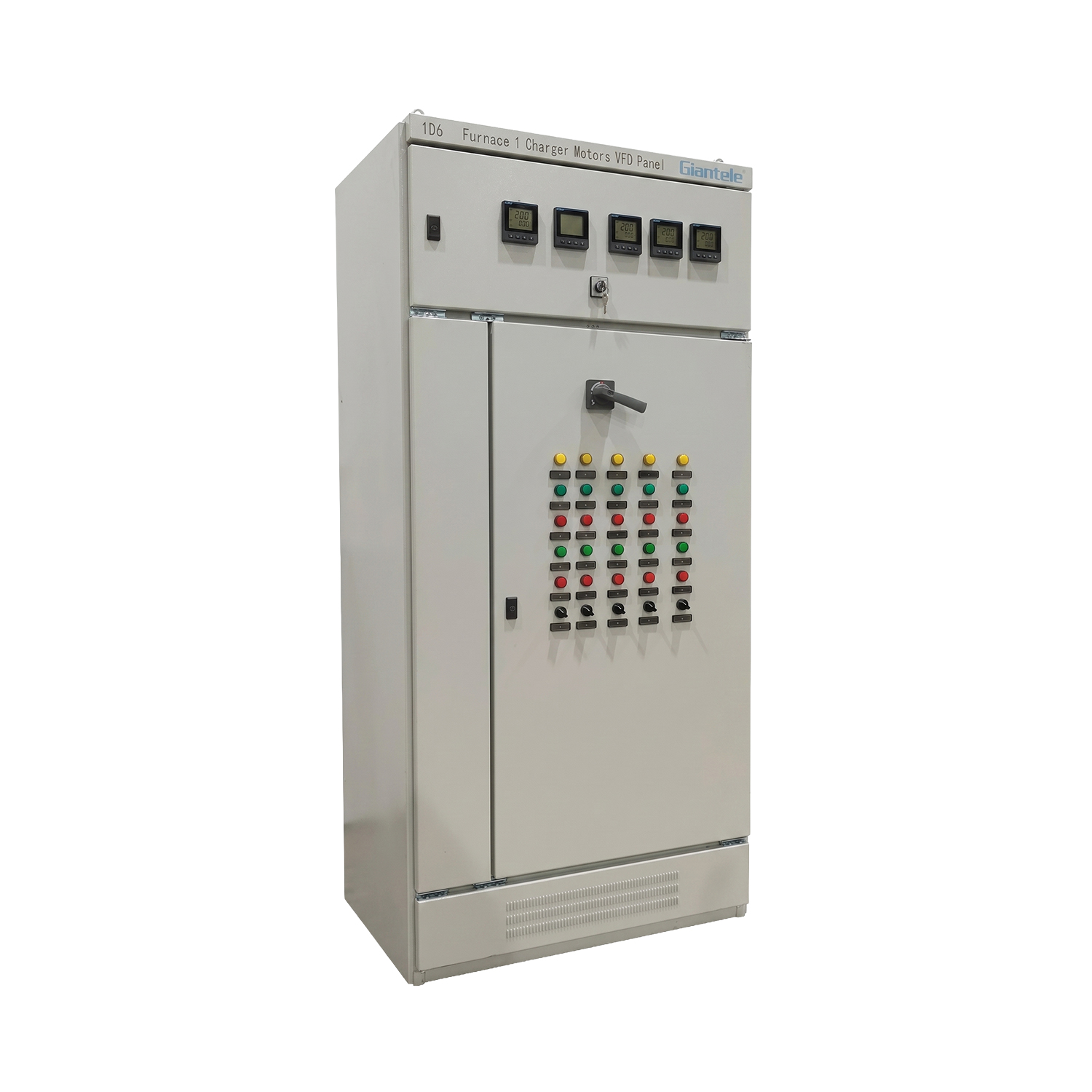
Not all control panels are custom. Standard catalog panels come pre-built with fixed configurations. Custom industrial control panels, by contrast, are engineered to match a specific load schedule, site condition, and process requirement. A control panel design company starts from your single-line diagram and builds upward.
Custom means the panel fits your voltage level, your fault level, your IP rating, and your ambient temperature. In Africa, ambient temperatures often exceed 35°C. A panel designed for a European factory may overheat in Kampala or Luanda. So custom is not a luxury — it is a technical necessity.
The Role of a Control Panel Design Company
A qualified control panel design company does more than draw a schematic. Good control panel designers combine electrical engineering, mechanical layout, and compliance knowledge. Their output includes:
Single-line diagrams (SLDs) showing circuit topology and protection coordination
General arrangement (GA) drawings defining enclosure dimensions and component positions
Bill of materials (BOM) with brand, model, and rating for every component
Factory acceptance test (FAT) procedures aligned with IEC 61439 or project specs
Cable schedule and termination drawings for site installation
When you work with an experienced control panel design company, you reduce engineering risk before a single wire is cut. The time spent on design saves weeks on site.
Control Panel Industrial Automation: Where Design Meets Process
Control panel industrial automation is the integration of control logic — PLC, SCADA, VFD — into the panel enclosure. This is where control panel design becomes more complex. The panel must house not just power components but also signal wiring, communication modules, and HMI interfaces.
For a water treatment plant in Kenya, for example, a power distribution board may feed an MCC section with DOL starters, while a second section handles VFD-controlled pumps with Modbus RTU communication back to a SCADA workstation. These two worlds — power and control — must be physically and electrically separated inside one enclosure.
Key rules for control panel industrial automation design:
Segregate power wiring from control signal cables with barriers or separate cable ducts
Use shielded cables for analogue and communication signals
Apply surge protection devices (SPDs) on incoming power and communication lines
Label every wire with a unique ferrule number matching the termination drawing

Technical Specifications Every Buyer Must Define
Before approaching any industrial panel OEM or power control panel manufacturer, you need a clear technical specification. Vague inquiries produce vague quotes and wrong panels. Define the following:
Parameter | Typical Range | Why It Matters |
|---|---|---|
Rated voltage | 400V / 415V / 690V | Determines insulation class and component selection |
Rated current (main bus) | 400A – 4000A | Determines busbar size and heat dissipation |
Short-circuit withstand (Icw) | 25kA – 80kA | Defines structural and component ratings |
IP rating | IP42 – IP65 | Dust and moisture protection for site conditions |
Enclosure material | Steel / Stainless steel | Corrosion resistance in coastal or chemical environments |
Ingress protection standard | IEC 60529 | Confirmed by third-party test report |
Compliance standard | IEC 61439-1 / -2 | Required for World Bank and AfDB-funded projects |
Degree of protection (form) | Form 2b / Form 4 | Defines internal compartmentalization level |
Providing these parameters upfront reduces the back-and-forth with your control panel supplier by 50% and shortens lead times significantly.
According to the International Electrotechnical Commission (IEC), IEC 61439 defines the requirements for low-voltage switchgear and controlgear assemblies. Compliance with this standard is non-negotiable for projects in regulated markets.
The OEM Manufacturing Process: Stage by Stage
Working with an industrial panel OEM means your panel is manufactured to your specification under a controlled quality system. Here is how a professional power control panel manufacturer handles your order:
Stage 1 — Technical Review (Week 1) The OEM reviews your SLD, load schedule, and site data. They flag any conflicts — for example, a specified breaker that cannot achieve the required discrimination, or a cable entry that conflicts with the enclosure IP rating. You resolve these before production starts.
Stage 2 — Engineering and Drawing Approval (Weeks 1–2) The OEM produces GA drawings, schematic diagrams, and a BOM. You review and approve. Any changes at this stage cost nothing. Changes after fabrication is complete are expensive.
Stage 3 — Material Procurement (Weeks 2–4) The OEM orders components from approved brands. For African projects where grid standards vary, brands like ABB, Schneider Electric, and Siemens offer proven local support and spare parts availability. Using off-brand components in critical infrastructure increases long-term maintenance risk.
Stage 4 — Fabrication and Wiring (Weeks 4–8) Sheet metal cutting, bending, powder coating, busbar fabrication, and component mounting happen in sequence. Wiring follows the approved schematic. Every wire is ferruled and labeled.
Stage 5 — Factory Acceptance Test (FAT) (Week 8–9) The FAT is your quality gate before shipment. A professional control panel supplier tests dielectric strength, insulation resistance, functional operation, and protection relay settings in the factory — before the panel travels to your site. You or your representative can witness the FAT remotely or in person.
Stage 6 — Packing and Shipment (Week 9–10) Panels are packed in export-grade wooden crates or steel frames. Documents — test reports, certificates, drawings, spare parts list — are packed inside or sent digitally.
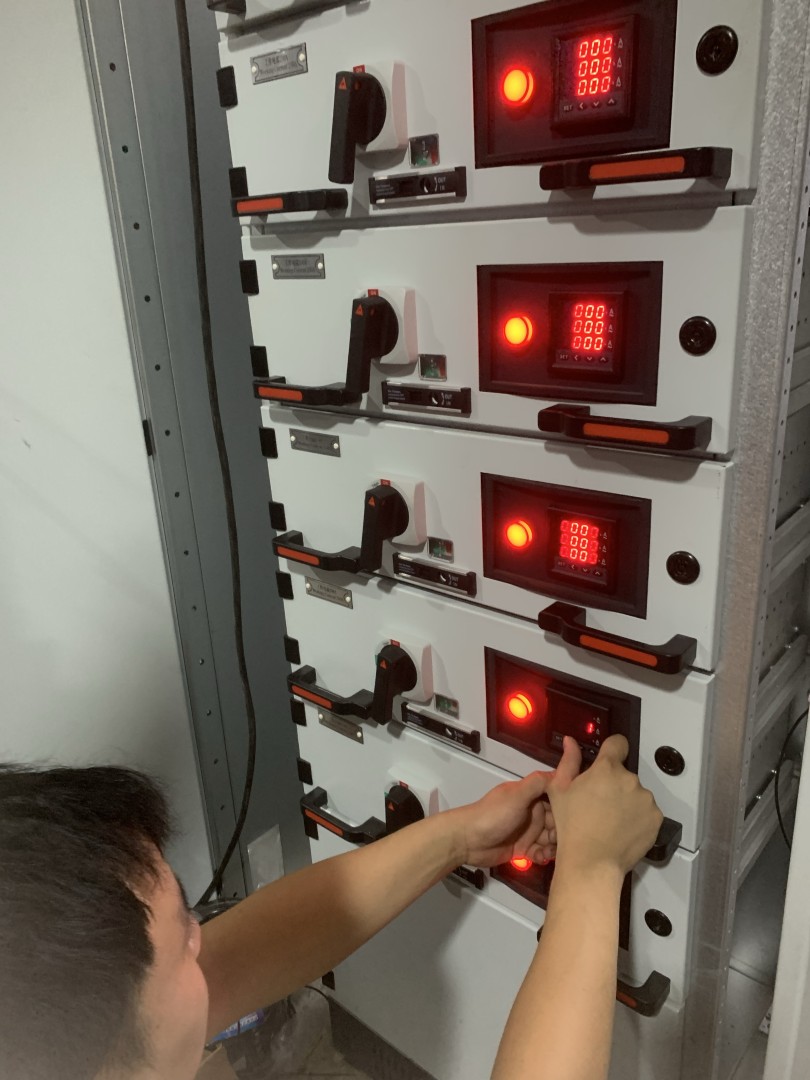
Total lead time for most custom industrial control panels: 8 to 12 weeks from drawing approval to shipment.
What Separates a Good Control Panel Supplier from a Poor One
Not every control panel supplier delivers equal quality. Here is what to look for when evaluating your options:
Certifications
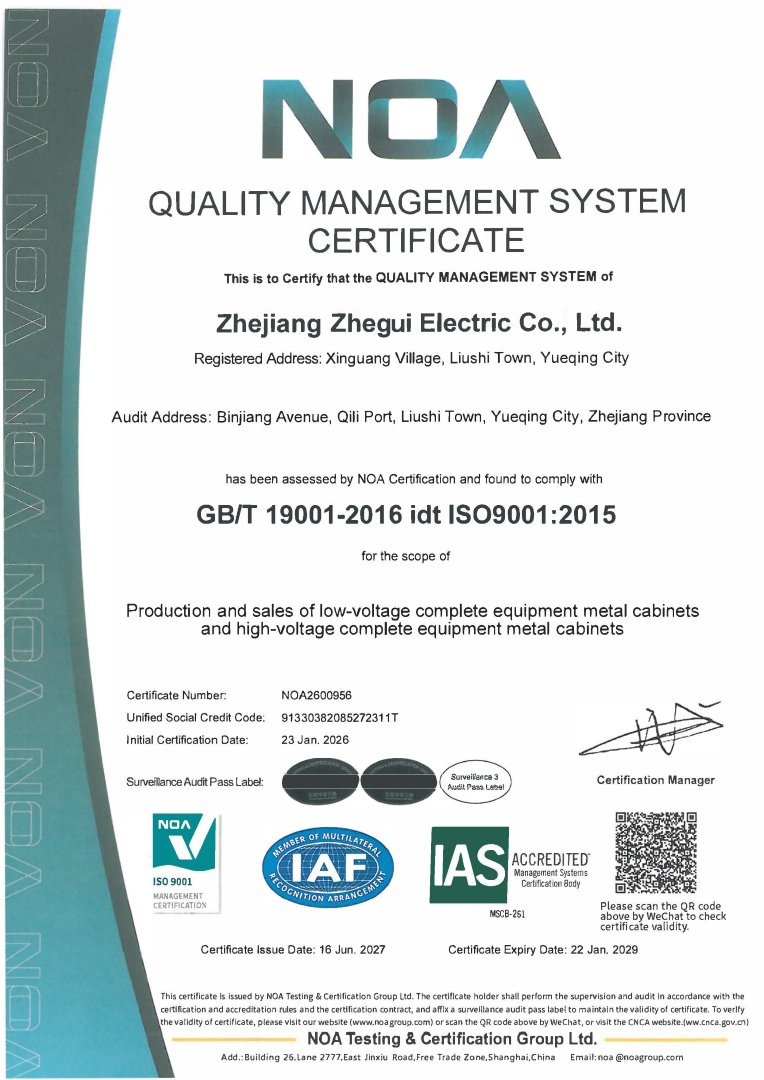
ISO 9001 certified quality management system
IEC 61439 type test certificates from accredited laboratories
Third-party inspection acceptance (SGS, Bureau Veritas, TÜV)
Component Sourcing
Uses first-tier brands (ABB, Schneider, Siemens, Chint)
Provides traceable BOM with model numbers
No substitution of components without written approval
Engineering Capability
In-house engineers who can review your SLD and flag errors
Experience with African grid standards (415V, 50Hz)
Familiarity with ERA Uganda and EPRA Kenya grid connection requirements
After-Sales Support
Provides as-built drawings after FAT
Offers spare parts list with local sourcing options
Responds to technical queries after commissioning
Custom Electrical Panels for African Industry
Africa's industrial sector is growing fast. According to the African Development Bank (AfDB){target="_blank"}, infrastructure investment across Sub-Saharan Africa continues to accelerate, with energy infrastructure taking a significant share. Uganda's industrial corridor, Kenya's manufacturing growth under the Big Four Agenda, and Angola's oil and gas sector all require reliable, locally compliant low voltage switchgear and custom electrical panels.
But African projects have specific demands that off-the-shelf panels from generic catalogs cannot meet:
High ambient temperature: Busbars must be derated by 15–20% for continuous operation above 35°C
Dust and humidity: Coastal sites in Angola and Kenya need IP54 or higher; inland mining sites in Uganda may need IP65 with anti-condensation heaters
Generator compatibility: Many sites run on diesel backup. ATS panels must handle generator source switching without backfeed
Remote site logistics: Panels must be designed for knock-down or split-section delivery when site access is limited
Local compliance: Projects funded by the World Bank require IEC 61439 compliance, FAT documentation, and third-party inspection certificates
A control panel supplier with genuine African project experience knows these requirements. A supplier without this experience will learn them at your expense.
Comparing Panel Types: Quick Reference for Buyers
Panel Type | Primary Function | Typical Application |
|---|---|---|
MCC (Motor Control Center) | Centralizes motor starters and protection | Water treatment, mining, food processing |
VFD Panel | Variable-speed motor control | Pumps, fans, compressors |
ATS Panel | Automatic transfer between utility and generator | All sites with backup power |
Main Distribution Board | Receives and distributes incoming supply | Industrial facilities, commercial buildings |
Custom PLC Panel | Process automation and sequence control | Automated production lines |
For a deeper look at power factor correction panels that reduce energy waste alongside your distribution system, see our dedicated resource.
FAQ
Q: What information do I need to provide to get an accurate quote for custom industrial control panels? A: You need to provide your single-line diagram, load schedule (motor list or circuit list with ratings), site location, ambient temperature, IP rating requirement, voltage and frequency, and any applicable compliance standard. The more detail you provide, the faster and more accurate the quotation.
Q: What is the difference between an industrial panel OEM and a standard panel distributor? A: An OEM designs and manufactures panels to your specification from raw materials. A distributor sells pre-built catalog panels. For anything beyond simple lighting panels or small DB boards, an OEM gives you the customization and compliance documentation that project specifications demand.
Q: Can a control panel design company handle both the design and manufacture? A: Yes — and this is the preferred approach. When design and manufacturing sit under one roof, design intent carries through to the wiring bench without translation errors. If you use a separate designer and a separate builder, coordination gaps are common.
Q: How do I verify that a control panel supplier is IEC 61439 compliant? A: Ask for type test certificates issued by an accredited third-party lab. Verified certificates will reference the specific test standard (IEC 61439-1 and -2), the panel model, test date, and lab name. Self-declared compliance without a third-party certificate does not satisfy project specification requirements.
Q: What does control panel industrial automation add to cost? A: PLC integration, SCADA communication, VFD wiring, and HMI interfaces add 20–40% to the cost of a pure power panel of the same rating. The increase reflects engineering hours for programming and testing, plus the cost of the automation components. For most process applications, the operational savings justify the investment within 12–18 months.
Conclusion
Custom industrial control panels are not a commodity purchase. They are an engineered product built to your site's exact requirements. Working with an experienced control panel design company — one that handles both control panel design and manufacturing under ISO 9001 and IEC 61439 — is the most effective way to reduce risk, compress lead times, and meet project compliance requirements.
Giantele is a dedicated industrial panel OEM and power control panel manufacturer with proven delivery to Uganda, Kenya, Angola, and across Sub-Saharan Africa. We design, build, test, and ship custom electrical panels that meet your specification — not a catalog approximation of it.
Contact us at giant-electric.com/contactus.html to start your technical review. Share your SLD and site data, and we will return a detailed technical proposal within 48 hours.