


Introduction
Custom control panels are the nerve center of every motor-driven facility. They group starting, protection, and monitoring functions into one engineered enclosure. Understanding how a motor control center (MCC) works helps you specify better equipment, avoid costly mistakes, and keep production running. This guide covers MCC fundamentals, internal components, panel types, and what to look for from an electrical panel builder.
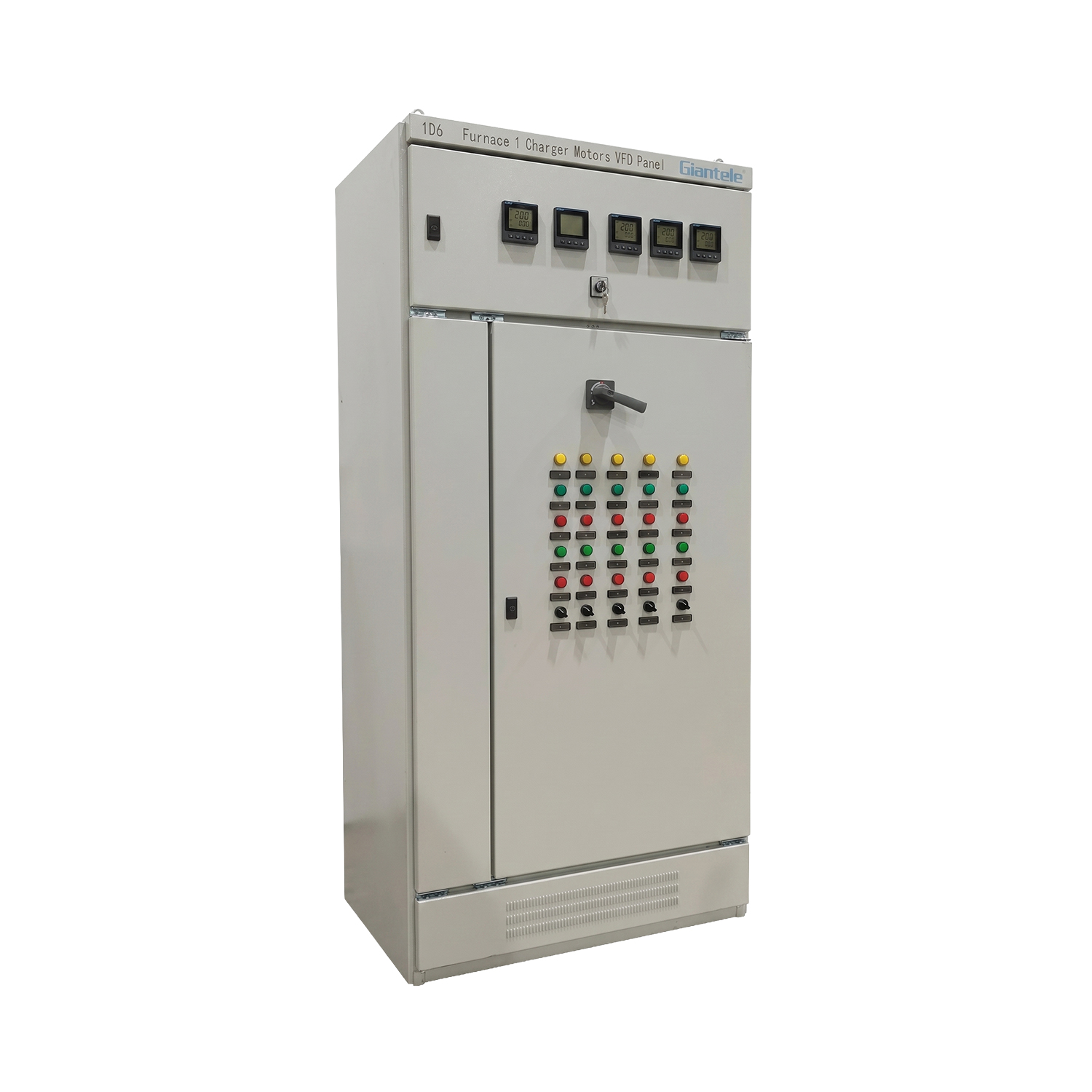
What Is a Motor Control Center?
A motor control center is an assembly of one or more enclosed sections. Each section holds motor starter units, circuit breakers, contactors, and overload relays. The sections are mounted in a floor-standing steel cabinet and connected by a shared busbar system.
Unlike individual starters scattered across a factory floor, an MCC centralizes all motor control in one location. This makes power distribution board management, fault-finding, and maintenance far simpler.
MCCs are standard equipment in water treatment plants, manufacturing facilities, mining operations, and agro-processing sites. Across Uganda, Kenya, and Angola, demand for properly specified custom industrial control panels is growing as industrial investment accelerates.
How Does an MCC Work? The Core Operating Principle
The operating logic of an MCC follows a clear sequence. Understanding it helps engineers and buyers specify the right custom control panel design.
Step 1 — Supply entry. Incoming three-phase power connects to the main busbar via the main incoming circuit breaker. The busbar distributes power horizontally or vertically to each starter section.
Step 2 — Starter operation. Each motor feeder section contains a contactor and an overload relay. The contactor closes when a start command arrives. It opens when a stop command is received.
Step 3 — Protection. The overload relay monitors motor current continuously. If current rises above the set threshold, the relay opens the contactor circuit. This protects the motor from thermal damage.
Step 4 — Control. Push buttons, PLCs, or SCADA systems send start and stop signals to the contactor coil. This is where custom control panel design adds the most value — matching the control logic to the specific process.
Step 5 — Monitoring. Ammeters, power meters, and fault indicators give operators real-time data on each motor circuit. Modern industrial electrical panels integrate digital displays and communication modules for remote monitoring.
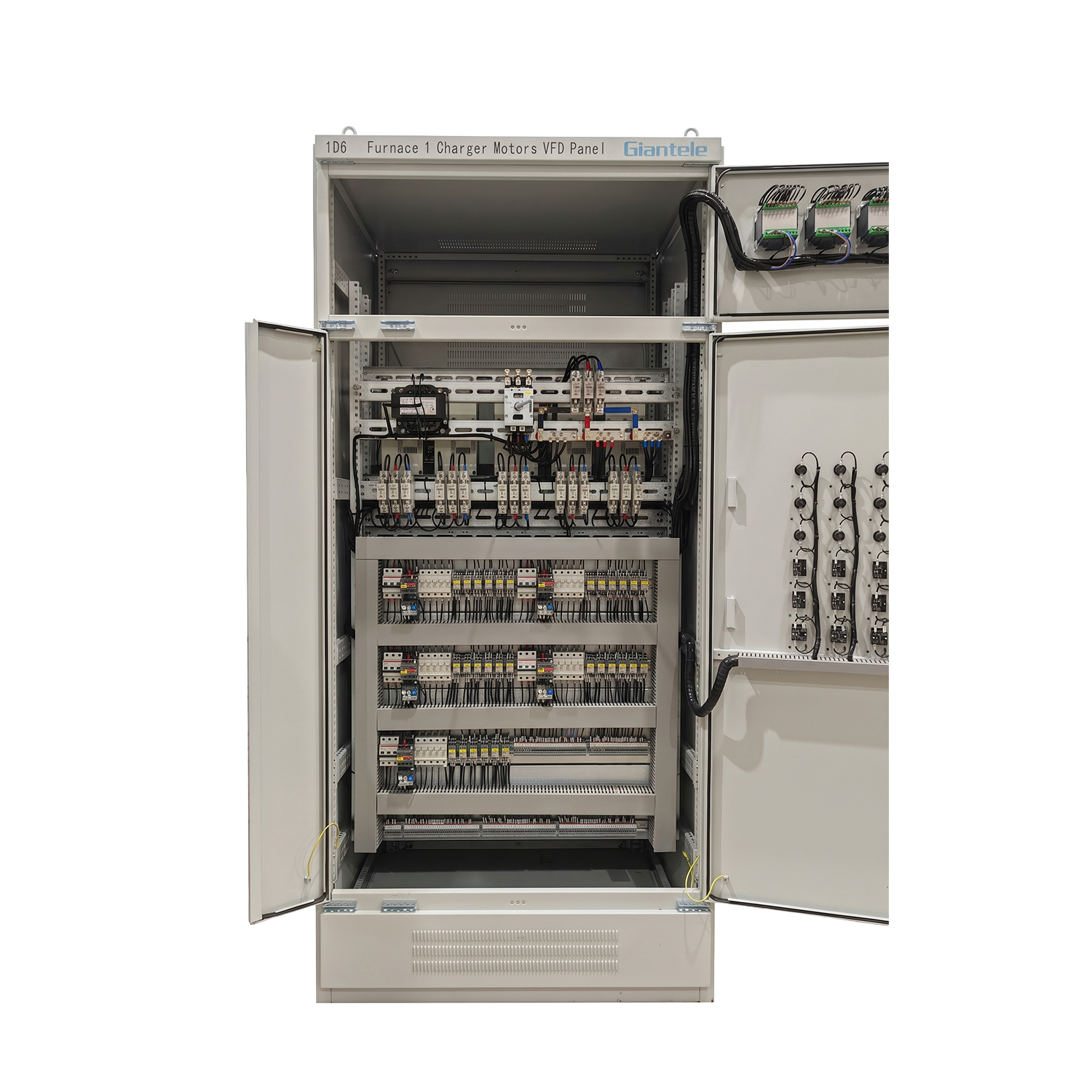
Key Components Inside Industrial Electrical Panels
Every MCC section — often called a "bucket" — contains several critical components. Quality components are non-negotiable for reliable electrical panel fabrication.
Component | Function |
|---|---|
Main circuit breaker (MCCB) | Disconnects and protects the entire feeder circuit |
Contactor | Switches the motor on and off under load |
Overload relay | Detects overcurrent and trips the motor circuit |
Control transformer | Steps voltage down for the control circuit (24V or 110V) |
Push buttons / selector switch | Provides local start/stop and Hand-Off-Auto (HOA) switching |
Terminal blocks | Organizes field wiring connections |
Auxiliary contacts | Feeds back status signals to PLC or SCADA |
Fuses | Protects the control circuit from short circuits |
Good control panel fabrication means selecting proven brands — ABB, Schneider, and Siemens are the benchmark for African industrial projects. Component quality directly impacts mean time between failures.

Types of Custom Control Panels for Motor Control
Not all custom control panels serve the same purpose. An experienced control panel design company will recommend the right type based on load size, site conditions, and process requirements.
Fixed-Type MCC
Starters are bolted directly into the cabinet. This design is simple and cost-effective. But it requires a full shutdown to service any single circuit. Fixed MCCs suit smaller facilities with straightforward loads.
Withdrawable Draw-Out MCC
Each starter bucket slides in and out on rails. A technician can remove one section without cutting power to the rest of the panel. This is the preferred design for mining, water utilities, and continuous-process plants. Low voltage switchgear with withdrawable features follows the same principle.
Intelligent MCC with Communication
These panels add Modbus, Profibus, or Ethernet modules to each starter. Data on current, voltage, power, and fault codes transmits to a central SCADA system. This type of electrical control panel fabrication suits large facilities with automation requirements.
VFD Panel
A VFD panel houses variable frequency drives instead of direct-on-line starters. It controls motor speed and torque precisely. Common in pumping, fan, and conveyor applications. See our VFD panel and ATS panel product range for specifications.
Custom Control Panel Design: What Engineers Must Specify
Good custom control panel design starts with the right data. A reliable electrical panel builder needs the following information before producing drawings.
Number of motors and their kW ratings
Voltage and frequency (e.g., 415V / 50Hz for East Africa)
Starter type — direct-on-line, star-delta, or soft starter
Control source — manual pushbutton, PLC, or remote SCADA
IP rating — IP42 for clean indoor sites, IP55 for dusty or outdoor environments
Enclosure material — cold-rolled steel or 304 stainless steel
Short-circuit withstand current (kA rating, per IEC 61439)
Busbar material and current rating
Cable entry direction — top or bottom
Special requirements — anti-condensation heaters, surge protection, earth fault relays
Skipping any of these items leads to change orders, delays, and panels that do not match site conditions.
Electrical Panel Fabrication: The Manufacturing Process
Understanding the electrical panel fabrication process helps buyers set realistic lead times and ask better questions.
Stage 1 — Technical review. Engineers check the load schedule and confirm the design assumptions. They flag conflicts between the specified components and IEC 61439 requirements.
Stage 2 — Drawing approval. The control panel design company produces single-line diagrams, general arrangement drawings, and schematic wiring diagrams. The buyer reviews and approves before fabrication starts.
Stage 3 — Material procurement. Breakers, contactors, relays, busbars, and enclosures are sourced from first-tier suppliers. Lead time for quality components is typically two to four weeks.
Stage 4 — Fabrication and wiring. Sheet metal cutting, bending, painting, and assembly happen in sequence. Wiring follows approved schematics exactly. Each wire is numbered and ferrule-coded.
Stage 5 — Factory acceptance test (FAT). Before shipment, technicians test every circuit: insulation resistance, dielectric withstand, functional start/stop, overcurrent trip, and inter-wiring checks. The motor control center panel must pass all FAT criteria before it leaves the factory.
Stage 6 — Packing and delivery. Panels ship in wooden crates with shock-absorbing foam. Documentation — as-built drawings, test reports, component datasheets, and spare parts lists — is included.
Typical lead time for a custom MCC with five to twenty starters is eight to twelve weeks from drawing approval.
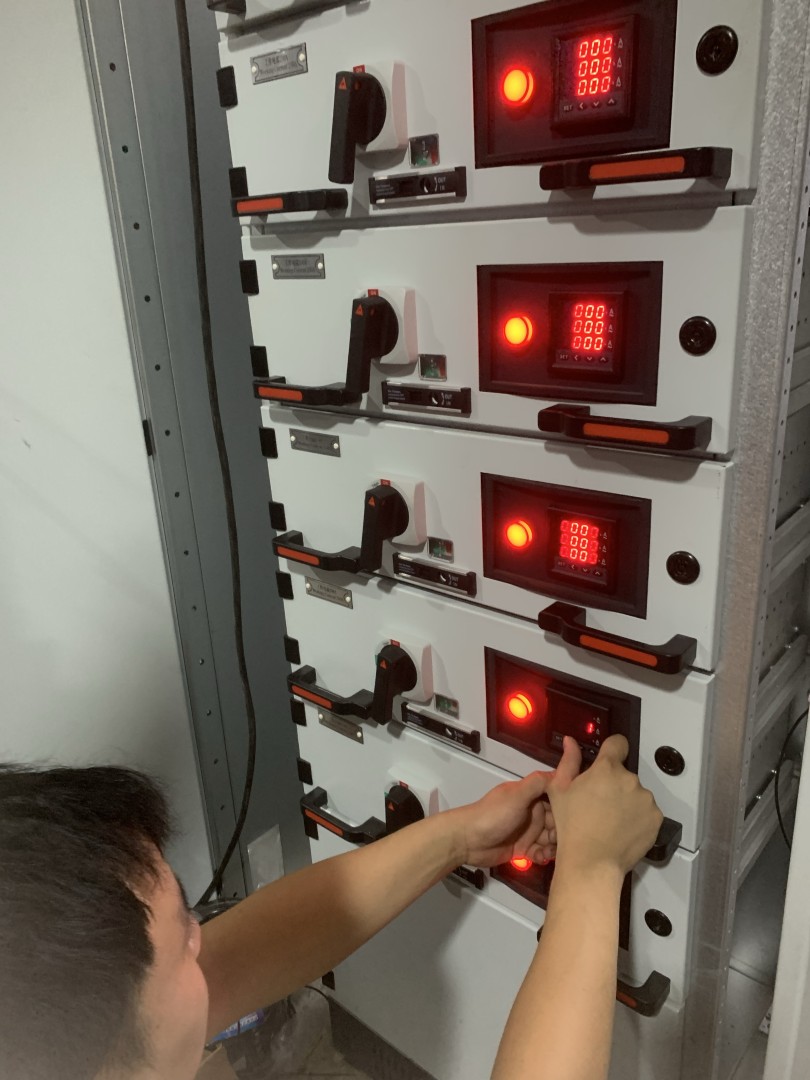
Standards and Compliance for Industrial Electrical Panels
Compliance is not optional. World Bank and AfDB-funded projects in Uganda, Kenya, and Angola require documented conformance to international standards.
Standard | Scope |
|---|---|
Low voltage switchgear and controlgear assemblies | |
IEC 60947-4-1 | Contactors and motor starters |
NEMA ICS 18 | Motor control centers (North American market reference) |
ERA Uganda grid code | Connection requirements for Uganda |
EPRA Kenya regulations | Grid connection and safety requirements for Kenya |
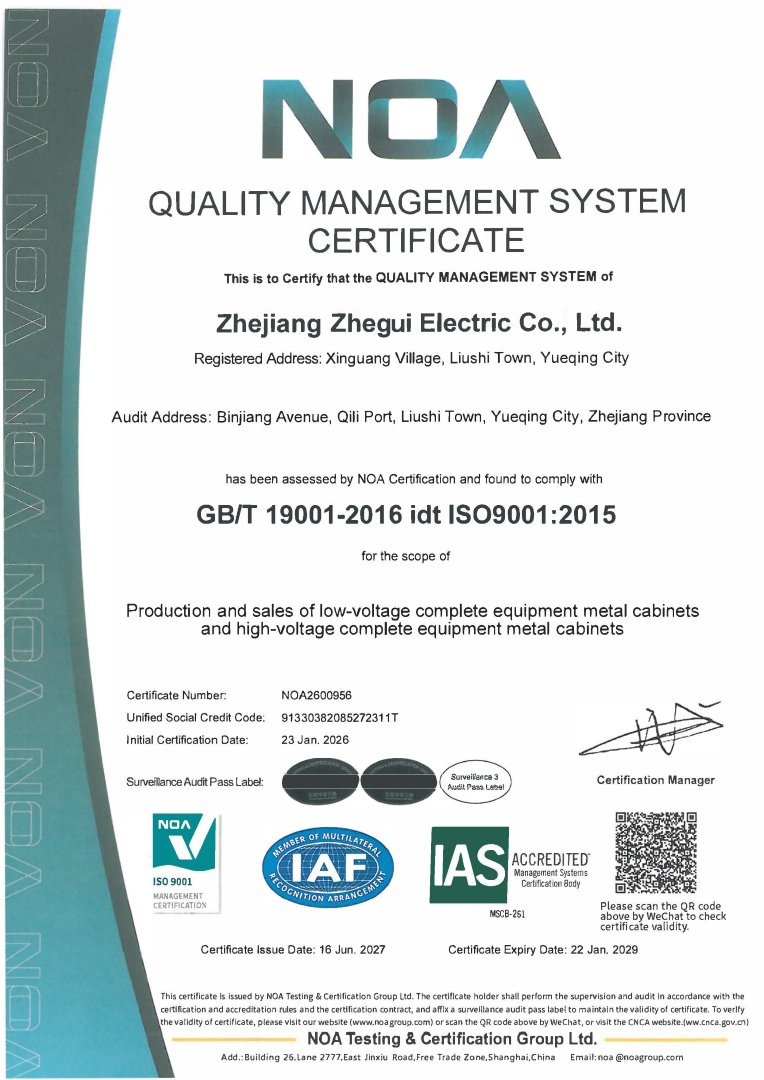
A qualified control panel design company holds ISO 9001 certification and can provide IEC 61439 type test certificates on request. Third-party inspection by SGS or Bureau Veritas is common on large infrastructure projects.
Why Africa's Industrial Growth Is Driving Demand for Custom Control Panels
East and Southern Africa are investing heavily in manufacturing, mining, and utilities. The World Bank estimates that sub-Saharan Africa needs USD 90 billion per year in energy infrastructure investment. This creates strong demand for properly specified industrial electrical panels.
In Uganda, the rapid expansion of agro-processing factories and textile mills requires reliable motor control. In Kenya, water utilities and manufacturing zones need MCCs that can handle ambient temperatures above 35°C. In Angola, mining and oil-and-gas facilities require explosion-proof or high-IP-rated enclosures.
A power factor correction panel is often specified alongside an MCC to offset the reactive power generated by multiple motors. This combination reduces utility penalties and improves system efficiency.
Choosing the Right Electrical Panel Builder
The difference between a competent electrical panel builder and a poor one shows up in years three to seven of panel operation — not on day one.
Look for these qualifications:
IEC 61439 type test certificates — not just declarations of conformity
ISO 9001-certified manufacturing — consistent process control
First-tier components — ABB, Schneider, Siemens, or equivalent
Busbar derating for tropical climates — panels built to Chinese or European ambient temperatures will overheat in Africa
Proven African project experience — references from Uganda, Kenya, or Angola
Full documentation package — as-built drawings, FAT reports, spare parts list
Giantele (Zhejiang Zhegui Electric Co., Ltd.) has supplied custom industrial control panels to industrial buyers in Uganda, Kenya, and Angola. Our in-house engineering team handles custom control panel design, fabrication, FAT, and export documentation end to end.
FAQ
Q: What is the difference between an MCC and a distribution board? An MCC contains motor starters, contactors, and overload relays for motor protection and control. A distribution board contains circuit breakers for distributing power to multiple branch circuits — lighting, sockets, and non-motor loads. Some custom control panels combine both functions.
Q: Can a motor control center support PLC integration? Yes. Modern industrial electrical panels include DIN rails, terminal blocks, and cable ducts for PLC, HMI, and communication module mounting. The control panel design company must know the PLC brand and I/O count at the drawing stage.
Q: What IP rating do I need for an outdoor MCC in Uganda or Kenya? For outdoor or semi-outdoor sites in tropical climates, IP55 is the minimum. Dust ingress above IP5X and water jet protection at level 5 are required. Some mining sites specify IP65. Confirm with your electrical panel builder before finalizing the design.
Q: How long does electrical panel fabrication take? For a standard MCC with ten to twenty starters, allow eight to twelve weeks from drawing approval. Complex panels with PLC integration, special protection relays, or large busbar ratings may take twelve to sixteen weeks.
Q: Does Giantele provide after-sales support for exported panels? Yes. We supply as-built drawings, wiring diagrams, FAT reports, component datasheets, and a recommended spare parts list with every panel. Remote technical support is available via email and video call.
Conclusion
Custom control panels built around a properly designed MCC protect every motor in your facility and reduce downtime. From the incoming busbar to the individual starter bucket, every component matters. So does the manufacturing process — from drawing approval through FAT to export packing. Choose an electrical panel builder with IEC 61439 compliance, ISO 9001 certification, and real experience in African site conditions.
Ready to specify your next custom control panel? Contact Giantele with your motor schedule and site data. We will deliver a technical proposal within 48 hours.