
Views: 0 Author: Colin Publish Time: 2026-05-25 Origin: Site
Control panels are the nerve center of any industrial facility. Whether you run a factory in Kampala, a water treatment plant in Nairobi, or a mining operation in Luanda, your entire electrical system depends on electrical control panels that are correctly designed and built.
The problem most buyers face is not technical. It is finding control panel manufacturers who understand your specific load requirements, local regulations, and project timelines. A wrong choice leads to repeated breakdowns, failed inspections, and production losses that are hard to recover from.
This guide walks you through what industrial control panels do, what separates a competent panel builder from an average one, and what questions to ask before you sign any purchase order.
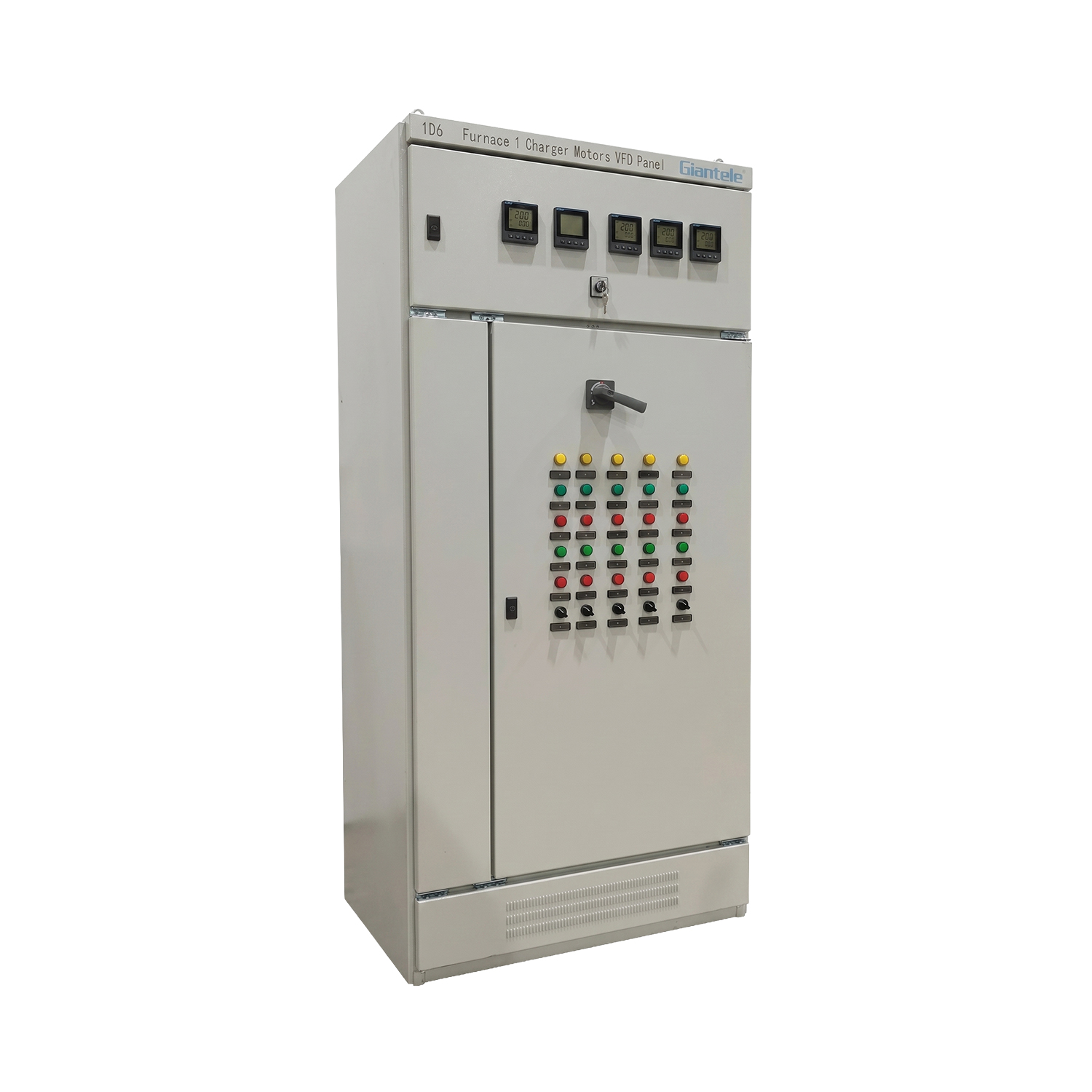
A control panel is an enclosure that houses switchgear, protection devices, control components, and monitoring equipment. Together, these components start, stop, protect, and monitor electrical loads across a facility.
In a cement plant, control panels manage kiln drives, conveyor motors, and dust collectors. In a water utility, they control pump stations and flow meters. In a textile mill, they regulate variable-speed drives and heating elements.
The panel does three things: it distributes power to the right loads, it protects equipment from faults like overcurrent and short circuits, and it gives operators a safe interface to control the system. When any of these functions fail, the entire production line can stop.
This is why the choice of electrical panel manufacturers matters more than most buyers realize during the early planning stage.
Not all electrical control panels are the same. The type you need depends on your process, your load profile, and the level of automation your facility requires.
An MCC consolidates all motor starter circuits into one enclosure. Each feeder gets its own compartment with a breaker, contactor, overload relay, and control terminals. This layout simplifies maintenance: one motor circuit can be isolated and serviced without shutting down the entire panel.
MCCs are common in water treatment plants, food processing facilities, and mining sites across East and Southern Africa.
A power distribution board receives the incoming supply from the main transformer or utility feed and distributes it to sub-circuits and downstream panels. It handles the first layer of protection in most industrial facilities.
Variable frequency drive (VFD) panels control motor speed for processes that need flow or pressure regulation. Automatic transfer switch (ATS) panels switch loads to a generator or backup supply when the utility fails. Both are specialized panels that require careful sizing and programming.
Many projects need custom industrial control panels tailored to a specific process. A fish processing plant in Angola may need a combination of motor control, temperature monitoring, and PLC integration in one enclosure. Standard catalogue panels rarely cover this.
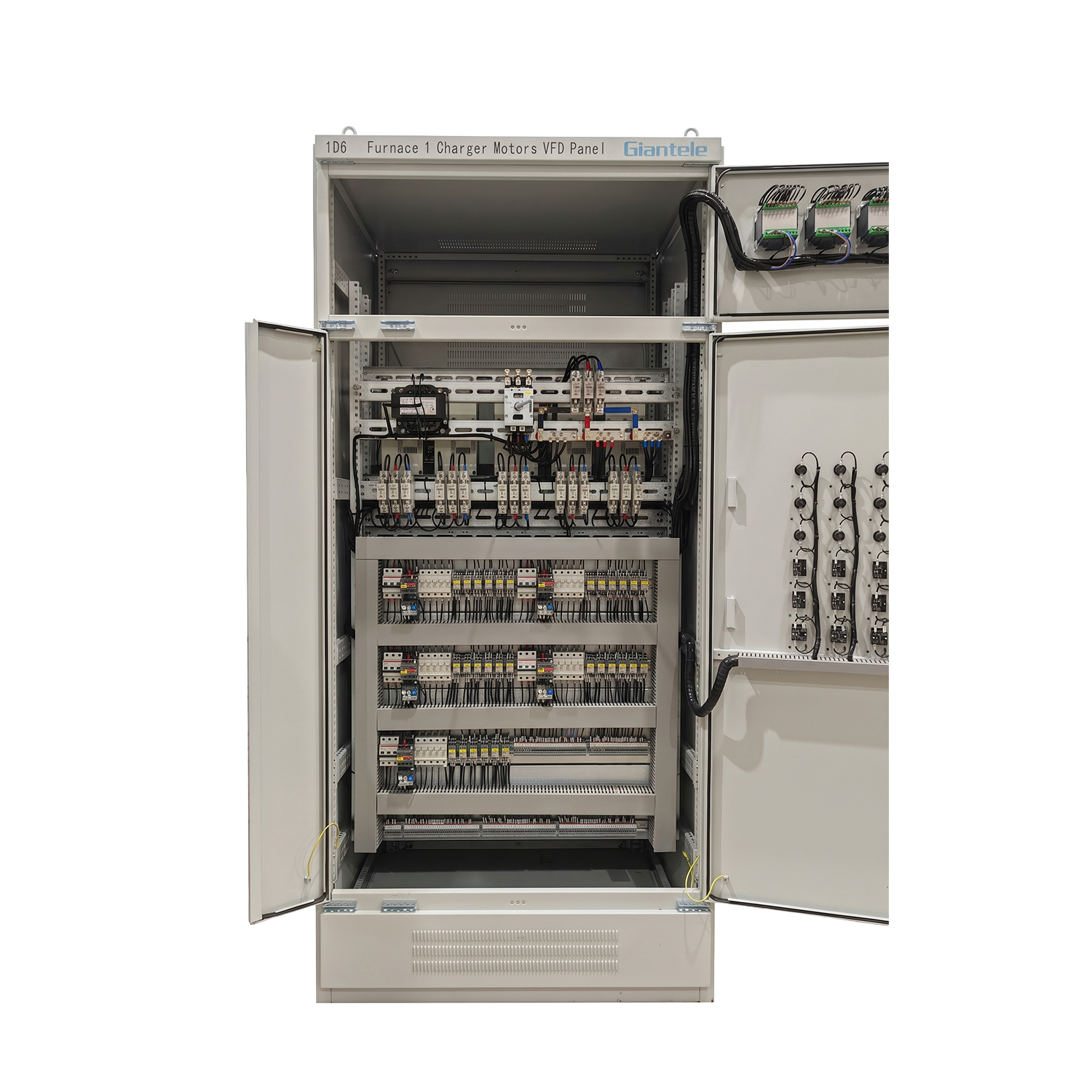
The difference between a competent panel builder and one who cuts corners shows up in the details. Here are the areas that matter most.
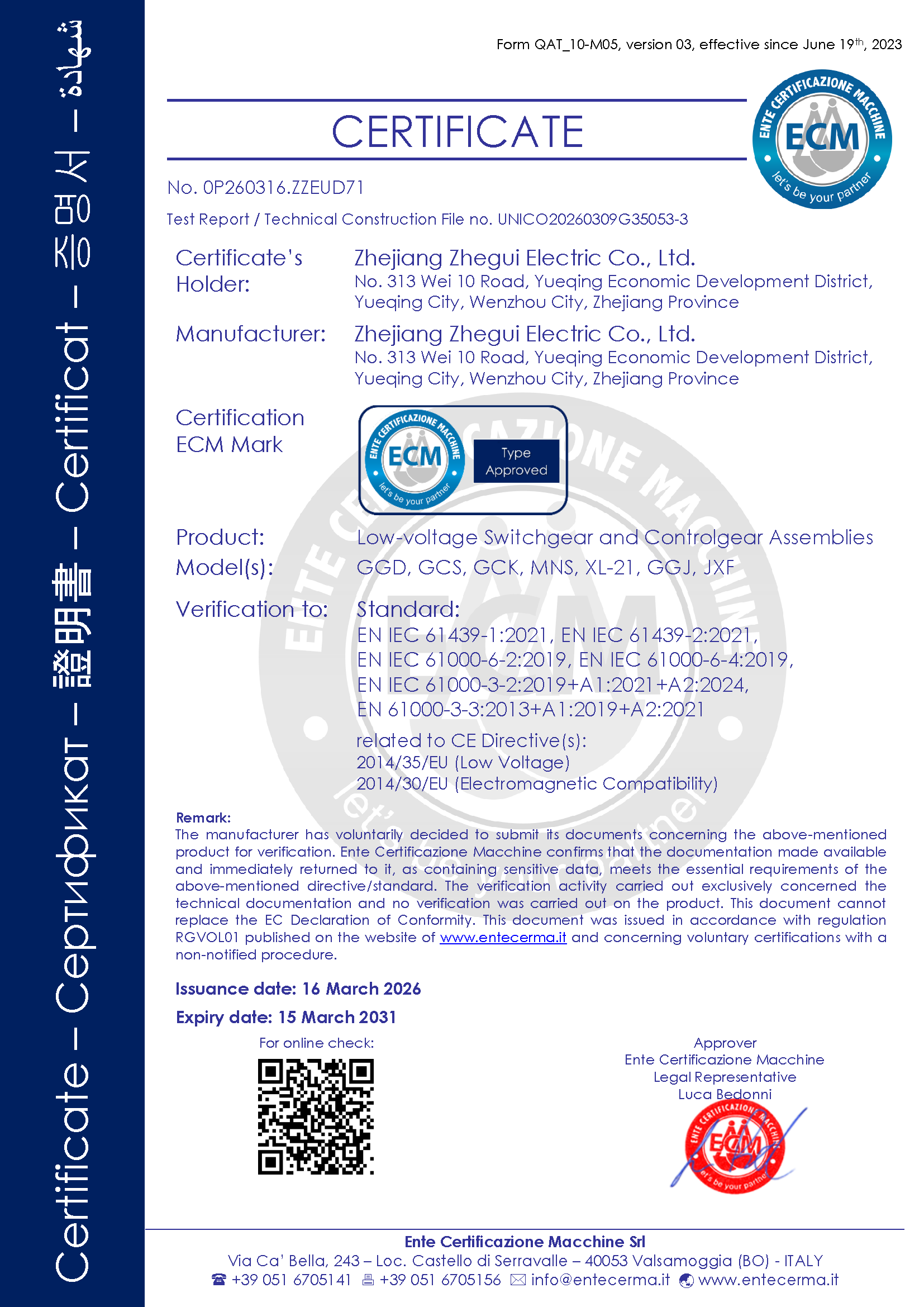
IEC 61439 is the international standard for low-voltage switchgear and controlgear assemblies. It defines requirements for temperature rise, short-circuit withstand, and clearance distances. Any panel destined for a World Bank-funded or AfDB-financed project in Uganda or Kenya must meet this standard.
Ask electrical panel manufacturers whether their panels are type-tested or verified by calculation. Type-tested panels carry more weight during project inspections because the testing is done on a physical prototype, not derived from formulas.
A panel is only as reliable as its weakest component. Reputable electrical panel builders specify major brands for critical components: ABB, Schneider Electric, Siemens, or Chint for breakers; Delixi or LS for contactors. Ask for a bill of materials before you commit.
Some manufacturers use generic components to cut costs and then switch to branded ones only in the photos. Ask to visit the factory or request third-party inspection before shipment.
Undersized busbars are a leading cause of panel failures in hot climates. In Uganda, Kenya, and Angola, ambient temperatures regularly exceed 35°C. A panel built to European ambient assumptions will run hotter than rated, accelerating insulation degradation and connection failures.
Competent panel builders derate their busbar ratings for local ambient conditions or use oversized busbars from the start.

Use this checklist when evaluating any supplier of custom industrial control panels:
Specification | What to verify |
|---|---|
Rated voltage | 380V / 400V / 415V depending on your local grid |
Rated current | Match to your total connected load plus a 20-30% margin |
IP rating | IP54 minimum for dusty industrial environments; IP65 for outdoor or wet areas |
Short-circuit withstand (Icu/Icw) | Should match the fault level at your incomer |
Standards compliance | IEC 61439-1, IEC 61439-2 for LV switchgear |
Enclosure material | 2mm cold-rolled steel minimum; 1.5mm is often used to reduce cost |
Busbar material | Copper preferred; aluminum only if clearly rated for the application |
Cable entry | Bottom or top entry; confirm gland plate sizing early |
Do not accept vague answers on any of these points. A professional control panel manufacturer will have this data in a project-specific technical submittal document.
Projects in Uganda, Kenya, and Angola increasingly follow international procurement standards because they are funded by the World Bank, AfDB, or European development finance institutions. This means:
Panels must meet IEC 61439 or equivalent
Factory acceptance tests (FAT) are usually required before shipment
Third-party inspection certificates from SGS, Bureau Veritas, or TUV may be mandatory
Documentation packages must include test reports, cable schedules, and single-line diagrams
For EPC contractors working on these projects, this creates a real qualification barrier. Not every electrical panel manufacturer in the market can produce the documentation package that international project auditors demand.
The ERA Uganda and EPRA Kenya also publish grid connection requirements that affect panel specifications, particularly regarding metering, isolation, and fault protection. Check these requirements before finalizing your design.
Finding a reliable supplier takes more than a Google search and a price comparison. Here is a practical process:
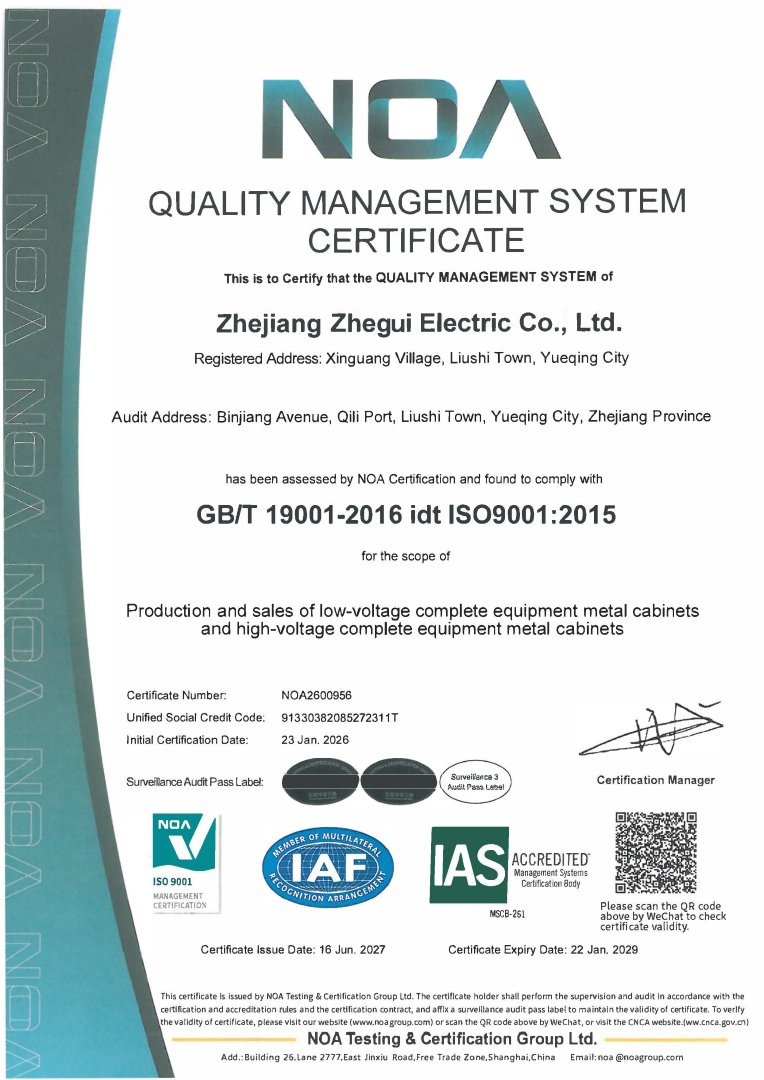
Step 1: Check certifications. ISO 9001 is the baseline. It does not guarantee panel quality on its own, but it shows the factory has documented processes for design, production, and inspection.
Step 2: Ask for project references in Africa. A factory that has shipped to Uganda, Kenya, or Angola before will understand export documentation, incoterms, and local voltage standards. One that has not may create problems at customs or during commissioning.
Step 3: Request a technical submittal before order placement. A serious electrical panel supplier will prepare a project-specific drawing package: single-line diagrams, panel general arrangement drawings, and a bill of materials with brand and model numbers.
Step 4: Clarify lead times and payment terms. Production time for custom panels typically runs 6-12 weeks after drawing approval. If a manufacturer quotes 3 weeks for a complex custom design, that is a red flag.
Step 5: Plan for after-sales support. Panels in Africa sometimes need spare parts or on-site support years after installation. Ask whether the manufacturer stocks spare components and whether they can provide remote technical assistance.
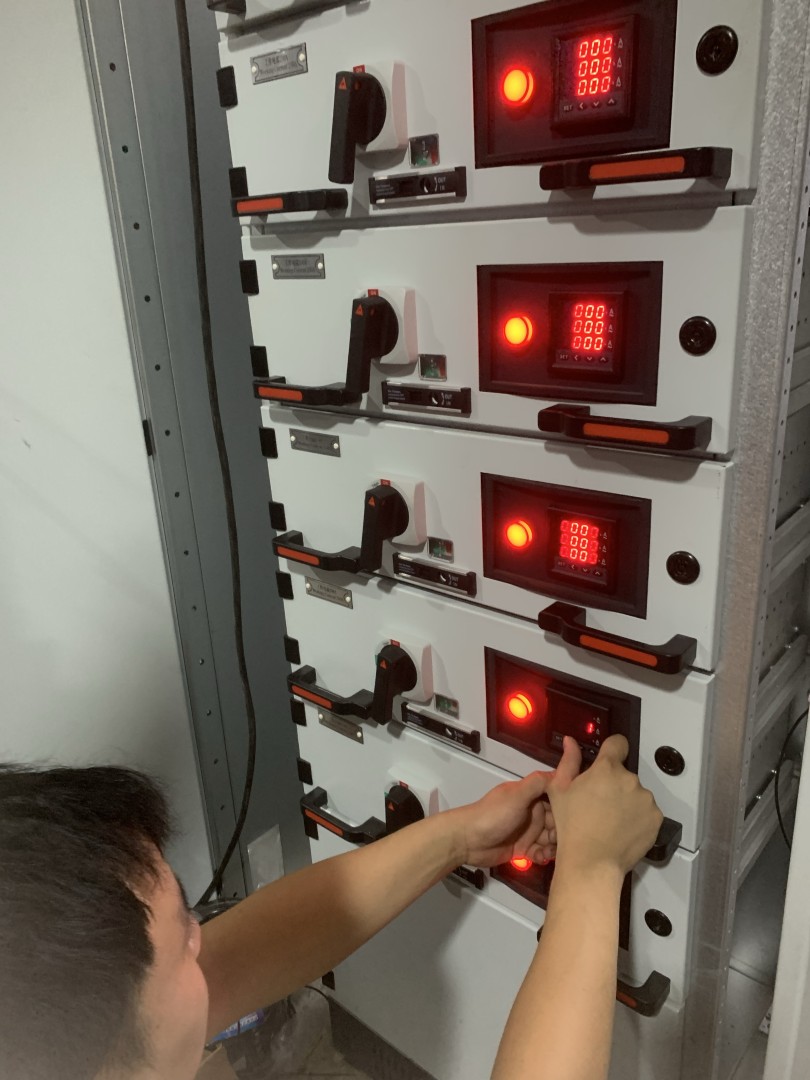
When you place an order for custom industrial control panels, the process should follow a defined sequence:
Technical review — You submit your load schedule, single-line diagram, and any project specifications. The manufacturer reviews and asks clarification questions.
Design and drawing submission — The manufacturer prepares panel drawings for your approval. This stage often takes 1-2 weeks.
Drawing approval — You review and approve the drawings. Any changes at this stage add time, so get your engineering team involved early.
Production — The panel is built, wired, and labeled according to the approved drawings.
Factory acceptance test — The panel is tested for continuity, insulation resistance, functional operation, and protective device settings. You or your representative can witness this.
Shipment — The panel is packed, documented, and shipped. For East Africa, expect 4-6 weeks sea freight from China.
The NEMA and IEC both publish standards for testing procedures. Ask your supplier which test standard they follow and request the test report before they pack the panel.
Poor panel quality does not save money. It transfers cost to later stages of the project. Here is how it typically plays out:
A buyer chooses a cheaper electrical panel supplier to save 15% on procurement. The panels arrive without proper documentation, fail the site inspection, and need modifications. The modifications take three weeks and cost more than the original savings. The project commissioning delays cause penalty clauses with the end client.
This pattern is common enough in African industrial projects that experienced EPC project managers now factor supplier quality into their risk registers, not just their cost estimates.
The right control panel manufacturers deliver on time, with complete documentation, and with panels that pass inspection on the first attempt.
Q: What is the difference between a control panel and a distribution board? A: A control panel typically includes control devices like contactors, relays, and PLCs in addition to protection equipment. A distribution board mainly handles power distribution and protection, without motor control or automation components.
Q: How long does it take to manufacture custom industrial control panels? A: Standard lead time is 6-12 weeks after drawing approval, depending on complexity and component availability. Simple feeder pillars can be done in 3-4 weeks. Large intelligent MCCs with PLC integration can take 14-16 weeks.
Q: Can electrical panel manufacturers supply single-phase panels for smaller facilities? A: Yes. Most manufacturers handle both three-phase industrial panels and single-phase sub-distribution boards for smaller commercial or agricultural applications.
Q: What warranty should I expect from a control panel builder? A: Twelve months from commissioning or 18 months from shipment, whichever comes first, is a standard commercial warranty. Some manufacturers offer extended coverage on specific components.
Q: Do African projects require local certification for control panels? A: Uganda's ERA and Kenya's EPRA have grid connection requirements, and some projects require UNBS or KEBS conformity assessments. Check the specific project requirements early, as post-manufacture modifications are expensive.
Control panels are not a commodity purchase. The quality of your electrical control panels determines how reliably your facility runs for the next 10-20 years. Choosing the right control panel manufacturers, verifying their technical capability, and demanding proper documentation at every stage are the steps that protect your project and your client relationship.
At Giantele (Zhejiang Zhegui Electric Co., Ltd.), we build IEC 61439-compliant low voltage switchgear and industrial control panels for mining, utilities, manufacturing, and EPC projects across Uganda, Kenya, and Angola. Our team provides technical submittals, factory acceptance tests, and full documentation packages.
If you are specifying a project or comparing electrical panel suppliers right now, contact us at giant-electric.com/contactus.html for a technical proposal and pricing.


