


Introduction
A motor control center panel is the backbone of any industrial electrical system. It gives you centralized control over all your motors — from pumps and conveyors to compressors and fans. The right MCC panel keeps your production running and your workers safe.
This guide covers everything you need. It explains what an electrical motor control center does, what it costs, and how to find reliable motor control center suppliers. Read on and make a confident purchasing decision.
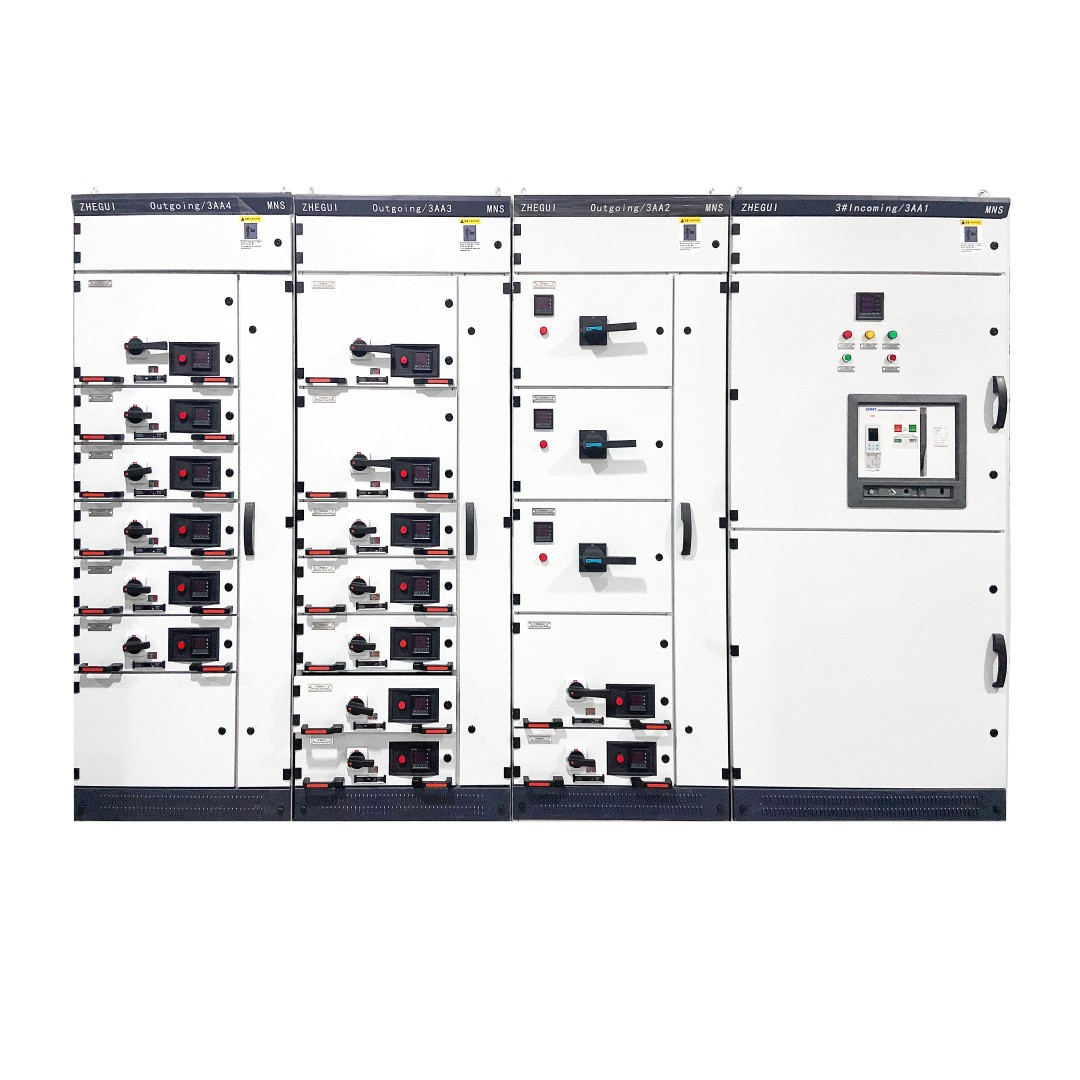
What Is a Motor Control Center Panel?
A motor control center panel houses starters, breakers, drives, and control devices for multiple motors. Instead of wiring each motor separately, you bring all control into a single motor control cabinet. This reduces installation time and makes maintenance far easier.
The global MCC market was valued at USD 6.57 billion in 2025. It is projected to reach USD 12.91 billion by 2034, growing at a CAGR of over 8%. This growth reflects the critical role MCCs play in modern industry (Fortune Business Insights).
Many factories pair their MCC panel with a power distribution board to manage both motor feeders and branch lighting circuits from a coordinated system.
Key Components of an MCC Panel
Every MCC panel shares a common set of components. Understanding them helps you specify the right unit.
| Component | Function |
|---|---|
| Incoming busbar | Distributes main power across all sections |
| Motor control center bucket | Individual withdrawable unit per motor circuit |
| Motor starters (DOL, Star-Delta, Soft Starter) | Controls starting current and torque |
| Circuit breakers / fuses | Overcurrent and short-circuit protection |
| Contactors | Switches the motor on and off under load |
| Overload relays | Protects motors from thermal damage |
| PLC / control interface (optional) | Enables remote and automated control |
| Metering instruments | Monitors voltage, current, and power |
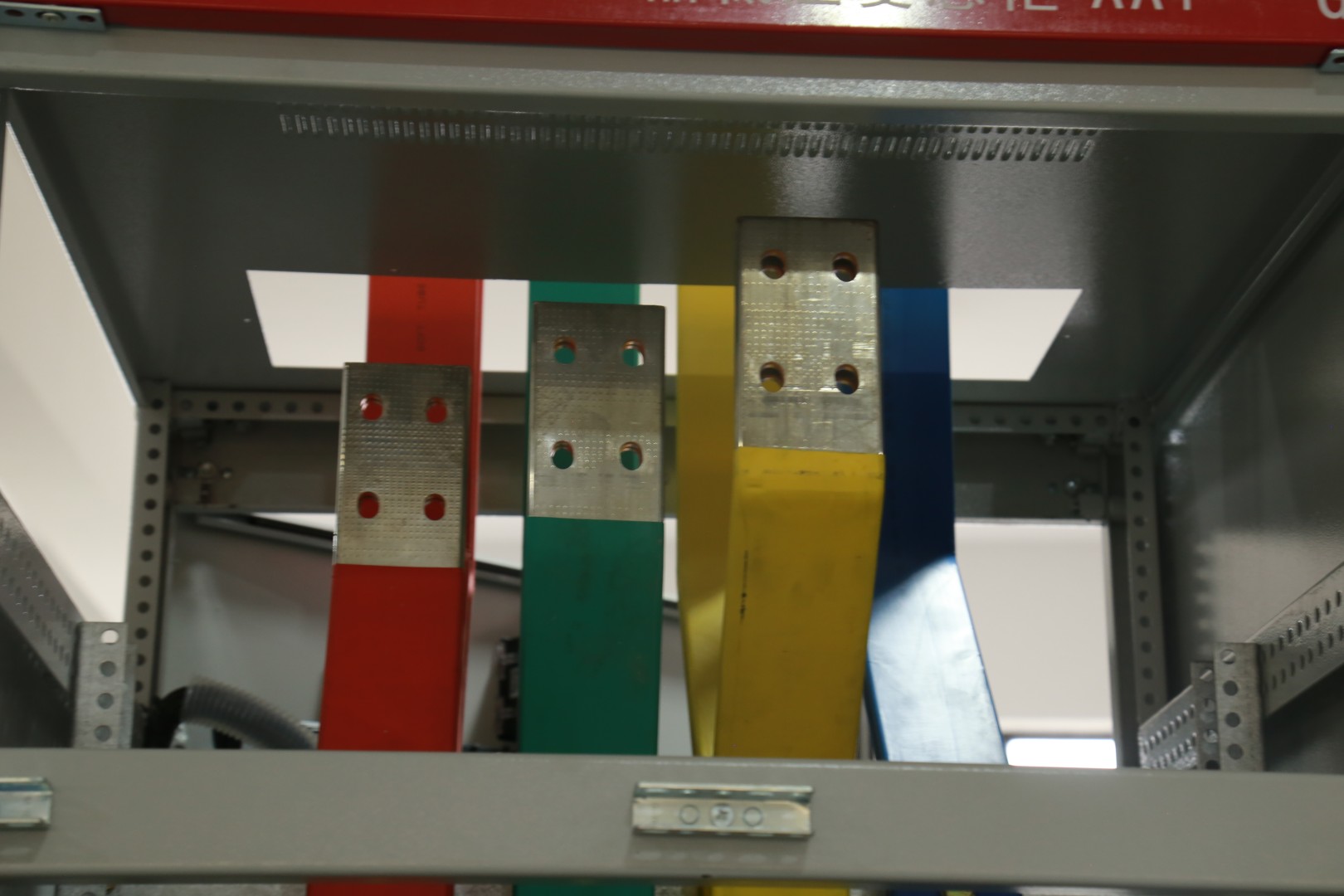
Each motor control center bucket is a self-contained, plug-in unit. You can add, replace, or remove a bucket without shutting down the whole panel.
This modularity is one of the biggest practical advantages of an electrical motor control center over conventional motor distribution boards.
Types of Motor Control Center Panels
Choosing the right type of motor control cabinet depends on your application, budget, and maintenance capability.
Fixed-Type MCC Panel
All components are permanently mounted inside the cubicle. Fixed-type MCCs are simpler and lower in cost. They suit applications where planned shutdowns are acceptable.
Withdrawable MCC Panel (Draw-Out Type)
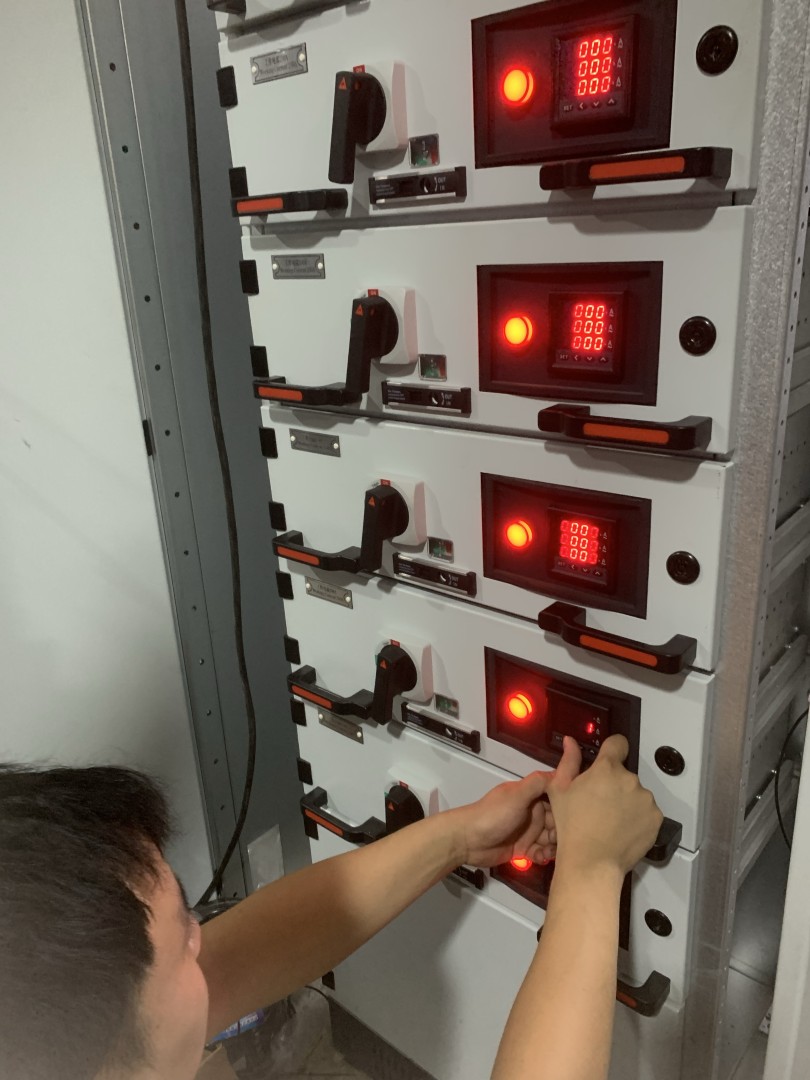
Each motor control center bucket slides in and out on rails. You can service one circuit while the rest of the panel stays live. This type suits critical processes where uptime is non-negotiable. Examples include water treatment, hospitals, and continuous manufacturing lines.
Intelligent / Smart MCC Panel
Intelligent MCCs integrate communication protocols like Modbus, Profibus, or Ethernet/IP. So you get real-time motor diagnostics, remote trip resets, and predictive maintenance data. This is the direction the industry is moving, and it delivers strong ROI in large installations.
MCC Panel Specifications to Check Before Buying
When you talk to motor control center manufacturers, always confirm these specifications:
Rated voltage: Typically 380 V, 400 V, or 415 V (50 Hz) for most African markets
Rated current: From 630 A to 4000 A for the main busbar
Protection degree: IP42 minimum indoors; IP54 for dusty or humid environments
Short-circuit withstand rating (Icw): Must match your site's fault level
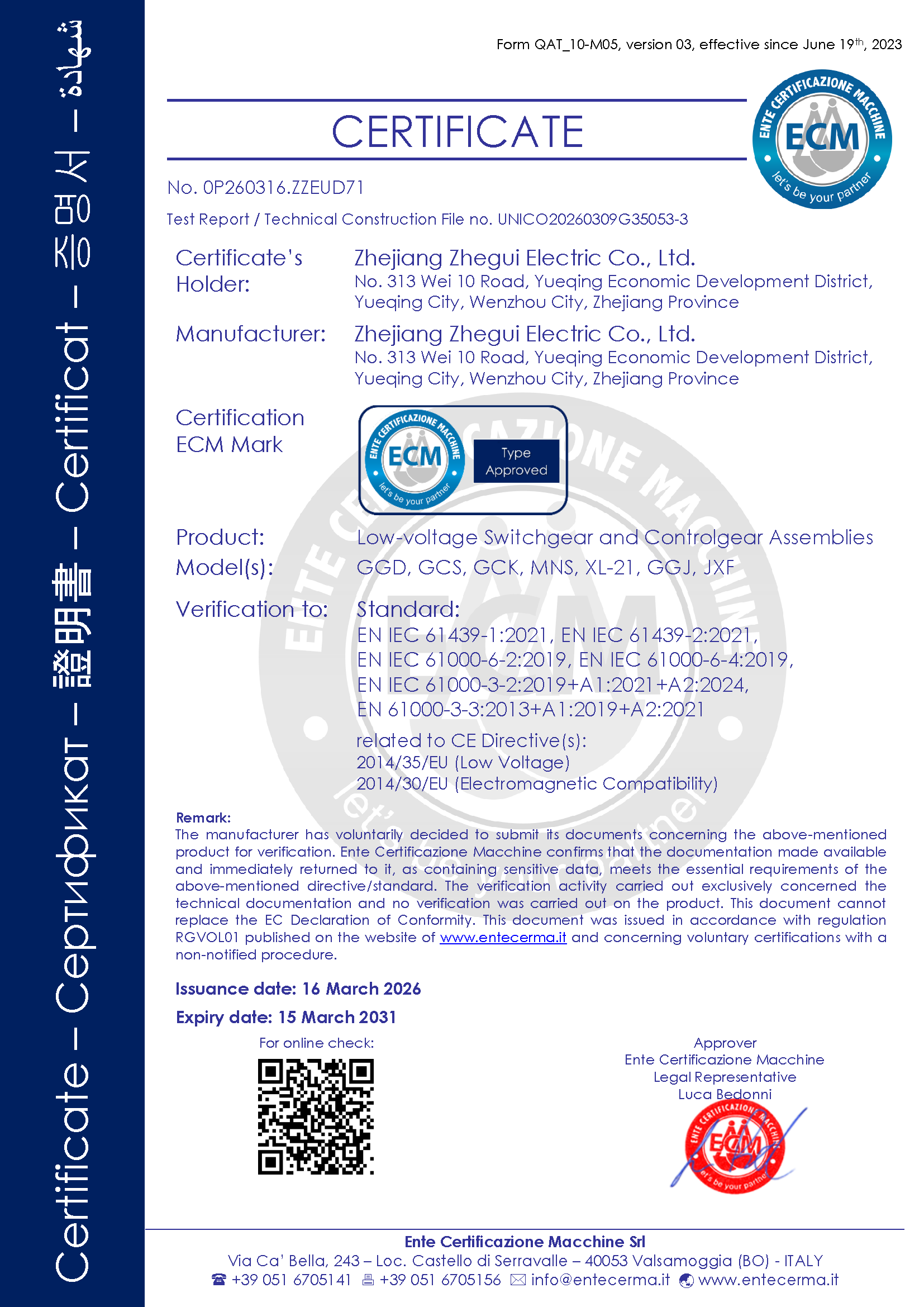
Standards compliance: IEC 61439-1 & IEC 61439-2 (Low-voltage switchgear and controlgear assemblies)
Isolation class: Class I or Class II depending on earthing requirements
IEC 61439 is the international benchmark for MCC assemblies. ERA Uganda and EPRA Kenya both align their requirements with this standard.
If your project is financed by the African Development Bank (AfDB) or the World Bank, IEC compliance is mandatory.
An MCC panel is always part of a broader distribution system. The low voltage switchgear upstream must be rated to handle the full fault level of the installation.
Motor Control Center Cost: What to Expect
Motor control center cost varies widely based on size, type, and specification. Here is a realistic cost framework:
| Configuration | Typical Cost Range (USD) |
|---|---|
| Small MCC, fixed type, 4–8 buckets | $3,000 – $8,000 |
| Medium MCC, withdrawable, 8–16 buckets | $8,000 – $25,000 |
| Large MCC, smart/intelligent, 20+ buckets | $25,000 – $80,000+ |
| Custom MCC with VFD drives integrated | Add $1,500 – $5,000 per drive |
Key cost drivers include:
Number of motor control center buckets (more buckets = higher cost)
Starter type (DOL is cheapest; VFD is most expensive)
Enclosure rating (IP54 costs more than IP42)
Communication options (SCADA-ready panels carry a premium)
Busbar rating and copper weight
Local import duties and freight to site
Always request a detailed Bill of Materials (BOM) from MCC panel suppliers. This is the safest way to compare quotes on an equal basis.
Projects that include a VFD panel for variable-speed drives will cost more. But energy savings typically offset this within 18–36 months.
How to Select Motor Control Center Suppliers
The market has hundreds of motor control center manufacturers. Not all of them deliver the same quality. Use this checklist when evaluating motor control center suppliers:
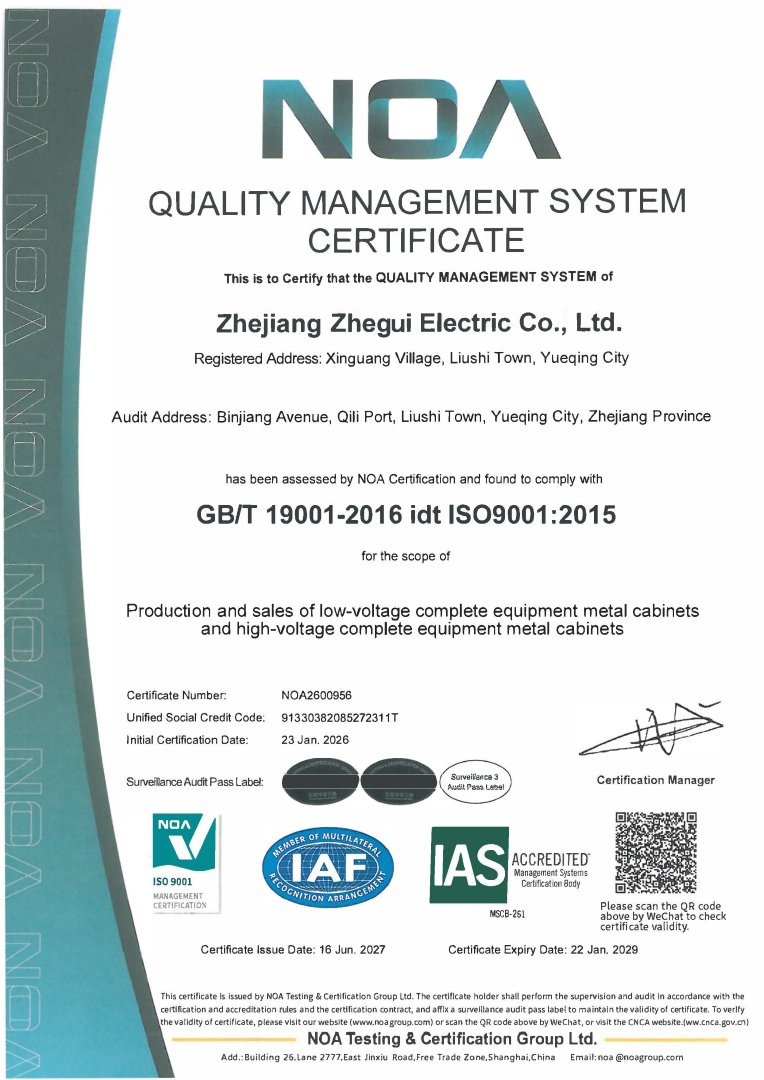
Factory certification: ISO 9001 for quality management; ask for type test reports per IEC 61439
Experience in your region: Suppliers with African project references understand local grid conditions, ambient temperatures (often 40°C+), and humidity levels
After-sales support: Who handles warranty claims? Are spare parts (contactors, overloads) readily available?
Customization capability: Can they build to your single-line diagram and cable entry requirements?
Lead time: Standard panels take 4–8 weeks; complex custom panels can take 12–16 weeks
Packing and shipping: Sea-worthy export packing, with clear labeling for customs clearance
As a dedicated motor control center manufacturer serving Africa, Giantele (Zhejiang Zhegui Electric Co., Ltd.) builds every motor control cabinet to IEC 61439 standards. Our panels are engineered for Uganda, Kenya, and Angola.
They feature enhanced IP ratings, tinned busbars, and tropical-grade insulation as standard.
Motor Control Center Buckets: A Closer Look
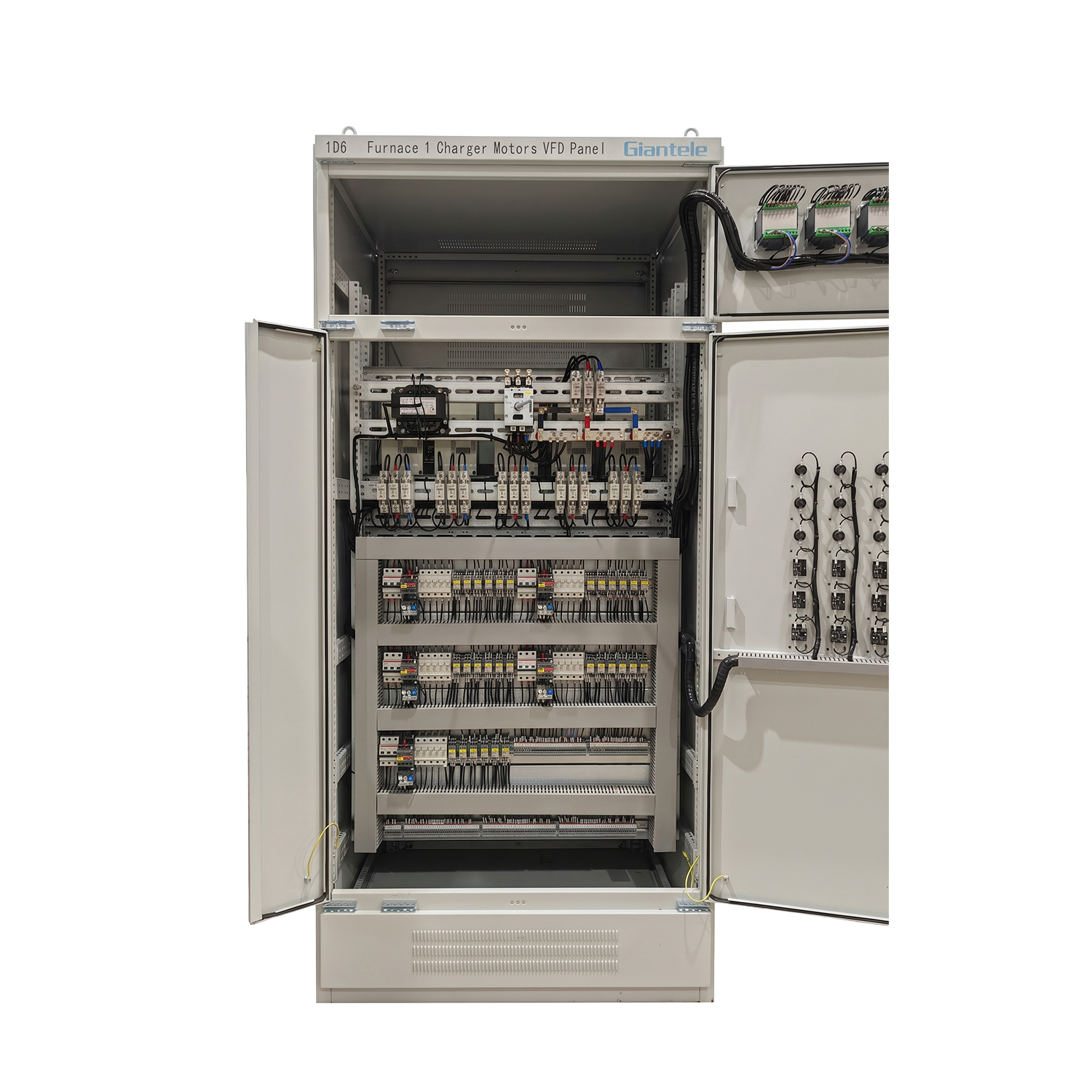
The motor control center bucket is the heart of any MCC system. Each bucket controls one motor circuit. Here is what a standard withdrawable bucket contains:
Molded case circuit breaker (MCCB) or fuse switch
Contactor rated for AC-3 or AC-4 duty
Thermal or electronic overload relay
Control circuit transformer (if required)
Terminal blocks for power and control cables
Mechanical interlocks to prevent unsafe withdrawal under load
You can mix bucket sizes in a single column. Small 6–30 kW buckets occupy less vertical space, so one column can hold many circuits. Large 75–400 kW buckets need full-height compartments.
A good motor control center manufacturer will optimize the layout to minimize the overall panel footprint.
Large installations often pair an automatic power factor correction panel with the MCC. This compensates the reactive power from multiple motors running at the same time.
MCC Panel Applications in African Industries
The demand for MCC panels in Sub-Saharan Africa is growing fast. Industrial growth in Uganda, Kenya, and Angola is driving investment in manufacturing, mining, and energy infrastructure.
Typical applications include:
Mining and quarrying: Crushers, ball mills, conveyor drives, slurry pumps — all need reliable motor control center panels with high short-circuit ratings
Water and wastewater: Pump stations, aeration blowers, and dewatering systems depend on smart electrical motor control centers for remote monitoring
Agro-processing: Milling, cold storage, and bottling plants run multiple motors simultaneously — an MCC panel keeps them all coordinated
EPC projects: Engineering, Procurement, and Construction firms in East Africa specify IEC-compliant motor control cabinets on every medium-to-large industrial project — often alongside medium voltage switchgear at the upstream distribution level
Manufacturing: Textile, cement, and food processing plants in Kenya and Uganda use MCCs to manage production lines efficiently
The AfDB actively funds industrial electrification projects across the continent. These projects consistently specify IEC-compliant motor control center panels as a requirement.
The World Bank confirms the rapid expansion of industrial power networks across Sub-Saharan Africa.
Installation and Commissioning Tips
Getting the installation right protects your investment and avoids costly downtime.
Cable segregation: Keep power cables and control cables in separate ducts inside the panel and in the cable trench
Earthing: All enclosures and structural steelwork must be bonded to a common earth bar — per IEC 60364 and local ERA/EPRA requirements
Ventilation: Allow at least 300 mm clearance above and 600 mm in front of the panel for airflow and maintenance access
Commissioning checks: Before energizing, verify bus connections, insulation resistance (minimum 1 MΩ), and correct phasing
Functional test: Test each motor control center bucket individually — check start, stop, and overload trip functions before connecting the motor
IEEE Standards and NEMA provide additional guidance on MCC installation and commissioning procedures.
Why Choose a Custom Motor Control Cabinet?
Off-the-shelf MCC panels rarely fit every project perfectly. A custom motor control cabinet from an experienced manufacturer gives you:
Exact dimensions to fit your available floor space
Cable entry from top or bottom as your layout requires
Pre-wired and factory-tested, reducing site labor and errors
Name-plate drawings and as-built schematics included
Optional SCADA integration and remote I/O modules
Custom does not always mean expensive. For projects with 10+ motors, a purpose-built motor control center panel often costs less than adapting a standard product. And it is far more reliable in service.
Some projects use a ring main unit at the MV level to feed the LV transformer. The transformer then supplies the MCC panel at the distribution level. This is common in high-rise buildings and commercial facilities.
Frequently Asked Questions
What is the difference between an MCC panel and a distribution board? A distribution board distributes power to branch circuits. An MCC panel controls and protects motor circuits specifically. It includes starters, overloads, and control logic. A standard distribution board does not.
Can one MCC panel control motors of different sizes? Yes. Each motor control center bucket is independently rated. One panel can hold a mix of 7.5 kW, 55 kW, and 200 kW motor circuits side by side.
How long does a quality MCC panel last? A well-maintained motor control cabinet from a reputable motor control center manufacturer will give 20–30 years of service. Busbars, contactors, and overload relays are all replaceable throughout the panel's life.
Do MCC panels need to comply with IEC 61439? Projects funded by AfDB, World Bank, or IFC require IEC 61439 compliance. Most commercial and industrial projects in Kenya, Uganda, and Angola do too. Always verify with your project engineer or EPC contractor.
Conclusion
A motor control center panel is not a commodity purchase. It is a long-term infrastructure investment. The right electrical motor control center, sourced from trusted motor control center suppliers, will protect your motors and cut maintenance costs.
Whether you need a compact MCC panel for a small factory or a large custom motor control cabinet for a mining or EPC project, Giantele can deliver. Contact us today for a detailed technical proposal and a competitive motor control center cost estimate.
Sources: Fortune Business Insights (2025), IEEE Standards, IEC 61439, AfDB, World Bank, ERA Uganda, EPRA Kenya.