

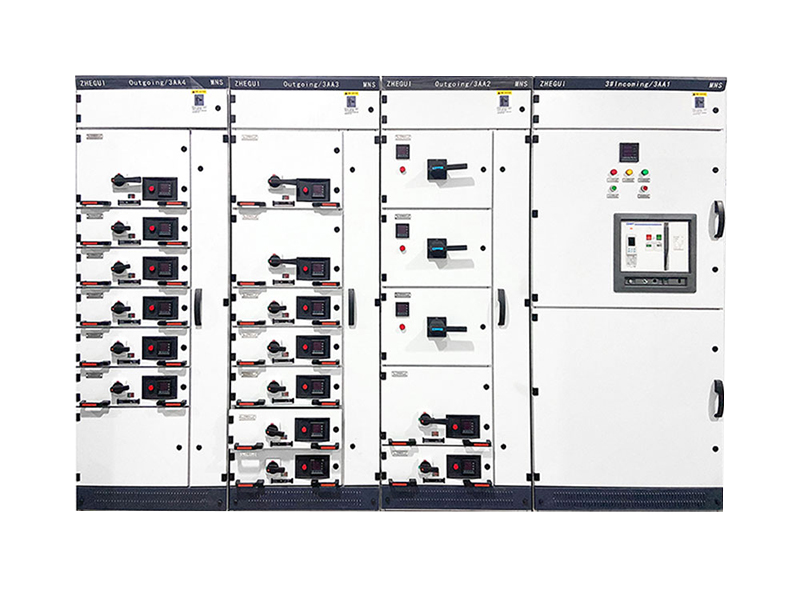
An industrial control panel is a steel enclosure that holds the electrical devices your factory needs to control motors, pumps, conveyors, and process lines. Think of it as the central command point for your equipment. An industrial control cabinet does the same job but often refers to a larger, floor-standing enclosure with more internal space for complex control systems.

Key components inside an industrial control panel
Every industrial control panel starts with a main circuit breaker or fused disconnect. This device cuts all power to the panel when you need to service it. Branch circuit breakers then split that power to individual loads.
Contactors and overload relays sit next in the chain. The contactor switches power to your motor. The overload relay watches the current and trips if the motor draws too much for too long. Together these two devices protect a 40-horsepower pump motor exactly as well as they protect a 5-horsepower conveyor drive.

A programmable logic controller (PLC) runs the logic. It reads input signals from sensors, limit switches, and pushbuttons, then sends output commands to contactors, valves, and indicator lights. You can reprogram it without rewiring the panel. That saves you money when your process changes six months after installation.
Terminal blocks, control transformers, and human-machine interface (HMI) screens round out the typical layout. The HMI gives your operator a touch screen to start pumps, adjust setpoints, and read alarm messages without opening the cabinet door.
Industrial control cabinet vs electric box cabinet: what sets them apart
An industrial control cabinet handles active control functions. It contains PLCs, contactors, relays, VFDs, and HMI screens that command your equipment. Think of it as the brain of your system.
An electric box cabinet, sometimes called an industrial electrical box, handles power distribution. It takes incoming supply and splits it across multiple outgoing circuits through breakers and busbars. A power distribution board follows the same principle at the building level, while a distribution box handles smaller branch circuits.
The physical difference matters for your project budget. A control cabinet costs more because it packs active electronics and needs more engineering hours to design and test. A distribution box costs less because it mostly contains passive components. But buying the cheapest option often backfires. A poorly built electric box cabinet with exposed busbars in a dusty cement plant will fail within months. You need the right enclosure for the right job.

Metal outdoor enclosure and outdoor metal enclosure box ratings
Your metal outdoor enclosure faces rain, dust, direct sun, and sometimes chemical spray. The rating stamped on the door tells you exactly what it handles.
Rating | Dust protection | Water protection | Best use |
|---|---|---|---|
IP54 | Partial dust | Splashing water | Indoor factory floor |
IP55 | Dust protected | Low-pressure water jets | Covered outdoor area |
IP65 | Dust tight | Water jets from any direction | Exposed outdoor wall mount |
IP66 | Dust tight | Powerful water jets | Mining wash-down areas |
NEMA 3R | Not rated | Rain, sleet | Outdoor, basic weather |
NEMA 4 | Not rated | Hose-directed water | Outdoor, industrial |
An outdoor metal enclosure box with IP65 or NEMA 4 rating uses a continuous gasket on the door and sealed cable glands on every entry point. Skip the gasket and your panel fills with dust within three months on a Ugandan construction site. Spend the extra 15 percent on a properly rated enclosure and your contactors last five years instead of two.
How to choose a weatherproof enclosure for your project
Pick a weatherproof enclosure based on three things: where you install it, what you put inside it, and how hot it gets.
Mounting location drives your IP rating. A panel bolted to an outdoor wall in Kampala needs IP65 minimum. The same panel inside an air-conditioned control room only needs IP54. You save money by matching the rating to the actual risk, not over-specifying.
Internal heat load drives ventilation. A metal outdoor enclosure with a 30kW VFD inside generates real heat. In the Angola sun, that enclosure hits 55 degrees Celsius without forced cooling. Add a filtered fan or an air-to-air heat exchanger. Your VFD manufacturer's warranty depends on it.
Material choice matters too. Mild steel with powder coating works for 90 percent of African industrial sites. Go to 304 stainless steel if your panel sits near a water treatment plant with chlorine gas. Go to 316 stainless for coastal installations within 500 meters of salt water. The extra cost buys you five to ten more years of service life.
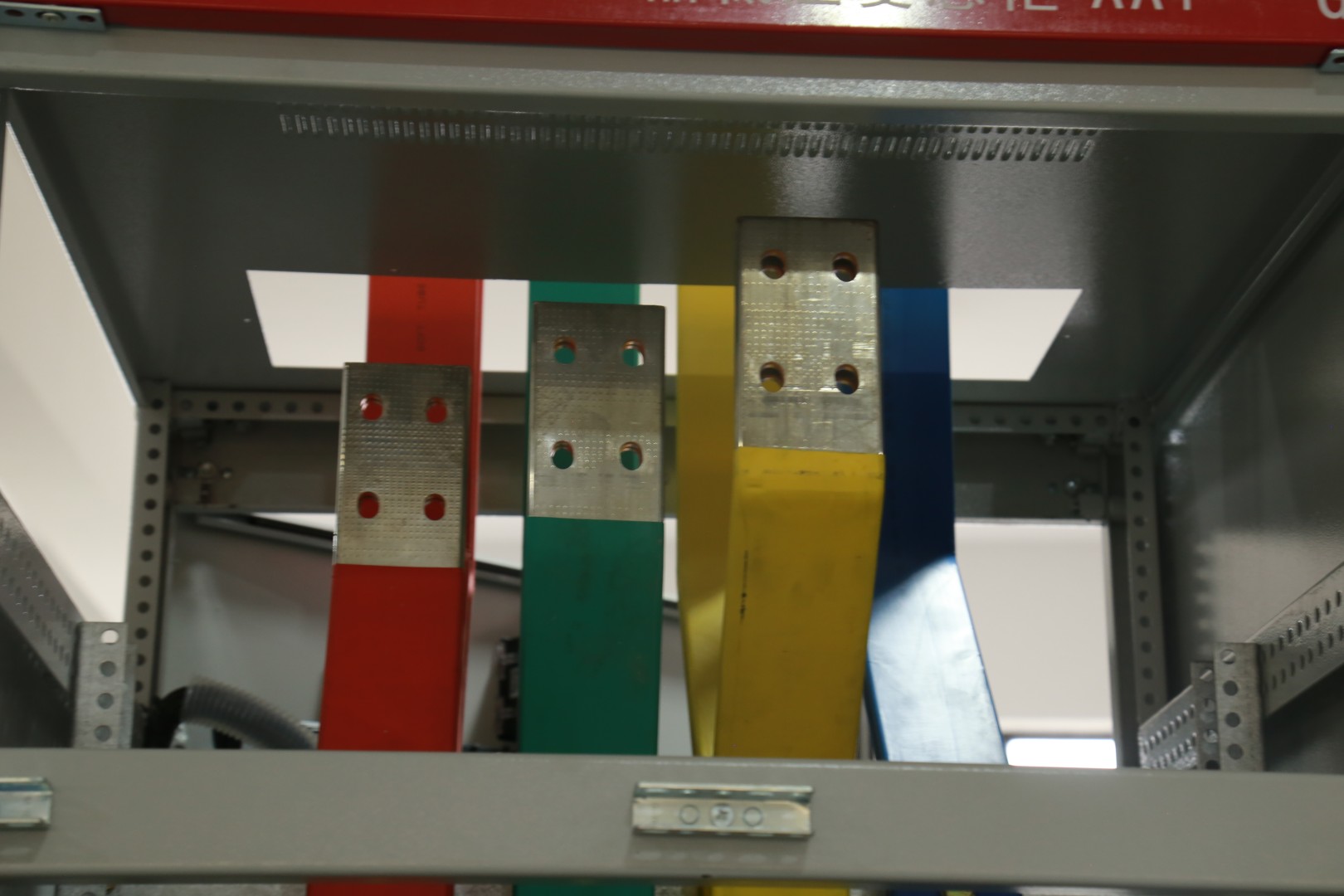
Industrial control devices inside an electrical control cabinet
An electrical control cabinet is only as reliable as the industrial control devices installed inside it. Three component choices make the biggest difference to your uptime:
Circuit breakers: Buy ABB, Schneider Electric, or Siemens. Generic breakers cost 40 percent less but nuisance-trip at 80 percent of rated current. That false trip shuts your production line for two hours while your electrician hunts for a fault that does not exist.
Contactors: Match the contactor's AC-3 rating to your motor's full-load current. A 37kW motor needs a contactor rated for at least 72 amps AC-3. Undersize it and the contacts weld shut within the first year.
PLC and HMI: Siemens S7-1200 and Siemens KTP series give you the best service network in East Africa. Parts and technical support arrive within days, not weeks.
Your custom industrial control panels supplier should provide a bill of materials with every brand and part number before they start building. No brand = no accountability. A supplier who hides component brands is cutting corners you will pay for later.
Standards an industrial control panel supplier must meet
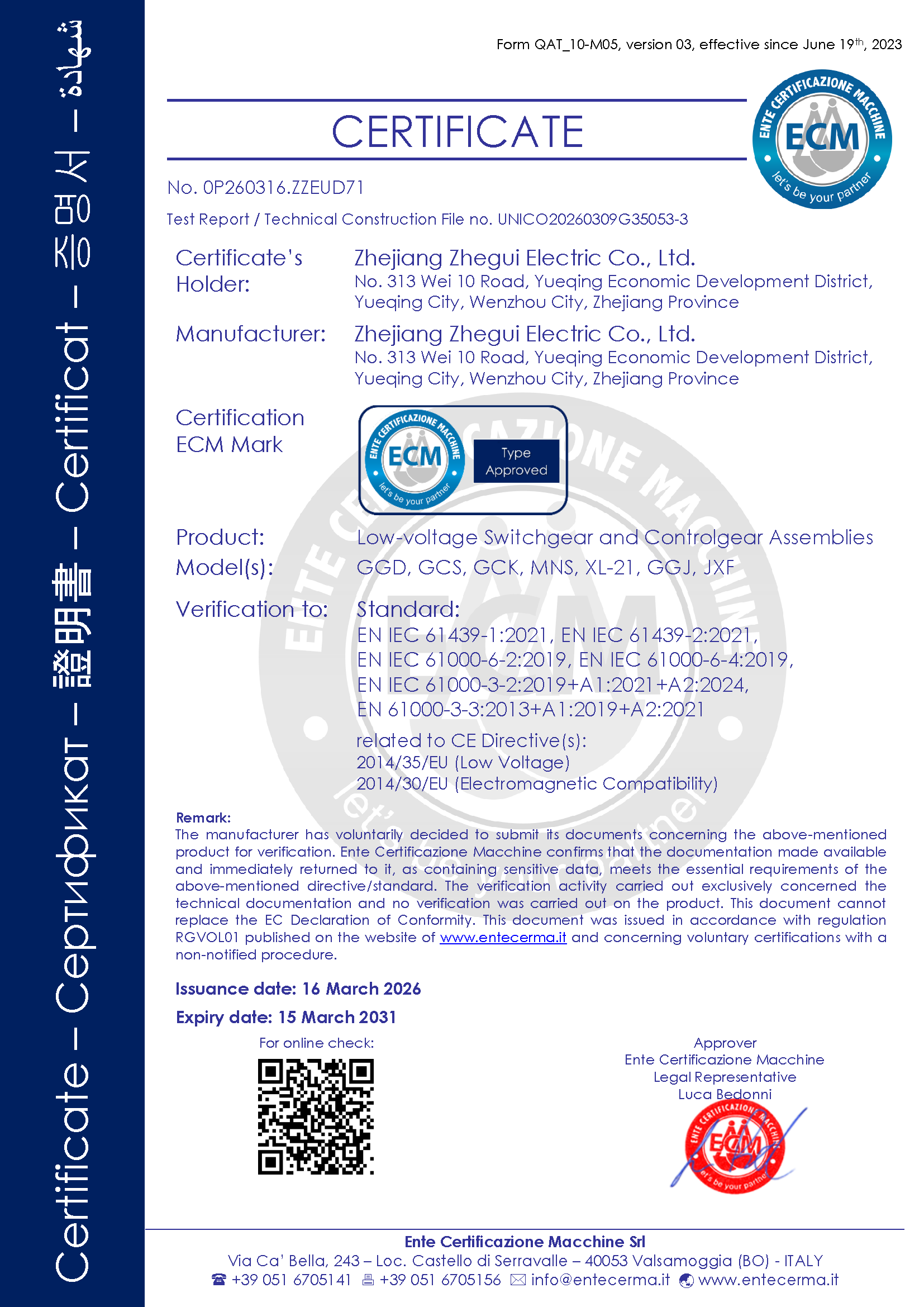
Your industrial control cabinet must comply with IEC 61439-1 and IEC 61439-2. These standards define the design verification and routine verification tests every panel must pass. Short-circuit withstand, temperature rise, dielectric strength, and IP rating all fall under this standard. A low voltage switchgear assembly follows the same IEC 61439 rules but distributes power at higher current ratings, while your industrial control cabinet manages the control logic layer.
Ask your control panel supplier for type test certificates. A legitimate supplier has these on file for their standard designs. If they hesitate or offer a "letter of compliance" instead of a certificate, walk away. The Uganda Electricity Regulatory Authority and Kenya's EPRA both enforce IEC 61439 for imported switchgear and control panels.
ISO 9001 for the factory matters too but do not accept it alone. ISO 9001 proves the factory has a quality management system. It does not prove their panels pass short-circuit tests. Demand both.
In Africa, also check whether the panel builder derates busbars for 40 degrees Celsius ambient. IEC 61439 testing assumes 35 degrees. Most African industrial sites run hotter. A panel tested at 35 degrees and installed in a 42-degree Kampala pump station runs 20 percent above its design thermal limit. That shortens component life even when the panel "passed" its original test.
Where to use an industrial electrical box in African markets
An industrial electrical box looks simple but choosing the right one for your site conditions makes the difference between years of trouble-free operation and constant downtime.
In Uganda's agro-processing sector, maize mills and coffee processing plants need IP55 panels with dust filters. The fine organic dust from grinding settles on busbars and absorbs moisture overnight. That creates a conductive path at 415 volts. Within weeks you have tracking damage and a burned busbar.
In Kenya's water utilities, pump station control panels work in semi-outdoor conditions. You need IP65 with a sun shield above the enclosure. Direct sun on a steel box in Nairobi pushes internal temperature past 50 degrees by 2 p.m. Your contactor coils and PLC power supply degrade faster than the datasheet predicts.
In Angola's mining sector, control panels face vibration, dust, and 24-hour operation. Specify bolted busbar connections instead of plug-in. Use spring-clamp terminals instead of screw terminals. Both choices survive vibration that loosens standard connections within months.
Each of these sites relies on a motor control center panel or custom industrial control panel built for the specific load profile and environment. A weatherproof enclosure is not optional at any of these sites. It is the cheapest insurance you can buy for the electronics inside.
FAQ
What is the difference between a control panel and a switchgear?
A control panel commands equipment. It uses contactors, relays, PLCs, and HMIs. A switchgear distributes power. It uses circuit breakers, busbars, and protection relays. Your factory needs both, but they serve different functions and follow different design standards.
Can I install an industrial control panel outdoors?
Yes, if the enclosure carries an IP65 or NEMA 4 rating. A standard indoor panel installed outdoors will fail from moisture ingress. Add a sun shield in tropical climates. Add a space heater inside the enclosure to prevent condensation at night.
How long does a custom industrial control panel take to build?
A standard panel with known specifications takes 6 to 8 weeks from approved drawings to factory shipment. A complex panel with new PLC programming and HMI development takes 10 to 14 weeks. Always add 3 to 4 weeks for sea freight to Mombasa or Luanda.
What should I check during a factory acceptance test?
Verify every component matches the approved bill of materials. Witness the dielectric test. Confirm all contactors and relays energize correctly under simulated load. Check that the HMI screens show the right setpoints. Open every door and inspect the wiring for proper labeling and cable routing.
Do I need a separate enclosure for the VFD inside the control panel?
Not always. A VFD can mount inside the same enclosure if you account for its heat output in the thermal design. But a 75kW drive generates about 2 kilowatts of heat. That requires forced ventilation or a separate VFD control panel. Ask your supplier for a thermal calculation before you approve the panel layout.
Why does my contactor hum loudly after a few months?
Dirt on the magnet faces or low control voltage. Check your control transformer taps. Clean the contactor magnet with a dry cloth. If the hum persists, the shading coil inside the contactor has failed. Replace the contactor. Operating a contactor with a failed shading coil overheats the coil and burns it out within weeks.
How do I protect my panel from lightning in East Africa?
Install Type 1+2 surge protective devices on the main incomer. Ground the enclosure to your site earth grid with a conductor no smaller than 16 square millimeters copper. In high-lightning areas like Kampala and western Kenya, add surge protection on every outgoing feeder to PLC-connected equipment. One lightning strike without SPDs destroys your entire control system.
Final thoughts
An industrial control panel is the command center of your operation. Get the enclosure right, demand IEC 61439 compliance, and never accept unknown component brands. Contact Giantele for a technical proposal and a bill of materials you can verify before we cut the first piece of steel.
-
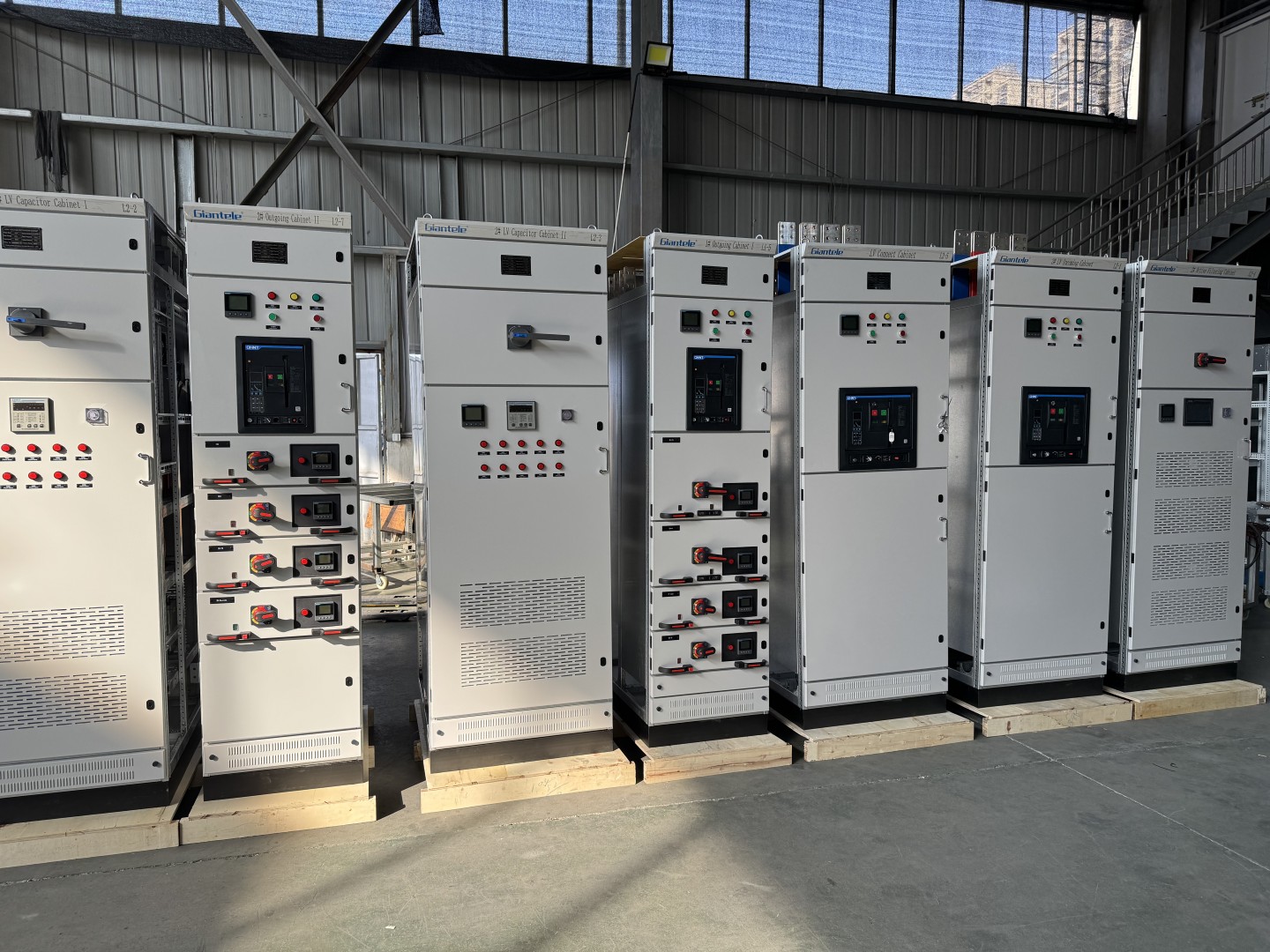 An mcc motor control center lasts 20-40 years. What cuts electrical mcc lifespan? Your motor control centre manufacturer matters. Know when to replace your mcc cabinet.
 -
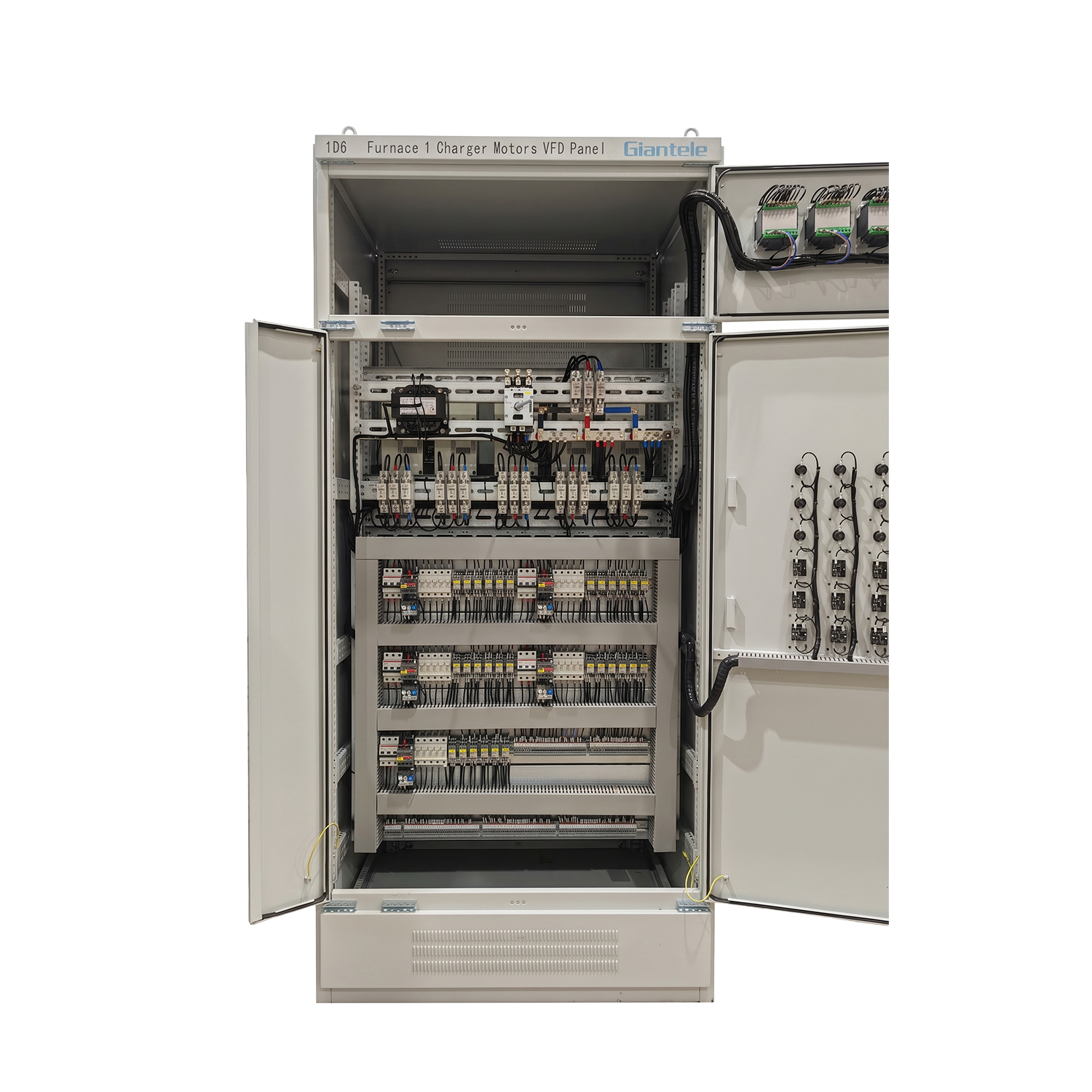 You use many parts when you work with an industrial control panel. These parts help machines work safely and without problems. Each part has its own job. If you know what each part does, you can find problems fast.
 -
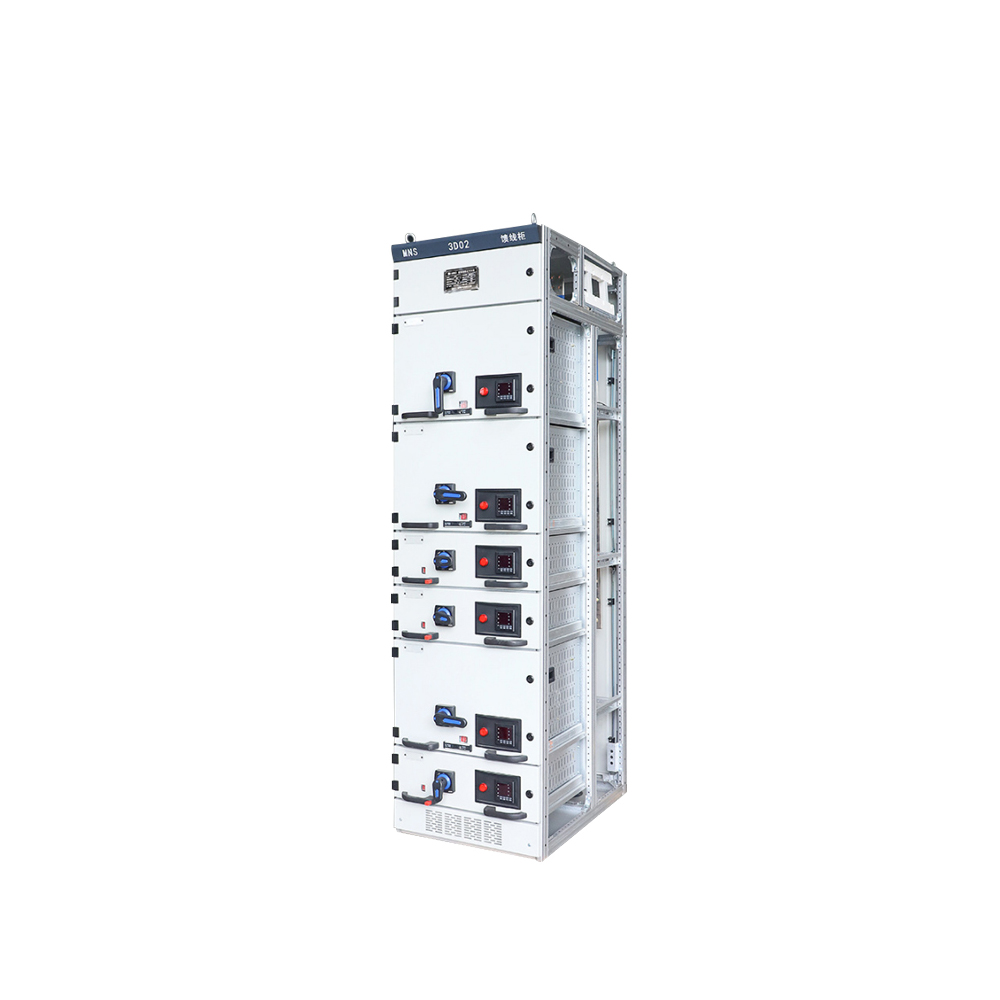 Custom control panels protect every motor in your plant. Learn how an MCC works, its components, and how to find the right electrical panel builder. Get a quote.
 -
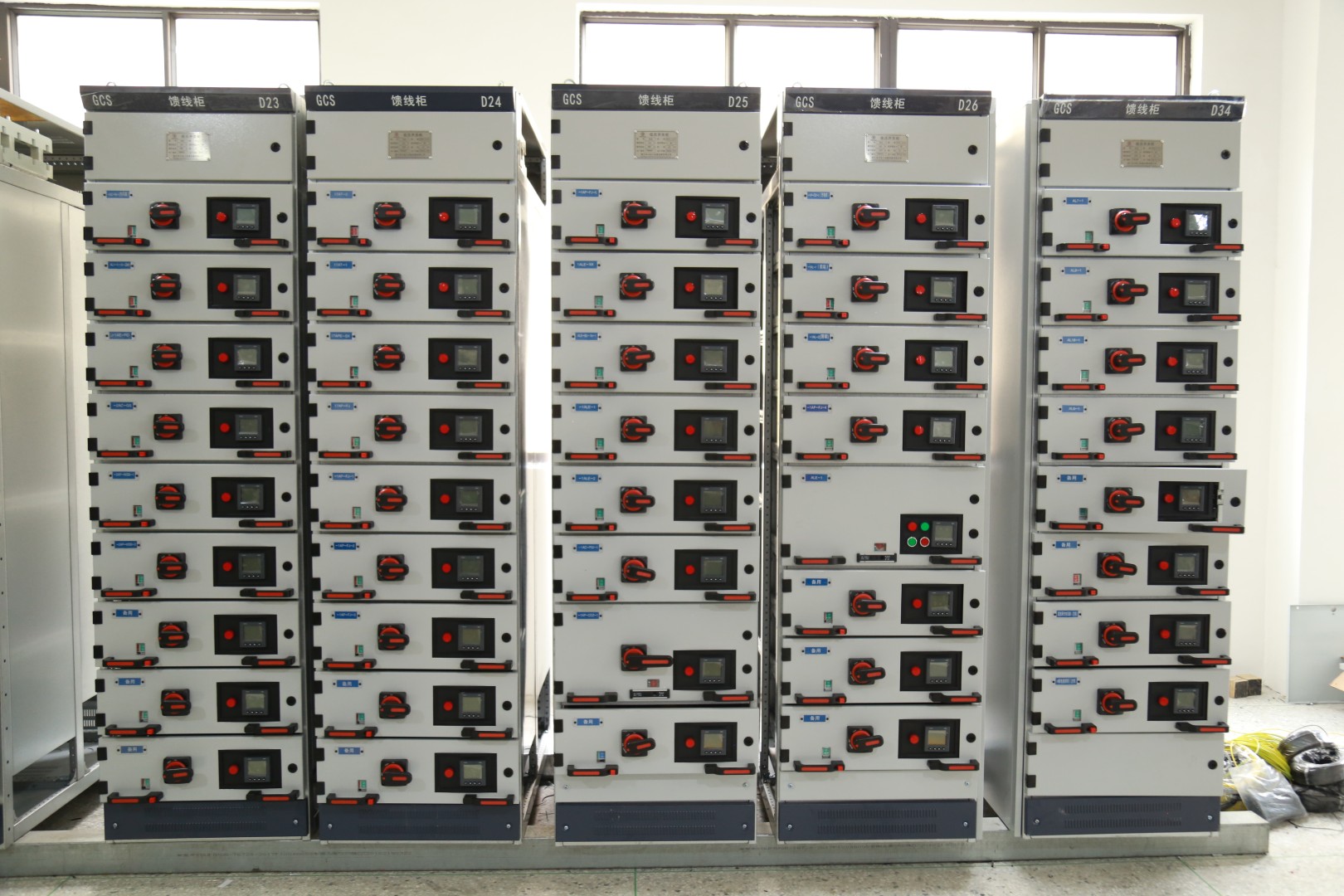 Custom industrial control panels built to IEC 61439 — Giantele designs, manufactures, and ships custom electrical panels for Africa's mining, factory, and EPC sectors. Request a technical proposal today.
