

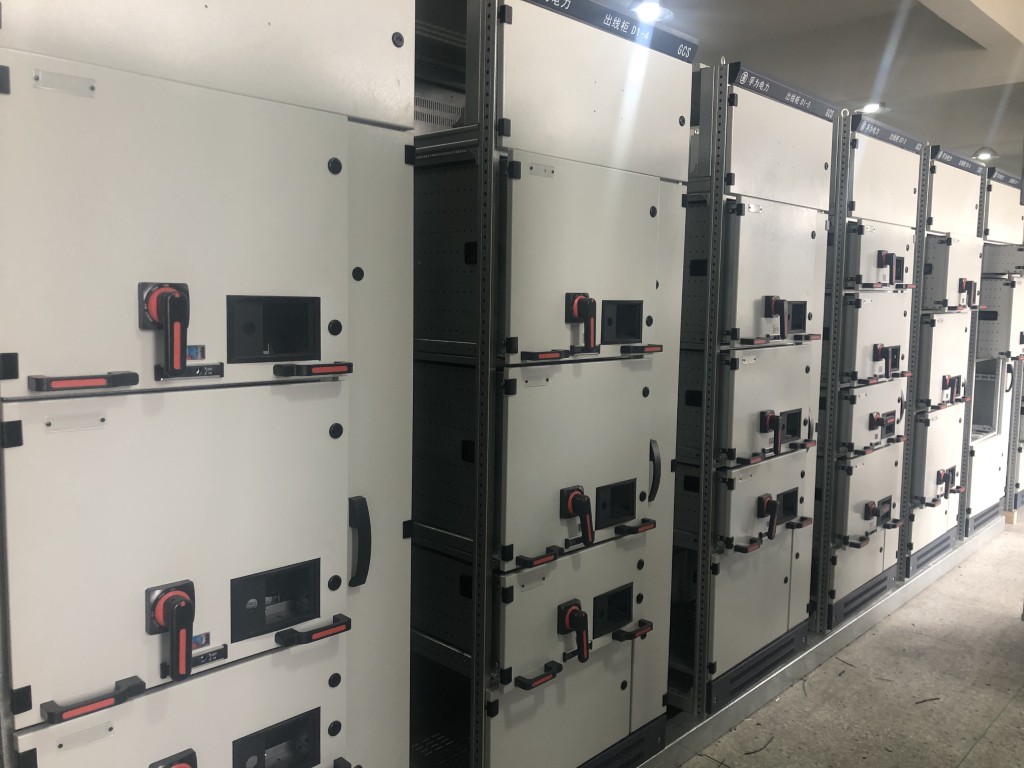
An mcc panel failure does not just stop one motor. It stops your entire production line. At a Kampala grain mill, a single burnt contactor shut down three conveyors for six hours. At a Lubumbashi copper mine, loose busbar bolts caused an arc flash that cost USD 18,000 in parts. Most motor control center mcc problems give you warning signs long before they escalate.
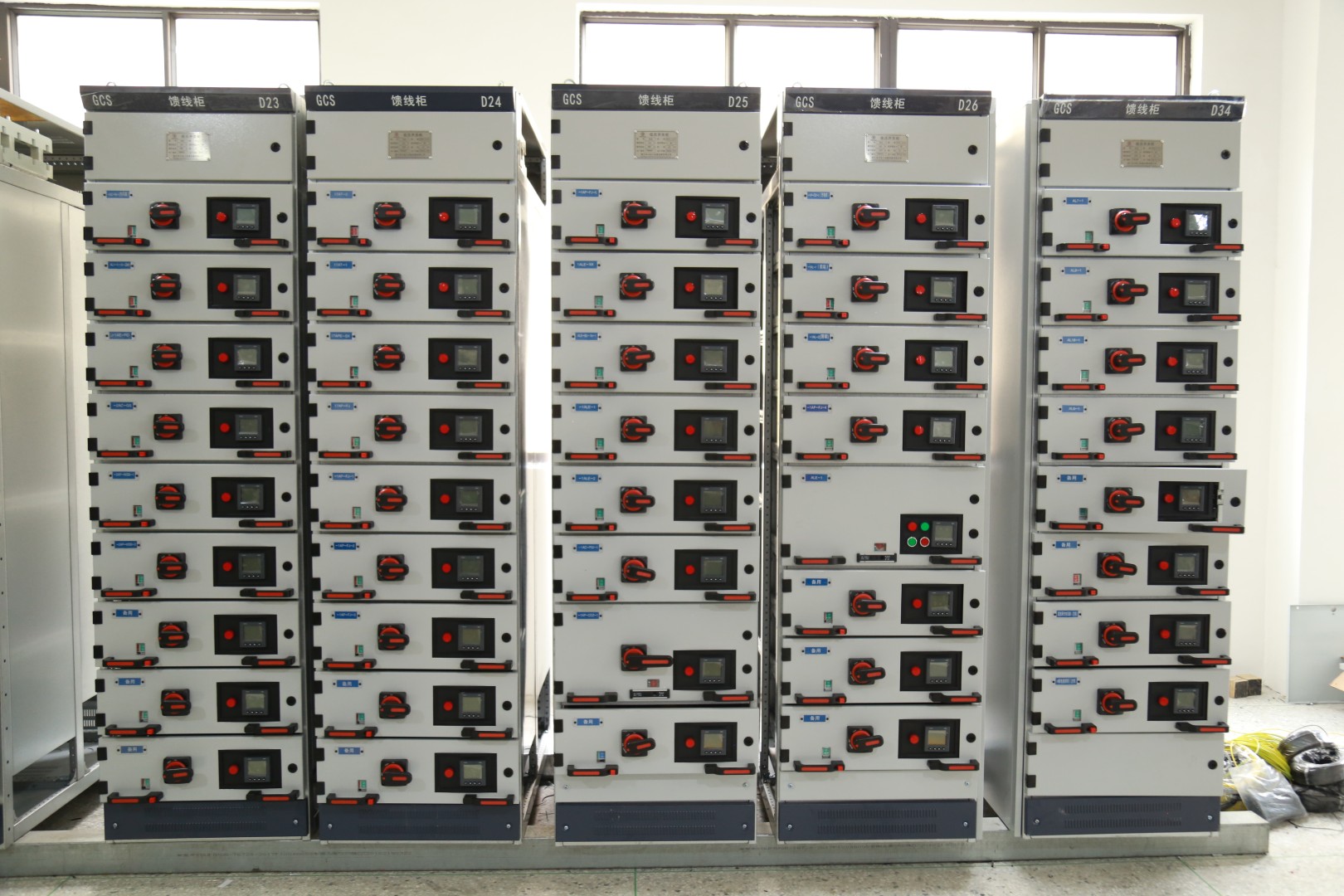
Contactor and overload relay failures are your most common motor control cabinet headache
Contactors switch motors on and off hundreds of times a day. The contacts wear down with every operation. After 50,000 to 100,000 cycles on a standard AC-3 duty, the silver alloy tips erode. You start seeing chattering, welding, or complete failure to close.
The overload relay sitting next to that contactor causes just as many call-outs. A relay set too high fails to protect the motor. One set too low trips on normal starting current. In motor control centres across Africa, we see this constantly: a technician installs a replacement motor with slightly different full-load current but never adjusts the relay setting. Two weeks later, the line trips at 2 AM and nobody knows why.
Your best defense is simple. Check contactor contacts during every scheduled shutdown. Look for pitting, discoloration, or carbon buildup. Test the overload relay against the actual motor nameplate current. A 5A mismatch is enough to cause nuisance trips on a 30kW crusher motor. If you are buying a new industrial control cabinet, ask your supplier for Schneider TeSys or ABB AF-series contactors. They outlast generic alternatives by 30 to 40 percent in dusty environments. For a deeper look at component selection, see our motor control center panel buyer's guide.
Loose connections and busbar overheating inside your electrical motor control center
Loose terminations are the number one cause of thermal runaway in switchgear. A bolt torqued to 15 Nm instead of the specified 25 Nm creates resistance at the joint. Resistance generates heat. Heat expands the metal. The bolt loosens further. Within months, you have a hotspot reaching 120 degrees Celsius on a busbar rated for 70.
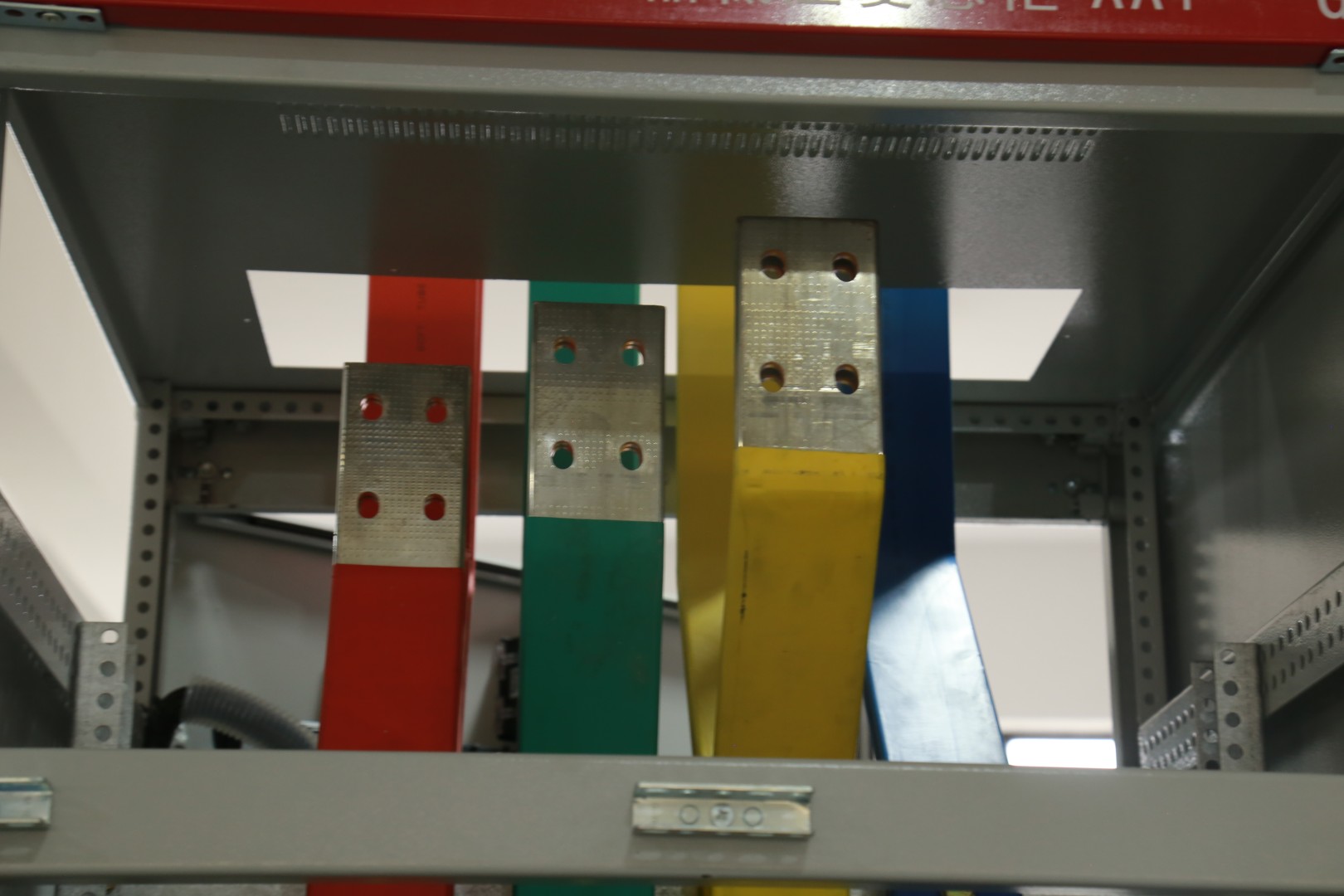
I have walked into plants in Mombasa where you could smell burning insulation before you reached the electrical motor control center room. The thermal camera showed three busbar joints at 95 degrees Celsius while the rest of the panel sat at 35. The fix took 20 minutes: torque every bolt to spec and retest under load.
Torque wrenches and annual thermal scanning are not optional. They are the cheapest insurance you can buy for a motor control cabinet. If your maintenance team does not own a thermal camera, rent one. The first scan will pay for itself. Our custom control panels all ship with a factory torque test report. If your panel did not come with one, schedule a verification scan this quarter.
Circuit breaker tripping and short circuit faults in motor control centers
A breaker that trips once might be a fluke. A breaker that trips three times in a week is telling you something. Nuisance tripping in motor control centers usually points to one of three causes: incorrect breaker sizing, deteriorating cable insulation, or a developing ground fault.
MCCBs rated for motor loads need a magnetic trip setting above the motor inrush current. A 55kW motor drawing 380A during DOL starting can trip a breaker whose instantaneous setting sits at 350A. The breaker is not faulty. The settings are wrong. Yet I see plants swapping breakers before checking the trip curve.
Ground faults are trickier. A cable with worn insulation inside a conduit may only leak current when humidity is high or when the conduit vibrates during operation. These intermittent faults drive maintenance teams crazy. A 500V insulation resistance tester and a systematic cable-by-cable check is the only reliable way to find them. When the fault is in a buried cable feeding the electric motor control panel, you may need a TDR (time-domain reflectometer) to pinpoint the damage location without excavation.
Environmental damage: dust, humidity, and heat destroying your industrial control cabinet
Your industrial control cabinet enclosure is not just a metal box. It is the difference between a contactor lasting 10 years or 10 months. In African industrial environments, three factors accelerate every failure mode.
First, conductive dust. Cement plants, flour mills, and mines pump fine particulate into the air 24 hours a day. That dust settles on busbars, creeps into contactor arc chutes, and coats relay contacts. When humidity hits 80 percent, conductive dust turns into a partial short circuit path. I have seen a perfectly healthy 400A feeder trip because a layer of limestone dust bridged two phases on a terminal block.
Second, humidity and condensation. A steel enclosure in coastal Dar es Salaam or Lagos sweats internally when the panel cools overnight and warm, moist air enters through cable glands. Water droplets form on cold metal surfaces. You get corrosion on copper busbars, rust on steel mounting plates, and tracking across insulation surfaces.
Third, high ambient temperature. An MCC installed in a non-air-conditioned control room in Juba can see internal temperatures above 55 degrees Celsius in the dry season. Derating factors in IEC 61439 tell you that a 630A busbar at 55 degrees Celsius can safely carry only about 500A. Ignore this, and you will replace overheated circuit breakers every dry season.
Your minimum specification for any motor control cabinet in tropical Africa should be IP54 with a rain canopy, anti-condensation heaters with a hygrostat, and forced ventilation for enclosures above 2000mm. If your existing panel lacks these, retrofit them. A USD 200 heater prevents USD 3,000 in contactor replacements.
Single phasing and voltage imbalance, silent killers in motor control cabinets
A three-phase motor running on two phases still turns. It just burns out its windings while doing it. Single phasing is one of the most destructive faults in any motor control cabinet, and it often goes undetected until the motor smokes.
Phase loss usually starts upstream: a blown utility fuse, a corroded isolator contact, or a loose cable lug at the incomer. When one phase drops, the motor continues to run on the remaining two phases but draws 1.7 to 2.5 times its rated current. A properly set overload relay should trip within seconds. But in many older panels, the relay is either bypassed, set too high, or a cheaper design that does not detect phase loss at all.
Voltage imbalance is subtler. A 3 percent imbalance in supply voltage can cause a 15 to 20 percent increase in motor winding temperature. On African grids where voltage can swing from 360V to 420V within an hour, this is not theoretical. I have measured 5 percent imbalance at the main busbar of a motor control center mcc in Kisumu during evening peak hours. The motors running at that time were aging at triple the normal rate.
Phase failure relays and voltage monitoring relays cost under USD 100 each. Put one on every critical motor feeder. Your motor rewinding contractor will hate you, but your maintenance budget will thank you. For sites with frequent grid instability, an automatic transfer switch with undervoltage protection adds another layer of defense.
VFD faults and communication errors in intelligent electrical mcc panels
When your electrical mcc includes variable frequency drives, the troubleshooting picture changes completely. A VFD fault code on the display tells you something is wrong. Interpreting that code correctly is where most technicians stumble.
The top five VFD fault codes we see in the field are overcurrent (OC), overvoltage (OV), undervoltage (UV), ground fault (GF), and communication loss (BUS). Overcurrent during acceleration almost always points to too-short ramp time or a mechanical bind in the driven load. Overvoltage during deceleration means the motor is regenerating energy faster than the DC bus can absorb. Extend the deceleration ramp or add a braking resistor.
Communication loss between the PLC and VFD kills more production hours than hardware failures. A loose RJ45 connector on a Modbus network or a ground loop on the RS-485 line produces intermittent faults that look like drive problems but are actually wiring problems. Always check the comms cable before replacing the drive.
VFDs also generate harmonics that reflect back into the motor control center mcc busbar. When you have six or more drives on one bus section, total harmonic distortion can exceed 10 percent. That distorts the voltage waveform, overheats upstream transformers, and causes capacitor bank failures. A VFD panel with integrated line reactors and harmonic filters solves this at the design stage.
How mcc panel suppliers determine your long-term problem rate
The difference between an MCC that runs for 15 years with zero unplanned outages and one that breaks down every quarter starts with the factory, not the site. Your choice of mcc panel suppliers has more impact on reliability than your maintenance schedule.
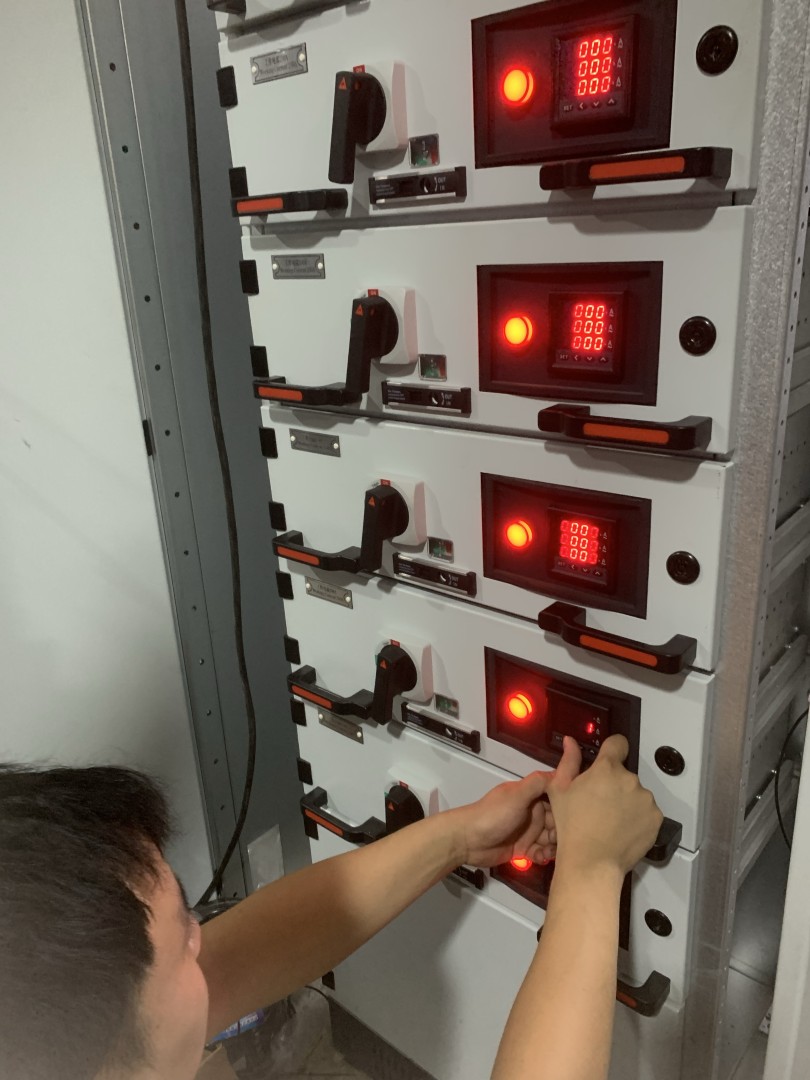
Three things separate good suppliers from the rest. First, component selection. A supplier who uses ABB, Schneider, or Siemens components with full traceability gives you a panel where every contactor and breaker has a known service life and available spare parts. Generic or unbranded components save 15 to 20 percent upfront but cost three times that in replacement parts and downtime over five years.
Second, factory testing. A proper factory acceptance test does not just check that the panel powers up. It includes primary injection testing of every circuit breaker, insulation resistance measurement to 1000V DC, functional testing of every starter under simulated load, and full interlock verification. Panels that skip this step ship assembly errors to your site. We find loose terminals, reversed CT polarities, and miswired control circuits during our factory tests because we look for them.
Third, design for your environment. A supplier who asks about your site altitude, ambient temperature, dust class, and grid stability before quoting is doing their job. One who quotes a standard design without questions is guessing. For sites above 1500 meters, busbar and breaker ratings must be derated per IEC 61439. For mining environments, vibration-dampened mounting is not optional.
If your current mcc panel supplier does not provide a factory test report with every shipment, you are accepting unknown risks. See our mcc motor control center life expectancy article for what proper manufacturing quality means over a 20-year service life.
Quick reference: common mcc panel problems and their first checks
Problem | Most likely cause | First check |
|---|---|---|
Motor fails to start | Tripped overload relay or blown control fuse | Check relay reset button and control circuit voltage |
Breaker trips on startup | Motor inrush current above magnetic trip setting | Compare motor LRA with breaker instantaneous setting |
Breaker trips during running | Developing ground fault or insulation breakdown | 500V megger test on feeder cable |
Hot spot on busbar | Loose bolted connection | Torque check all joints, thermal scan |
Contactor chattering | Low control voltage or worn magnet faces | Measure coil voltage during start, inspect magnet |
Motor runs hot, smells burnt | Single phasing or voltage imbalance | Measure all three phase currents and voltages |
VFD overcurrent trip | Too-short ramp time or mechanical load bind | Extend accel ramp, check driven machinery |
Intermittent control circuit fault | Loose terminal or corroded auxiliary contact | Visual inspection of all control terminals |
Panel internal condensation | Missing or failed anti-condensation heater | Check heater operation and hygrostat setting |
Frequent fuse blowing | Undersized fuse or intermittent short | Check fuse I²t rating against motor starting duty |
For a power distribution board that feeds your MCC, the same inspection rules apply. See our power distribution board selection guide for upstream equipment requirements.
Frequently asked questions
How often should I inspect my mcc panel?
Every three months for visual and thermal inspection. Every six months for full torque check and insulation testing. High-dust environments need monthly thermal scans. After any major fault, do a full inspection before re-energizing. Skip these intervals, and you skip the chance to catch problems while they are cheap to fix.
Can I repair a burnt contactor or should I replace it?
Replace it. A burnt contactor has pitted contacts that will fail again, often catastrophically. The cost of a new Schneider or ABB contactor is less than four hours of production downtime. Keep one spare of each rating on your shelf. If you are buying from a motor control center mcc supplier, negotiate spare parts into the initial purchase order.
What is the single most common cause of mcc panel fires?
Loose bolted connections on busbars and cable terminations. The arc generates enough heat to ignite adjacent insulation and plastic components. A quarterly thermal scan with a calibrated camera, followed by immediate torque correction of any hotspot above 30 degrees Celsius rise, eliminates this risk almost completely.
How does poor power factor affect my motor control center?
Low power factor increases the current flowing through every component in your motor control center mcc — busbars, breakers, contactors, and cables. A 0.75 power factor load draws 33 percent more current than a 0.95 load for the same kW. That extra current accelerates thermal aging across the entire panel. An APFC panel corrects this at the main busbar level.
Do I need a different MCC for mining versus factory applications?
Yes. Mining MCCs need vibration-dampened mounting, higher IP ratings (IP54 minimum, often IP65), tropicalized busbar derating, and arc-resistant construction for underground applications. Factory MCCs can often use IP42 with standard construction. Specifying the wrong type is a common mistake in procurement. Good mcc panel suppliers will ask about your application before quoting.
When should I upgrade rather than repair my existing mcc panel?
Upgrade when spare parts for your current model become unavailable, when your motor count has outgrown the existing sections, or when you need intelligent monitoring that older motor control centres cannot support. A 15-year-old MCC with obsolete contactors and no communication capability is a liability. The payback on a new intelligent MCC with Modbus RTU monitoring is typically under three years through reduced downtime alone.
Final thoughts
Most mcc panel failures are predictable and preventable. The warning signs are heat, noise, vibration, and intermittent trips. Build thermal scanning into your maintenance routine. Specify quality components from the start.
-
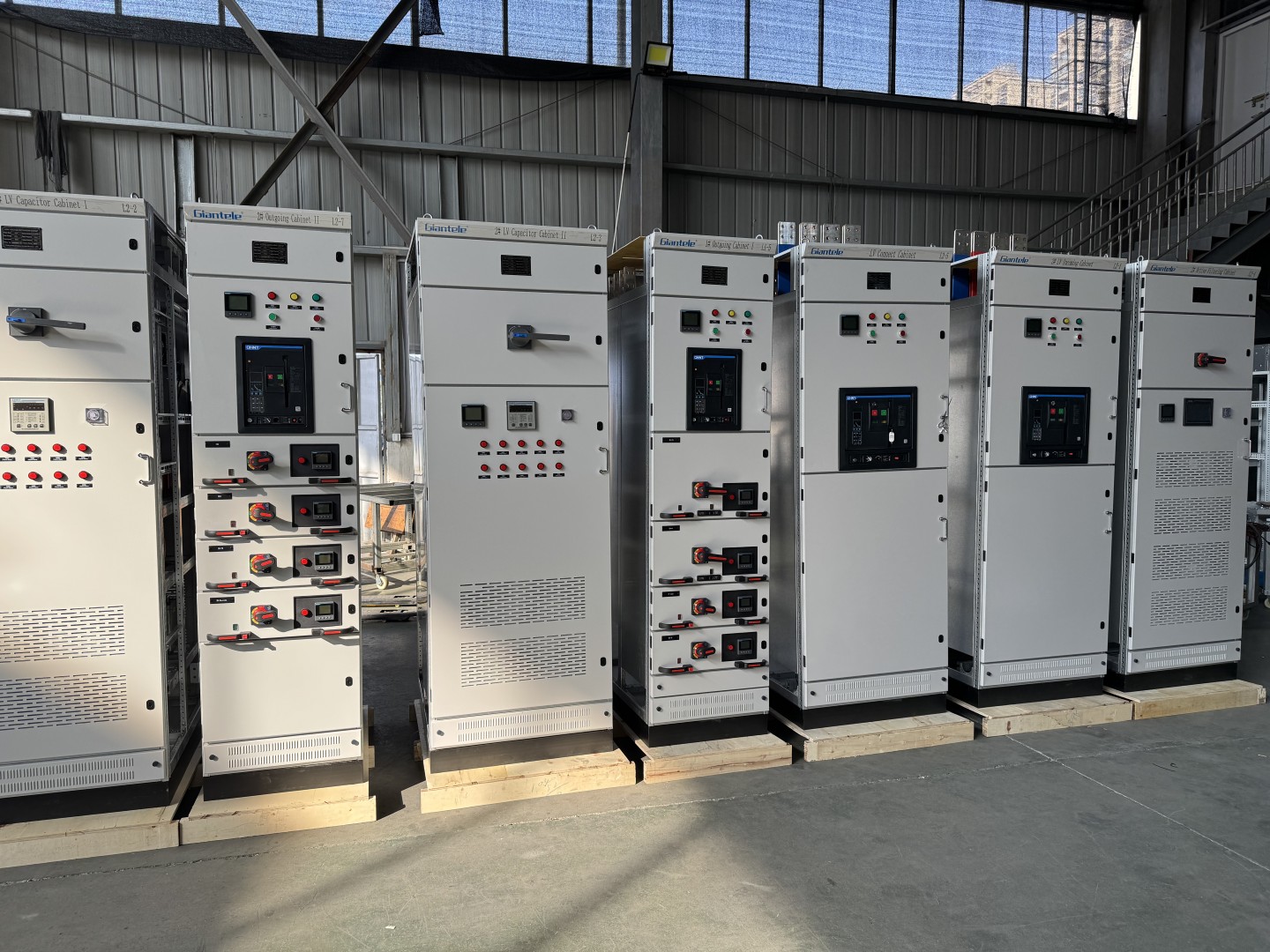 An mcc motor control center lasts 20-40 years. What cuts electrical mcc lifespan? Your motor control centre manufacturer matters. Know when to replace your mcc cabinet.
 -
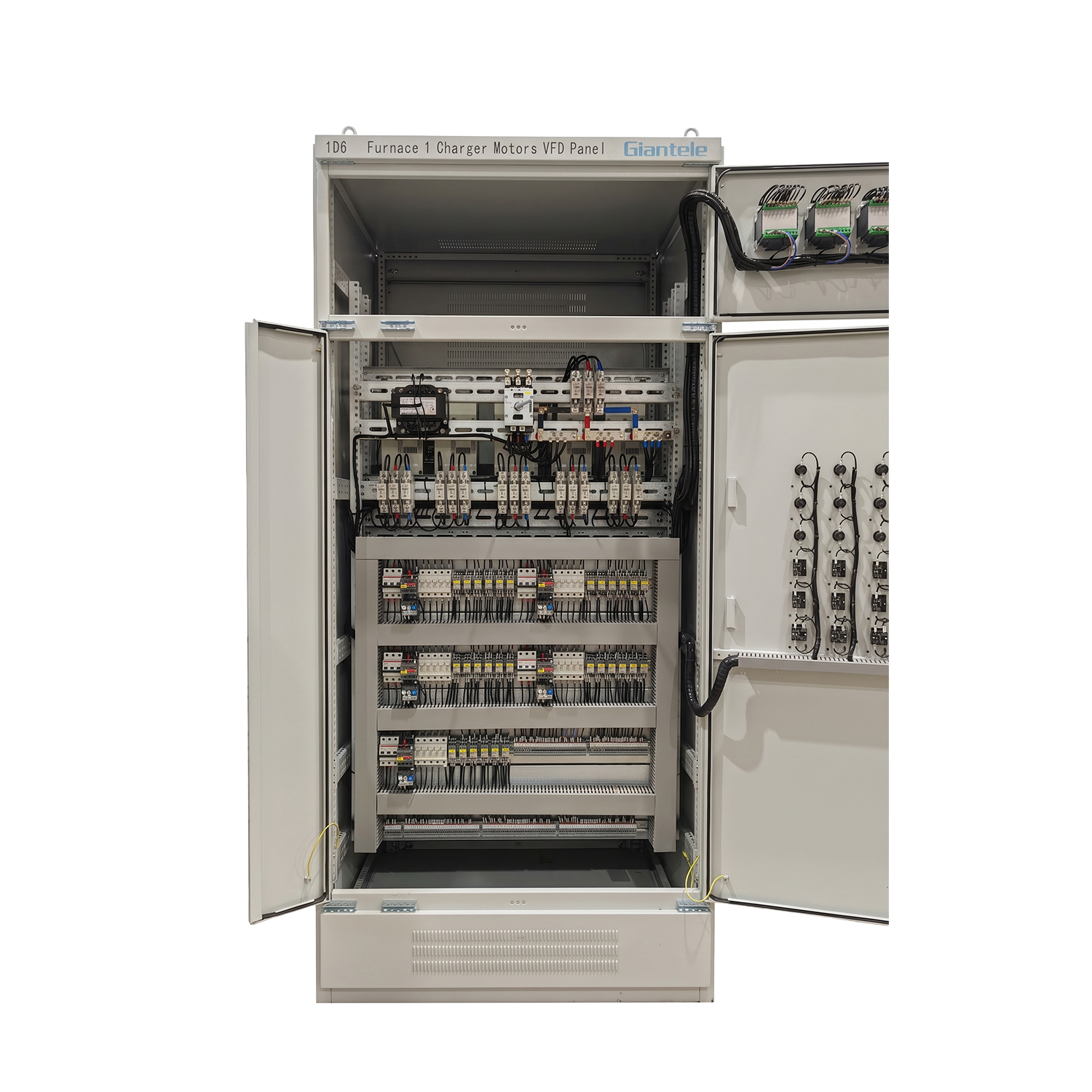 You use many parts when you work with an industrial control panel. These parts help machines work safely and without problems. Each part has its own job. If you know what each part does, you can find problems fast.
 -
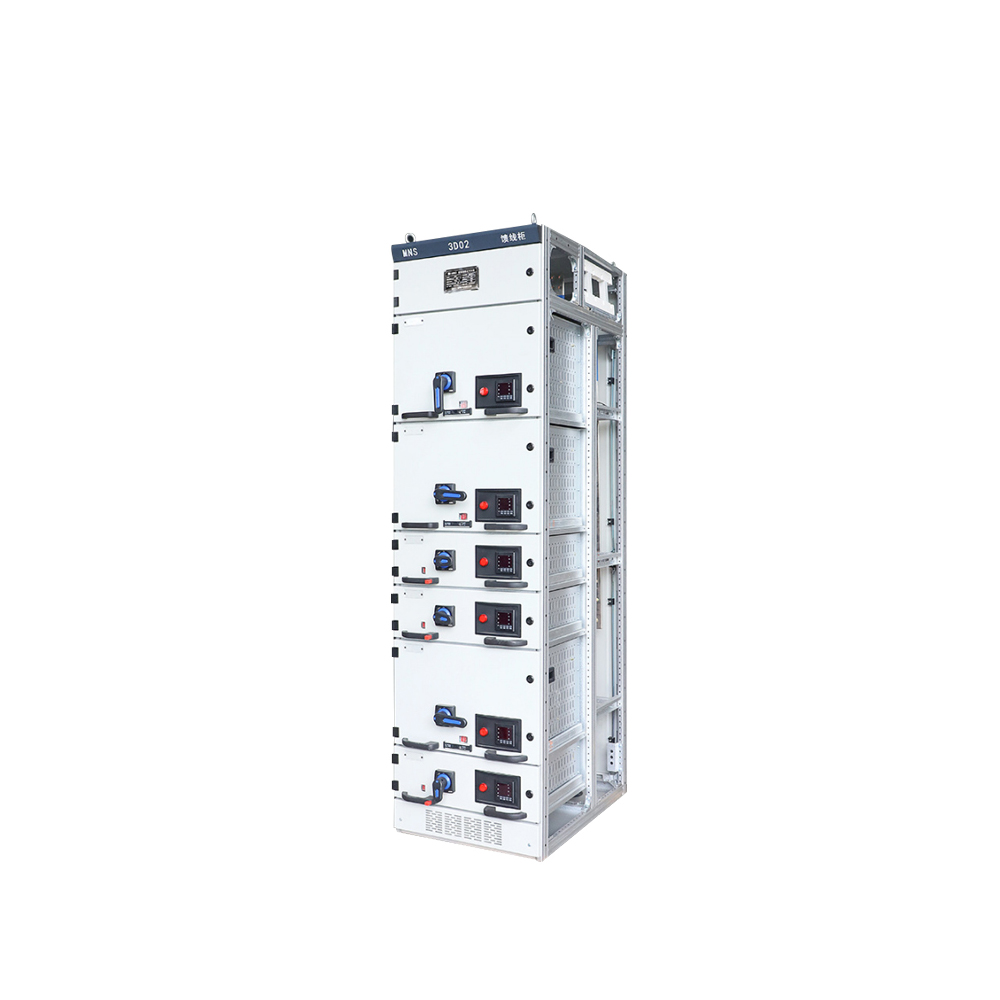 Custom control panels protect every motor in your plant. Learn how an MCC works, its components, and how to find the right electrical panel builder. Get a quote.
 -
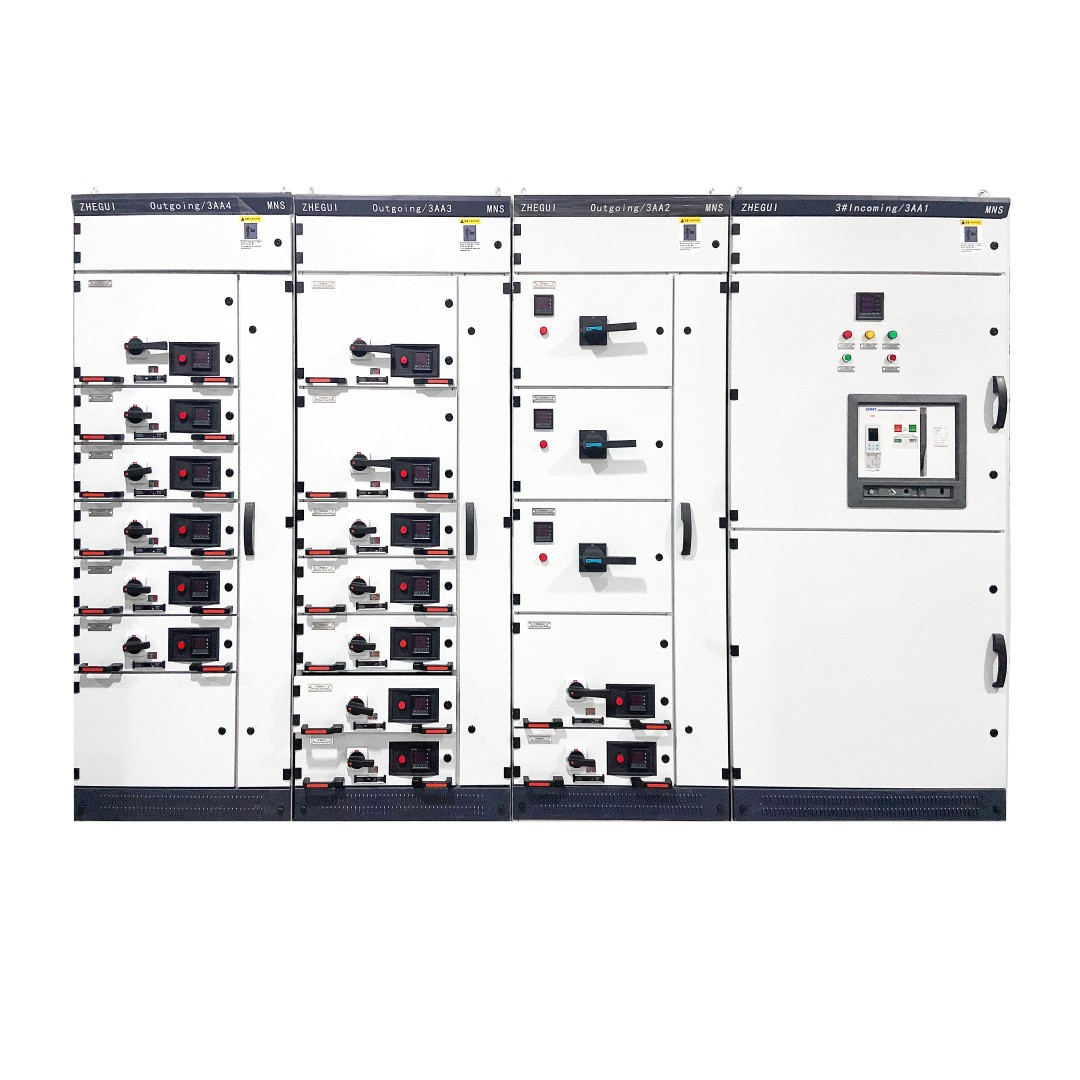 A motor control center panel centralizes motor control and protection in one enclosure. Compare MCC panel types, motor control center cost, and find trusted motor control center suppliers, motor control center manufacturers, and MCC panel suppliers for your next industrial project.
