

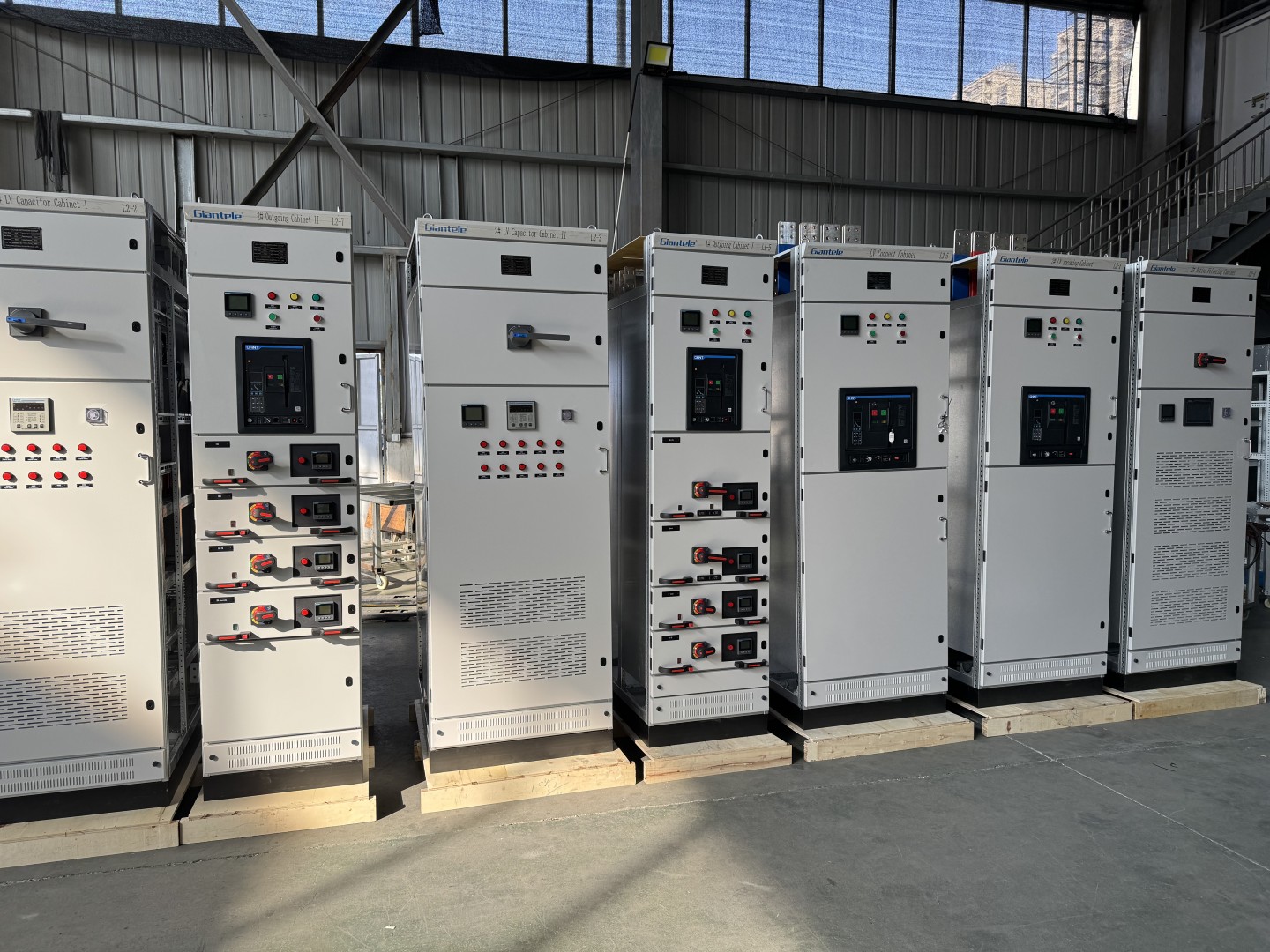
Introduction: When you buy an mcc motor control center, one question sits above cost, above lead time, above every specification: how long will it last? A motor control centre is a long-term asset. You bolt it to your factory floor and expect it to run for decades. The answer is not a single number. It depends on who built it, where you installed it, and how you treat it.
The real life expectancy of an industrial motor control center
Most industrial engineers quote 20 to 40 years for an industrial motor control center. A motor control center panel is a long-term asset, and that range is wide for a reason. A well-specified mcc panel in a clean, air-conditioned electrical room with scheduled maintenance can push past 35 years. The same electrical mcc dropped into a hot, dusty mining substation with no maintenance budget might struggle to reach 15.
The table below breaks down what you can realistically expect.
Operating condition | Expected life | Typical environment |
|---|---|---|
Climate-controlled room, scheduled maintenance | 35–40 years | Pharmaceutical, food processing, data centers |
Standard indoor industrial | 25–30 years | Most factories, water treatment plants |
Harsh environment (heat, dust, humidity) | 15–20 years | Mines, cement plants, outdoor substations in Uganda, Kenya, Angola |
Poor or no maintenance | 10–15 years | Any facility that runs equipment until it fails |
These numbers come from field experience, not a datasheet. No manufacturer stamps "40 years" on a nameplate. But the data from plants that track their assets tells the same story every time: maintenance quality matters more than the original purchase price.
What shortens a low voltage motor control center's service life
A low voltage motor control center ages from four directions at once. You need to manage all four to protect your investment.
Heat. Every 10 degrees Celsius above the rated ambient temperature cuts insulation life roughly in half. A motor control panel rated for 40 degrees Celsius ambient that runs at 55 degrees Celsius because the ventilation failed will degrade at double the expected rate. Busbar connections loosen. Contactors weld. Insulation turns brittle.
Dust and moisture. Conductive dust settles on busbars and creeps into contact gaps. Moisture accelerates corrosion on terminals and steel enclosures. In African industrial sites where red dust and high humidity coexist, a standard IP42 enclosure may not be enough. You need IP54 or IP55 at minimum, and you need to keep the door gaskets intact.
Electrical load. An mcc cabinet running at 90 percent of its rated capacity every day generates more heat than one running at 60 percent. Frequent motor starts hammer contactors and overload relays with inrush currents 6 to 8 times the full-load rating. Harmonics from variable frequency drives heat up busbars and capacitors in ways a standard thermal calculation misses.
Installation quality. Loose terminations cause localized heating that thermal imaging catches early, if someone is looking. Poor cable routing that blocks airflow defeats even a well-designed ventilation scheme. Improper grounding lets fault currents find unintended paths. These installation mistakes do not announce themselves. They accumulate quietly until something burns.
Component-level lifespan: what wears out first in your mcc cabinet
Not everything inside an mcc cabinet ages at the same speed. Some components outlast the enclosure. Others need replacement two or three times during the life of the panel. Understanding this lets you budget realistically.
Component | Typical life | Replacement strategy |
|---|---|---|
Steel enclosure (painted, indoor) | 30–40 years | Replace only if structurally corroded |
Copper busbars | 35–40+ years | Inspect connections; bars rarely fail |
Main circuit breaker (ACB/MCCB) | 20–25 years | Mechanical wear on operating mechanism |
Contactors (standard duty) | 10–15 years or 1–2 million operations | Replace on schedule, not on failure |
Overload relays (thermal) | 12–18 years | Drift in trip settings over time |
Electronic overload relays / digital protection | 15–20 years | Firmware obsolescence, not hardware failure |
Variable frequency drives | 7–12 years | Electrolytic capacitors dry out; replace VFDs proactively. A VFD panel installed inside your MCC needs its own replacement schedule independent of the cabinet. |
Soft starters | 10–15 years | SCR degradation from thermal cycling |
Control wiring and terminal blocks | 15–20 years | Insulation brittleness; re-terminate when you see cracking |
Cooling fans | 3–5 years | Cheap to replace; replace on a fixed schedule |
The pattern is clear. Your enclosure and busbars are the skeleton. They last. Your active components, contactors, VFDs, and relays, are the muscle and need scheduled replacement. Waiting for a contactor to fail before replacing it is the fastest way to turn a two-hour planned shutdown into a two-day emergency repair.

How your motor control center manufacturer affects lifespan
Not all motor control center manufacturer factories build to the same standard. The difference between a 15-year motor control center mcc panel and one that runs 35 years often starts in the engineering office, not on your factory floor.
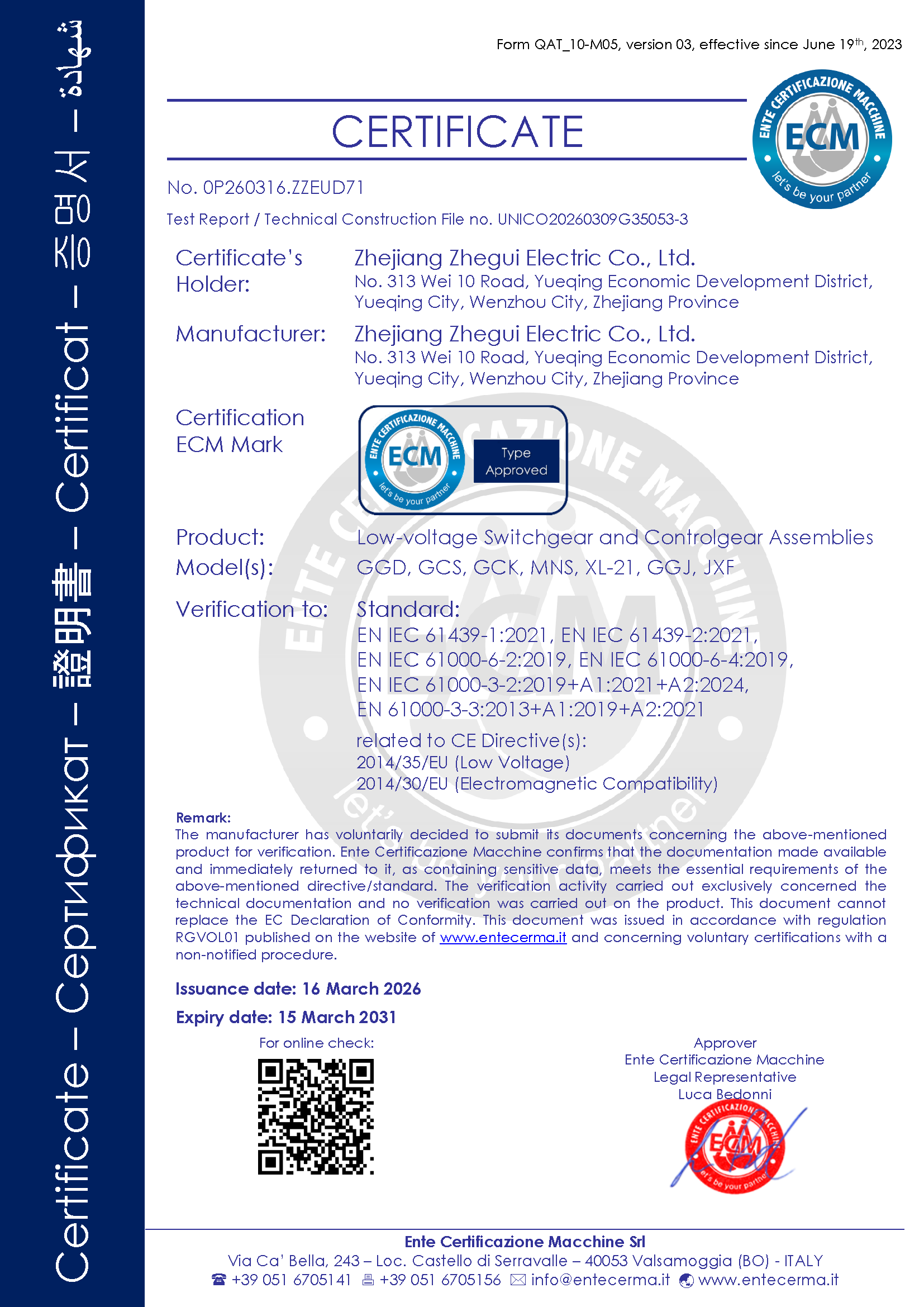
IEC 61439 compliance matters. A manufacturer who holds valid IEC 61439 type-test certificates has proven their design can handle the rated short-circuit current, temperature rise, and dielectric stress. A panel built from untested combinations of components might work on day one. It might fail on day 1,500 when a fault current exposes a weak busbar support. Ask for the type-test certificate. If the manufacturer hesitates, find another one.
Component brand matters. ABB, Schneider Electric, and Siemens contactors and breakers carry published endurance data backed by decades of field performance. No-name alternatives might meet the same ratings on paper. In practice, the contact material, spring tension, and arc chute design determine whether a contactor hits 1 million or 200,000 operations before it welds shut.
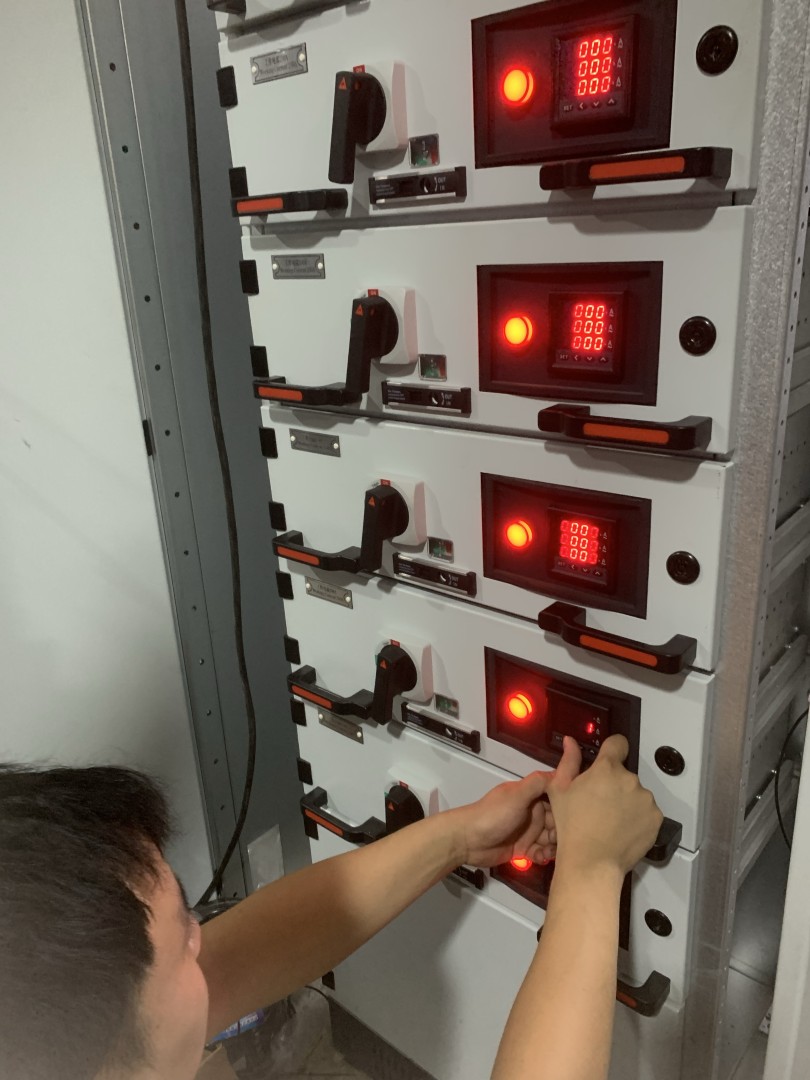
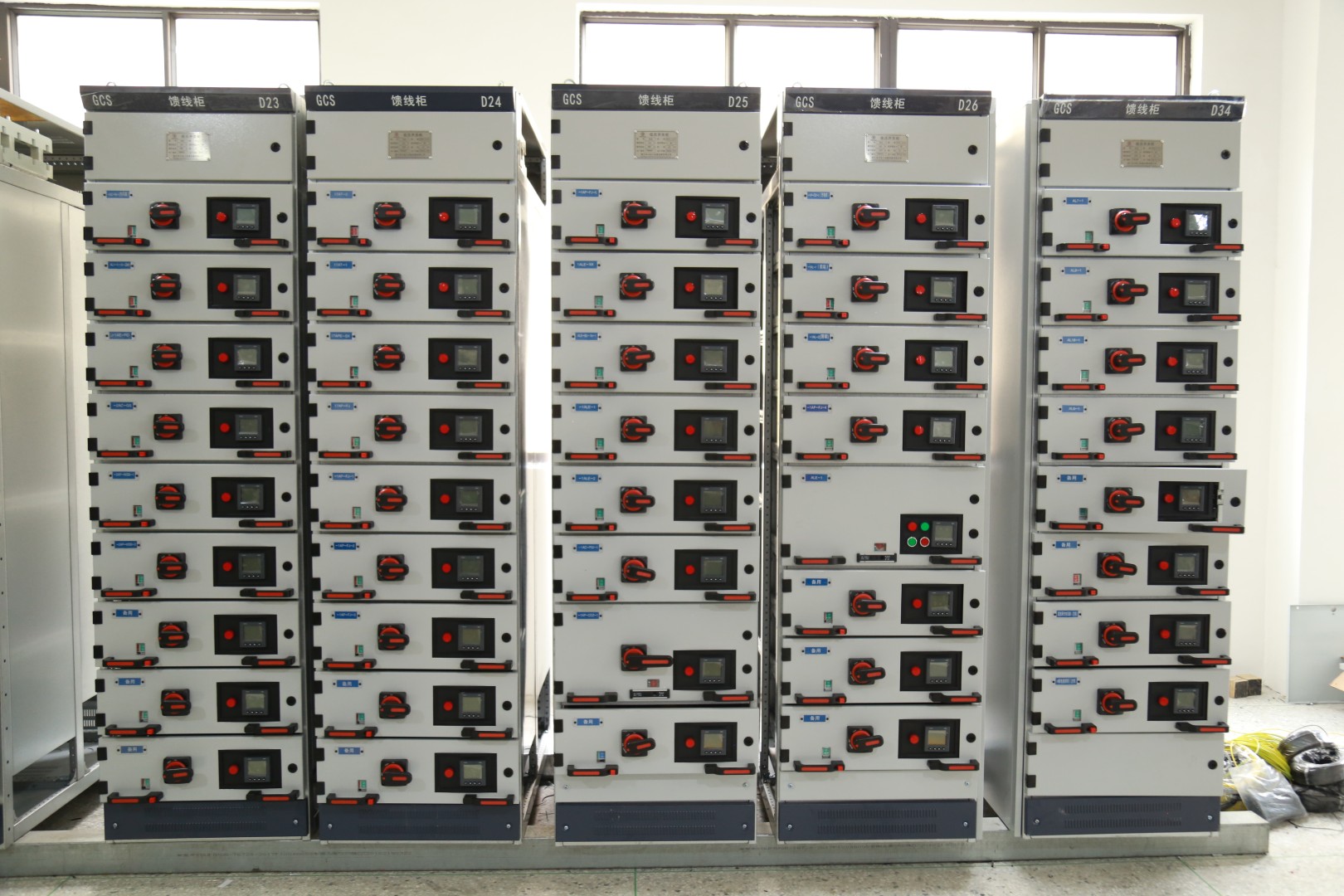
Factory testing matters. Every custom control panels Giantele builds go through a full factory acceptance test: insulation resistance, dielectric withstand, functional sequence test of every starter bucket, and verification of all protection settings. Panels that leave the factory untested carry hidden wiring errors and loose terminations that will surface in your plant, on your downtime clock.
Signs your electrical mcc is reaching end of life
You do not need a thermal camera to spot most aging problems. A walkthrough inspection catches the obvious ones. Here is what to look for when you assess an electrical mcc that has been running for 15 or 20 years.
Visible signs. Discolored or peeling paint near busbar compartments means chronic overheating. Rust on the bottom plate means water ingress or floor cleaning that splashes the enclosure. Cracks in insulation on control wiring mean brittleness from heat aging. Corrosion on busbar joints means poor environmental sealing.
Audible signs. A buzzing sound that changes with load means loose busbar bolts or delaminating busbar insulation. Contactors that chatter on pick-up mean low control voltage or worn magnet faces. Cooling fans that whine or rattle are overdue for replacement.
Operational signs. Breakers that trip occasionally with no obvious overload indicate weakened trip mechanisms or insulation leakage. Motor starters that need resetting more often than they used to signal degrading contact surfaces inside the contactor. Spare parts that take weeks to source mean the component manufacturer has discontinued that series.
If you check three or more of these boxes, your motor control panel is entering the replacement planning zone. You still have time. But you should start budgeting.
Maintenance that adds years to your mcc panel
Planned maintenance is not a cost. It is the cheapest way to own an mcc panel for 30 years instead of 15. The schedule below is what most manufacturers recommend and what experience confirms works.
Activity | Frequency | What you find |
|---|---|---|
Visual inspection (doors, gaskets, paint, labels) | Monthly | Water stains, rust, missing bolts, debris |
Dust removal and cleaning | Quarterly | Dust buildup on busbars and vents |
Thermal imaging scan | Every 6 months | Loose connections, overloaded feeders, hot spots |
Torque check on all terminations | Annually | Thermal cycling loosens bolts over time |
Insulation resistance test (Megger) | Annually | Insulation degradation before it causes a fault |
Functional test of all buckets | Annually | Sticking contactors, slow breakers, dead pilot lights |
Protection relay calibration | Every 2–3 years | Drift in trip settings over time |
Full system audit (drawings, settings, spare parts) | Every 5 years | Obsolescence, changed loads, undocumented modifications |
Thermal imaging alone catches 70 percent of problems before they cause a trip. An infrared window on each compartment door lets you scan without opening a live panel. That is a small investment with a large payoff.
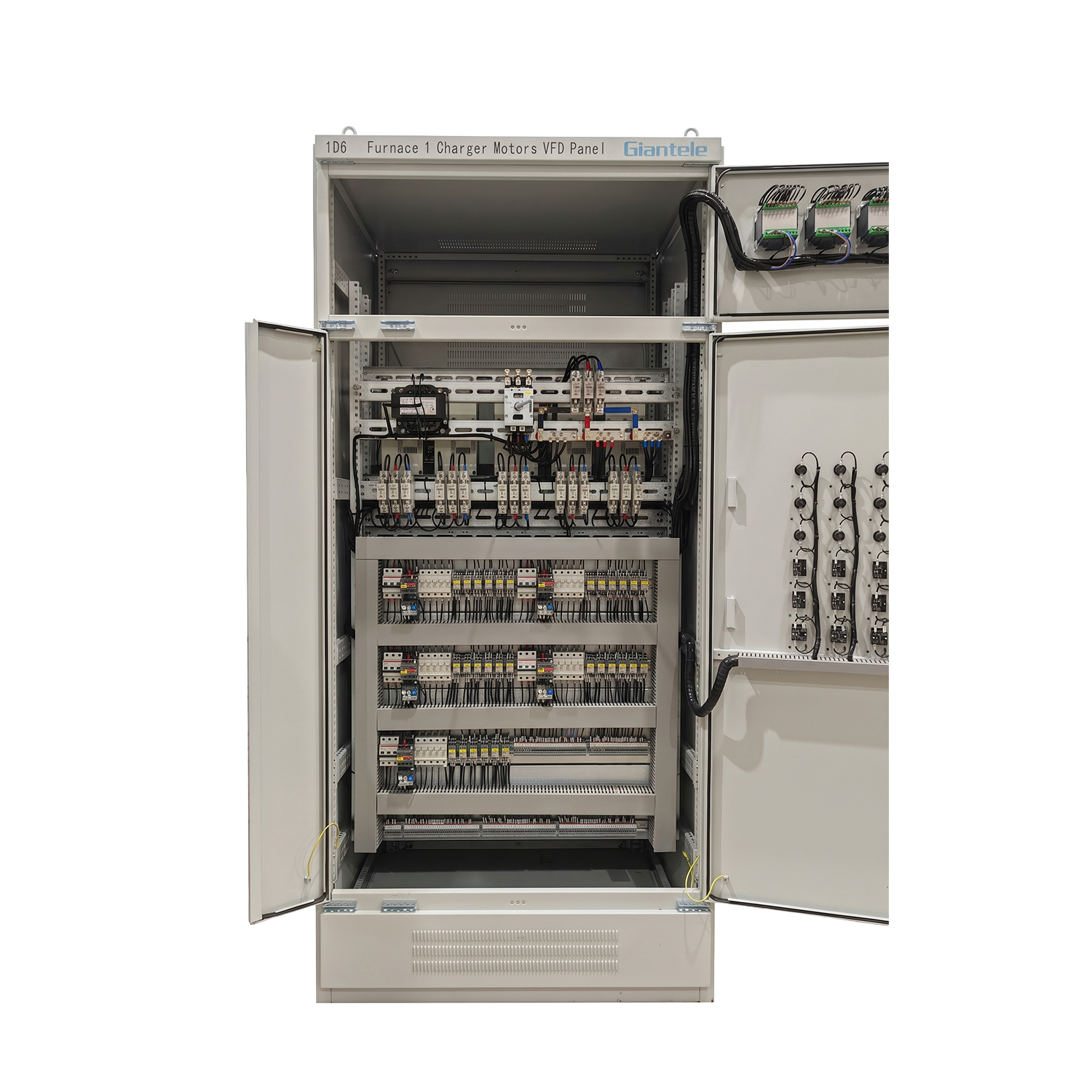
Replace individual buckets or replace the whole motor control centre?
This is the decision every plant engineer faces around year 20. The enclosure and busbar structure of a motor control centre might be sound. But the buckets inside, starters, breakers, and drives, are wearing out one by one.
Refurbish individual buckets when:
The steel enclosure is structurally intact with no corrosion through the metal
Busbars pass insulation resistance testing and show no pitting
The original manufacturer still supplies compatible bucket units
Your plant can tolerate the staggered downtime of replacing buckets one at a time
The total cost of refurbishment is under 60 percent of a new panel
Replace the full MCC when:
The enclosure has significant corrosion, especially at the base and cable entry points
Busbar insulation resistance has dropped below 1 megaohm and cleaning does not restore it
Spare parts for the existing design are obsolete and lead times exceed 12 weeks
Your arc flash study shows incident energy above acceptable limits that retrofits cannot fix
Your load has grown beyond the original design capacity and the busbar rating is maxed out
The rule of thumb: if the steel is good, refurbish the guts. If the steel is rotting, replace everything. You cannot refurbish a rusted enclosure any more than you can repaint a car with holes in the floor.

A power distribution board upstream of your MCC follows the same logic. When you replace the MCC, audit the upstream board at the same time. Upgrading one without the other often just moves the bottleneck.
FAQ
How long should a motor control center last?
A properly specified and maintained mcc motor control center should last 25 to 35 years in normal industrial conditions. Harsh environments and neglected maintenance can cut that to 15 years or less.
Can you extend MCC life beyond 40 years?
Yes, but it requires progressive component replacement. You replace contactors and relays on schedule. You upgrade VFDs when capacitor aging starts. You may need to replace busbar insulation if it shows signs of thermal degradation. The enclosure itself can last 40+ years if kept dry and free of corrosion.
What component fails first in a motor control center?
Cooling fans fail first, typically within 3 to 5 years. Among major components, contactors wear out fastest at 10 to 15 years under normal duty. VFD capacitors dry out around year 7 to 10 in a warm environment.
Does a VFD panel inside an MCC reduce the life of the whole cabinet?
It can. VFDs generate harmonics that heat busbars and capacitors. They also produce more heat inside the compartment, which raises the ambient temperature for everything around them. A well-designed low voltage motor control center with adequate ventilation and harmonic filtering manages this. A poorly ventilated mcc panel with VFDs packed tightly accelerates aging across the whole cabinet.
How does the manufacturer's warranty relate to real lifespan?
Warranty is a signal, not a guarantee. A motor control center manufacturer offering 2 years of warranty on the full assembly and component-level warranties that match the OEM (typically 12 to 18 months on ABB, Schneider, and Siemens components) shows reasonable confidence. A manufacturer offering 5 years on everything is either exceptional or optimistic. Ask for site references from installations that are 10 years old. That tells you more than any warranty document.
What is the difference between MCC lifespan and switchgear lifespan?
Low voltage switchgear typically outlasts an MCC because it carries fewer active switching components. A low voltage switchgear panel can reach 35 to 45 years with minimal component replacement. An MCC, with its contactors, starters, and drives that switch daily, needs more active maintenance to reach the same age.
Do IEC 61439 type tests guarantee a longer life?
They do not guarantee it. But they verify that the design survives the rated short-circuit, temperature rise, and dielectric stress under laboratory conditions. A panel without type tests is an unknown. You are betting your downtime budget on engineering assumptions that were never validated. That is not a bet worth taking.
Final thoughts
An mcc motor control center is not a buy-and-forget purchase. It is a 25 to 35 year relationship with a piece of equipment that sits at the heart of your plant. The difference between a panel that lasts 15 years and one that lasts 35 comes down to three things: who built it, where you put it, and whether you maintain it on a schedule instead of on a breakdown. Contact Giantele for a technical proposal that matches your site conditions and maintenance expectations. We build motor control center mcc panels for factories and mines that need them to work, every day, for decades.
-
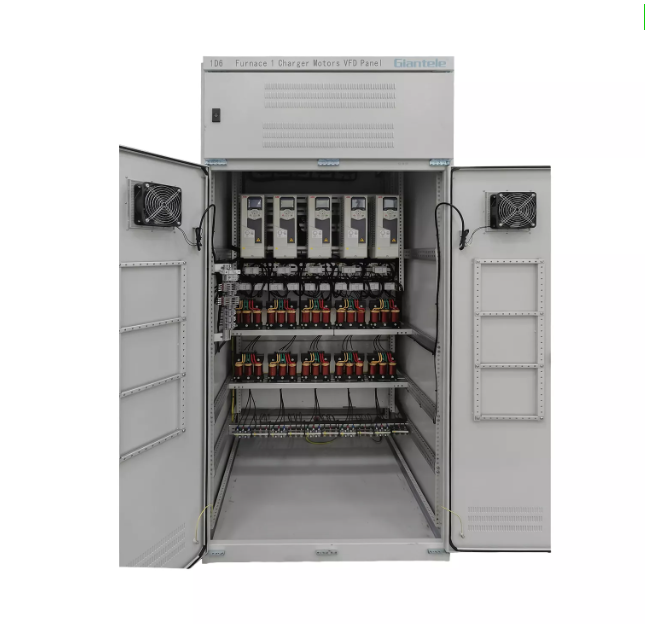 VFD Control Panel is a motor control cabinet for speed control, protection, and stable operation. It is also called a VFD panel because it houses the drive and related electrical parts in one cabinet.
 -
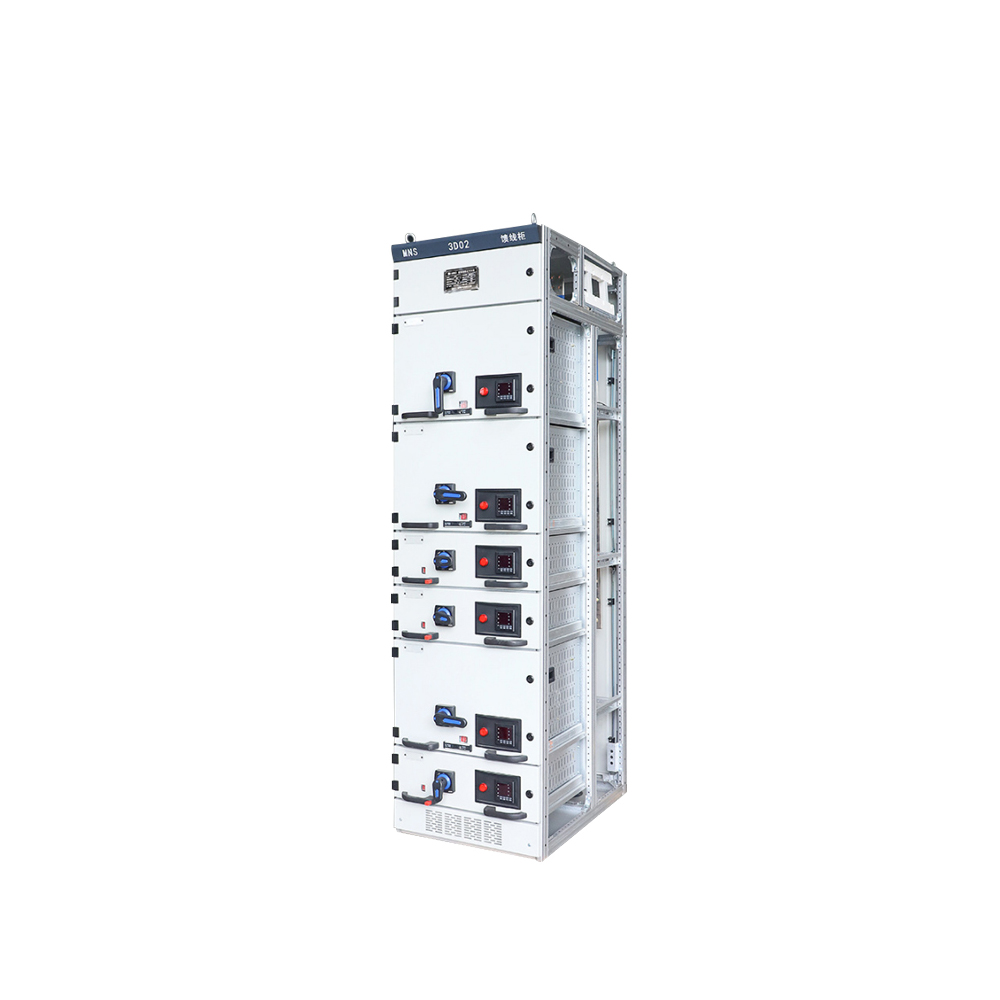 Custom control panels protect every motor in your plant. Learn how an MCC works, its components, and how to find the right electrical panel builder. Get a quote.
 -
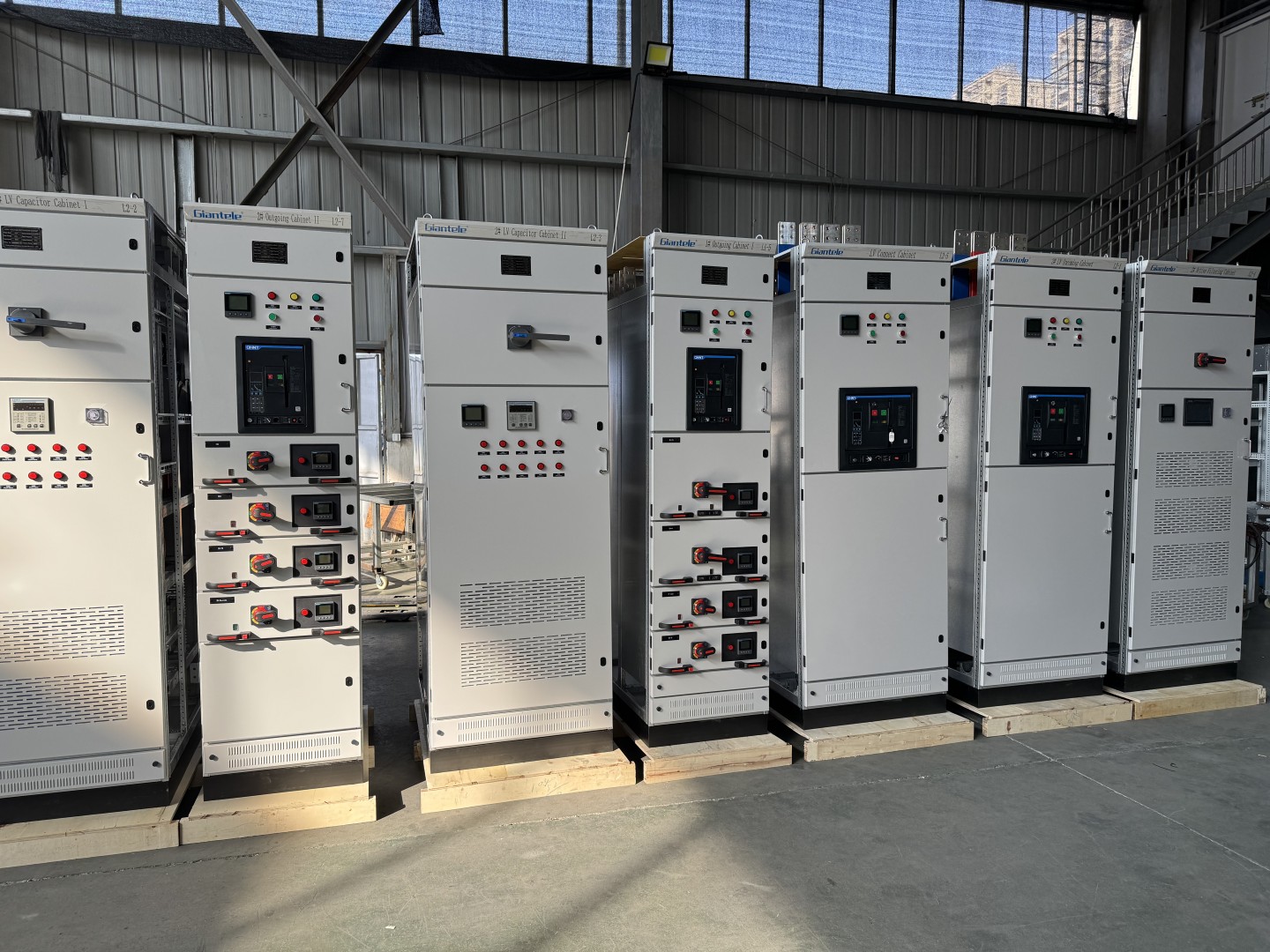 Control panels power every industrial facility. Find trusted control panel manufacturers, panel builders, and electrical panel suppliers who deliver IEC-compliant custom industrial control panels for your project. Get a quote today.
 -
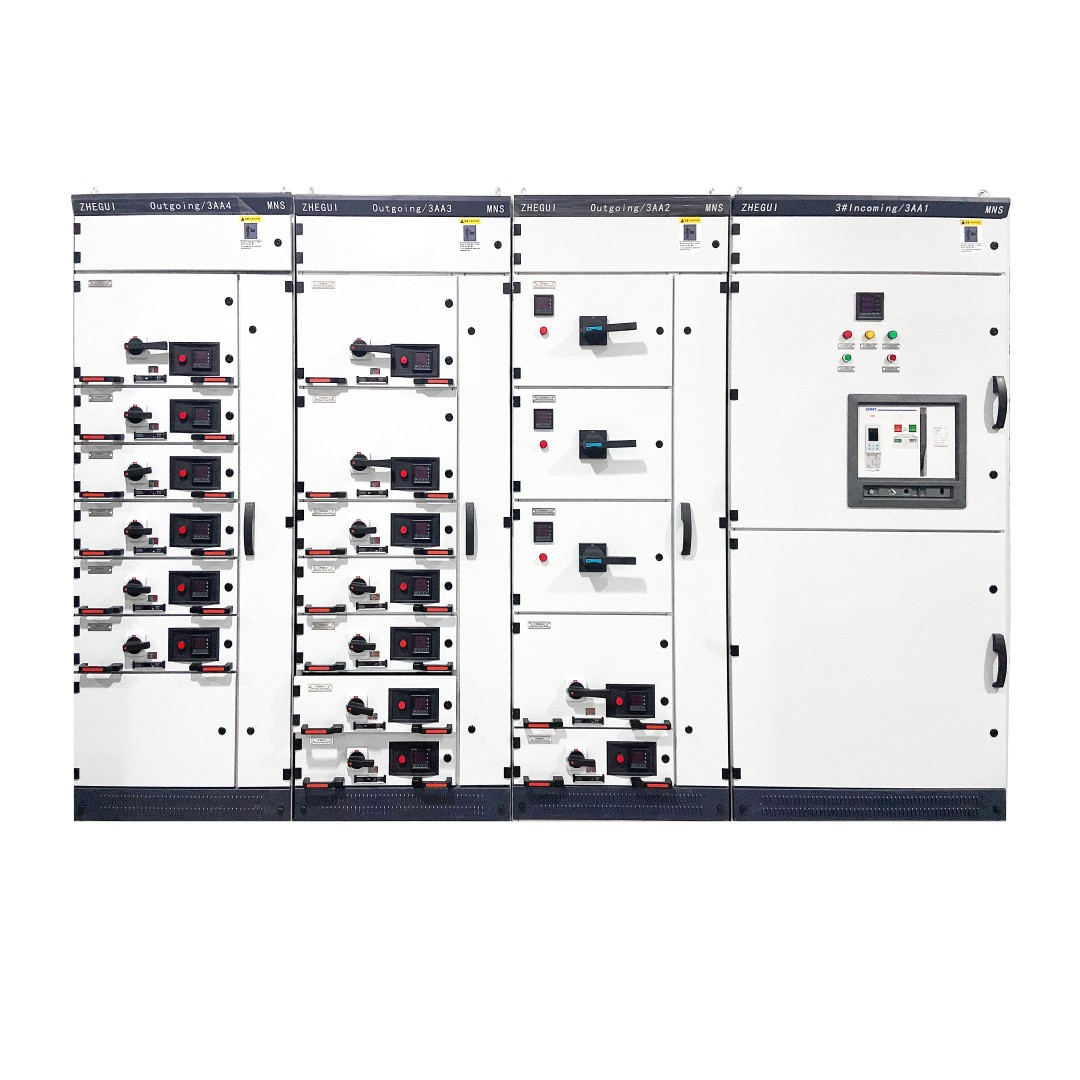 A motor control center panel centralizes motor control and protection in one enclosure. Compare MCC panel types, motor control center cost, and find trusted motor control center suppliers, motor control center manufacturers, and MCC panel suppliers for your next industrial project.
