

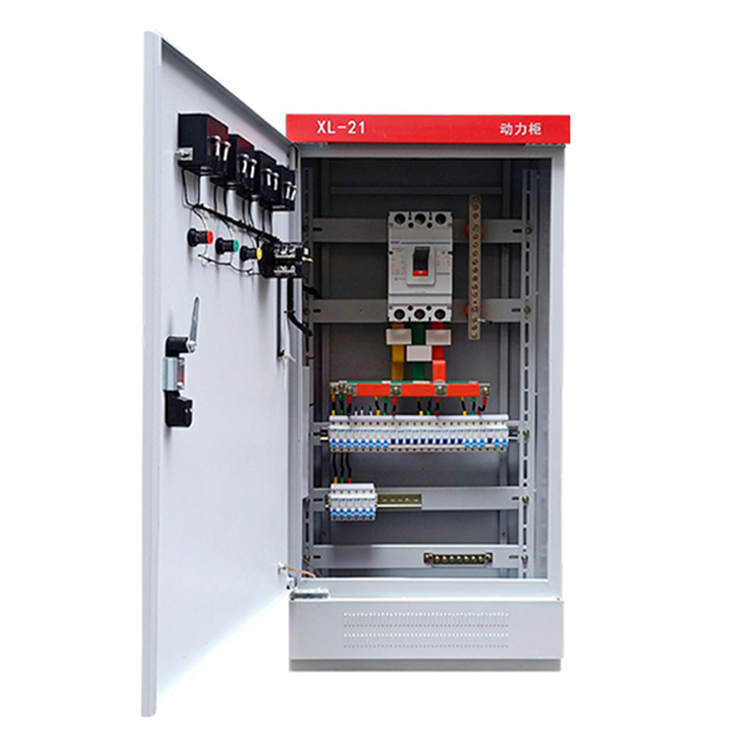
Your factory loses money every minute the power is down. A well-built power distribution board prevents that. This guide explains what a power distribution board does, how to choose one for your project, and why IEC 61439 matters more than the price tag.
What is a power distribution board?
A power distribution board is the central electrical panel that receives incoming power from your transformer or generator and splits it into multiple outgoing circuits. Each circuit feeds a different part of your facility. Think of a power distribution board as the junction where bulk power becomes usable power.
Without a power distribution board, you would have no way to isolate a faulty motor without shutting down the whole plant. Every factory, mine, and commercial building across Africa relies on a power distribution board to keep operations running even when one circuit trips.
In different regions you may hear terms like distribution box or electrical db. These names all point to the same equipment. No matter what you call it, the power distribution board sits at the heart of your electrical system.

How a power distribution board works in your electrical system
Power enters your site at medium or low voltage. The main incomer feeds the power distribution board through a main circuit breaker. From there, copper or aluminum busbars carry current to individual branch breakers.
Each branch breaker protects one circuit. When a fault happens on that circuit, only that breaker trips. The rest of the power distribution board keeps working. You isolate and fix the problem while production continues on other lines.
For African projects with unstable grid supply, the power distribution board often connects to both utility power and a backup generator through an automatic transfer switch. The ATS detects grid failure and switches to generator power within seconds. The distribution box must handle this transition without damaging connected equipment inside the power distribution board.
Most industrial facilities use a three-phase four-wire system. A power distribution board distributes all three phases plus neutral and earth to each outgoing circuit. Single-phase loads like lighting and small tools connect between one phase and neutral. Three-phase loads like motors and pumps use all three phases.

Key components inside a power distribution board
A power distribution board is more than a metal box. Six core components determine whether your power distribution board works reliably for 20 years or fails in two.
Main circuit breaker. This is the master switch inside the power distribution board. It protects the entire assembly from overcurrent and lets you shut down everything for maintenance. For units above 250A, you will use an MCCB or ACB instead of a basic MCB.
Busbars. These are thick copper or aluminum bars that carry current from the main breaker to the branch breakers. Undersized busbars overheat. In tropical climates across Africa's industrial zones, you must derate busbar capacity by 10 to 15 percent because ambient temperatures above 35 degrees Celsius reduce the unit's current-carrying ability.
Branch circuit breakers. Each outgoing circuit gets its own breaker sized to the load. A 63A breaker protects a 15kW motor circuit. A 16A breaker protects a lighting circuit on the same unit. Get this wrong and breakers trip constantly or, worse, do not trip when they should.
Residual current devices. RCDs detect leakage current to earth and trip before someone gets electrocuted. In wet areas like pump rooms and outdoor installations, RCDs inside the panel are not optional. They are mandatory for personnel safety.
Surge protective devices. Lightning strikes and switching surges kill electronics. An SPD installed at the incomer diverts surge energy to earth. For factories with VFDs, PLCs, and SCADA systems, skip the SPD and you will replace control boards every rainy season.
Enclosure. The steel cabinet protects everything inside from dust, water, and mechanical damage. An IP42 enclosure works indoors. An IP55 enclosure works outdoors in a dusty mining environment. Choose wrong and corrosion destroys the unit within two years.

Main types of power distribution boards
Not every power distribution board is the same. The type you need depends on where it sits in your power system.
Type | Location in system | Typical current rating | Common use |
|---|---|---|---|
Main distribution board (MDB) | Directly after transformer or generator | 630A to 6300A | Receiving and splitting bulk power to sub-panels |
Sub-distribution board (SDB) | After MDB, feeding a zone or floor | 100A to 630A | Distributing power to final circuits in one area |
Final distribution board | Last point before loads | 63A to 250A | Feeding lighting, sockets, and small equipment directly |
Motor control center | Dedicated to motor loads | 100A to 3200A | Starting, stopping, and protecting multiple motors in one panel |
Power distribution center | Large assembly combining MDB and MCC functions | 1000A to 6300A | Centralized control for entire process plants |
Distribution box / enclosure box | Small wall-mounted unit | 16A to 125A | Local isolation and protection for a few circuits |
Each type of power distribution board serves a specific role. The main distribution board handles the incoming supply. Sub-distribution boards feed specific zones or floors. Final distribution boards deliver power directly to end-use equipment.
A motor control center panel combines motor starters, contactors, and overload relays in one assembly. This is different from a standard power distribution board that only distributes power without motor control functions.
For outdoor installations on mining sites, the electrical distribution box uses welded steel with IP55 or IP65 rating. For indoor factory use, a floor-standing panel board with IP42 is usually enough.

Low voltage distribution panel vs. power distribution center: what is the difference
Many engineers mix up these two terms. The key point is that any unit operating up to 1000V AC counts as low voltage. A low voltage distribution panel receives from one source and feeds several outgoing circuits. It is the most common type of power distribution board in factories.
A power distribution center is a larger assembly. It combines a main distribution board, multiple sub-distribution sections, and often motor control in one integrated lineup. PDCs handle 1000A to 6300A. At this scale, the assembly becomes the single point of control for entire process plants.
Here is the decision rule. If you have one incomer and fewer than 20 outgoing circuits below 630A each, a standard low voltage unit meets your needs. If you have multiple incomers, more than 20 circuits, or loads above 630A, a power distribution center is the right choice.
The cost difference is significant. A basic unit with 12 outgoing ways starts around USD 2,500. A power distribution center for a mining process plant runs USD 40,000 to USD 150,000 depending on the switchgear configuration and protection requirements.
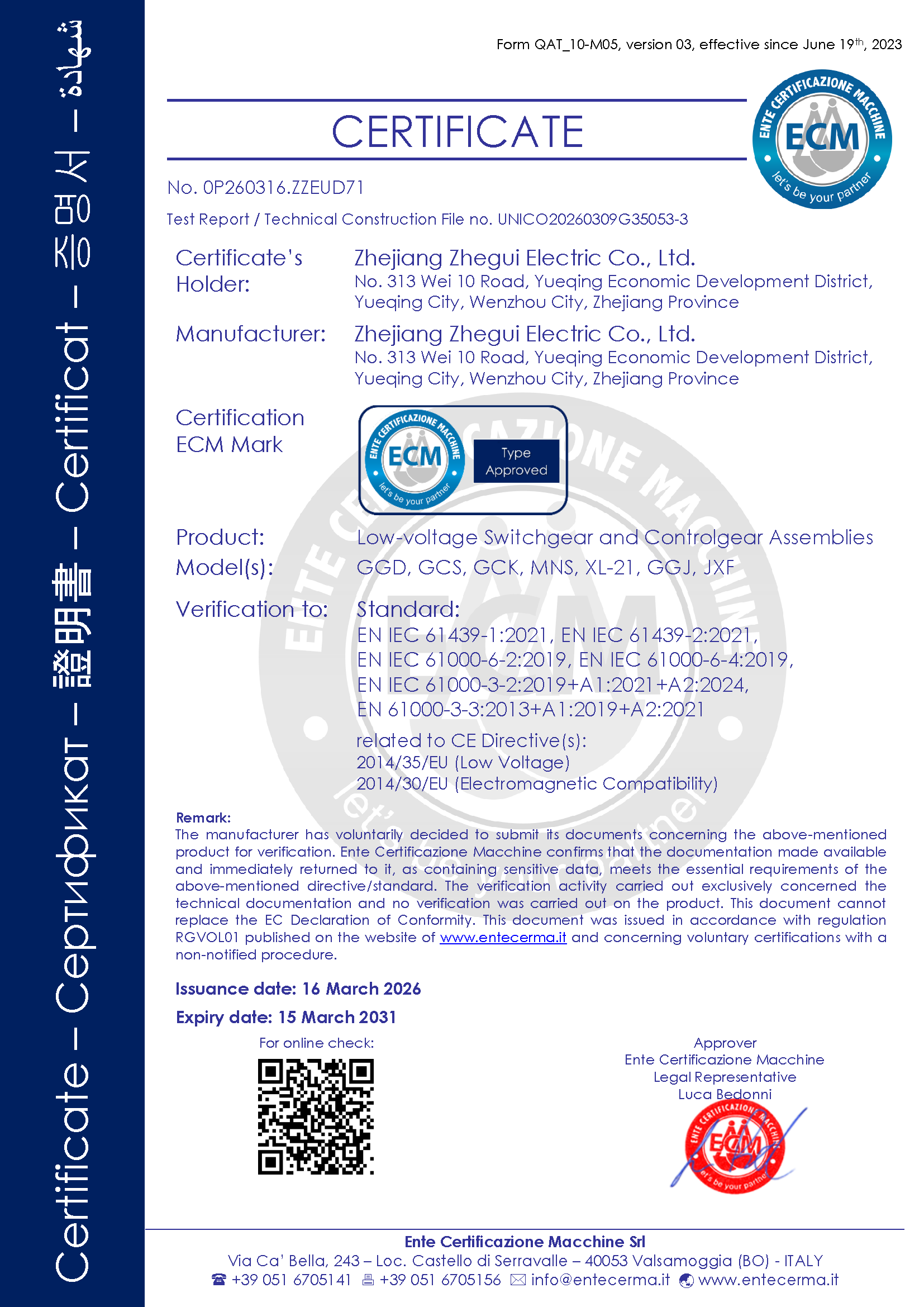
Both must comply with IEC 61439, the international standard for low-voltage switchgear and controlgear assemblies. Whether your power distribution board feeds 100A or 4000A, the design verification rules are the same. A low voltage switchgear assembly follows identical principles. The IEC maintains these standards to ensure safety across global markets.

Where panel boards are used: from factories to data center electrical equipment
Industrial plants rely on power distribution boards more than any other type of facility. A typical African agro-processing factory has one main unit receiving 800kVA from a transformer, three sub-distribution boards feeding production lines, and ten final distribution boxes for lighting and utilities.
Mining sites push every unit to its limits. A copper mine in Central Africa might use a power distribution center rated 4000A with arc-flash protection, remote monitoring, and IP65 enclosures. Dust, vibration, and extreme temperatures mean the power distribution board must be specified for conditions that would destroy a standard panel within months.
Water treatment plants need units with high RCD sensitivity because pumps run in wet environments. A 30mA RCD is the minimum. For critical pumps, 10mA devices on the panel add an extra layer of protection.
Data center electrical equipment follows stricter rules. Tier III and Tier IV data centers in major African cities require dual-bus power distribution boards with automatic failover. If one unit fails, the second takes over without interruption. These assemblies include power monitoring on every circuit, remote alarm contacts, and integration with building management systems.
VFD panel deserves special attention. When you feed motors through variable frequency drives, harmonics flow back into the power distribution board. Without proper filtering and busbar sizing, harmonics overheat the neutral conductor and cause nuisance tripping. A capacitor bank with detuned reactors solves this by absorbing harmonics at their source.

IEC 61439 and the standards that matter for your electrical DB
IEC 61439 is the international standard for low-voltage switchgear and controlgear assemblies. Published by the IEC, IEC 61439-2 specifically covers power switchgear and controlgear assemblies. It replaces the old IEC 60439 and introduces mandatory design verification through testing or calculation.
Here is what IEC 61439 requires for every power distribution board:
Verification item | What it checks | Why it matters for your project |
|---|---|---|
Temperature rise | Busbar and component temperature under full load | Prevents thermal runaway in 40-degree Celsius ambient conditions |
Short-circuit withstand | Whether the power distribution board survives a fault until the breaker clears it | Determines if your panel explodes or holds during a fault |
Dielectric properties | Insulation between phases and phase-to-earth | Stops flashovers that destroy switchgear |
Mechanical operation | Whether breakers, doors, and withdrawable units work smoothly | Ensures safe maintenance access |
IP rating | Protection against dust and water ingress | IP42 for indoor, IP55 for outdoor, IP65 for mining |
Creepage and clearance | Distance between live parts | Prevents tracking and arcing in humid tropical air |
Most African utilities and project financiers require IEC 61439 compliance. National regulators across the continent reference it in their grid codes. The African Development Bank and World Bank funded projects demand type-tested assemblies for every power distribution board in the specification.
A non-compliant electrical distribution box might cost 30 percent less upfront. But when the insurance assessor finds a non-IEC unit after a fire, your claim gets denied. This happens more often than you would think.
For backup power integration, an automatic transfer switch panel must also comply with IEC 60947-6-1. This ensures the transfer mechanism operates reliably during grid-to-generator transitions.
6 things to check before you buy a distribution box
Buying a power distribution board without checking these six items is like ordering a truck without checking if the engine fits.
1. Total connected load and diversity factor. Add up every motor, light, and socket the unit will feed. Then apply a diversity factor because not everything runs at once. A board sized for 800A of connected load might only need 500A of busbar capacity. Get the calculation wrong in either direction and you pay for it.
2. Short-circuit level at the installation point. Ask your utility or project electrical engineer for the prospective short-circuit current at the incomer. In many African industrial zones, 25kA to 50kA is common. Your panel board must withstand this for the time it takes the upstream breaker to clear the fault, usually 0.1 to 1 second.
3. Number of outgoing ways plus 25 percent spare. A unit with exactly 12 ways will be full the day you install it. Add 25 percent spare capacity. If you need 12 circuits today, specify a 16-way power distribution board. Retrofit costs triple the original panel price.
4. IP rating matched to installation environment. Indoor, clean, air-conditioned: IP42. Outdoor under a roof: IP54. Outdoor exposed to rain and dust: IP55. Mining or quarry: IP65. One IP level wrong reduces the unit's life from 20 years to 5 years in tropical conditions.
5. Form of internal separation. Form 1 means no separation between busbars and terminals inside the enclosure. Form 3b separates each functional unit from all others. For critical processes where you cannot shut down the whole assembly to service one circuit, Form 3b or Form 4a is worth the extra 20 percent cost.
6. Tropical climate provisions. Standard units tested at 25 degrees Celsius ambient will overheat at 40 degrees. Specify tropicalized components with wider temperature margins. Add anti-condensation heaters for high-humidity coastal sites. Add vermin-proof mesh for cable entries. These small additions prevent failures that cost days of downtime.
For reactive power management, integrate an automatic power factor correction panel downstream of the main power distribution board. This eliminates utility penalties and frees up transformer capacity for future loads.

FAQ
What is the difference between a power distribution board and a switchboard?
A power distribution board splits incoming power into multiple outgoing circuits. A switchboard does the same but handles higher currents above 1600A and often includes incoming metering, protection relays, and bus-section couplers. In practice, the line between them blurs at around 1600A to 2500A.
How long does a power distribution board last?
A well-built unit from a manufacturer using first-tier components lasts 20 to 30 years in indoor environments. Outdoor installations in tropical climates last 10 to 15 years with proper maintenance. The limiting factor is usually busbar insulation degradation and contactor wear, not the steel enclosure.
Can I install a power distribution board outdoors?
Yes, but you need an IP55 or IP65 enclosure with a rain canopy, sun shield, anti-condensation heater, and corrosion-resistant coating. Standard indoor units rust within two rainy seasons if installed outdoors in tropical coastal or inland sites.
Do I need surge protection in my electrical DB?
If your facility has any electronics, like VFDs, PLCs, computers, or digital meters, then yes. A Type 1+2 SPD at the main incomer protects the entire downstream system. For data center electrical equipment, add Type 2 SPDs at sub-distribution boards for layered protection.
What is a distribution box vs. a distribution panel?
A distribution box is usually smaller, wall-mounted, and handles up to 125A with 4 to 12 circuits. A distribution panel is floor-standing, handles 250A to 3200A, and acts as main or sub-main distribution. Both are types of power distribution boards, and the terms overlap in the 100A to 250A range.
How much does a power distribution board cost?
A basic 12-way wall-mounted distribution box starts around USD 800. A floor-standing sub-distribution panel with 24 ways costs USD 3,000 to USD 8,000. A main low voltage unit rated 2000A costs USD 15,000 to USD 40,000. Prices for a power distribution board vary with component brands, IP rating, and customization.
Do African utilities require type-tested power distribution boards?
Yes. National regulators across sub-Saharan Africa reference IEC 61439 which mandates design verification for every unit connected to the grid. Non-compliant assemblies cannot be connected and will be rejected during commissioning inspection.
Why do power distribution boards fail in tropical climates?
Three reasons: underventilated enclosures cause internal temperatures to exceed component ratings, condensation from high humidity corrodes busbars and terminals, and dust ingress blocks ventilation paths. All three are preventable with proper specification.
Final thoughts
A power distribution board is the backbone of your electrical system. Get your power distribution board right and your plant runs for decades. Get it wrong and you chase faults forever.
Contact Giantele for a technical proposal that matches your load, your environment, and your budget.
-
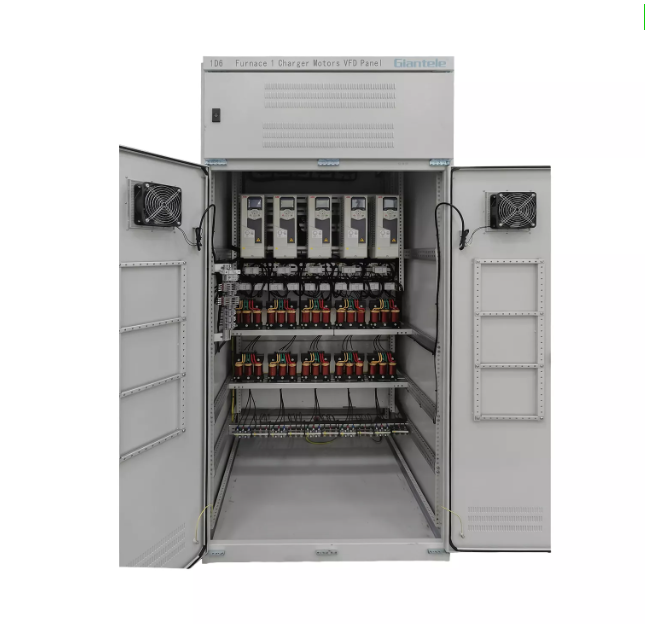 VFD Control Panel is a motor control cabinet for speed control, protection, and stable operation. It is also called a VFD panel because it houses the drive and related electrical parts in one cabinet.
 -
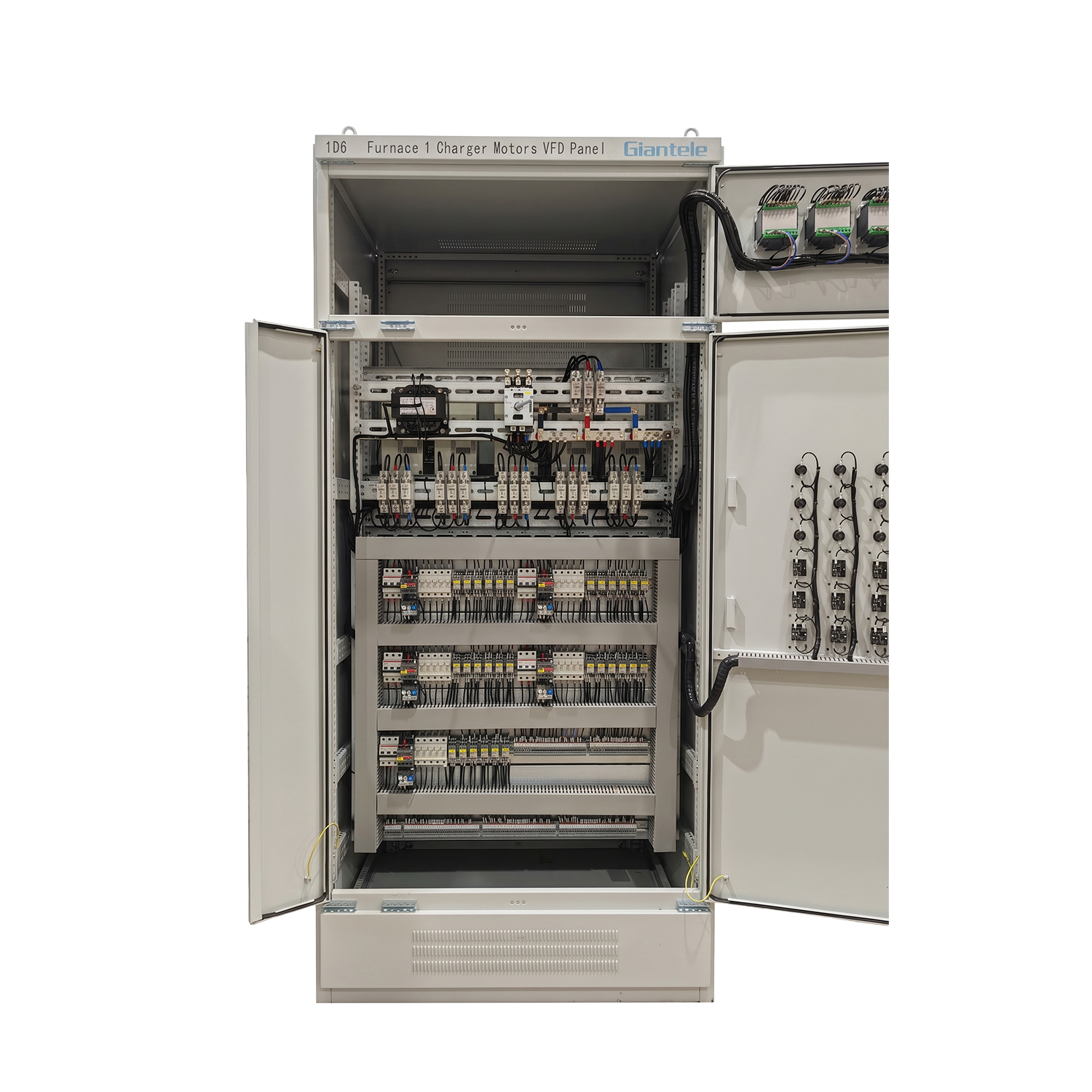 You can see different electrical distribution boards in homes, offices, and factories. Picking the right power distribution board helps you make things more reliable, scalable, and safe. You get steady power, room to grow, and safety from electrical problems.
 -
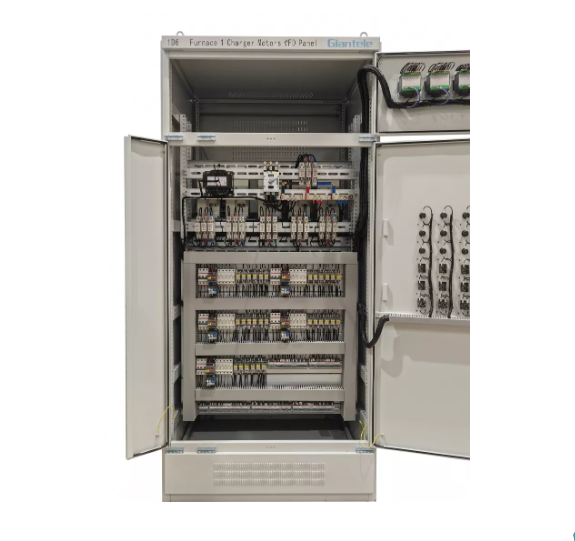 Electrical Distribution Panel guide covering panel types, sizing, safety, and installation tips. Learn how to choose the right distribution board today.
 -
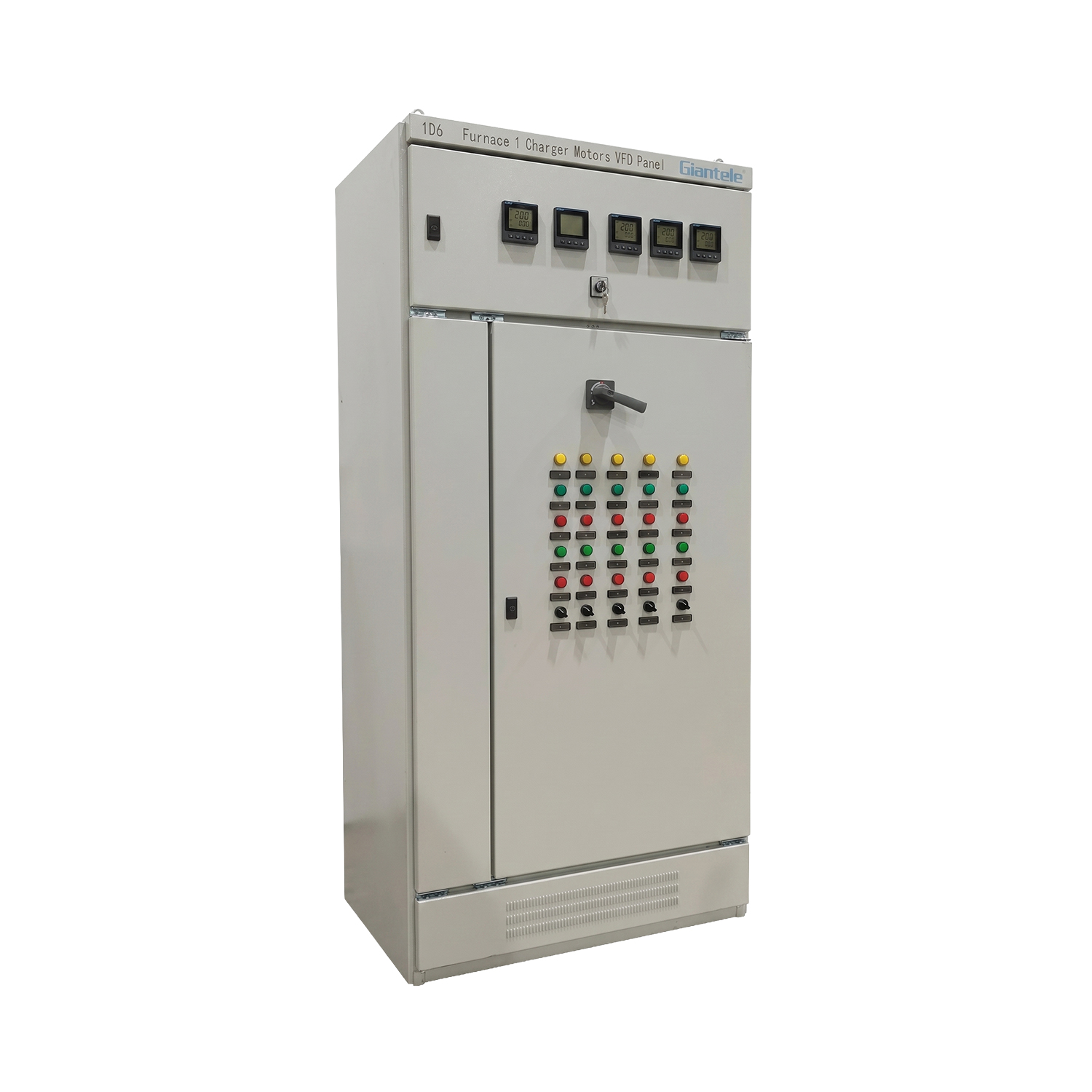 Selecting the right power distribution board for your project is one of the most consequential decisions in any electrical installation. From light commercial fit-outs to large-scale industrial facilities, the wrong choice creates safety risks, operational disruptions, and costly retrofits. This guide breaks down the complete selection process — covering load calculation, low voltage power distribution board specifications, IEC compliance, environmental protection ratings, and supplier evaluation. Whether you are specifying a distribution cabinet for a manufacturing plant or a switch panel for a commercial building, this structured approach helps you match the right equipment to your project's exact demands, budget, and long-term goals.
