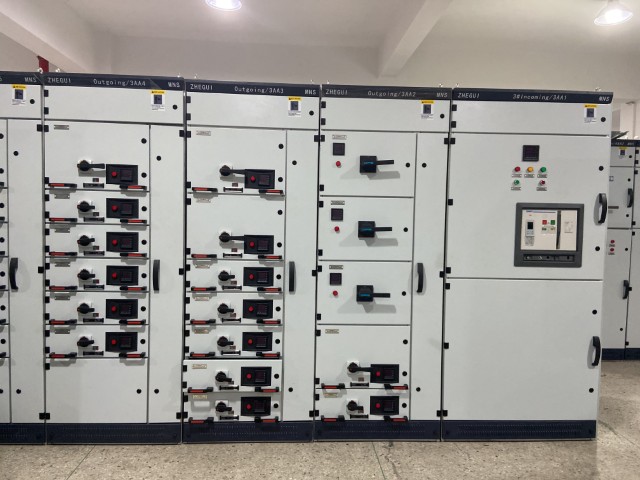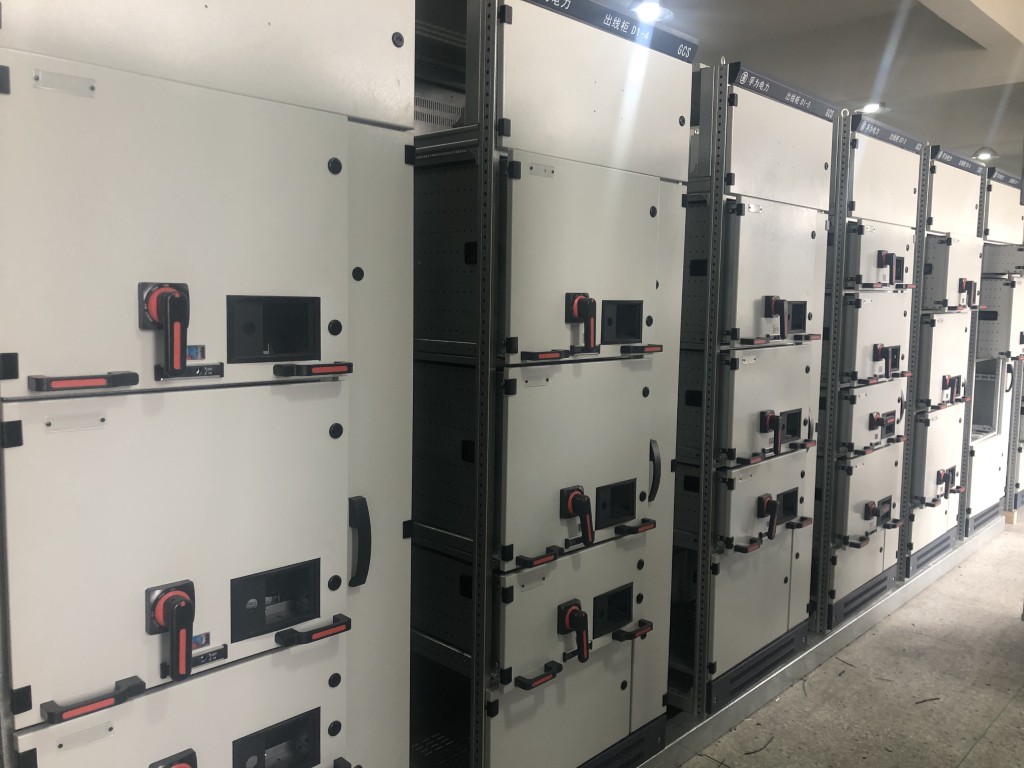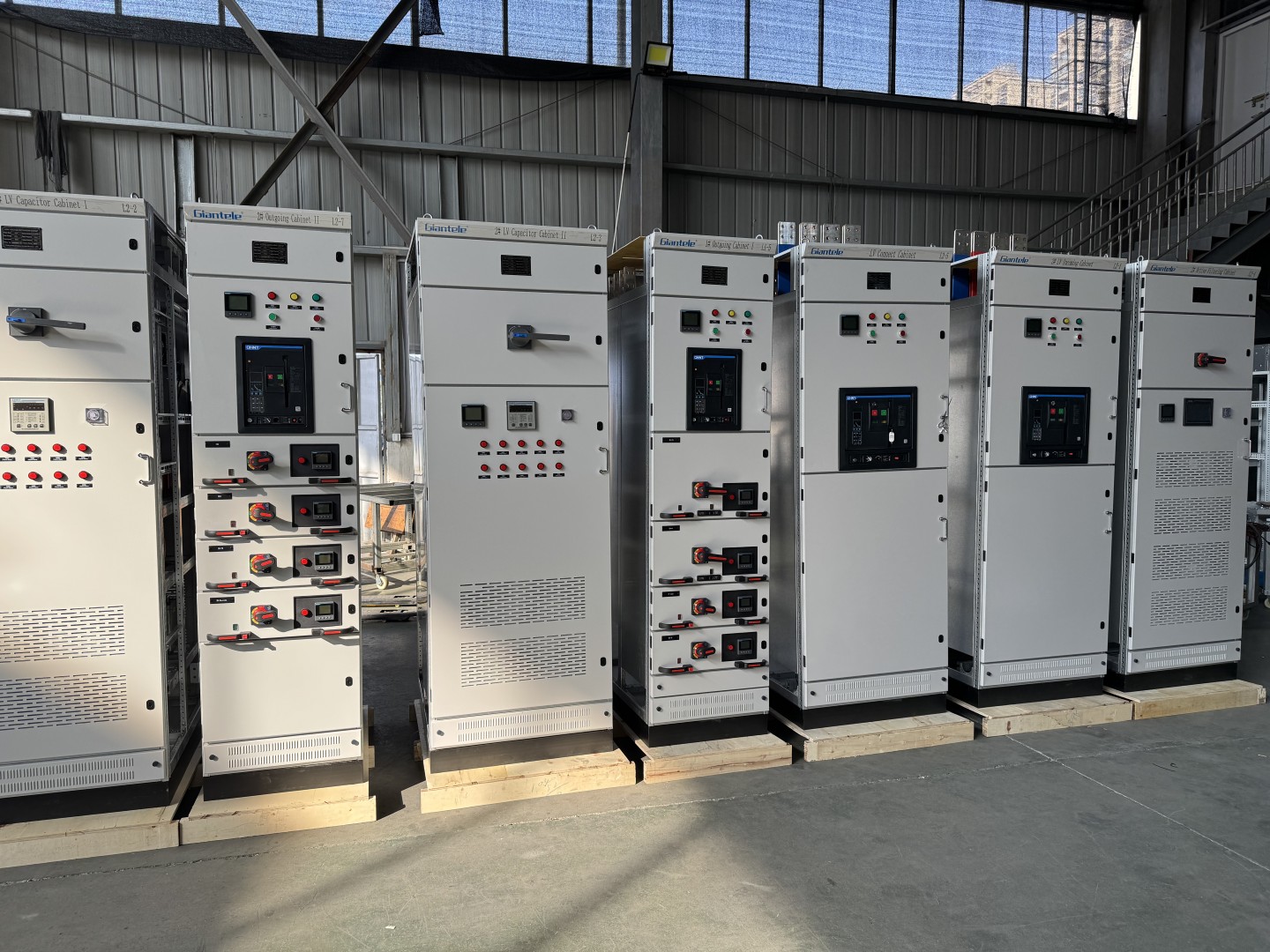
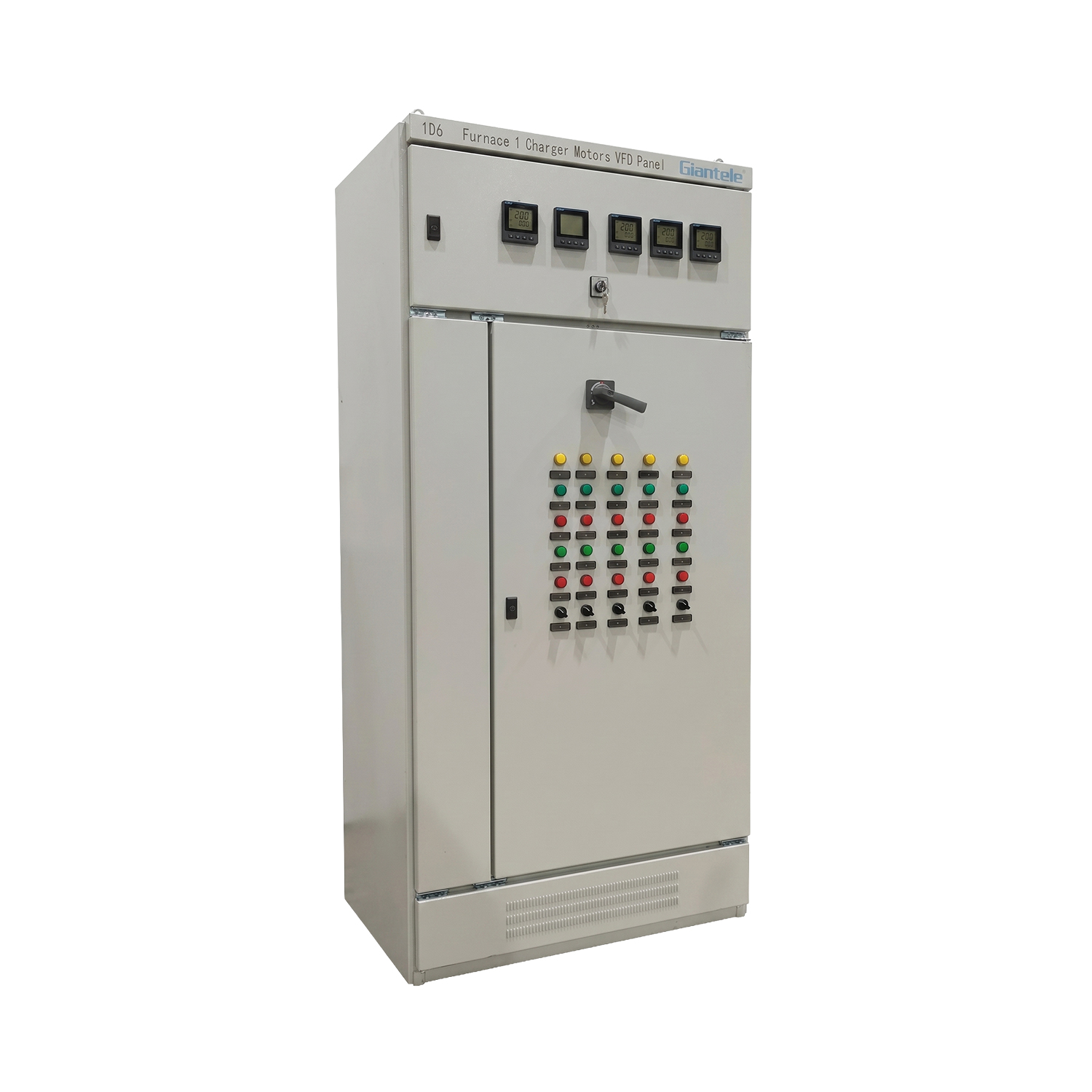
A motor control centre that runs for 12 years in an air-conditioned factory can fail in 12 months at a dusty mine or humid processing plant. The environment kills the panel long before the components wear out. Finding firms that supply motor control centers built for these conditions means looking beyond the catalogue and checking what the enclosure, busbar treatment, and IP rating actually say about real-world survival. The IEC 61439 standard defines the verification framework, but the engineering choices behind it determine whether your motor control cabinet lasts or fails.
Key Takeaways
- Environment decides the enclosure: A low voltage motor control center in a cement plant needs IP54 minimum with gasketed doors. A standard IP41 panel will fill with conductive dust within months.
- Not all IP54 means the same thing: IP54 with neoprene cable glands and anti-condensation heaters is not the same as IP54 with plastic knockouts and no climate control. The difference shows up in year two.
- Busbar derating is non-negotiable: At 45 degrees C ambient, copper busbars carry 15-20% less current. Suppliers who skip this calculation sell you an industrial motor control center that overheats under load.
- Factory test reports separate serious suppliers from catalogue sellers: Ask for the dielectric test, temperature-rise verification, and short-circuit withstand report before you pay.
- CE certified, IEC 61439 compliant: Giantele electric motor control panel assemblies come with documented test reports for every verification point, ready for industrial projects across Africa, the Middle East, and Southeast Asia.
Why Standard Motor Control Centers Fail in Harsh Industrial Environments
Most industrial control panels are built for clean, dry electrical rooms. Move that same panel into a copper mine in Lubumbashi or a cassava processing plant in Kampala, and the failure rate climbs fast. Three environmental factors cause the majority of premature motor control panel failures in the field.
The three killers of a Motor Control Cabinet in the field
- Conductive dust. Cement, coal, and metal dust settle on busbars and across terminal gaps. When humidity rises, that dust turns into a conductive path. Tracking and flashover follow — usually at 3 AM when production is running full speed.
- Condensation and corrosion. In tropical climates, a motor control centre enclosure cools at night after running warm all day. Moisture condenses on cold metal surfaces inside the panel. Bare copper busbars corrode. Screw terminals lose contact resistance. Six months later, you are chasing intermittent trips with no obvious cause.
- High ambient temperature. An industrial motor control center inside a compressor house or furnace building in Mombasa hits 45 degrees C by midday. Busbars rated for 35 degrees C ambient run 15-20% above design temperature. Insulation ages faster. Contactors weld. The panel fails not because the design was wrong, but because it was designed for the wrong place.
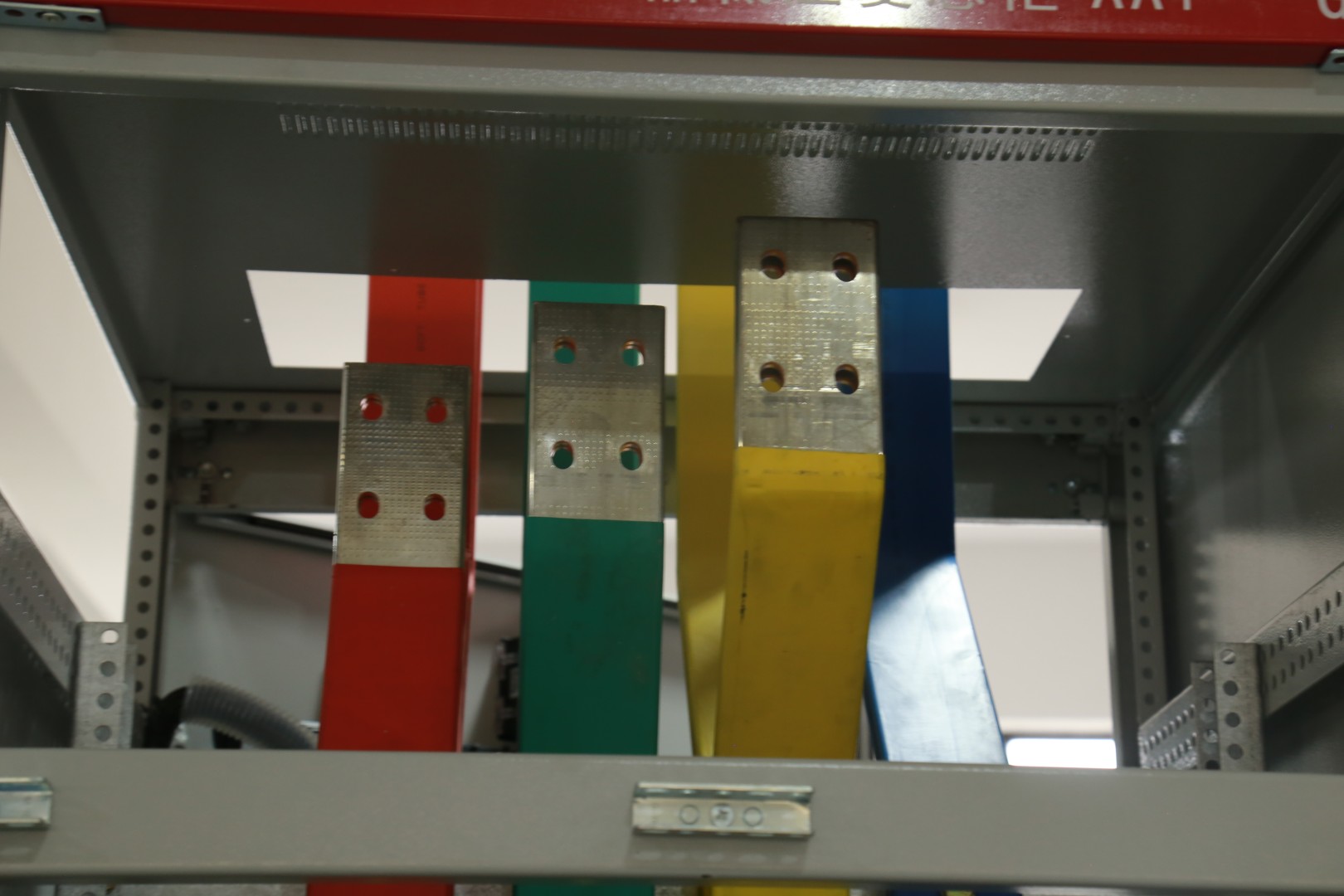
The IP rating trap
IP54 means dust-protected and splash-proof. But the standard only tests a clean, empty, properly assembled enclosure. It does not test cable entries, ventilation fans, or door seals after 500 open-close cycles. That is why you ask the industrial control panel manufacturers how they maintain the IP rating at every cable entry point and after years of field use, not just on a test certificate.
What to Look For in Industrial Control Panel Manufacturers for Harsh Conditions
Not every industrial control panel manufacturers listing "harsh environment" on their website can deliver it. A genuine custom industrial control panels supplier for tough sites does four things that catalogue sellers skip.
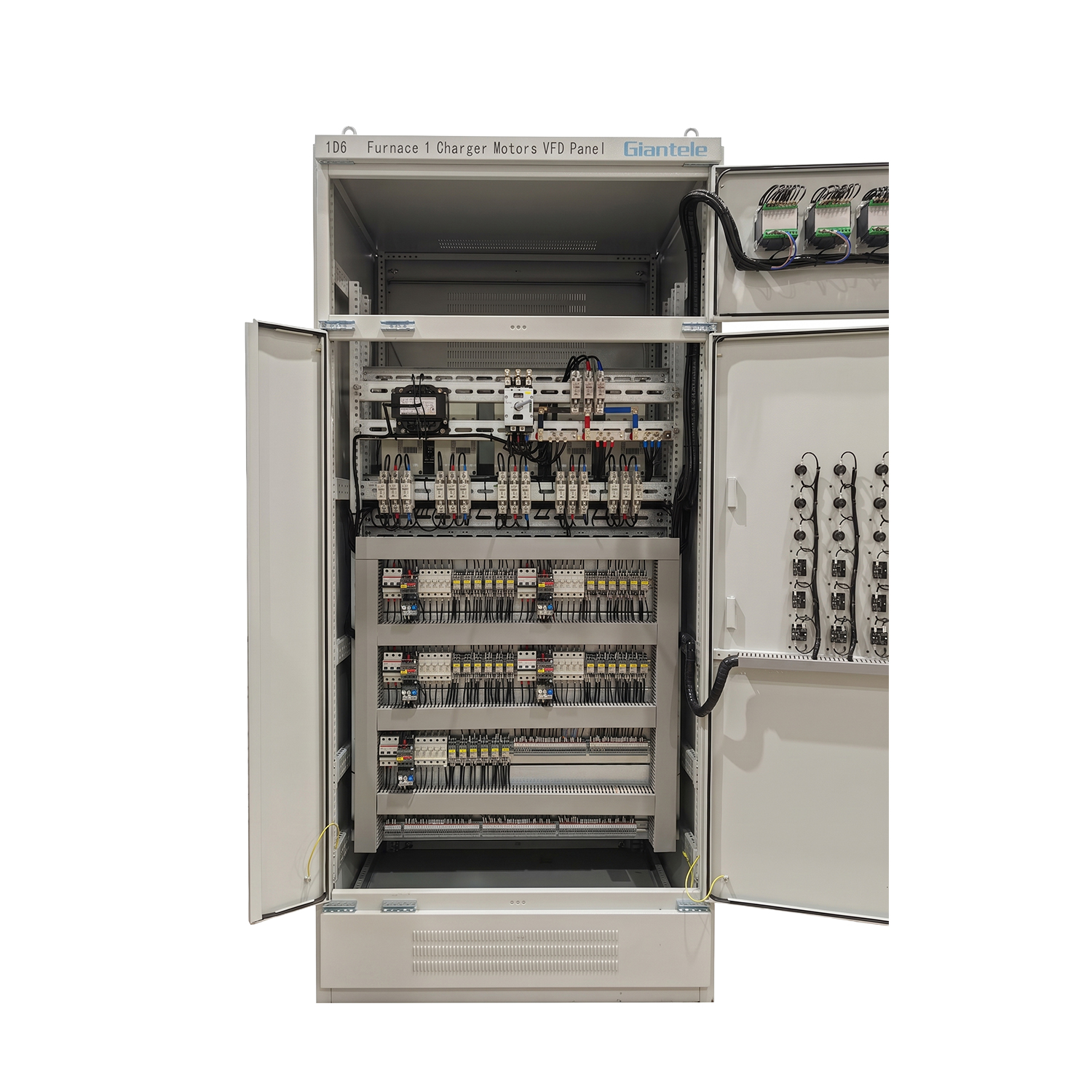
Four signs of a serious harsh-environment MCC supplier
Low Voltage Motor Control Center Enclosure Design for Dust, Humidity, and Heat
Enclosure protection for a low voltage motor control center is not one size fits all. Three different environments demand three different approaches. The table below maps the most common harsh industrial settings to minimum IP ratings and design features.
| Environment | Minimum IP | Key Protection | Typical Sites | Extra Requirement |
|---|---|---|---|---|
| Dusty (cement, grain, mining) | IP54 | Gasketed doors, filtered vents | Cement plants, flour mills, quarries | Pressurized enclosure or filtered intake |
| Humid (tropical, coastal) | IP54 | Anti-condensation heater, tin-plated busbars | Coastal substations, riverside pump stations | Hygrostat-controlled heater, 100W minimum |
| High temperature (compressor houses, furnace areas) | IP42 | Forced ventilation, derated busbars | Compressor rooms, steel mills, boiler houses | Thermal calculation at 45-55 degrees C ambient |
| Washdown (food, beverage, chemical) | IP65 | Stainless steel enclosure, sealed glands | Bottling lines, slaughterhouses, chemical dosing | 316L stainless, sloped roof, no flat surfaces |
| Combined (mining + tropical) | IP55 | Pressurized, filtered, heated, derated | Open-pit mines in DR Congo, Zambia, Angola | All of the above combined |
How to Evaluate a Motor Control Panel Supplier's Harsh-Environment Capability
You find a supplier who says they build industrial control panels for tough conditions. How do you separate real capability from marketing? Ask these five questions and request the documents. The answers make the difference between a panel that survives and one that fails visible before you pay.
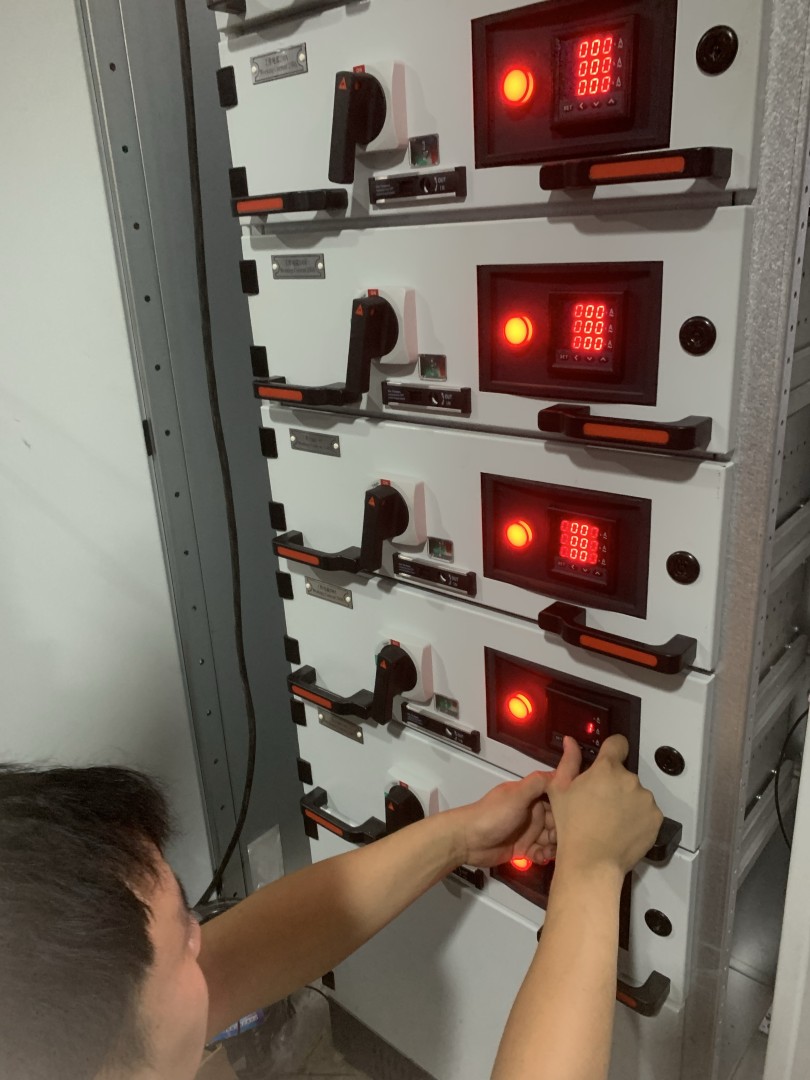
Five documents every buyer should request
- Temperature-rise verification report. Per IEC 61439-1 clause 10.10, with your panel's actual busbar rating and an ambient reference that matches your site.
- Dielectric test report. Confirms insulation integrity at rated voltage plus surge margin before the panel leaves the factory.
- Short-circuit withstand verification. Shows the panel can handle the prospective fault current at your installation point for the specified duration.
- IP test certificate. Not a marketing claim. A test report from an accredited lab confirming the enclosure met the stated IP rating under test conditions.
- Project reference list. Ask specifically for projects in similar environments. A supplier with five years of MCC deliveries to cement plants or coastal substations has field data. A supplier with only indoor factory installations does not.
Also check whether the supplier manufactures under ISO 9001 quality management. A documented quality system does not guarantee a good panel, but the absence of one guarantees inconsistent build quality from one order to the next.
Single-source vs. multi-vendor
When you buy the motor control panel from one company, the VFDs from another, and the PLC from a third, nobody owns the integration. During commissioning, each vendor blames the other. A single custom industrial control panels supplier who provides the complete MCC, including drives, PLC, and integration engineering, gives you one throat to choke when something does not work. For harsh-environment projects where every day of delay costs real money, that matters.
Four Steps to Source the Right Industrial Motor Control Center for Your Site
Finding the right industrial motor control center for a harsh site follows a clear sequence. Skip a step and you either overpay for protection you do not need or under-spec and pay later in failures.
Frequently Asked Questions
What is the difference between a standard motor control center and one built for harsh environments?
Can a standard MCC be upgraded for a harsh environment after installation?
How much extra does a harsh-environment motor control center cost?
Which IEC standards apply to a motor control panel for harsh conditions?
What is the life expectancy of a motor control center in a harsh environment?
Should I buy a fixed or withdrawable MCC for a harsh environment?
How do I compare quotations from different industrial control panel manufacturers?
Final Thoughts
A low voltage motor control center built for harsh conditions is not a catalogue item with a higher IP number. It is an engineered assembly where the busbar treatment, cable entry, ventilation, and climate control all match the actual site data. The suppliers who deliver that are the ones who ask for your ambient temperature, dust type, and humidity range before they quote a price. Contact Giantele with your site conditions and single-line diagram for a verified motor control panel design that matches your environment, not a generic catalogue.
Get a Harsh-Environment MCC Proposal for Your Site
Send us your site ambient data, motor list, and single-line diagram. Our engineers return a thermally verified panel design with documented test reports within 24 working hours.