

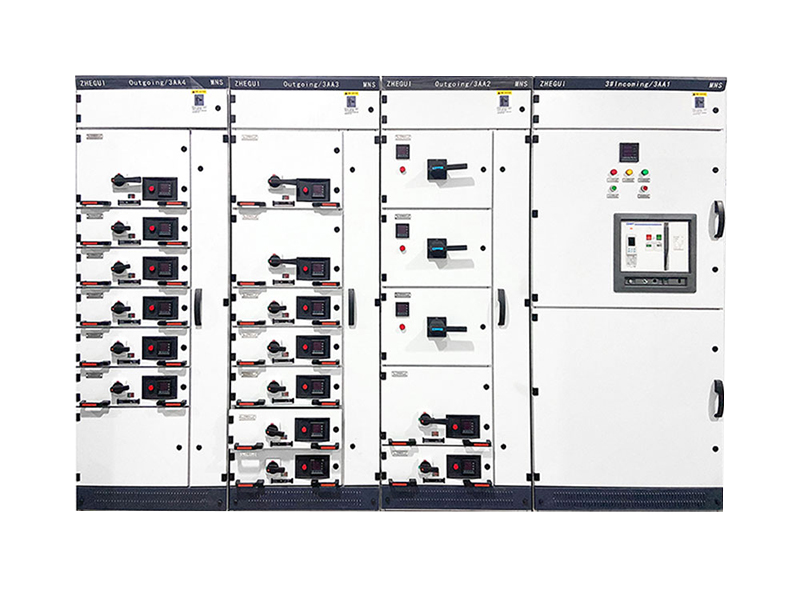
Your factory needs a new motor control center. You have two choices. Buy a panel from a catalog and assemble the engineering yourself. Or work with an export manufacturer who designs, builds, and tests the complete MCC at their factory — then ships it with full documentation and remote support for your local installation team. The second option costs less over the life of the equipment. Here is how to find companies that deliver genuine turnkey mcc motor control center engineering.

What turnkey motor control center design actually means
For an export manufacturer, turnkey electrical motor control center engineering means you receive a finished, tested system — not a pile of parts. The provider owns the design, the component selection, the manufacturing, and the factory testing. You handle the site work with their remote support.
The scope starts with load analysis and single-line diagrams. Then it moves to component selection, busbar sizing, and protection coordination. Next comes manufacturing and IEC 61439 type-test verification. After that, factory acceptance testing (FAT) lets you watch the motor control center panel perform under load before it ships. The provider then delivers the MCC with a full documentation package: single-line drawings, GA drawings, test reports, installation manuals, and a commissioning checklist. Your local electrical contractor follows these documents to install and commission the panel. The manufacturer supports this phase remotely — video calls, WhatsApp, email — to answer questions as they come up.
A low voltage motor control center is a complex assembly. Between 80 and 120 separate components must work together inside a single enclosure. Busbars carry thousands of amps. Protection relays coordinate across multiple circuit breaker levels. A minor design error like wrong busbar spacing, underrated contactors, or poor ventilation causes hotspots, nuisance trips, or arc faults months after startup. Turnkey engineering catches these problems on the drawing board, not in your production bay. IEC 61439, the international standard for low voltage switchgear and controlgear assemblies, defines the verification methods a proper turnkey provider follows from day one (source: IEC).

Key capabilities to look for in motor control center manufacturers
Most shops can assemble a control panel. Fewer can engineer a complete electrical mcc from scratch. When you screen motor control center manufacturers, use this checklist:
Capability | What to ask for | Why it matters |
|---|---|---|
In-house design team | Number of electrical engineers on staff, their qualifications | Design mistakes caught late cost 10x more to fix than early ones |
Design software | EPLAN, AutoCAD Electrical, or equivalent single-line drawing tools | Proper drawings let your local team troubleshoot years later |
Type-test certification | IEC 61439 design verification reports from an accredited lab | Proves the design works, not just the theory |
Factory test facility | Load bank, primary injection test set, insulation resistance tester | FAT catches wiring errors before the panel leaves the factory |
Project references | Contact details for 3 similar projects completed in the last 3 years | Past performance predicts future results |
After-sales support | Spare parts availability, remote troubleshooting via video call, detailed service manuals | A broken MCC at a remote mine needs a fast diagnosis, not a three-day wait for an email reply |

You also need to look beyond the MCC itself. A growing number of factories in emerging industrial markets now integrate motor control center mcc systems with VFD panels for process control. If your project mixes fixed-speed and variable-speed motor loads, ask whether the provider designs VFD control panels as part of the same package. A single engineering team handling both avoids the finger-pointing that happens when an MCC vendor and a VFD vendor blame each other for integration problems. Both panels ship together in one container, tested as a combined system at the factory — your local team connects the field cables to clearly labeled terminals and follows a step-by-step commissioning checklist.
How to evaluate a company's electrical motor control center design process
A serious turnkey provider shows you how they work before you sign a contract. Ask these four questions:
Do you provide a preliminary single-line diagram before quoting? A shop that quotes from a verbal description without a single-line drawing is guessing. You pay for that guesswork later.
Can I see a sample bill of materials from a past project? Look at the components: are they international brands your maintenance team recognizes? A BOM filled with obscure local components locks you into one supplier for spare parts forever.
What is your design review process? The provider should schedule at least two formal review meetings: one at schematic completion and one at panel layout approval. Each review produces a signed document. If the answer is "we send you a drawing to approve," that is not a review process. That is a handoff.
Do you conduct type testing or routine testing only? IEC 61439 distinguishes between design verification (type testing) and routine verification (production testing). Design verification proves the motor control center design handles rated current, short-circuit stress, and temperature rise under worst-case conditions. Routine verification checks each unit for wiring errors and basic function. You need both.
A motor control center that passes only a quick functional test before shipping may work fine for six months, then fail when your factory runs at full load during the dry season with ambient temperatures above 40 degrees Celsius. This is a common scenario in hot climate regions where ambient temperatures exceed 40 degrees Celsius during the dry season.

For industrial plants running multiple large motors like cement mills, crushers, or extrusion lines, the MCC must also coordinate with upstream low voltage switchgear. The incomer breaker settings, busbar ampacity, and fault current rating at the MCC must stay below the upstream switchgear limits. A turnkey provider that also builds switchgear can verify this coordination in their own lab instead of relying on calculated values. Even if their engineers cannot travel to your site, factory-verified coordination settings mean your local contractor installs with confidence.
Industrial control panels vs. turnkey MCC: know the difference
A standard control panel enclosure with a few motor starters bolted to a backplate is not an MCC. The two serve different purposes and carry different engineering requirements.
Industrial control panels suit simple applications: a pump skid with two motors, a standalone compressor, a packaging machine. You wire each panel independently. There is no shared busbar. If one panel fails, only one machine stops. These panels work fine when the motors are physically spread across a facility and centralized control is not practical.
A motor control center panel serves the opposite purpose. It centralizes control for 10 to 50 motors in one location. A continuous horizontal busbar feeds power to all vertical sections. Form separation, typically Form 2, 3, or 4 per IEC 61439, creates physical barriers between functional units, busbars, and terminals. If a contactor arc occurs in one starter bucket, the barriers prevent it from propagating to neighboring units. This separation is what keeps one failed motor starter from shutting down your entire production line.
Turnkey MCC engineering adds another layer: the provider sizes the busbar for future expansion, arranges starter buckets so large units sit at the bottom for cable access, and places the incomer section at the center rather than the end to keep voltage drop balanced across both wings. These decisions come from experience, not from a datasheet.
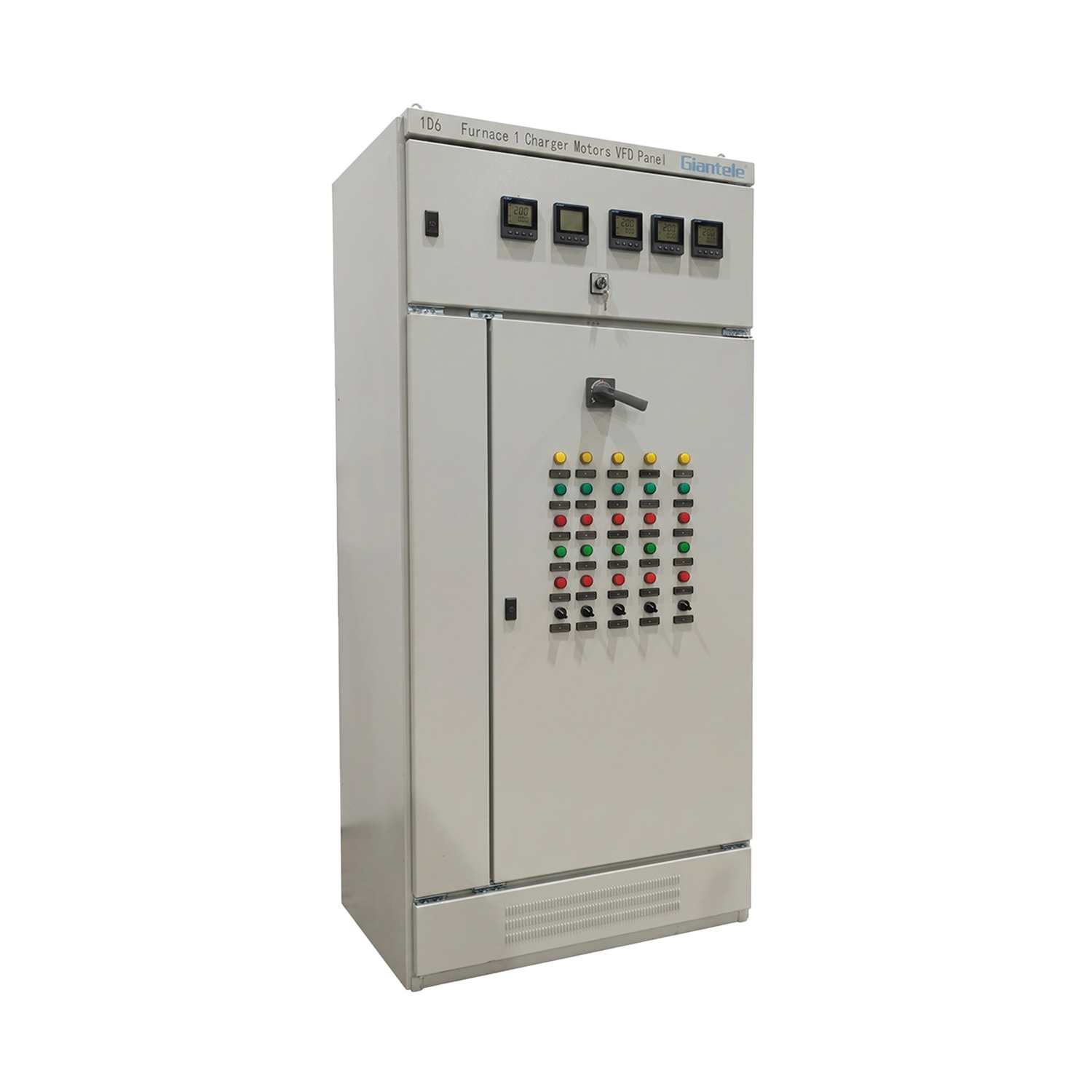
The line between panels blurs when you add VFDs. A modern MCC often includes variable-speed drive buckets alongside fixed-speed starter buckets within the same assembly. This hybrid approach saves floor space and simplifies cable routing. Make sure your provider has experience with both technologies inside the same enclosure. Harmonic interaction between VFDs and across the shared busbar can cause nuisance tripping if not addressed during the motor control center design phase.
Red flags when screening mcc motor control center service providers
You can eliminate most bad candidates before you see a quote. Watch for these warning signs:
No dedicated engineering staff. If the company cannot name the engineers who will work on your project, they outsource design. Outsourced design means no accountability when something goes wrong.
Cannot provide a FAT procedure. Factory acceptance testing is a standard deliverable for any motor control center manufacturers claiming turnkey capability. If they seem confused by the request, walk away.
Quotes arrive unreasonably fast. A proper MCC quote requires load analysis, single-line drafting, and component selection. A quote that arrives in 24 hours skipped these steps. The price you see is fiction.
No reference projects outside their home country. Export packaging, tropicalization treatment, and multi-language documentation matter when your MCC ships internationally to a remote mining or industrial site. A provider with only domestic experience will learn these lessons on your shipment.
Vague about component brands. If the provider refuses to commit to specific breaker and contactor brands, they intend to substitute whatever is cheapest on the day. Your spares inventory depends on knowing exactly what is inside the panel.
A motor control center represents a 15-to-30-year investment. How long an mcc cabinet lasts depends on build quality, component selection, and maintenance. These are factors a turnkey provider controls from day one. The cost of downtime from a poorly engineered MCC, including lost production, damaged motors, and safety incidents, dwarfs the upfront price difference between a competent provider and a cut-rate shop. IRENA data shows that industrial energy consumption across emerging economies is projected to grow by over 60 percent through 2040 as manufacturing expands and mining operations modernize (source: IRENA). This growth means your MCC will run harder and longer than a comparable installation in a mature market. Build for that reality.
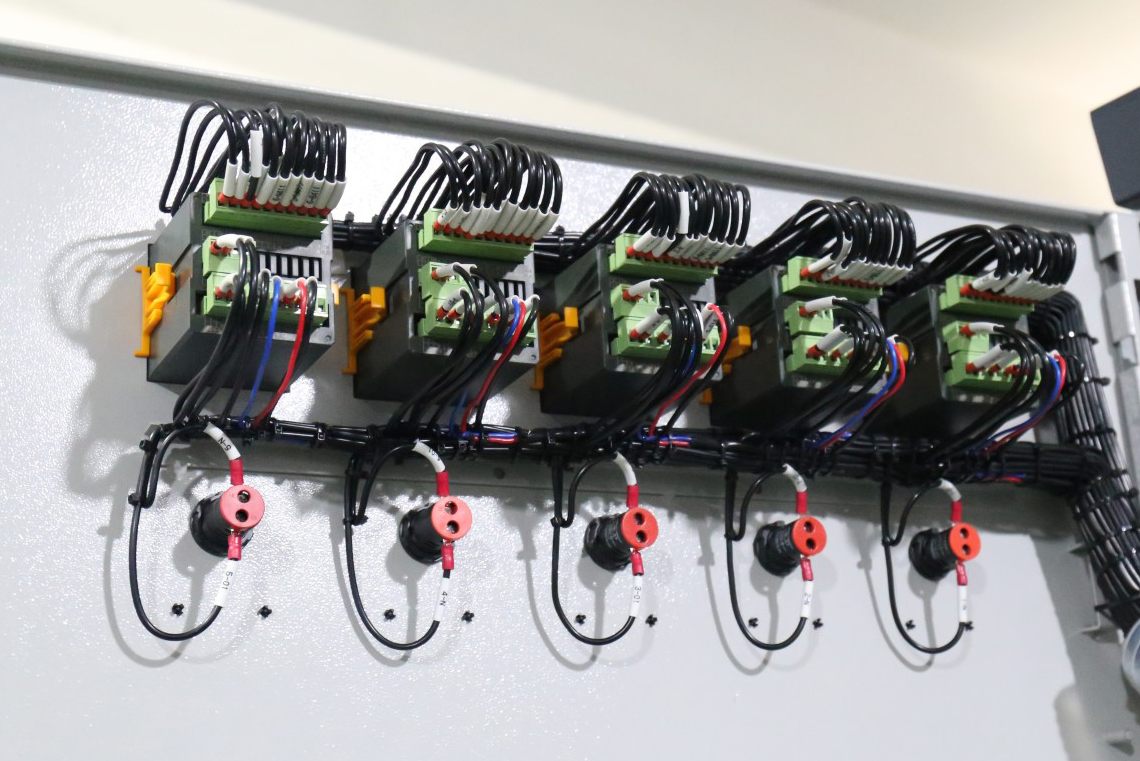
For facilities in humid coastal industrial zones, ask about anti-condensation heaters and conformal coating on PCBs. If the provider has never heard of tropicalization, they have not shipped equipment to tropical regions before. Also confirm the enclosure IP rating: IP42 for indoor installations, IP54 minimum for dusty or outdoor environments. These details separate motor control center manufacturers who understand field conditions from those who only understand factory floors.
Frequently asked questions
How long does a turnkey motor control center project take from order to commissioning?
For a standard low voltage motor control center with 15 to 30 starter units, expect 10 to 14 weeks for design and manufacturing, plus 3 to 5 weeks for shipping and site work. Custom configurations add 3 to 6 weeks.
Can a turnkey provider handle installation at a remote site in emerging markets?
Most export motor control center manufacturers support remote installation. They ship a full documentation package — single-line drawings, terminal schedules, and a step-by-step commissioning checklist — and their engineers stay available by video call to guide your local electrical contractor. Avoid providers who ship nothing but a packing list.
What is the difference between a motor control center panel and a distribution board?
A motor control center panel controls motors with starters, contactors, and overload relays. A power distribution board distributes power to lighting, HVAC, and other auxiliary loads through circuit breakers. Combining both in one enclosure is possible but requires careful thermal analysis.
How do I verify that the design meets IEC standards?
Request the design verification report from an IEC 17025-accredited laboratory. It confirms the motor control center mcc design passed temperature rise, short-circuit, and degree of protection tests per IEC 61439. A certificate of conformity is not the same — certificates list standards, reports contain measured values. Ask for the report.
What happens if an MCC unit fails after installation?
Form separation lets you isolate and replace a failed starter bucket without shutting down the entire electrical mcc. Most electric motor control panel failures follow predictable patterns. Ask for a recommended spares list and confirm parts availability for at least 10 years after commissioning.
Can the same provider design both the MCC and the upstream switchgear?
This is ideal. When one engineering team designs the low voltage switchgear and the industrial control panels downstream, they verify protection coordination, busbar sizing, and fault current cascading as a single system. Two separate vendors often leave gaps at the interface. Each assumes the other covered it.
Does the provider offer remote monitoring or IoT integration?
Modern intelligent MCCs include communication-ready relays and gateways that connect to SCADA or cloud platforms. Ask the motor control center design team to specify Modbus TCP, Profibus, or Ethernet/IP interfaces from the start — retrofitting later costs far more.
What is the minimum project size for turnkey MCC services?
Most providers set a minimum of 8 to 10 motor starter units. Below that, individual wall-mounted starters or smaller industrial control panels are more cost-effective than a full motor control center panel.
Final thoughts
A turnkey motor control center is a 20-year asset. The right engineering partner matters more than the purchase price. Look for a manufacturer with in-house design engineers, proven type-test documentation, a thorough FAT process, and a documented remote support system that has been tested on projects in your region.
-
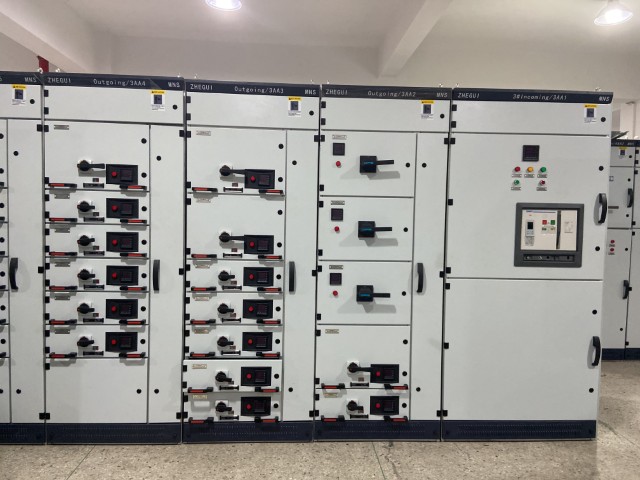 Find motor control center manufacturers for custom mcc cabinet, panel mcc. Compare motor control center mcc design, electrical motor control center specs.
 - Compare motor control center cost. Find motor control center suppliers and mcc manufacturers. Covers motor control panel specs, industrial electrical panels, and control panel fabrication.
-
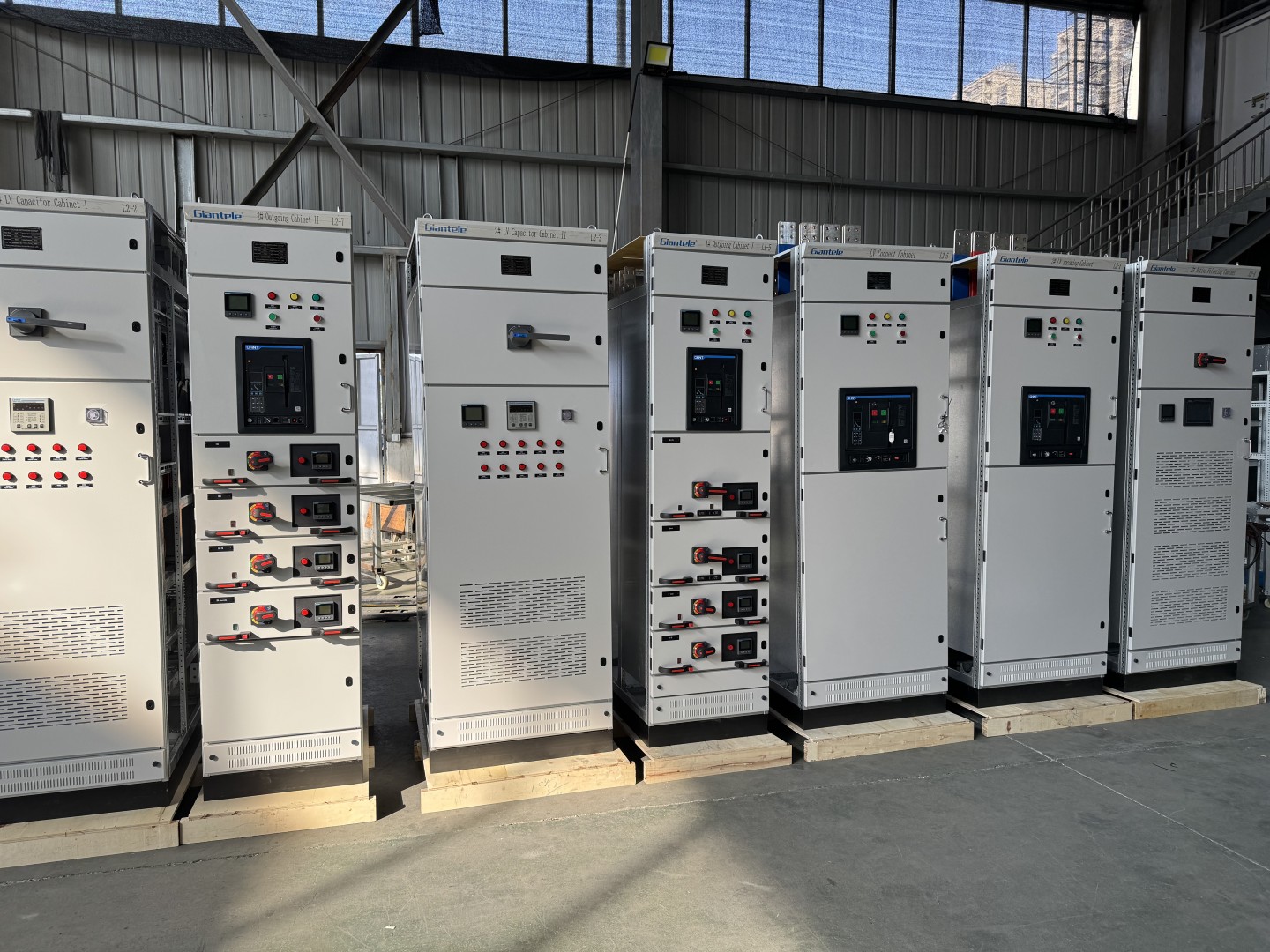 Compare motor control centre costs across four safety tiers. Find reliable mcc panel suppliers and choose industrial electrical panels that match your project budget and risk profile.
 -
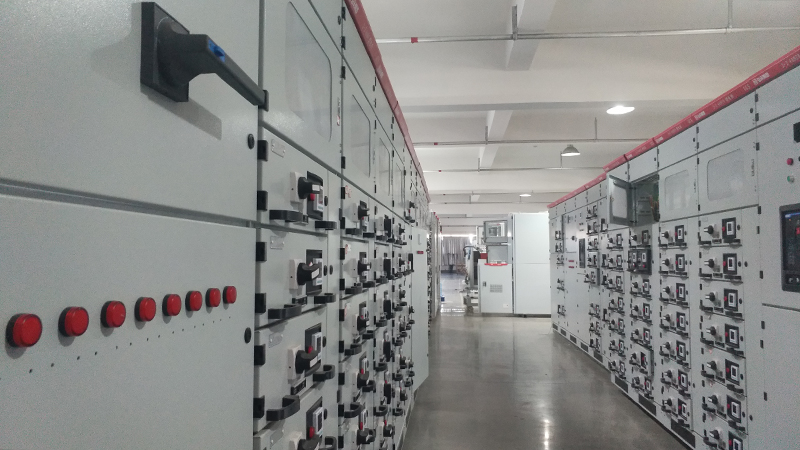 Custom motor control panel design for complex projects. Compare mcc manufacturers, motor control center suppliers, and industrial panel specs. Get a quote.
