

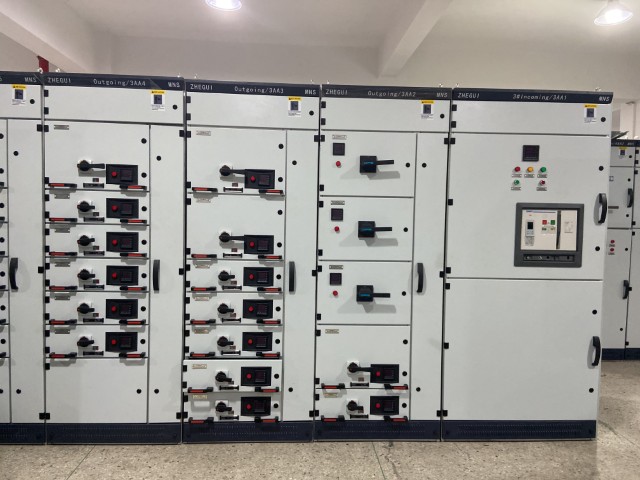
Most "custom" claims from motor control center manufacturers fall apart when you ask for a non-standard busbar layout. You need an mcc motor control center built to your project specs, not a catalog unit with different paint.

When "custom" actually means custom in motor control center manufacturing
Many suppliers say they build custom motor control center mcc units. What they mean is you can pick a contactor brand and a paint color. That is configuration, not custom engineering.
True custom motor control center manufacturers design from your single-line diagram. They size busbars to your fault level, not to a pre-calculated table. They lay out compartments to match your cable entry positions, your operational workflow, and your maintenance access constraints. If a manufacturer cannot show you their in-house busbar design calculation sheet, they are assembling from templates, not engineering for your site.
The distinction matters because an mcc cabinet built from a fixed module library forces your project to fit the product. A custom-built unit fits your project. For a sugar mill in Kenya running 15 motors of different ratings on an unstable grid, the difference is 30 minutes less downtime per fault, and thousands of dollars saved per year in avoided production loss.
How to read past the brochure: engineering capability signals
A glossy PDF tells you nothing about a motor control center supplier's real capability. You need signals that cannot be faked.
First, ask who owns the engineering drawings after delivery. A genuine custom motor control center manufacturer hands over the complete SLD, wiring schematics, and busbar layout, no restrictions. Assembly shops that modify existing templates often keep drawings proprietary because they do not want you seeing how little they changed.
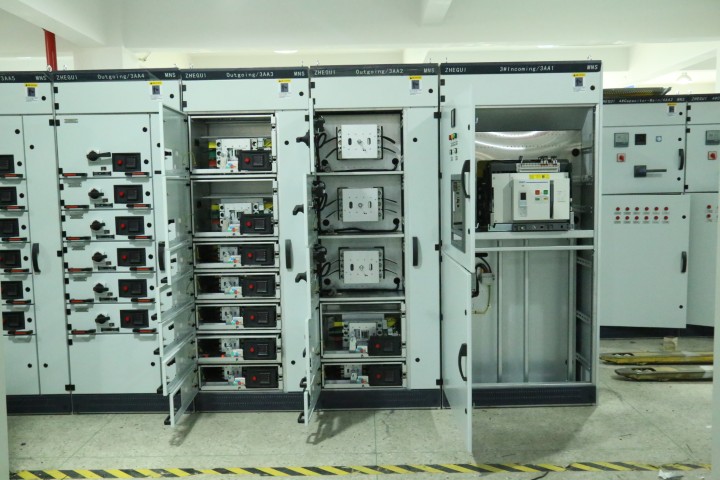
Second, ask about their busbar design process. Every low voltage motor control center needs busbars rated for the specific short-circuit current at your site. A factory that does in-house busbar sizing, calculating cross-section, support spacing, and temperature rise per IEC 61439, is an engineering company. One that buys pre-sized busbar kits is an assembly shop. The difference shows in your panel's heat performance after five years of continuous duty in a Lagos factory at 38 degrees ambient.
Third, check their component sourcing flexibility. A real custom motor control center panel builder lets you specify any IEC-compliant component brand. Catalog shops push one or two preferred brands because their templates only fit those form factors.
IEC 61439 form separation and what it tells you about the manufacturer
The IEC 61439 standard defines four forms of internal separation for low-voltage switchgear assemblies. Your manufacturer's comfort level with each form reveals their engineering depth.
Form | What it means | What it tells you about the manufacturer |
|---|---|---|
Form 1 | No internal separation | Standard assembly capability only |
Form 2a | Terminals separated from busbars | Basic engineering, common for simple panels |
Form 2b | Terminals and functional units separated from busbars | Mid-level engineering competence |
Form 3a | Functional units separated from each other, terminals not separated | Solid engineering shop |
Form 3b | Functional units separated from each other, terminals separated from functional units | Strong engineering team |
Form 4a | Terminals in same compartment as functional unit, all separated from busbars | High-end custom manufacturer |
Form 4b | Terminals in separate compartment, everything isolated | Full engineering capability |
A manufacturer who only offers Form 1 through Form 2b is not a custom panel mcc builder, regardless of what their website says. They operate a standardized production line. Form 3 and Form 4 assemblies require genuine engineering: each compartment must be designed around your specific components, cable sizes, and thermal requirements. For a mine in Zambia where maintenance happens while adjacent sections stay live, Form 4b is not optional. It is a safety requirement.
Most African industrial projects, cement plants in Nigeria, water treatment in Tanzania, mining operations in the DRC, need Form 3b minimum. If your shortlisted motor control center manufacturers hesitate when you mention Form 4, remove them from the list. Custom means they build to your safety requirements, not to their production convenience.
The busbar: what a custom mcc cabinet reveals about build quality
The busbar system is the single best proxy for a manufacturer's build quality. Everything else, paint, labels, door hinges, is surface-level. The busbar carries every amp your motors draw and must survive every fault your system can throw at it.

A proper custom mcc cabinet uses electro-tinned copper busbars with bolted joints. Never welded, because bolted joints allow maintenance and thermal expansion. The busbar chamber must be physically segregated from cable termination zones. Support insulators should be placed at calculated intervals based on the peak short-circuit current, not at evenly spaced "standard positions."
For an electrical motor control center in the Middle East or Southeast Asia where ambient temperatures routinely exceed 40 degrees Celsius, busbar derating becomes critical. A custom manufacturer runs the thermal calculation and adjusts the cross-section upward. A catalog shop ships the same 50-by-5 millimeter bar regardless of your site temperature. Then your panel runs hot for 15 years until a busbar joint fails.
Ask for the short-circuit test certificate. A manufacturer who built a real custom motor control center design will have a type-test report showing their busbar assembly withstood 50 kA or 65 kA for one second. If they only show you component certificates, "this breaker is rated 50 kA," they never tested the complete assembly. An assembly is not the sum of its components.
Customization checklist: 8 questions every motor control center manufacturer should answer
Before you send a deposit, demand clear written answers to these eight questions. Vague replies are red flags.
Who owns the drawings after delivery? You should receive the complete SLD, wiring diagrams, busbar layout, and BOM. No restrictions.
Can you build to any IEC 61439 form of separation? If they only offer Form 1-2, they are an assembler, not a custom motor control center builder.
Do you size busbars in-house per IEC 61439-1? You want a calculation sheet showing cross-section, support spacing, and temperature rise for your fault level and ambient temperature.
What is your FAT protocol? A real factory acceptance test includes point-to-point wiring verification, insulation resistance, dielectric test, functional testing of every starter and protection relay, and busbar torque check. Ask to see a sample FAT report.
Can I specify any IEC-compliant component brand? A real custom motor control center panel shop integrates whatever you specify. They do not push only one brand.
What documentation do you ship with the panel? You need test reports, as-built drawings, component certificates, and an ISO 9001 style quality dossier. Labels and terminal markings must match the drawings exactly.
What is your lead time from approved drawings? Custom mcc motor control center manufacturing takes 8 to 16 weeks. If they promise 3 weeks, they are pulling from stock, not building to order.
Can you support site commissioning remotely, or do you send an engineer? For projects in Africa, the Middle East, or remote parts of South America, on-site commissioning support separates serious manufacturers from order-takers.

A good way to test a manufacturer: send a sample single-line diagram with one unusual requirement, a mixed Form 3b/4b assembly, or a 55 kA busbar in a tropical-rated enclosure. Their response tells you everything. A strong engineering team comes back with questions about your cable entry, your ambient temperature profile, and your maintenance access constraints. An assembly shop sends you a price and a lead time in the same email.
For more on evaluating suppliers and comparing options, see our guides on motor control center suppliers and mcc panel suppliers.
Regional considerations for custom motor control center panels
Your site location shapes the motor control center panel design more than any catalog. Three factors matter most when you specify a custom electrical motor control center for projects outside Europe.
Tropical climates. Factories in Nigeria, Ghana, Kenya, and Angola demand IP42 or IP54 enclosures with corrosion-resistant coating on every steel surface. Standard indoor enclosures rust within two rainy seasons. Your panel also needs ventilation calculated for 40-plus-degree ambient. A standard derating factor applies to every busbar and component. If the manufacturer does not ask for your site's maximum ambient temperature, they are not engineering for your location.
Unstable grids. Power quality in much of Africa, South America, and parts of Southeast Asia is unpredictable. Your low voltage motor control center should include undervoltage protection, phase loss detection, and automatic restart delay logic on every motor feeder. These are not standard features in a European-market panel. They must be specified and designed in from the start.
Remote site logistics. A mine in the DRC or a water pumping station in rural Tanzania cannot accept a fully assembled 6-meter mcc cabinet. The road will not allow it. A custom manufacturer designs panel sections that bolt together on site, with clearly marked inter-section busbar links and plug-in cable connections. If your manufacturer cannot show you a transport split drawing for a previous remote-site project, ask why.

The World Bank and African Development Bank consistently cite unreliable power infrastructure as the top barrier to industrial growth in sub-Saharan Africa. A motor control center designed for a stable European grid will fail quickly in these conditions. Not because the panel is low quality, but because it was never engineered for the environment.
Related: understand how long your panel should last by reading our guide on motor control center manufacturer life expectancy, and learn to spot failures early with our MCC panel problems guide. If your project includes drives, see our VFD control panel buyer's guide. For projects requiring both MCCs and main distribution, review our low voltage switchgear page. For complex automation projects, explore our motor control panel design services.
Frequently asked questions
What is the difference between a standard and a custom mcc motor control center?
A standard mcc motor control center uses fixed module sizes, pre-engineered busbar ratings, and a limited range of Form separation options. A custom unit is designed from your single-line diagram with busbars sized to your fault level, compartments built to your component dimensions, and separation forms matched to your site safety requirements.
How long does custom mcc cabinet design and manufacturing take?
A custom mcc cabinet takes 8 to 16 weeks from approved drawings to factory acceptance testing. The design phase alone takes 2 to 4 weeks depending on the complexity of your single-line diagram and the number of motor feeders. Shipping to Africa, the Middle East, or South America adds 3 to 6 weeks depending on the port.
What standards should a custom low voltage motor control center meet?
A custom low voltage motor control center must comply with IEC 61439-1 and IEC 61439-2 for type-tested assemblies. This covers temperature rise, dielectric properties, short-circuit withstand, and mechanical operation. CE marking confirms compliance with the Low Voltage Directive 2014/35/EU. Always ask for the type-test certificate, not just component-level certifications.
Can you retrofit an existing motor control center panel?
Yes, but a retrofit of an existing motor control center panel requires careful engineering. The new sections must match the existing busbar rating, Form separation, and physical footprint. A capable custom manufacturer will visit your site or review detailed photographs and measurements before quoting.
What drawings do you need to start a custom motor control center design?
You need a single-line diagram showing every motor feeder with its kW rating, starting method (DOL, star-delta, soft starter, or VFD), protection requirements, and a site plan showing the available installation footprint. The more information you provide upfront, the fewer design revisions you will need.
How do you verify a motor control center manufacturer's FAT capability?
Ask for a sample FAT report from a previous project. A proper FAT checks point-to-point wiring, insulation resistance at 500 or 1000 VDC, dielectric withstand, functional testing of every motor starter circuit, protection relay injection testing, and busbar joint torque verification. If the sample report is two pages long, the manufacturer does not test seriously.
Does a custom motor control center cost more than a standard one?
A custom motor control center typically costs 15 to 30 percent more upfront than a catalog unit of similar capacity. But the total cost of ownership is usually lower because the panel matches your actual thermal, spatial, and operational requirements. Fewer field modifications, fewer hot spots, and faster fault finding when something goes wrong.
Final thoughts
Most motor control center manufacturers call themselves custom builders. Very few earn the label. The ones that do will show you engineering calculations, not marketing brochures. Contact Giantele for a technical proposal. Send us your single-line diagram and we will design an mcc motor control center that fits your project, your site, and your budget.
-
 Compare motor control center cost. Find motor control center suppliers and mcc manufacturers. Covers motor control panel specs, industrial electrical panels, and control panel fabrication.
 -
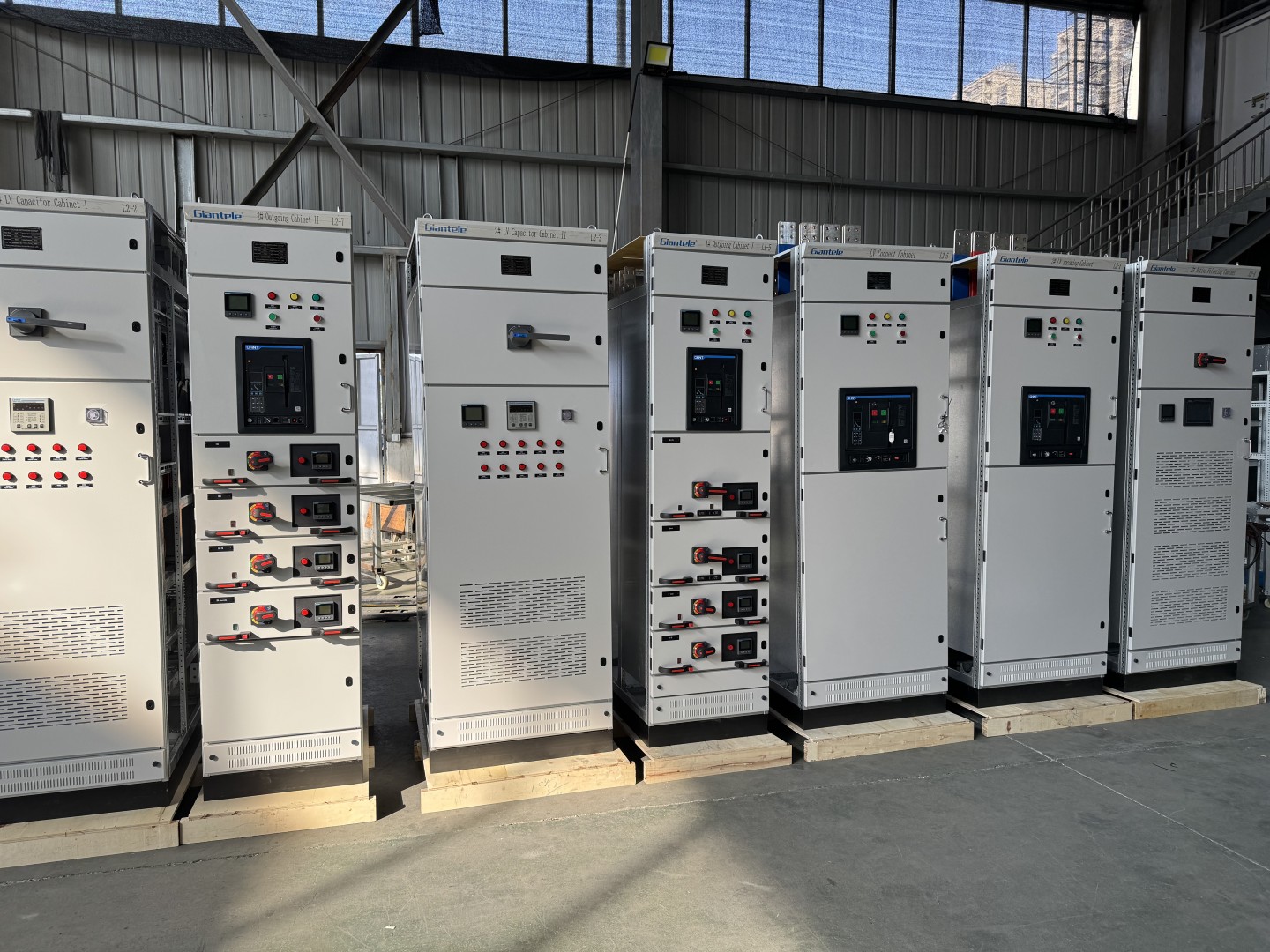 Compare motor control centre costs across four safety tiers. Find reliable mcc panel suppliers and choose industrial electrical panels that match your project budget and risk profile.
 -
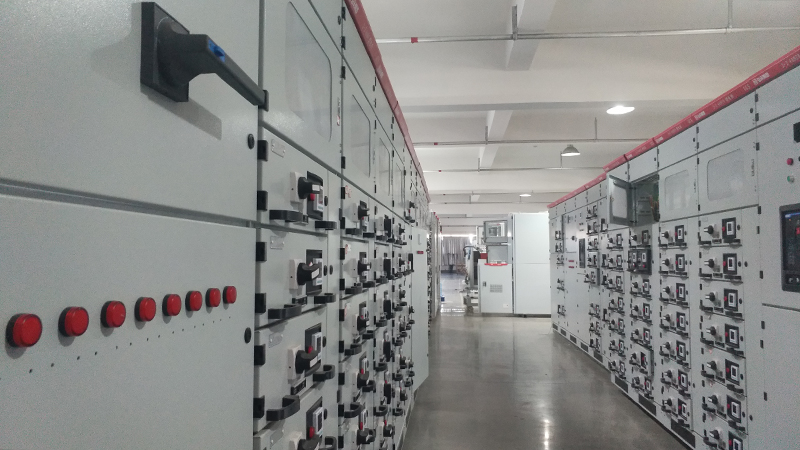 Custom motor control panel design for complex projects. Compare mcc manufacturers, motor control center suppliers, and industrial panel specs. Get a quote.
 -
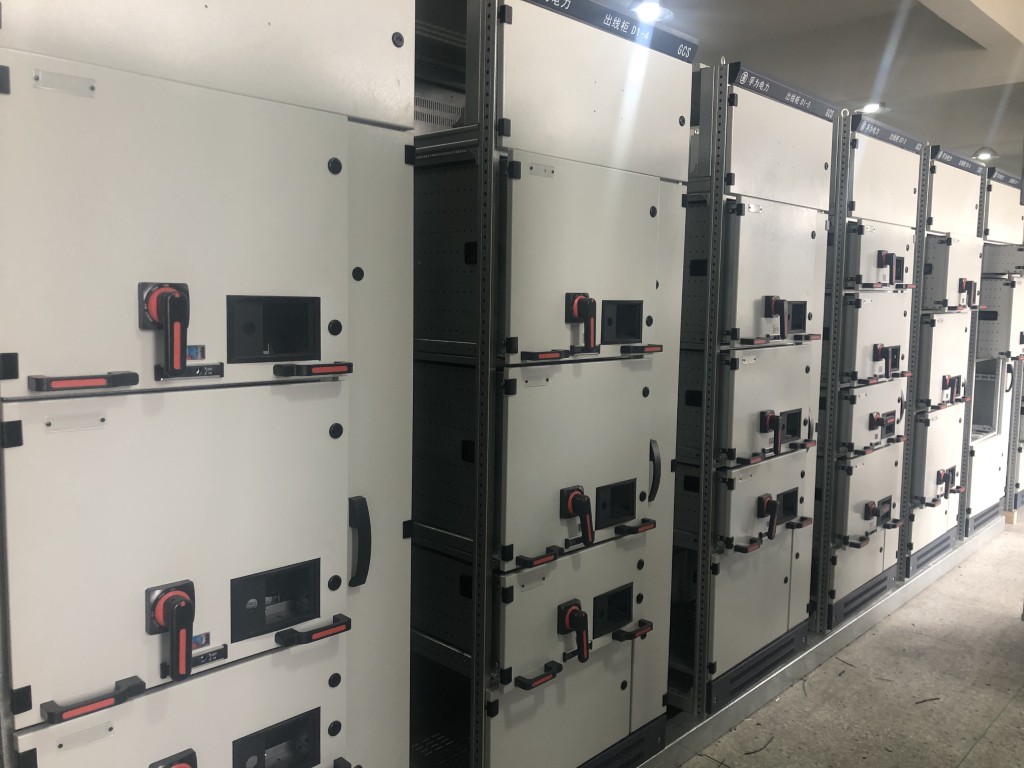 Common mcc panel problems cost factories hours of downtime. Learn to spot contactor failures, busbar overheating, single phasing, and environmental damage before they stop production.
