

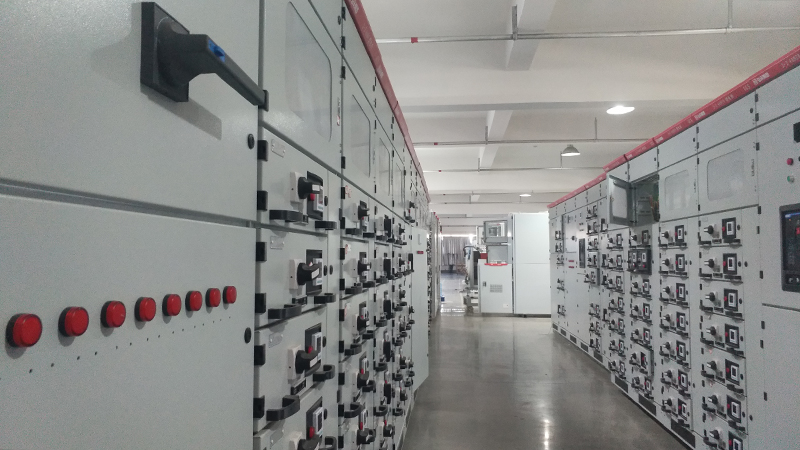
A custom motor control panel is not a catalogue item. You cannot pick one from a shelf and expect it to match your plant layout, your motor loads, your grid conditions, and your maintenance team's skill level. Most factories, mines, and processing plants that run more than ten motors need a panel designed around their specific electrical single-line diagram, not the other way around.
When you buy an off-the-shelf unit, you inherit someone else's assumptions about your busbar rating, your feeder quantity, your enclosure protection, and your future expansion plans. A custom electric motor control panel, built from your project specifications, removes every one of those compromises. This article walks you through what custom design actually delivers, how motor control center suppliers and mcc manufacturers approach complex projects, and what you should ask before signing a purchase order.
What makes a custom motor control panel different from an off-the-shelf unit
An off-the-shelf motor control panel ships with fixed compartments, pre-selected component brands, and a wiring layout that cannot change. Your project gets whatever the catalogue offers, or you add junction boxes, adapter plates, and field modifications that eat into your budget and your deadline. A catalogue motor control panel forces your project to adapt to the panel. That is backwards.
A custom industrial panel, by contrast, starts from your single-line diagram. You decide the busbar current rating, the short-circuit withstand level, the form of internal separation, the IP rating, and the component brands that your maintenance team already knows. The enclosure dimensions fit your electrical room. The cable entry positions match your trench layout. The spare capacity matches your expansion plan. None of this comes from a catalogue motor control panel supplier.
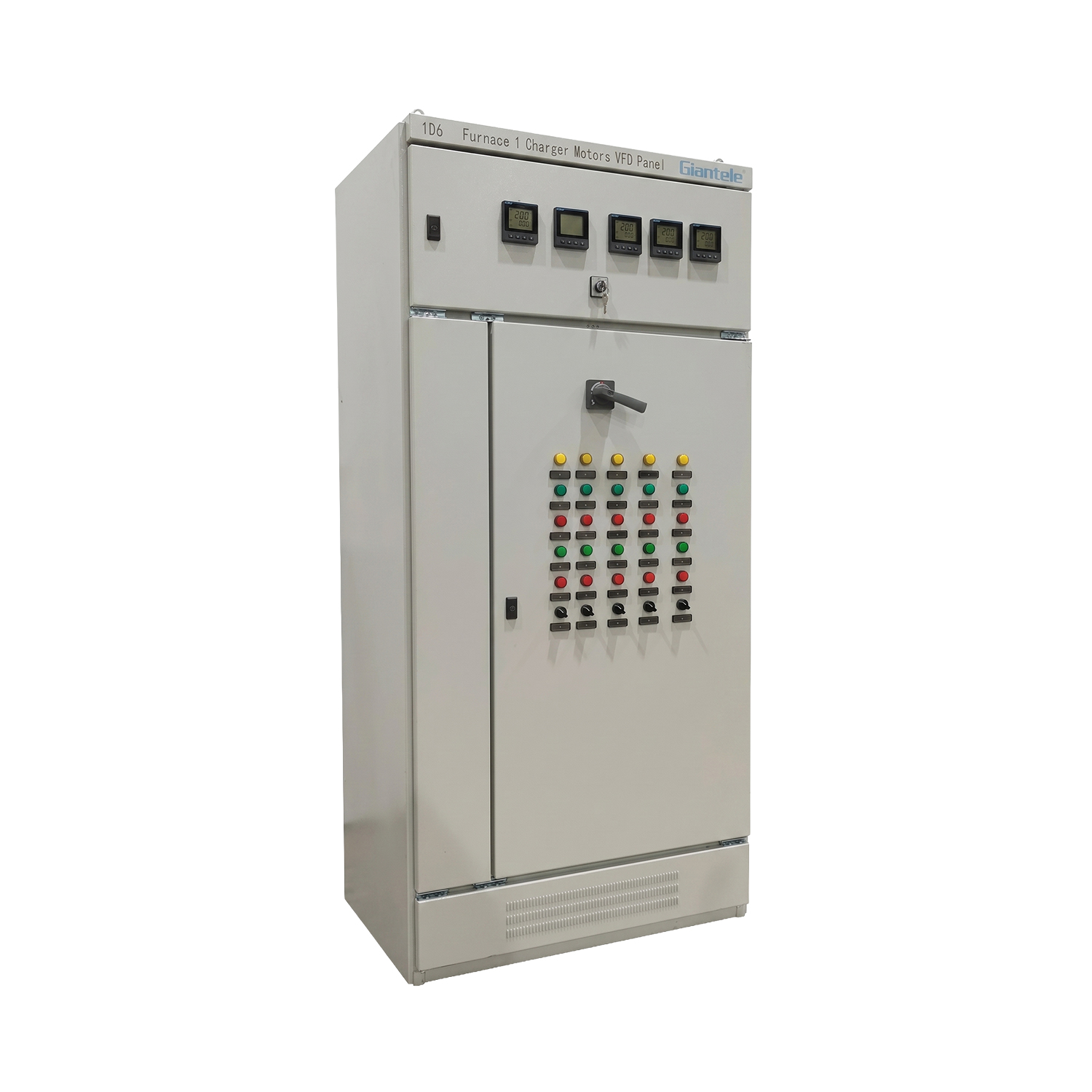
This difference matters most in projects where downtime costs more than the panel itself. A food processing line that stops for six hours spoils product worth more than the motor control panel that failed. Industrial electrical panels built from a custom specification let you specify the right protection coordination, the right ventilation, and the right access clearance, so your maintenance crew can swap a contactor in 20 minutes instead of shutting down the entire line for half a shift.
The motor control panel design workflow for complex projects
Every control panel builder who handles complex projects follows a similar design sequence. The difference between a smooth commissioning and a six-week delay usually comes down to how thoroughly each step is executed, not how many steps there are.
Step 1 — load list and single-line diagram review. Your engineering team or EPC consultant provides the motor list with rated power, voltage, starting method, and duty cycle. The motor control center manufacturers you select turn this into a single-line diagram that shows busbar ratings, feeder assignments, protection device types, and control logic. You should review this diagram like you review a structural drawing. Once the copper busbars are cut and installed, changing the layout costs real money.
Step 2 — component selection and protection coordination. Every motor feeder inside your industrial electrical control panels needs a protection device that trips fast enough to clear a fault but stays closed during normal motor starting current. The design engineer runs a coordination study that plots time-current curves for every circuit breaker, overload relay, and fuse. You want selectivity: a fault on one motor feeder must not trip the main incomer. Getting this wrong creates the kind of nuisance tripping that factory managers lose sleep over.

Step 3 — thermal management and enclosure design. Motors draw inrush current during starting. Variable frequency drives generate harmonics. Both produce heat inside the enclosure. A well-designed motor control panel includes ventilation calculations that consider the worst-case ambient temperature at your site. If your plant sits in a coastal region where the mercury hits 45 degrees Celsius in August, the thermal derating factor moves from "nice to have" to "mandatory." IP54 or IP55 enclosures with filtered fans, or sometimes air-to-air heat exchangers, keep internal temperatures below the limit that degrades insulation life.
Step 4 — factory acceptance testing. Before the panel leaves the factory, you should witness or receive a test report for every function: insulation resistance, dielectric withstand, continuity of protective conductors, mechanical operation of all draw-out units, and functional test of the control logic. The best industrial electrical panels ship with a FAT report that is thick enough to satisfy any consulting engineer, because it proves the assembly met its design specification before it ever reached your site. A properly tested motor control panel should arrive ready to connect, not ready to troubleshoot.

How to specify a motor control panel for industrial environments
The difference between a motor control panel that runs for 20 years and one that fails in five comes down to how you write the specification. Here are the parameters that matter most.
Specification parameter | What to ask for | Why it matters |
|---|---|---|
Busbar current rating | Rated for your total connected load plus 25% spare | Prevents overheating under normal operation |
Short-circuit withstand (Icw) | At least 35kA for 1 second for most industrial sites | Ensures the panel survives a downstream fault without structural damage |
Form of separation | Form 3b minimum for process industries | Lets you service one feeder while the rest stays live |
Ingress protection | IP54 minimum for dusty or humid sites, IP55 for washdown areas | Keeps dust and moisture out of live components |
Ambient temperature derating | Verify with your mcc manufacturers for site conditions above 40°C | Prevents nuisance tripping and premature insulation failure |
Spare feeder capacity | 20% spare units, busbar provisioned for them | Avoids the cost of adding a new panel section later |
You should also specify the cable entry direction, the control voltage, the communication protocol between the motor control panel and your plant SCADA, and whether you need a mimic diagram on the front door. These details cost nothing to specify upfront and everything to retrofit later.
Why IEC 61439 compliance matters for your motor control panel
IEC 61439 is the international standard for low-voltage switchgear and controlgear assemblies. It replaced the old IEC 60439 in 2009 and eliminated the distinction between "type-tested" and "partially type-tested" assemblies. Under IEC 61439, every motor control panel must be design-verified through testing, calculation, or comparison with a verified reference design. It is not enough to assemble the panel from certified components alone.

A compliant electric motor control panel has passed verification for temperature rise limits, dielectric properties, short-circuit withstand strength, protective circuit continuity, and clearances and creepage distances. The panel builder must provide a technical dossier that includes wiring schematics, thermal calculations, short-circuit calculations, component conformity documents, and routine test records.
For international projects in Africa, the Middle East, and Southeast Asia, IEC compliance is the baseline requirement that every reputable consultant writes into the technical specification. If your mcc panel suppliers cannot produce an IEC 61439 design verification dossier, the consulting engineer will reject the panel at the factory acceptance test stage, and you will pay for the delay. When you are comparing motor control center suppliers, ask for the verification dossier before you ask for the price. The price only matters if the panel passes inspection.
How mcc manufacturers and control panel builders coordinate complex projects
A large industrial project often involves three parties: the EPC contractor who owns the overall schedule, the control panel builder who assembles the panel, and the component vendors who supply circuit breakers, contactors, VFDs, and protection relays. Coordination between them makes or breaks the delivery timeline.
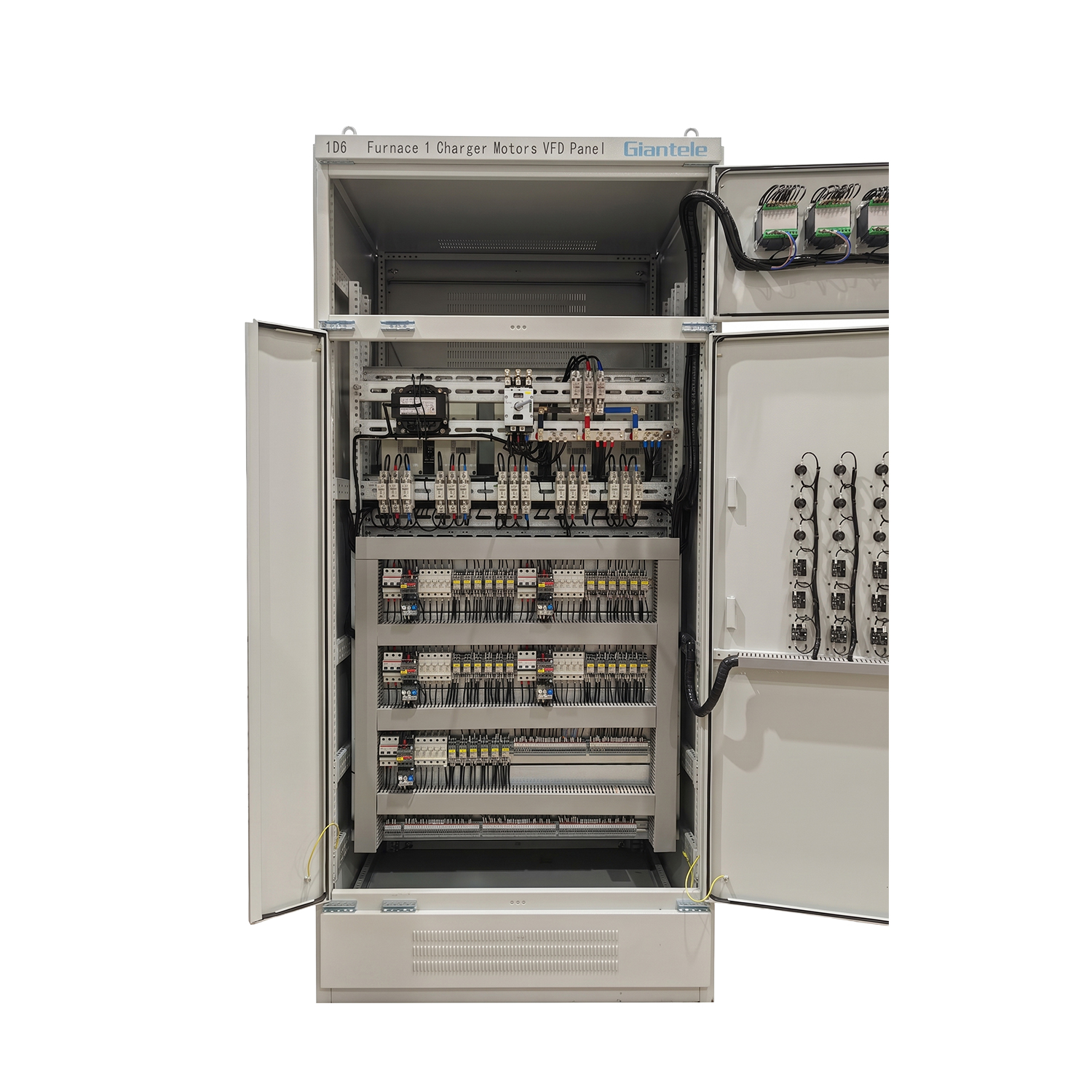
The best mcc manufacturers act as the technical integrator. They receive the single-line diagram and motor list from the EPC, produce panel layout drawings and wiring schematics, and send these back for approval before cutting metal. This review cycle, if handled fast, takes two weeks. If handled poorly, with vague markups and no named reviewer, it drags on for two months.
Component lead times are the hidden schedule killer. A specific VFD model that your consultant specified in the design phase may have a 16-week lead time when the purchase order is finally issued. Motor control center suppliers who maintain buffer stock of common components, or who have framework agreements with major brands, can pull that lead time down to eight weeks. Ask about component availability when you request the quotation, not when the delivery date has already slipped.
The control panel builder also handles the interface between the motor control panel and the upstream low voltage power distribution board. The main incomer circuit breaker, the busbar transition piece, and the cable routing between panels must be coordinated early. A misalignment of 100 mm in busbar height between two panels costs a day of site rework that your project schedule cannot afford.
Selecting motor control center suppliers and mcc panel suppliers for international projects
Not every industrial electrical control panels supplier can handle international logistics. The panel that leaves the factory in perfect condition must survive ocean freight, customs clearance, road transport to a remote site, and installation by a local electrical contractor who may have never seen this brand before.
When you evaluate motor control center manufacturers for an international project, look beyond the panel price. Check whether they provide:
Export-grade plywood crating with desiccant bags and vacuum-sealed polythene wrapping
Detailed installation drawings and cable schedules in both metric and imperial units
Remote technical support via video call during installation and commissioning
A factory test report that your consultant can review before shipment
Spare parts kit with one set of fuses, contactor coils, and indicator lamps per panel section
Mcc panel suppliers who have delivered panels to multiple continents understand that a wiring diagram that is clear to an electrician in one country may be confusing in another. They use IEC-standard symbols, colour-coded terminal blocks, and laser-engraved nameplates that survive years of cleaning solvents. These are not luxuries. They are how you avoid commissioning delays, wrong connections, and the kind of midnight phone call that every project manager dreads.
The industrial panel you buy must also match the grid conditions at your site. Nominal voltage, frequency, fault level, and earthing system (TN-S, TN-C-S, IT) vary between countries. A motor control panel designed for a 400V TN-S system will not work correctly on a 380V IT system without modifications to the earth fault protection scheme. Your mcc manufacturers need the full site electrical data before they finalise the design, not after the panel arrives at the port. Every industrial panel specification must include the site earthing system and fault level.
How a custom motor control panel handles harsh environments
Coastal humidity corrodes copper busbars. Desert dust clogs cooling fans and settles on circuit board contacts. Tropical rain finds its way through poorly sealed cable glands. A standard industrial electrical panels catalogue unit rated IP31 will fail in these conditions within months.
A custom motor control panel built for harsh environments starts with the enclosure. Stainless steel 304 or powder-coated carbon steel with a marine-grade finish resists corrosion. Door gaskets made from EPDM rubber stay flexible after years of heat cycling. Cable glands with IP66-rated compression seals stop moisture tracking along the cable sheath into the terminal compartment.
Inside the panel, the control panel builder can specify anti-condensation heaters with hygrostat control, conformal coating on all printed circuit boards, and tin-plated busbars instead of bare copper. These additions cost maybe 3% to 5% of the total motor control panel price. They add 10 to 15 years to the panel's service life in a corrosive environment. The math is straightforward.
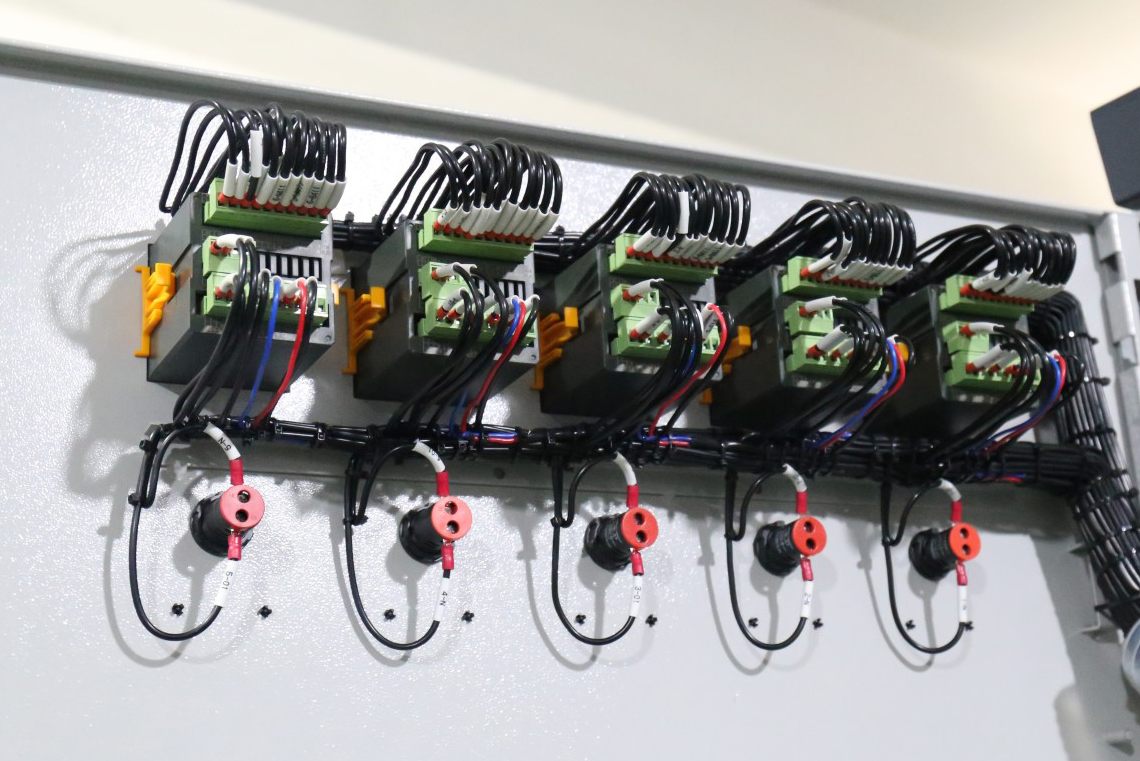
For sites above 1,000 metres elevation, air density drops and natural convection cooling becomes less effective. The busbar current rating must be derated, typically by 1% per 100 metres above 1,000 metres. The motor control centre design must account for this in the thermal calculations. Ask your supplier to include the altitude derating in the verification dossier.
Your motor control panel may also need to integrate with existing equipment. An older plant might have a legacy PLC that communicates over Modbus RTU, while a newer expansion uses Ethernet/IP. The electrical distribution panel design must accommodate both, with a protocol gateway if necessary. Custom design means you specify the interface, not the other way around.
What a motor control panel costs and why the cheapest quote is rarely the best
The total cost of a motor control panel includes more than the panel price on the quotation. It includes the cost of late delivery, the cost of field modifications to fix design mistakes, the cost of spare parts that are unavailable locally, and the cost of production downtime caused by a poorly coordinated protection scheme.
A panel that costs 15% less at the purchase order stage but arrives three months late, requires two weeks of rework on site, and trips twice during the first month of operation is not cheaper. It is much more expensive. You just pay the difference through downtime, overtime labour, and expedited spare parts shipments instead of through the original invoice.
When you compare quotes from mcc panel suppliers, ask for a breakdown that separates the panel hardware cost from the engineering design cost, the factory testing cost, and the documentation package cost. A supplier who charges separately for design and testing is usually a supplier who actually does design and testing, not one who copies a standard layout and hopes for the best. A well-engineered motor control panel costs what it costs for a reason.
The switch panel solution you choose today sets the baseline for every modification and expansion over the next 15 to 20 years. Cheaper panels use proprietary busbar systems that only accept one manufacturer's breakers. Better panels use standardised busbar designs that let you mix components from multiple brands. A decade from now, when you need to add two more motor feeders and the original component brand has changed its product line, standardisation saves you from replacing the entire board.
Frequently asked questions(FAQ)
What is the difference between a motor control panel and an MCC?
A motor control panel is a broader term that covers any panel housing motor control equipment. An MCC (Motor Control Center) is a specific type of motor control panel that uses a common busbar system with multiple plug-in or draw-out motor starter units in a shared enclosure. MCCs make sense when you control more than six motors in one location. A standalone motor control panel works for one to four motors in a distributed layout.
How long does custom motor control panel design take?
Design and drawing approval takes three to six weeks for a typical project with 10 to 30 motor feeders. Manufacturing adds six to ten weeks, depending on component lead times and factory workload. Factory testing adds one week. Total timeline from approved purchase order to ready-for-shipment: 10 to 17 weeks for a properly engineered motor control panel.
Do I need IEC 61439 compliance for my project?
Yes, if your project is in Africa, Europe, the Middle East, or Southeast Asia and involves an engineering consultant. IEC 61439 is the baseline standard for low-voltage assemblies in these markets. Your mcc manufacturers must demonstrate design verification through testing, calculation, or comparison with a reference design. Without it, the consultant will not sign off on the panel.
What form of internal separation should I specify?
Form 3b is the practical minimum for process industries, mines, and water treatment plants. It separates each functional unit from the busbars and from adjacent units. This means you can isolate one motor feeder for maintenance while the rest of the motor control panel stays energised. Form 4b adds terminal segregation and costs more. Use it when your maintenance procedures require complete isolation of each feeder.
How do I specify the right short-circuit rating for my motor control panel?
Your consulting engineer calculates the prospective short-circuit current at the point where the panel connects to the upstream transformer. The motor control panel short-circuit withstand rating (Icw) must equal or exceed this value. For a 1,600 kVA transformer with 6% impedance at 400V, the prospective fault current is around 38 kA. Specify a minimum Icw of 50 kA for safety margin.
Can a motor control panel integrate with my existing SCADA system?
Yes, but you must specify the communication protocol and the data points you want during the design phase. Common protocols include Modbus RTU, Modbus TCP, Profibus, Profinet, and Ethernet/IP. The control panel builder installs the gateway device, configures the register map, and tests communication with a simulator before shipment. Retrofitting communication to a panel that was not designed for it costs three times as much as including it in the original specification.
What spare parts should I order with the panel?
At minimum, order one set of control circuit fuses, one contactor coil per feeder type, one overload relay, three indicator lamps of each colour, and one door interlock handle. These are the parts that fail or get damaged during commissioning. A spare parts kit that costs 2% of the motor control panel price saves you from waiting three weeks for an express courier shipment when a 50-cent fuse blows on a Friday afternoon.
Do motor control center manufacturers help with on-site commissioning?
The best ones do. Commissioning support from your motor control center suppliers typically includes a factory-trained technician who visits your site for three to five days, verifies all field wiring, tests every motor feeder with the actual connected motor, and hands over a signed commissioning report. A properly commissioned motor control panel eliminates the finger-pointing between the panel builder, the installer, and the equipment vendor when something does not work on day one. Remote support via video call is also common for smaller projects where travel costs would dominate the service budget.
What is the advantage of a draw-out motor control panel over a fixed type?
Draw-out units let you remove and replace a complete motor starter, including contactor, overload relay, fuses, and control wiring, in under five minutes without de-energising the entire panel. Fixed units require a full panel shutdown and re-termination of power cables during replacement. For continuous processes that run 24/7, draw-out design pays for itself the first time you avoid an unplanned shutdown. For intermittent-duty applications where downtime is scheduled, fixed design saves 15% to 25% on panel cost.
Can industrial electrical panels be expanded after installation?
Yes, if you specified spare capacity during design. A well-designed motor control panel includes empty compartment positions, busbar capacity for future feeders, and spare terminals in the control wiring marshalling area. Adding two more motor feeders to a panel built with 20% spare capacity takes two days. Adding them to a panel built to its absolute maximum rating requires a new section, new busbar joints, and a shutdown that can stretch to two weeks.
Final thoughts
A custom motor control panel is an investment in uptime. The design decisions you make during the specification phase determine how reliably your production line runs for the next 15 years. Work with a control panel builder who understands your process, your site conditions, and your maintenance team's capabilities, not one who just copies a standard drawing and changes the title block. Contact Giantele for a technical proposal based on your motor list and single-line diagram.
-
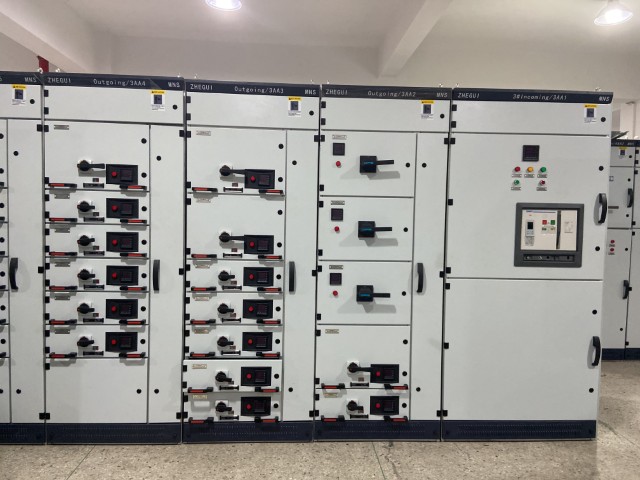 Compare motor control center cost. Find motor control center suppliers and mcc manufacturers. Covers motor control panel specs, industrial electrical panels, and control panel fabrication.
 -
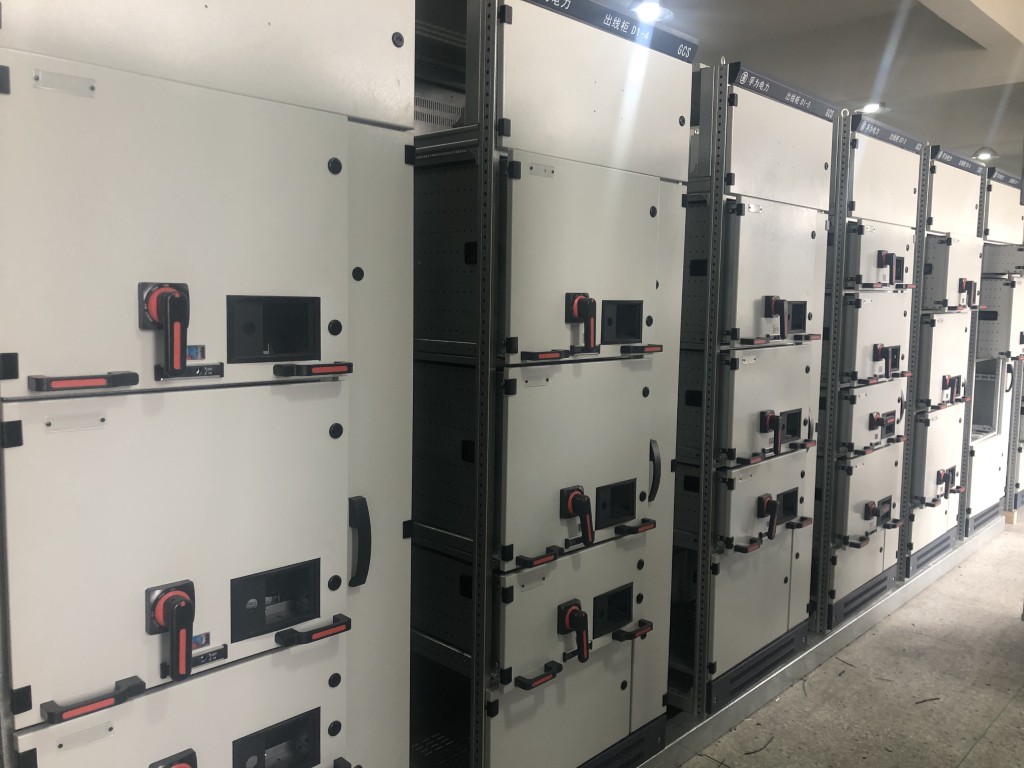 Common mcc panel problems cost factories hours of downtime. Learn to spot contactor failures, busbar overheating, single phasing, and environmental damage before they stop production.
 -
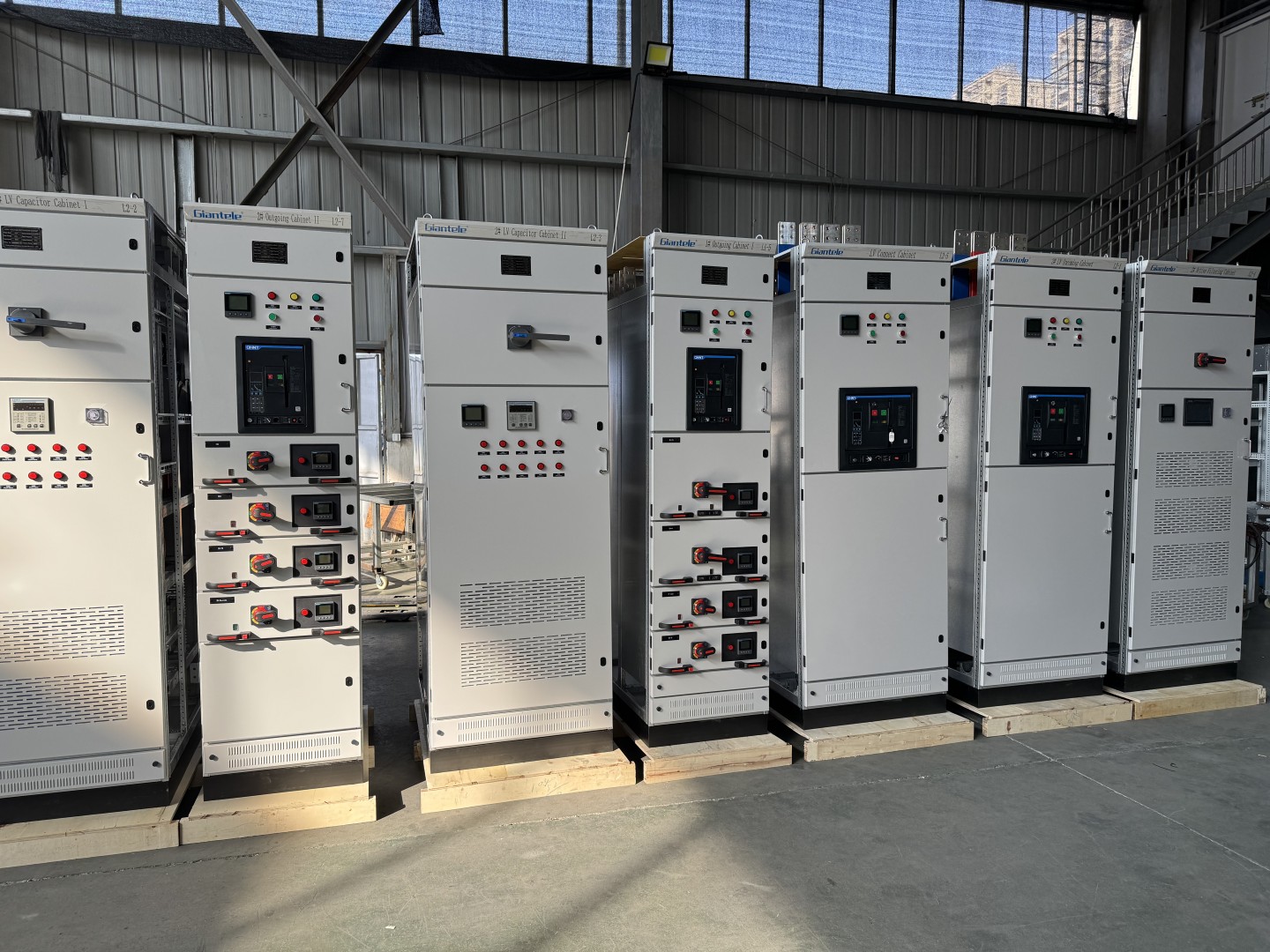 An mcc motor control center lasts 20-40 years. What cuts electrical mcc lifespan? Your motor control centre manufacturer matters. Know when to replace your mcc cabinet.
 -
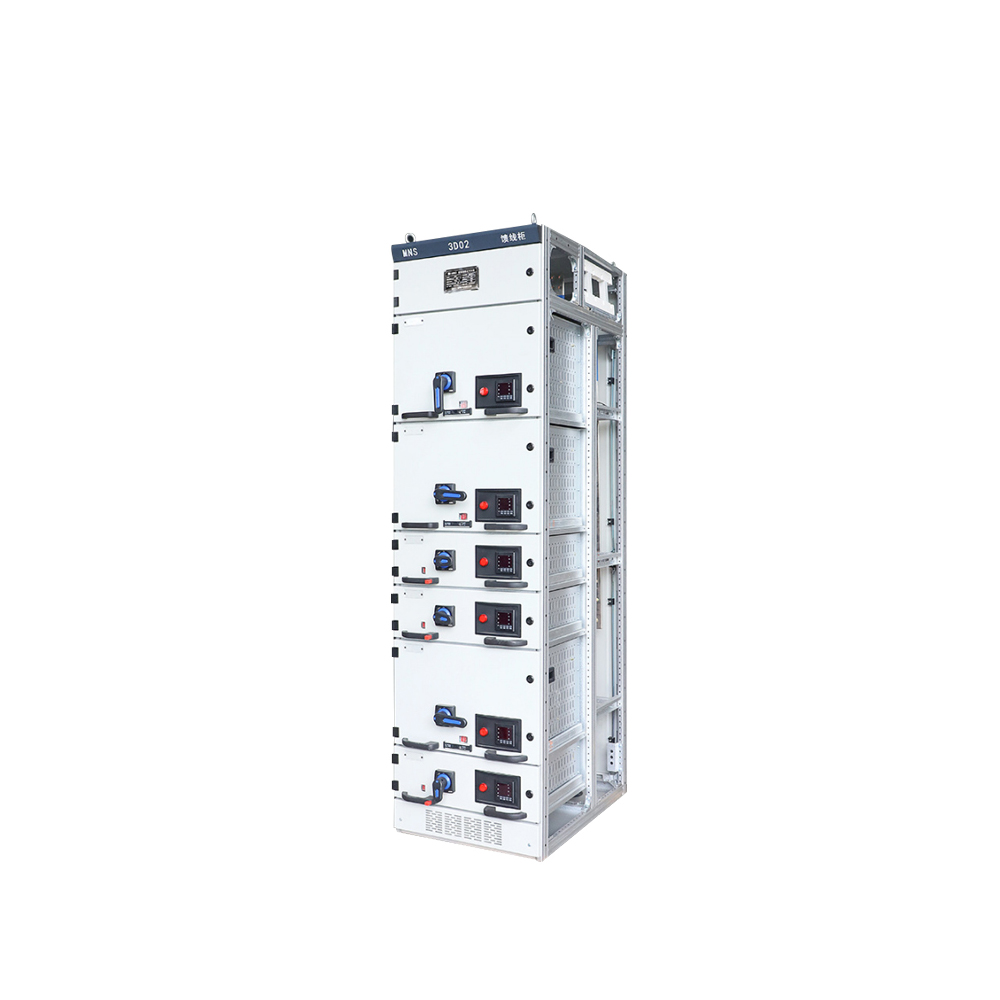 Custom control panels protect every motor in your plant. Learn how an MCC works, its components, and how to find the right electrical panel builder. Get a quote.
