

A distribution board that fails under load costs you production downtime, equipment damage, and safety risk. You need to know what tests prove a main distribution board is fit for your site. This guide walks you through every test that matters for a distribution board, from factory bench to site commissioning.
What IEC 61439 requires for distribution board testing
IEC 61439 is the international standard for low-voltage switchgear and controlgear assemblies. It sets the rules for how manufacturers must verify every low voltage switchgear and low voltage main distribution board they ship.
The standard splits verification into two buckets. Design verification happens once per product family through type tests. Routine verification happens on every single electrical power distribution board before it leaves the factory. You should care about both, but routine verification is what protects your specific order.

Type tests cover temperature rise, short-circuit withstand, dielectric properties, and mechanical operation. These prove the design works. But a good distribution board design means nothing if the unit on your dock has loose busbar bolts or missed wiring terminations. That is where routine tests come in.
Routine tests every distribution board must pass at the factory
Before any panelboard ships to your site, the manufacturer must run five routine tests on it. These are non-negotiable under IEC 61439. If your supplier skips any of them, find a different supplier.

Insulation resistance test. A megger applies 500V DC or 1000V DC between live conductors and earth. You want readings above 1 megaohm. Lower readings point to moisture ingress inside the power distribution enclosure, damaged cable insulation, or contamination on busbar supports. This is the single most important test on a power distribution panel heading to a humid or dusty site.
Dielectric voltage withstand test. The manufacturer injects 1890V AC for one second between all live parts and the enclosure. This catches weak points in insulation that the lower-voltage megger test misses. Any flashover or breakdown during this test means the electric panel boards have a manufacturing defect that must be fixed before shipment.
Protective circuit continuity test. A 25A test current flows between the earth terminal and every exposed metal part. The measured resistance must stay below 0.1 ohm. This proves your earthing path can carry a fault current without melting. For projects where the main electrical box sits at the end of a long cable run, this test is non-negotiable.
Wiring and polarity check. Every conductor gets traced from the terminal drawing back to the schematic. Every terminal screw gets torqued to spec. The polarity of every switch, meter, and relay coil is verified against the wiring diagram. Miss this and you find reversed CT polarities or swapped phase rotation during commissioning, when fixing things costs ten times more.
Functional test. All breakers are operated through their full open-close cycle. Protection relays are injected with test current to confirm trip thresholds. Meters are checked against a calibrated source. Indicator lamps, interlocks, and control circuits are cycled five times each. A distribution board that passes insulation tests but fails functional checks is still a reject.
Factory acceptance testing: What to check before your distribution board ships
FAT is your chance to witness testing before the electricity panel gets crated. You do not need to be an electrical engineer to get value from a FAT visit. You just need to know what to look at.
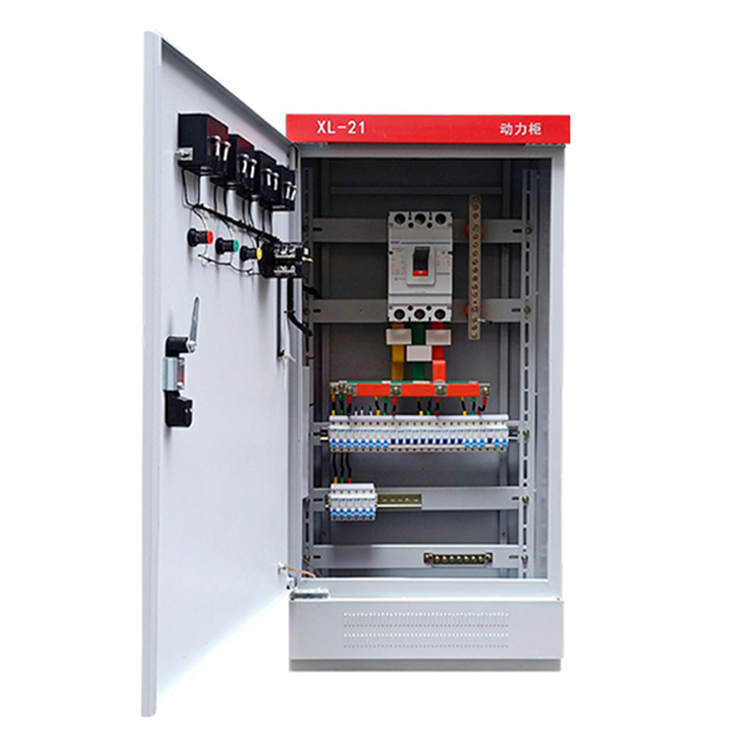
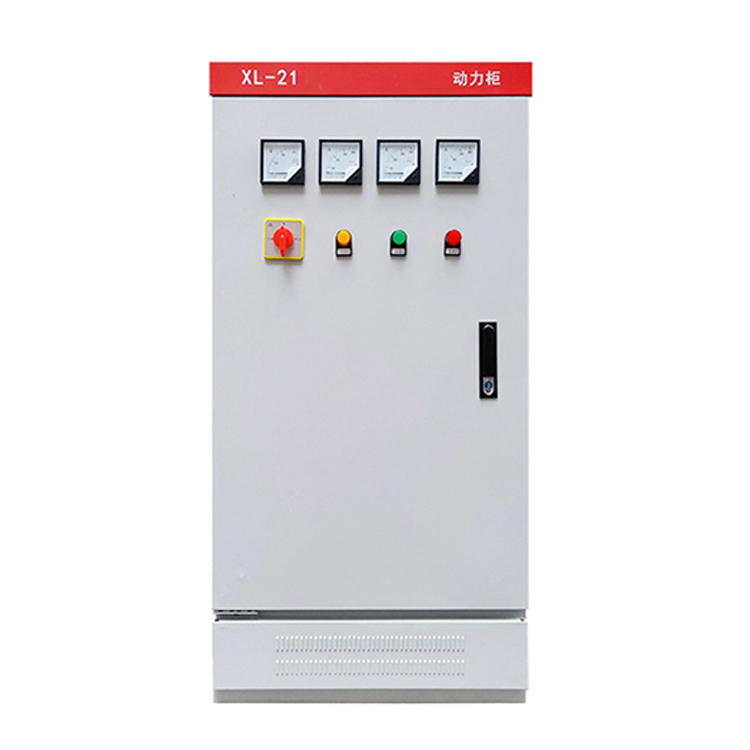
First, verify the nameplate data matches your purchase order. Rated voltage, rated current, short-circuit withstand, IP rating, and main busbar rating must all be correct. A wrong nameplate on a main distribution board means the panel was built to someone else's spec.
Second, confirm component brands against your approved vendor list. Open the door and check breaker labels. Many projects specify ABB, Schneider, or Chint components at contract stage. Some suppliers substitute cheaper parts during production of your distribution board. The FAT is where you catch this.
Third, review test reports on the spot. Do not accept photocopied blank forms. Demand serial-number-specific reports showing actual measured values for insulation resistance, dielectric withstand, and continuity. Any value close to the limit deserves a conversation with the test engineer.
Site acceptance testing: Verifying your distribution board after installation
Transport vibration loosens things. Heat and humidity during storage degrade insulation. You cannot assume a distribution board that passed FAT will arrive at site in the same condition. SAT repeats the critical routine tests before you energize the power distribution enclosure.
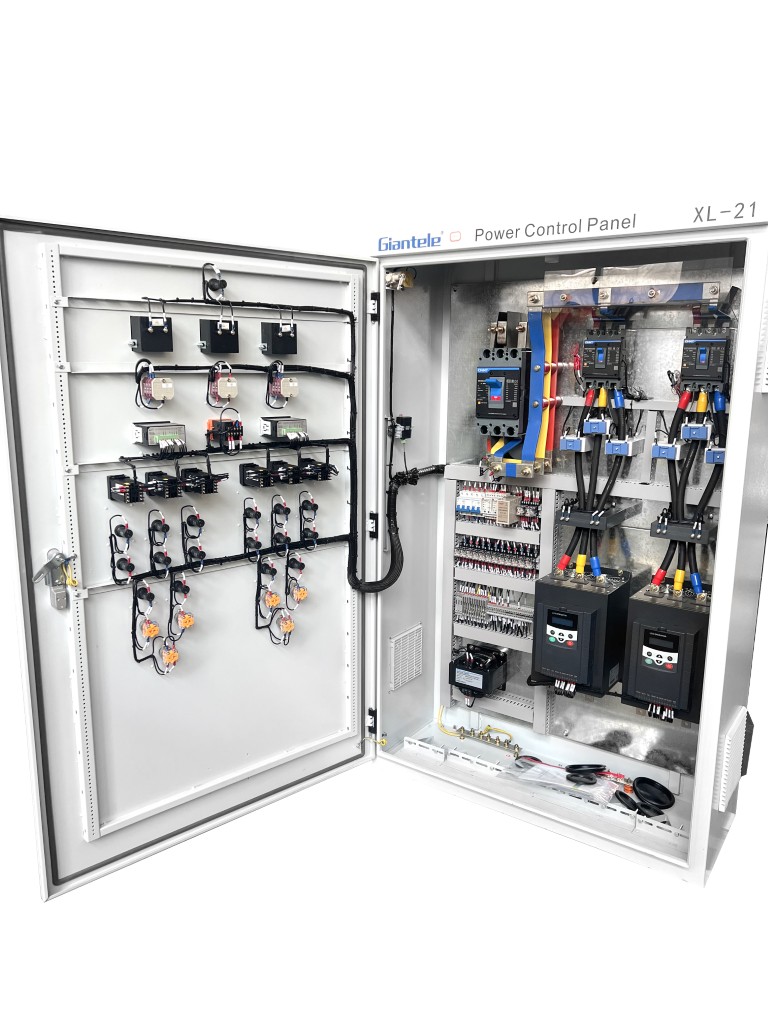
Insulation resistance is the priority on site. Measure phase-to-earth and phase-to-phase before any cable is connected. Compare the numbers to the FAT report. A drop of more than 20% means the panelboard absorbed moisture during transport. The distribution board needs drying out before energization.
Next, torque-check every accessible busbar bolt and terminal. Use a calibrated torque wrench and mark each bolt after tightening. A loose busbar joint on a 2000A electrical power distribution board will overheat within hours of energization. That same joint was tight at the factory. Transport is what loosened it.
Then verify the earthing bond between the main electrical box and the site earth grid. This test is specific to your installation. You cannot do it at the factory. You need a reading below 1 ohm for the complete earth path from your distribution board earth bar to the ground electrode.
Common testing failures and what they mean for your project
When a test fails, do not panic. But do not ignore it either. Here is what the most common failures actually mean:
Test failure | What it usually indicates | What you should demand |
|---|---|---|
Low insulation resistance | Moisture, dust contamination, or damaged cable insulation inside the power distribution panel | Drying out with heat blowers, then retest. If still low, open the panel and inspect busbar supports |
Dielectric breakdown | Manufacturing defect such as a nicked conductor or insufficient clearance between phases | Full inspection of all internal wiring. The panel must not ship until it passes |
High earth continuity resistance | Loose earth bonding jumper, paint under earth bolt washers, or corroded terminals | Remove paint at every earth bonding point. Replace corroded hardware. Retorque and retest |
Wiring error | Reversed polarity, crossed phase rotation, or missed termination on the electric panel boards | Complete wiring check against the schematic. Any panel with wiring errors gets the full polarity test again |
Breaker trip failure | Incorrect protection relay setting, faulty trip coil, or the wrong breaker rating for your spec | Component-level fault finding. Replace faulty breakers or relays. Do not accept field modifications to "fix" a trip failure |
How to verify your supplier's testing capability
Not all distribution board suppliers have the same testing capability. You can spot the difference before you place an order.
Ask for photos of their test bay. A proper test bay has a dedicated area with a megger, a dielectric test set, a high-current injection set for breaker testing, and calibrated multimeters with valid calibration stickers. If their test bench is a folding table in a corner of the assembly floor, their testing is not systematic.
Request a sample test report for a similar distribution board. A real report shows individual measured values, pass/fail criteria, test date, technician name, and serial number matching. A fake report shows only check marks in generic columns.
Ask how they handle a failed test. A capable supplier describes a documented non-conformance process: isolate the fault, root cause analysis, corrective action, retest, and updated report. A weak supplier says failures never happen. They do happen. Good manufacturers catch them before you do.
Your power distribution enclosure supplier should also hold ISO 9001 certification and provide IEC 61439 design verification certificates for their standard assemblies. These documents prove their distribution board testing process is audited, not improvised.
For industrial projects, we recommend specifying FAT witness as a contract requirement. It costs you travel but saves you commissioning delays. If travel is not possible, demand live video of all routine tests with the panel serial number visible in the frame. A motor control center or distribution board that ships without witnessed testing is a bet you do not need to take.
The same testing discipline applies to related panels in your project. An ATS panel needs generator simulation tests. An APFC panel needs capacitor bank switching tests under load. Every panel type has its own test protocol. Do not let any of them leave the factory untested.
For a full overview of the panels available for your project, see our power distribution board product page and our custom industrial control panels service page.
FAQ
What is the difference between type testing and routine testing?
Type testing proves a design. It is done once on a representative sample and covers temperature rise, short-circuit withstand, and mechanical endurance. Routine testing proves each individual unit. It is done on every distribution board before shipment and covers insulation, dielectric, continuity, wiring, and function. You need both.
How long does factory testing take?
For a standard low voltage panelboard, routine tests take two to four hours. A larger distribution board with multiple incomers and many outgoing circuits can take a full day. FAT takes longer because you add visual inspection, nameplate verification, component checks, and documentation review on top of the routine tests.
Can I perform testing myself on site?
You should perform SAT tests, yes. But you must use calibrated instruments and follow the same procedure as the factory. Record every value. Compare results to the FAT report. If you lack calibrated equipment or trained staff, hire a third-party commissioning engineer.
What if the insulation resistance drops after transport?
This happens often when a power distribution panel travels through humid regions or sits in an un-conditioned warehouse. Do not energize a panel with low IR. Use heat blowers or dehumidifiers inside the enclosure for 24 hours, then retest. If IR does not recover, open the panel and inspect busbar supports and cable terminations for visible moisture.
Does a higher IP rating change the testing requirements?
No. The test procedure is the same whether your power distribution enclosure is IP31 or IP65. But higher IP ratings reduce the chance of moisture-related IR failures during transport and on site. If your project is in a tropical or coastal region, specify IP54 or higher.
What documentation should I receive after testing?
You should get a test report pack containing an insulation resistance test record, a dielectric test record, an earth continuity test record, a wiring verification checklist, a functional test checklist, and a calibration certificate for every instrument used. All reports must reference the panel serial number.
How often should a distribution board be tested during operation?
Annual thermal imaging of all busbar joints and cable terminations. Annual insulation resistance test on all circuits. Five-year full shutdown test including dielectric withstand, protective circuit continuity, and breaker trip test on your distribution board. More frequent if the electric panel boards operate in dusty, humid, or high-vibration environments.
What about testing a distribution board with a backup generator connection?
If your electricity panel has a generator incomer through an ATS, you need an additional site test on this distribution board: simulate utility failure, confirm the ATS starts the generator, transfers the load, and retransfers when utility returns. Test under full load if possible. Many commissioning failures happen in the generator transfer sequence, not in the distribution board itself.
Final thoughts
Testing a distribution board is not a box-ticking exercise. It is your last line of defense against a panel that fails on day one. Demand proof. Witness testing when you can. Never accept a panel without serial-number-specific test reports.
Contact Giantele for a technical proposal on your next distribution board project. We provide full FAT documentation, live video testing on request, and CE-certified panels built to IEC 61439.
-
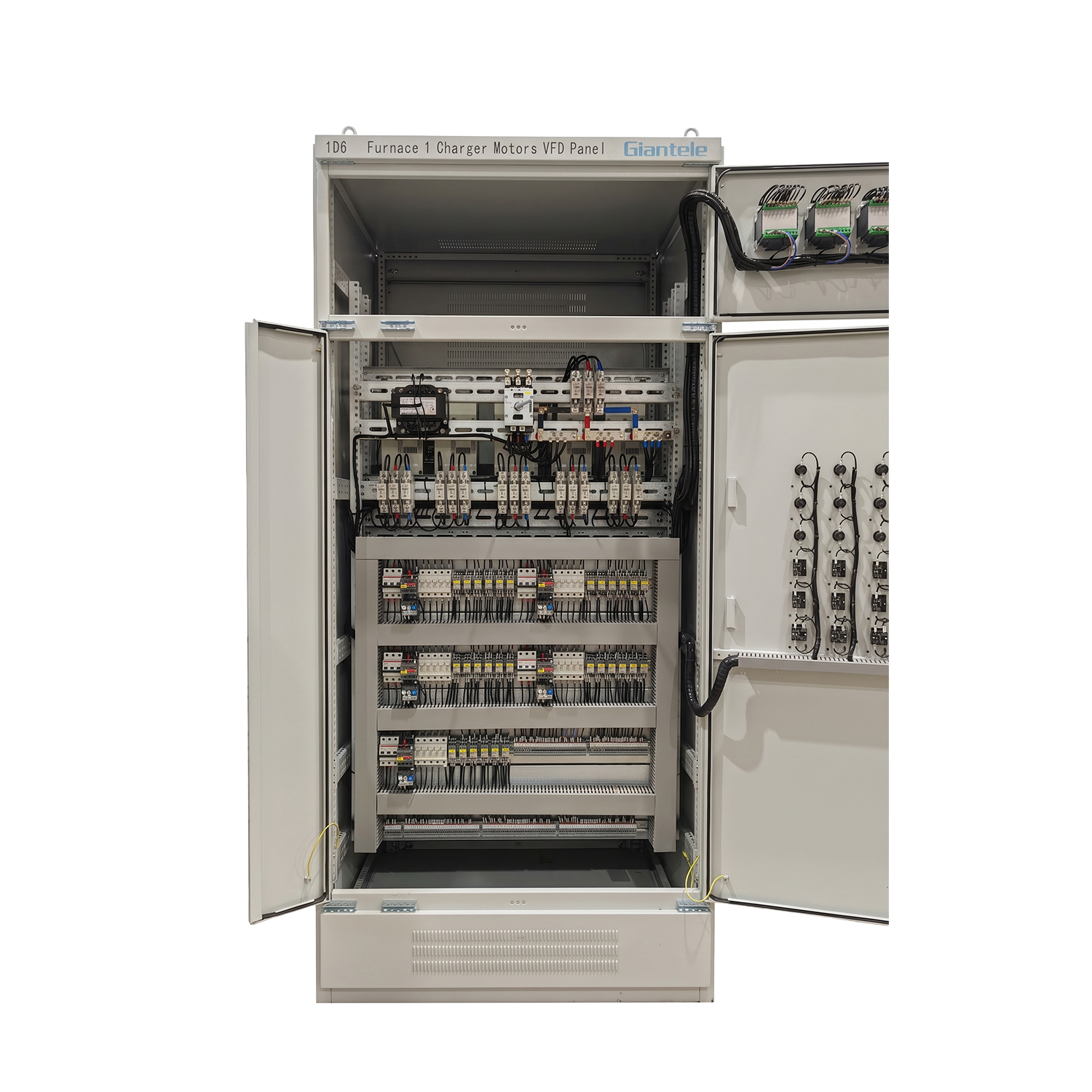 You can see different electrical distribution boards in homes, offices, and factories. Picking the right power distribution board helps you make things more reliable, scalable, and safe. You get steady power, room to grow, and safety from electrical problems.
 -
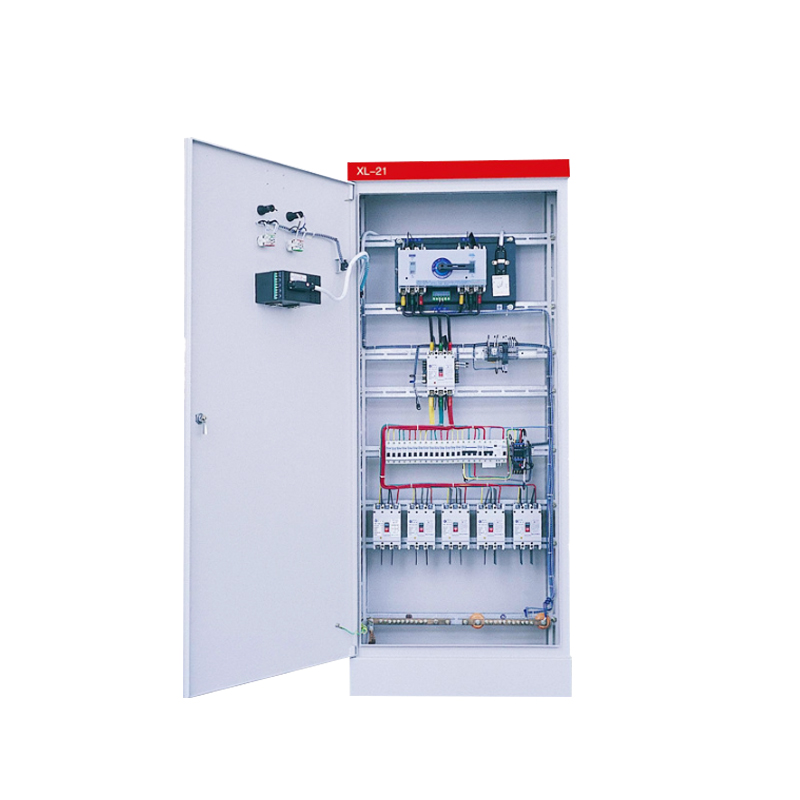 A power distribution board splits power into protected circuits. Covers distribution box, distribution panel, power distribution center, electrical DB, panel board, and data center electrical equipment.
 -
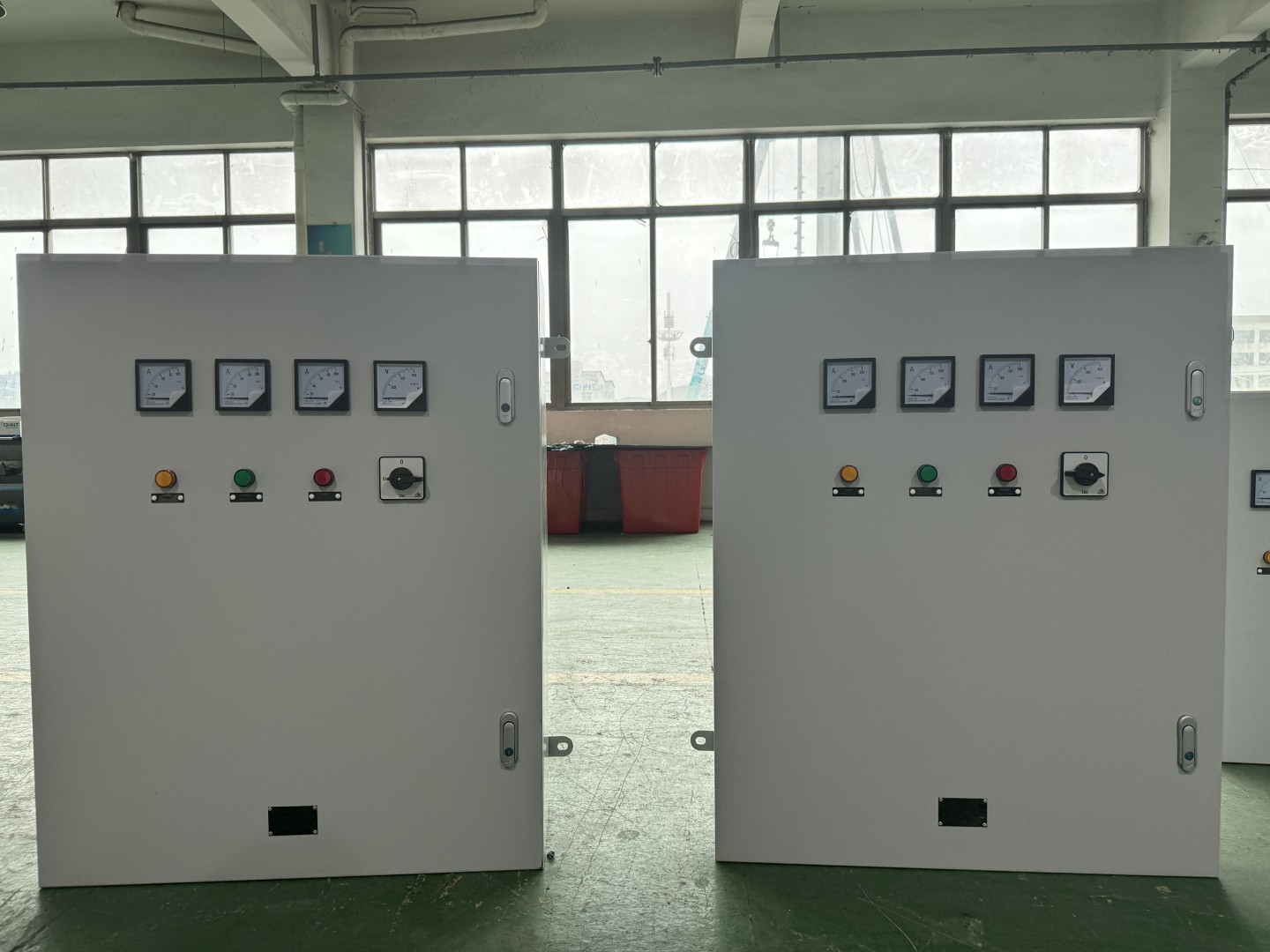 Spot a failing distribution box before it causes downtime. Learn the 7 warning signs: tripping, overheating, corrosion, burning smells. Protect your electrical distribution equipment today.
 -
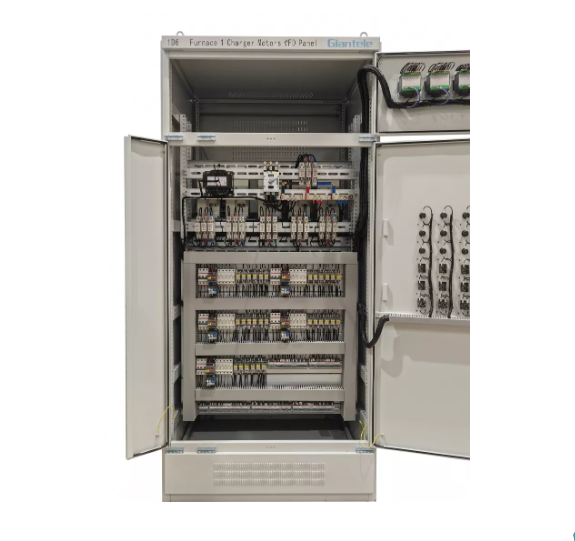 Electrical Distribution Panel guide covering panel types, sizing, safety, and installation tips. Learn how to choose the right distribution board today.
