


Introduction
Electrical Distribution Panel systems play a key role in safe power delivery. A distribution board or electrical panel controls and protects electrical circuits in homes, factories, and commercial buildings.
The right Electrical Distribution Panel improves safety, reduces downtime, and supports stable power flow. But many users struggle with panel sizing, panel selection, and future expansion planning.
This guide explains panel types, sizing methods, safety standards, and installation tips. It also helps you choose the best electrical distribution board for industrial and commercial applications.
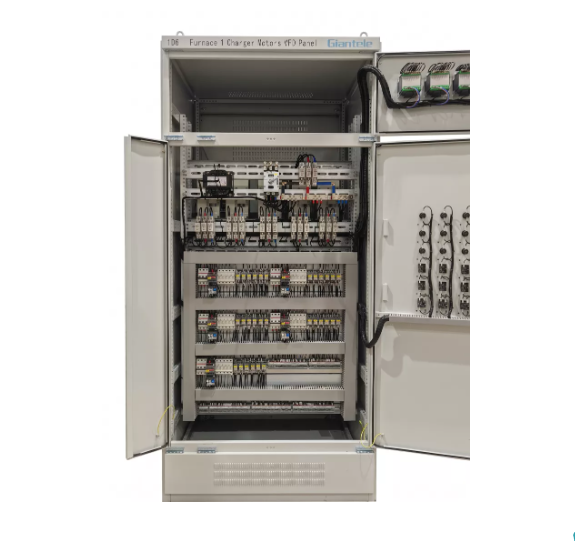
1. What Is an Electrical Distribution Panel?
Main Purpose of an Electrical Distribution Panel
An Electrical Distribution Panel receives incoming power and sends it to different circuits. It controls power flow and protects electrical equipment.
The panel also isolates faults and prevents overloads. This improves electrical safety and system reliability.
How Electrical Distribution Panels Distribute and Protect Power
The electrical panel divides power into branch circuits. Circuit breakers protect each circuit from overload and short circuits.
When a fault appears, the breaker disconnects the affected circuit. This protects connected equipment and reduces fire risks.
Key Components Inside an Electrical Distribution Panel
Most electrical distribution boards contain several main parts:
● Main breaker
● Busbars
● Circuit breakers
● Neutral bars
● Ground bars
● Surge protection devices
● Panel enclosure
Each component supports safe and stable operation.
Electrical Distribution Panel vs Switchgear vs Control Panel
Many people confuse these systems.
An Electrical Distribution Panel mainly distributes electrical power. Switchgear handles higher voltage systems and fault protection. A control panel controls motors and automation systems.
Distribution panels usually support low voltage applications in buildings and factories.
2. Types of Electrical Distribution Panels
Main Distribution Panel (MDP)
The Main Distribution Panel receives power directly from the transformer or utility source.
It distributes electricity to sub panels and large loads. MDP systems usually support high current ratings and industrial applications.
Sub Distribution Panel (SDP)
A Sub Distribution Panel receives power from the main panel.
It controls power in specific areas, such as offices, workshops, or production zones. SDP systems improve circuit organization and simplify maintenance.
Motor Control Center (MCC) Panels
MCC panels combine motor control and power distribution functions.
They support industrial motors, pumps, fans, and conveyors. Many factories use MCC systems because they simplify motor management.
Power Distribution Panels for Commercial Buildings
Commercial buildings require reliable power distribution boards.
These panels support lighting systems, elevators, HVAC systems, and office equipment. They also improve load balancing and energy management.
Industrial Electrical Distribution Panels
Industrial Electrical Distribution Panel systems support large electrical loads.
They often include advanced protection, modular design, and higher short-circuit strength. Industrial panels usually operate in factories, mining plants, and infrastructure projects.
Single-Phase vs Three-Phase Distribution Panels
Single-phase panels suit homes and small offices.
Three-phase distribution panels support industrial machines and large commercial loads. Three-phase systems provide better efficiency and stable power delivery.
Indoor vs Outdoor Electrical Distribution Panels
Indoor panels operate inside buildings with controlled conditions.
Outdoor electrical panels require stronger protection. Many outdoor distribution boards use IP54 or IP65 enclosures to resist dust and water.
3. How to Size an Electrical Distribution Panel Correctly
Understanding Electrical Load Calculations
Correct sizing starts with load calculation.
You must calculate lighting loads, motor loads, HVAC loads, and future equipment demand. This helps prevent overload problems later.
Selecting the Correct Rated Voltage and Current
Voltage and current ratings depend on system requirements.
Common low voltage ratings include 380V, 400V, and 690V. Current ratings may range from 100A to over 4000A.
Always choose a panel that matches the actual load demand.
Calculating Spare Capacity for Future Expansion
Future expansion is very important.
Most engineers reserve 20% to 25% spare capacity. This allows future equipment installation without replacing the entire electrical panel.
Choosing the Right Number of Circuit Breakers
The number of breakers depends on circuit quantity.
Industrial facilities often require more outgoing feeders because they support many machines and production lines.
Always reserve spare breaker spaces for future use.
Busbar Sizing and Short-Circuit Withstand Requirements
Busbars carry electrical current inside the panel.
Copper busbars provide better conductivity and lower heat rise. Correct busbar sizing improves safety and reduces energy loss.
Short-circuit withstand capacity is also critical. Industrial panels must survive fault conditions safely.
Temperature Rise and Ventilation Considerations
Poor ventilation causes overheating.
Excessive heat damages breakers, insulation, and busbars. Good airflow and proper spacing improve panel lifespan.
Many industrial electrical panels include cooling fans or ventilation systems.
Common Electrical Distribution Panel Sizing Mistakes
Common mistakes include:
● Ignoring future expansion
● Undersized busbars
● Poor ventilation design
● Incorrect breaker selection
● Unbalanced three-phase loads
These issues reduce system reliability and increase maintenance costs.
4. Key Standards and Safety Requirements for Electrical Distribution Panels
IEC 61439 Standards Explained
IEC 61439 is the key standard for low voltage distribution boards.
It defines rules for temperature rise, insulation performance, dielectric properties, mechanical strength, and enclosure protection. IEC compliant Electrical Distribution Panel systems provide better operational safety and long-term reliability.
IEC 61439-1(General) defines the general requirements for low voltage assemblies. It covers insulation coordination, temperature limits, IP protection ratings, and electrical safety requirements.
IEC 61439-2(Power Switchgear) focuses on power distribution assemblies. It evaluates busbar performance, short-circuit withstand strength, and thermal stability under high current conditions.
These standards help ensure safe operation in industrial and commercial environments.
CE, LVD (2014/35/EU), and EMC (2014/30/EU) Compliance Requirements
CE marking supports access to European and international markets. It confirms that the Electrical Distribution Panel meets important safety and compliance requirements.
The Low Voltage Directive (LVD 2014/35/EU) focuses on electrical safety for low voltage equipment. It helps protect users against electric shock, overheating, and insulation failure during normal operation and fault conditions.
EMC compliance (2014/30/EU) is also important for industrial Electrical Distribution Panel systems. It helps reduce electromagnetic interference (EMI) and improves immunity against external electromagnetic signals (EMS).
Good EMC performance supports stable operation for industrial equipment, automation systems, motor drives, and sensitive electronic devices.
These compliance requirements improve system reliability, operational safety, and project approval efficiency.
Understanding IP Protection Ratings
IP ratings define enclosure protection levels.
For example:
● IP30 protects against basic contact
● IP54 protects against dust and water splashes
● IP65 supports outdoor environments
The correct IP rating depends on installation conditions.
Internal Separation Forms: Form 1 to Form 4
Internal separation improves operational safety.
Form 1 provides minimal separation. Form 4 offers the highest separation level between busbars and functional units.
Industrial applications often require Form 3 or Form 4 structures.
Short-Circuit Protection and Electrical Safety Features
Modern electrical distribution boards include many safety features:
● Circuit breakers
● Ground fault protection
● Surge protection
● Arc fault protection
● Mechanical interlocks
These features reduce equipment damage and improve operator safety.
5. How to Choose the Best Electrical Distribution Panel
Factors to Consider Before Selecting a Distribution Panel
Panel selection depends on several factors:
● Load capacity
● Voltage level
● Installation environment
● Expansion requirements
● Safety standards
● Maintenance access
Careful planning improves long-term reliability.
Industrial vs Commercial Electrical Distribution Panel Requirements
Industrial panels support larger loads and harsher environments.
Commercial electrical panels focus more on lighting, HVAC systems, and office power distribution.
Industrial applications also require stronger short-circuit protection.
Copper vs Aluminum Busbar Comparison
Copper busbars provide higher conductivity and better thermal performance.
Aluminum busbars cost less and reduce weight. But they require larger cross-sections.
Many industrial electrical distribution panels prefer copper busbars because they improve reliability.
Fixed Type vs Withdrawable Distribution Panels
Fixed type panels offer simple structure and lower cost.
Withdrawable panels simplify maintenance and reduce downtime. Many MCC systems use withdrawable designs because maintenance becomes easier.
6. Installation and Maintenance Tips for Electrical Distribution Panels
Best Practices for Electrical Distribution Panel Installation
Correct installation improves safety and system life.
Install the panel in a dry and ventilated area. Keep enough operating space around the electrical panel.
Follow local electrical codes and grounding requirements.
Proper Grounding and Cable Management
Good grounding protects both people and equipment.
Separate power cables and control cables to reduce electromagnetic interference. Organized cable routing also improves maintenance efficiency.
Routine Inspection and Preventive Maintenance
Routine maintenance prevents unexpected failures.
Important inspection tasks include:
● Checking loose connections
● Cleaning dust
● Testing breakers
● Inspecting busbars
● Monitoring temperature rise
Preventive maintenance reduces downtime and repair costs.
Warning Signs of Electrical Distribution Panel Failure
Watch for these warning signs:
● Burning smell
● Frequent breaker trips
● Hot enclosure surfaces
● Flickering lights
● Buzzing sounds
Immediate inspection helps prevent serious failures.
7. Common Applications of Electrical Distribution Panels
Manufacturing and Industrial Facilities
Factories require reliable Electrical Distribution Panel systems for machines and production equipment.
Industrial panels support stable power distribution and reduce production interruptions.
Commercial Buildings and Office Complexes
Commercial buildings use distribution boards for lighting, elevators, and HVAC systems.
Proper panel design improves energy efficiency and electrical safety.
Data Centers and Critical Power Systems
Data centers require stable and uninterrupted power.
Electrical distribution boards in data centers often include redundant systems and advanced monitoring features.
Renewable Energy and Infrastructure Projects
Solar plants and infrastructure projects also require electrical panels.
These systems support power conversion, distribution, and grid connection.
Conclusion
Choosing the right Electrical Distribution Panel improves electrical safety, power stability, and long-term efficiency.
Correct sizing, proper standards compliance, and regular maintenance all support reliable operation. Industrial and commercial users should also consider future expansion and environmental conditions.
A high-quality distribution board reduces downtime, protects equipment, and supports safe power distribution. Before selecting a panel, always review load requirements, installation conditions, and safety standards carefully.
FAQ
Q: What is an Electrical Distribution Panel?
A: It distributes electrical power and protects circuits from overload and short circuits.
Q: Which standard applies to distribution panels?
A: IEC 61439 is the main standard for low voltage distribution panels.
Q: Why is panel sizing important?
A: Correct sizing improves safety, efficiency, and future expansion capacity.
Q: What IP rating is suitable outdoors?
A: IP54 and IP65 are common for outdoor electrical distribution panels.