

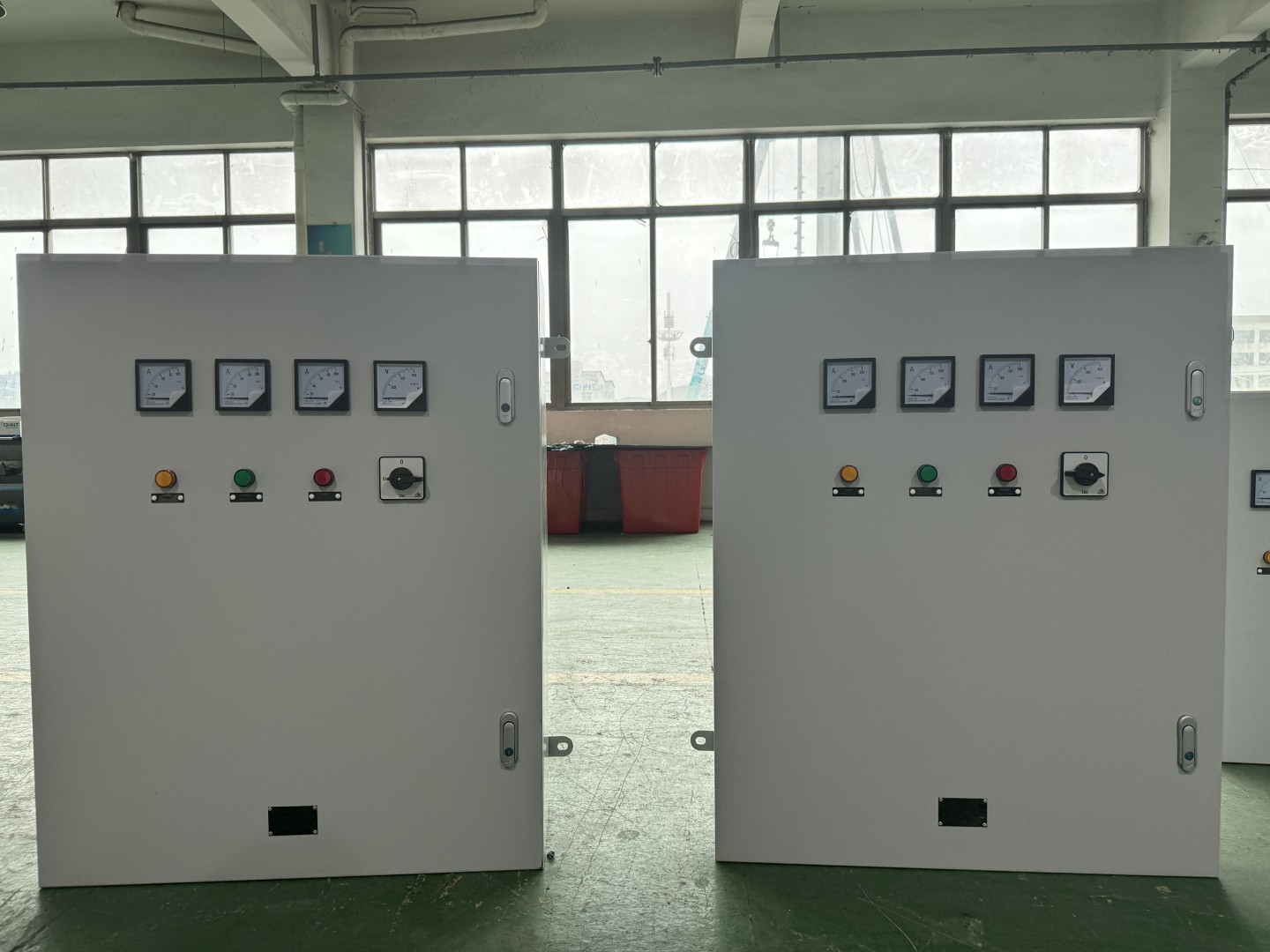
A distribution box that fails without warning stops production and costs real money. Your electric distribution box is where incoming power splits into protected circuits. When it shows trouble, act fast. Here are seven warning signs every facility engineer and maintenance manager should know.
Frequent circuit breaker tripping
Your distribution box breakers should trip only under genuine fault conditions. If the same breaker trips more than twice in a week, the distribution panels have a problem that demands investigation.
The most common cause is an overloaded circuit. Factories that add machines over the years without upgrading the lv distribution board push breakers past their rated capacity. A 63A breaker feeding a steady 80A load will trip the moment all equipment runs at once. The fix is not a bigger breaker on the same cables. You need to redistribute the load across more circuits or upgrade the incoming supply.
Loose terminals inside the distribution switchboard also trigger nuisance tripping. Vibration from nearby heavy machinery works terminal screws loose over months of operation. The contact resistance rises, local heating starts, and the breaker's thermal element trips at current levels well below its marked rating.
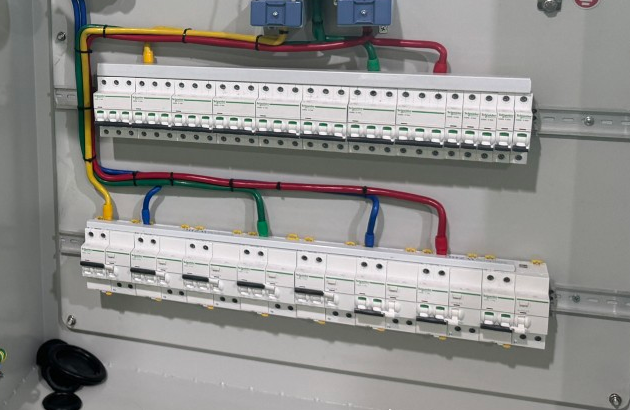
Never keep resetting a tripping breaker without finding the cause. Every trip event stresses the internal mechanism. Most industrial MCBs lose calibration accuracy after 50 to 100 trip cycles. Replace breakers that trip repeatedly and always check the connected load and wiring behind them.
Overheating and hot spots on the enclosure
Put your hand on the front cover of your main distribution panel. A properly loaded electrical power panel runs near room temperature. If the cover feels warm to the touch, above 45 degrees Celsius, something inside is generating too much heat.
Three things cause distribution panels to overheat. First, loose busbar joints create hot spots. A single bolt five newton-metres below spec can generate a joint that runs 30 degrees hotter than its neighbors. Second, undersized cables carry more current than they can handle. A 16-square-millimetre copper cable at 100 amps heats up and transfers that heat into the entire distribution switchboard. Third, poor ventilation traps heat. When a power distribution enclosure sits flush against a wall with no air gap, convection cooling stops. The temperature inside climbs steadily through every shift.
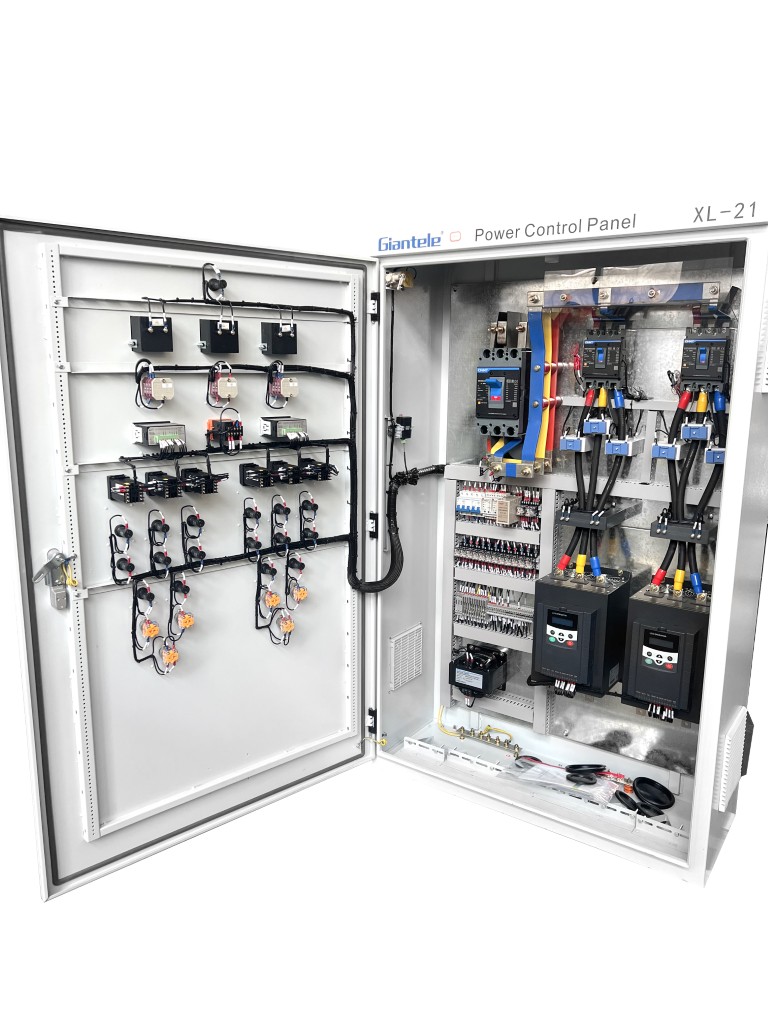
Get an infrared thermometer and scan every breaker face, terminal block, and busbar joint. Any spot running 15 degrees C above its surroundings needs immediate attention. At 70 degrees, PVC cable insulation degrades. At 90 degrees, it fails completely. If you spot a hot busbar joint in your distribution box, schedule a shutdown to re-torque it. The alternative is an unscheduled outage when the joint burns through at peak demand.
Unusual noises: buzzing, crackling, and humming
A healthy distribution box is near-silent. You might hear a faint hum from a contactor coil, barely noticeable from two metres away. If your main electric box buzzes loud enough to hear during a routine walkthrough, something inside has loosened.
A 50 Hz or 60 Hz buzz comes from magnetic components. Contactor cores, relay armatures, or transformer laminations vibrate at line frequency when mounting screws back out. This vibration accelerates mechanical wear. Over time it creates metal fatigue cracks in copper busbars.
Crackling or sizzling is far worse. These sounds mean arcing. Electricity jumps a gap it should not cross. Arcing inside a main distribution panel reaches temperatures above 3000 degrees C at the arc point. It vaporizes copper, chars insulation, and can ignite the enclosure interior within seconds.
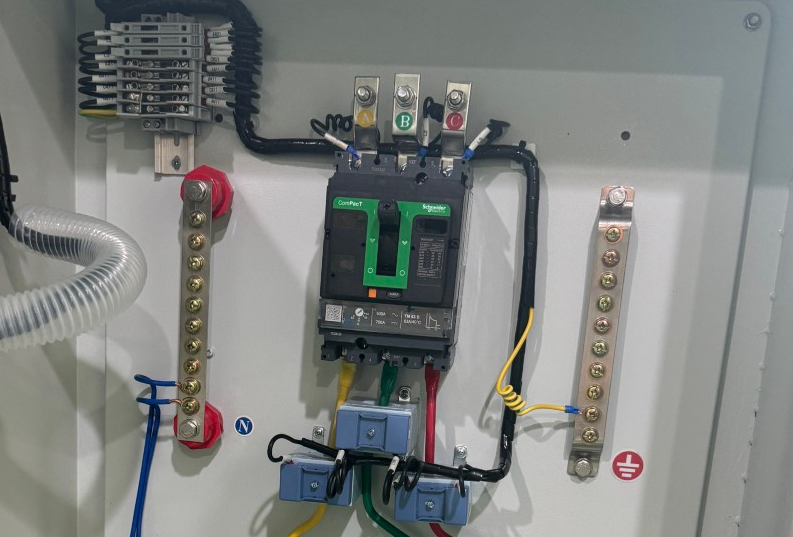
Never ignore new sounds from your electrical power panel. Shut down the affected circuit. Open the enclosure and inspect for loose connections, tracking marks across insulators, or any component with a burnt appearance. Arc-damaged parts must be replaced. You cannot clean and reuse them.
Visible corrosion, rust, and water damage
A distribution box outdoors or in a humid plant room fights water every day. Corrosion on any electric distribution box enclosure means the IP seal has failed. Once moisture gets inside, every metal surface degrades. In tropical and coastal regions, environments where IRENA data shows reliable distribution equipment directly supports industrial productivity, this degradation accelerates fast.
Start with the door gasket. A deformed or cracked seal lets humid air enter every time the door closes. In coastal or tropical environments, salt-laden air accelerates rust within months. An IP54-rated Distribution Cabinet drops to effectively IP22 if the door seal fails. Replacement gaskets cost a few dollars. A corroded busbar replacement costs hundreds and hours of downtime.
Inside the distribution panels, look for green or white powder on copper busbars. That is active corrosion eating into the conductor cross-section. Rust spots on steel mounting plates mean water has pooled inside the enclosure. Check the bottom plate of your lv distribution board. Standing moisture there means drainage holes are blocked or the enclosure needs re-sealing.
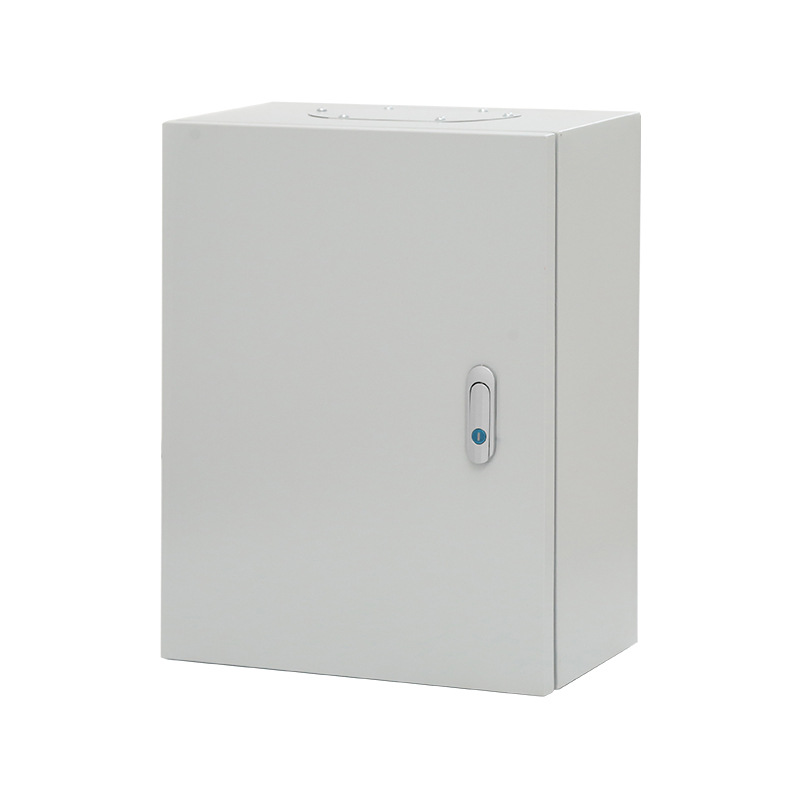
Corrosion creates a vicious cycle. High-resistance corroded joints generate heat. Heat accelerates further corrosion. The joint eventually fails, usually at maximum load when the damage costs the most. If your distribution box shows structural rust, replace the enclosure. At minimum, clean all contacts, replace the door seal, and run Megger insulation tests on every circuit.
Burning smell and discolored wiring
Your nose works as well as any instrument for diagnosing a bad distribution box. A burning smell, whether it resembles melting plastic, hot metal, or electrical ozone, means insulation is breaking down somewhere inside.
The smell usually comes from PVC cable jackets overheating. When a wire carries more current than its rating, the PVC softens, changes color, and releases a sharp chemical odor. By the time you detect it, the insulation is already compromised. Run that circuit any longer and you will get a phase-to-phase or phase-to-ground short.
Look inside for visual proof. Yellow, brown, or black patches on cable jackets confirm thermal damage. Carbon tracking across insulators or terminal blocks shows where arcing has already started. These are not cosmetic issues. Your distribution panels are in active failure.
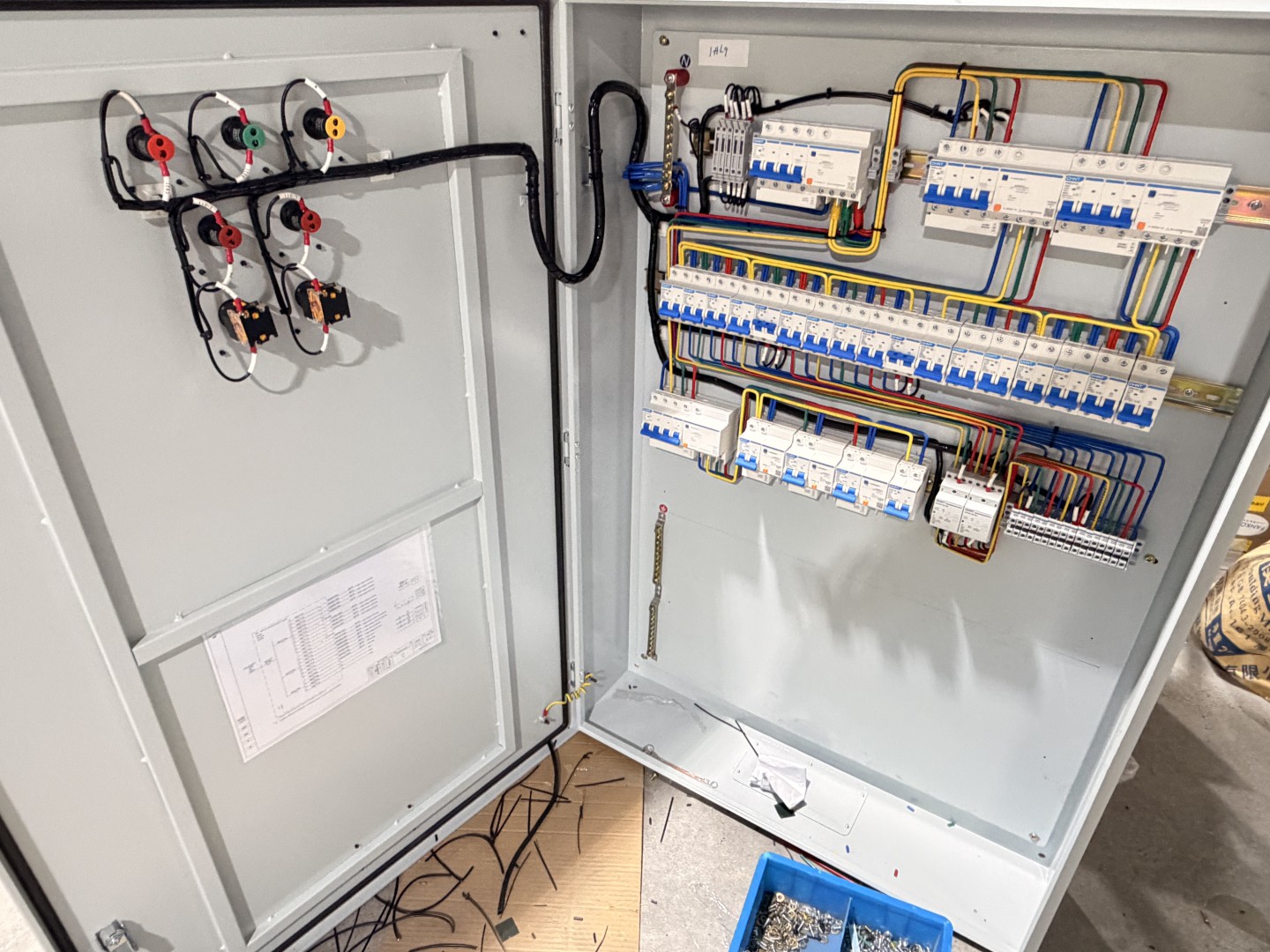
If you smell burning from any 3 phase main distribution board, shut down the main incomer immediately. Do not open the door with the busbar live. The arc flash energy in a compromised mdb main distribution board can exceed 25 cal per square centimetre. That is enough to cause third-degree burns through standard work clothing. Lock out, verify zero energy, then open and inspect.
Loose connections and intermittent power delivery
Intermittent faults are the hardest to trace in a distribution box. One production line runs fine all morning, then trips at 2 PM. A lighting circuit flickers only when a specific compressor starts. These symptoms point to loose connections inside the distribution switchboard.
Thermal cycling causes most loose connections in distribution panels. Copper busbars and aluminium cables expand and contract at different rates as load cycles between peak and off-peak hours. Over hundreds of cycles, the differential movement backs terminal screws out. Resistance rises. More heat is generated. This cycle accelerates until the joint fails. In a large power distribution center serving multiple production lines, thermal scanning every busbar joint quarterly catches loose connections before they reach this point.
A loose neutral in a 3 phase main distribution board is especially dangerous. When the neutral opens, single-phase loads see voltage swings between 150V and 380V depending on how the phases are loaded. Sensitive electronics burn out within seconds. Motor windings overheat and fail within hours. If half your plant's single-phase equipment fails on the same day, check the neutral bar in your main distribution panel first.
Tighten every accessible terminal during scheduled maintenance shutdowns. Use a calibrated torque screwdriver. IEC 61439 specifies exact torque values for each terminal size. An M8 busbar bolt needs 15 to 20 newton-metres. An M4 control terminal needs only 1.2 newton-metres. Over-tightening strips threads and creates the same problem you are trying to fix.
What causes these failures: a quick reference
Warning sign | Most likely root cause | Immediate action |
|---|---|---|
Frequent circuit breaker tripping | Overloaded circuit or loose terminal | Measure load with clamp meter. Re-torque all terminals. Redistribute load if needed |
Hot enclosure surface (>45 degrees C) | Loose busbar joint or undersized cable | IR scan every connection. Replace overheated components |
Buzzing or crackling sound | Loose magnetic core or active arcing | Shut down circuit. Inspect for arc damage. Replace damaged parts |
Rust or green powder on conductors | Failed door gasket or blocked drainage | Replace gasket. Clean contacts. Megger test all circuits |
Burning smell or discolored cables | Overloaded wiring or high-resistance joint | Shut down immediately. Find heat source. Replace damaged cables |
Intermittent power or flickering lights | Thermal cycling loosened connections | Torque all terminals. Check neutral bar integrity |
Voltage instability on single-phase loads | Open or loose neutral connection | Shut down immediately. Inspect and re-torque the neutral busbar |
FAQ
How often should I inspect my distribution box?
Inspect your distribution box every six months at minimum. In high-dust, high-humidity, or high-vibration environments such as mining sites, cement plants, and textile mills, inspect quarterly. Each inspection must include a thermal scan, torque check on main terminals, and visual inspection for corrosion and insulation discoloration.
What IP rating should my outdoor distribution box have?
An outdoor electric distribution box needs at least IP54 for dust and splashing water protection. In regions with monsoon rains or where enclosures face regular wash-down, specify IP65. Never install an indoor-rated enclosure outdoors. A weatherproof enclosure rated IP65 or higher handles monsoon conditions without internal moisture build-up. The gasket will fail within one rainy season.
Can I open the distribution box while it is live?
No. Never open a live main distribution panel. Even with insulated tools and arc-rated PPE, the incident energy in an energized mdb main distribution board can kill. Always lock out and tag out before opening any enclosure door.
What makes a distribution box catch fire?
Most fires start from loose connections. A hot joint degrades nearby insulation. Degraded insulation eventually creates a short circuit or sustained arc. The second cause is overloaded circuits where aging breakers fail to trip. A distribution box with 20-year-old breakers is a fire risk even if nothing appears wrong.
How do I know if my distribution panels are overloaded?
A thermal camera answers this in seconds. Multiple breakers running above 40 degrees C at normal load means your lv distribution board is near capacity. Also check the main incomer rating. If your connected load consistently exceeds 80 percent of the main breaker rating, you need a panel upgrade or load redistribution across additional distribution panels. Rising industrial electricity demand, tracked annually by the IEA, makes panel capacity planning more critical than ever.
What is the typical service life of a distribution box?
A well-maintained distribution box can serve 25 to 30 years. But internal components have shorter lives. Breakers need replacement after 15 to 20 years or 10,000 mechanical operations. Contactors last 5 to 10 years depending on switching duty. Busbars can last over 30 years if kept dry and correctly torqued. A leaking main electric box enclosure shortens all these numbers significantly. For equipment sharing the same electrical room, motor control centres often fail from the same root causes: corrosion, loose connections, and inadequate ventilation.
Should I repair or replace a failing distribution box?
Replace the entire unit if the enclosure has structural rust, the distribution switchboard shows arc damage across multiple compartments, or more than 30 percent of internal components need replacement. Repairing a badly degraded assembly costs more in long-term downtime than buying a new IEC 61439-compliant panel. Your team loses production hours every time you patch an old distribution box that should have been retired.
Can I detect loose connections without opening the enclosure?
An infrared inspection through the view window or with the door briefly opened using proper PPE detects hot spots without a full lockout. But you can only torque-test and confirm a connection with the main electric box fully de-energized and locked out. Thermal scans tell you where the problem is. Torque verification fixes it.
What do tripping breakers tell me about power quality?
Repeated tripping in a 3 phase main distribution board often points to harmonics or voltage imbalance, not just overload. If the same phase trips repeatedly while others stay on, measure THD and phase balance at the incomer. Non-linear loads like VFDs and UPS units can push harmonic currents high enough to trip breakers at normal ampere readings. The fix may require harmonic filtering rather than circuit upgrades.
Final thoughts
A distribution box does not fail without warning. It tells you through trips, heat, noise, rust, and smells. Train your crew to spot these signs early. Contact Giantele for custom industrial control panels and a factory-built, IEC 61439-compliant replacement panel sized to your load profile.
-
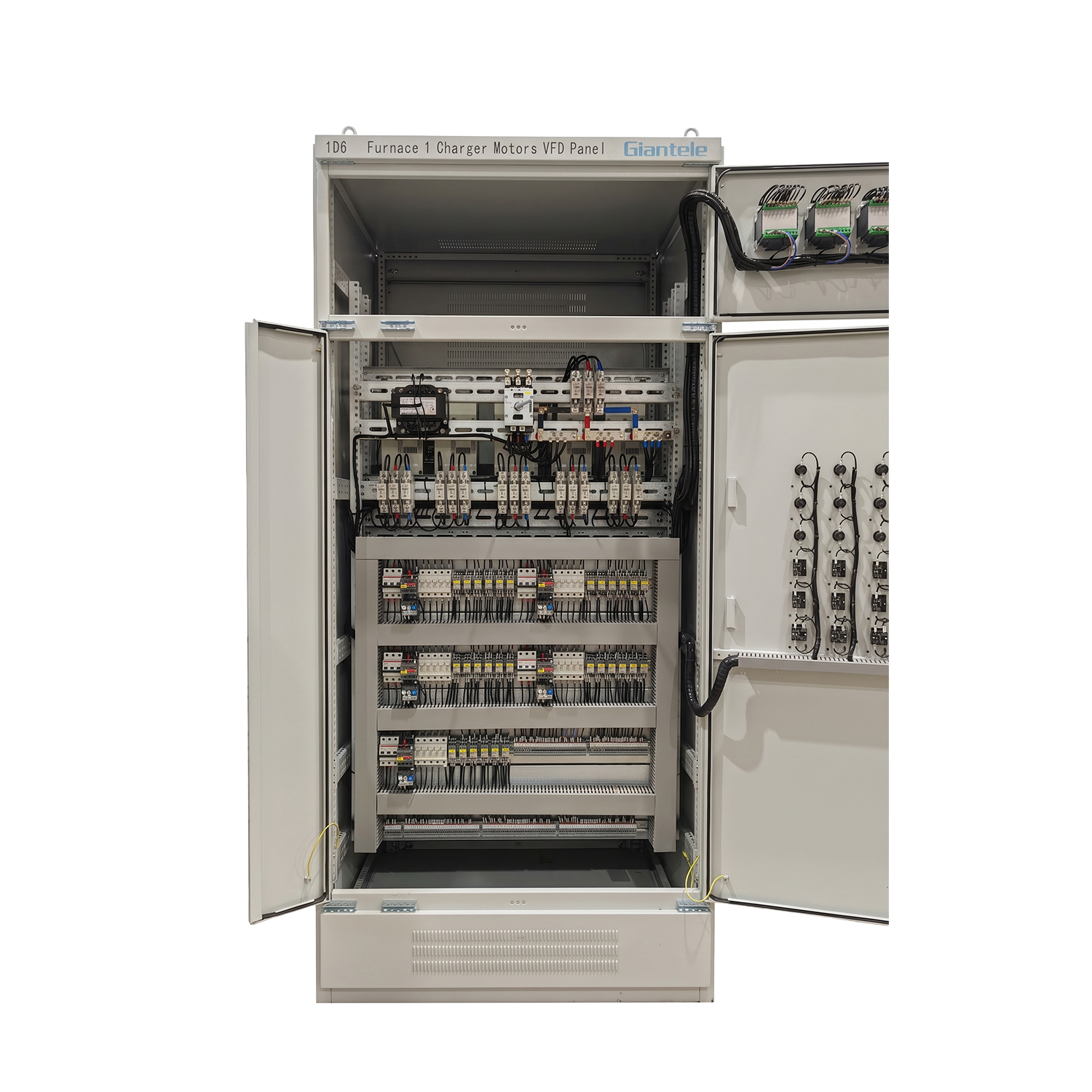 You can see different electrical distribution boards in homes, offices, and factories. Picking the right power distribution board helps you make things more reliable, scalable, and safe. You get steady power, room to grow, and safety from electrical problems.
 -
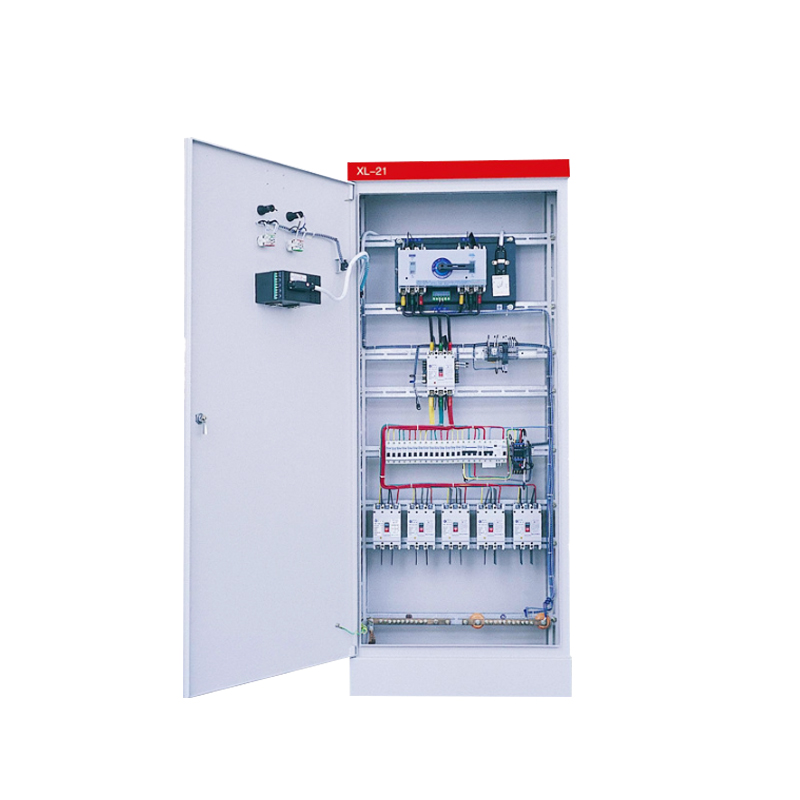 A power distribution board splits power into protected circuits. Covers distribution box, distribution panel, power distribution center, electrical DB, panel board, and data center electrical equipment.
 -
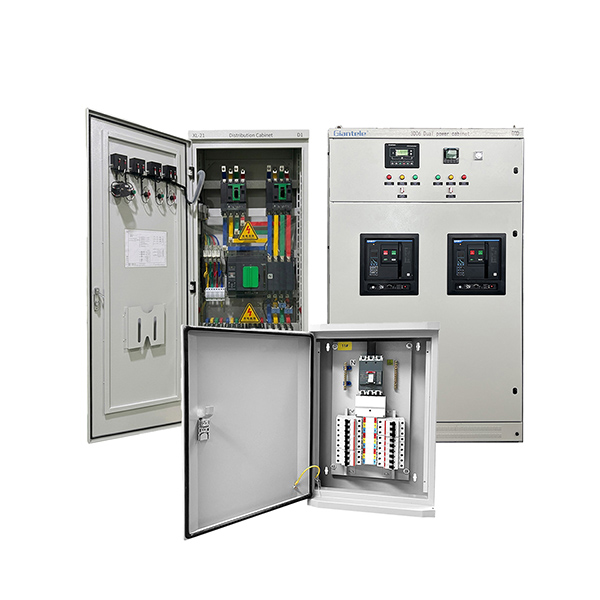 Select the right distribution box for your factory, mine, or commercial site. Covers types, components, IP ratings, and tips for African buyers.
 -
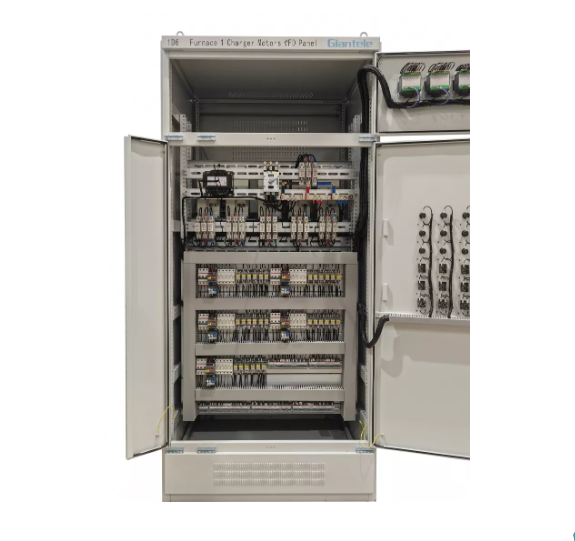 Electrical Distribution Panel guide covering panel types, sizing, safety, and installation tips. Learn how to choose the right distribution board today.
