

You need a motor control centre for your factory or mine. A basic motor control panel saves cash today. But a serious arc fault can injure your team and stop production for weeks. So where do you draw the line between safety spending and budget control?
This article compares the real cost of different MCC safety levels. It covers standard fixed MCCs, withdrawable designs, arc-resistant construction, and intelligent motor control panels. You will see what each tier buys you in protection and what the price premium looks like in practice.
What is a motor control centre and why its safety design matters
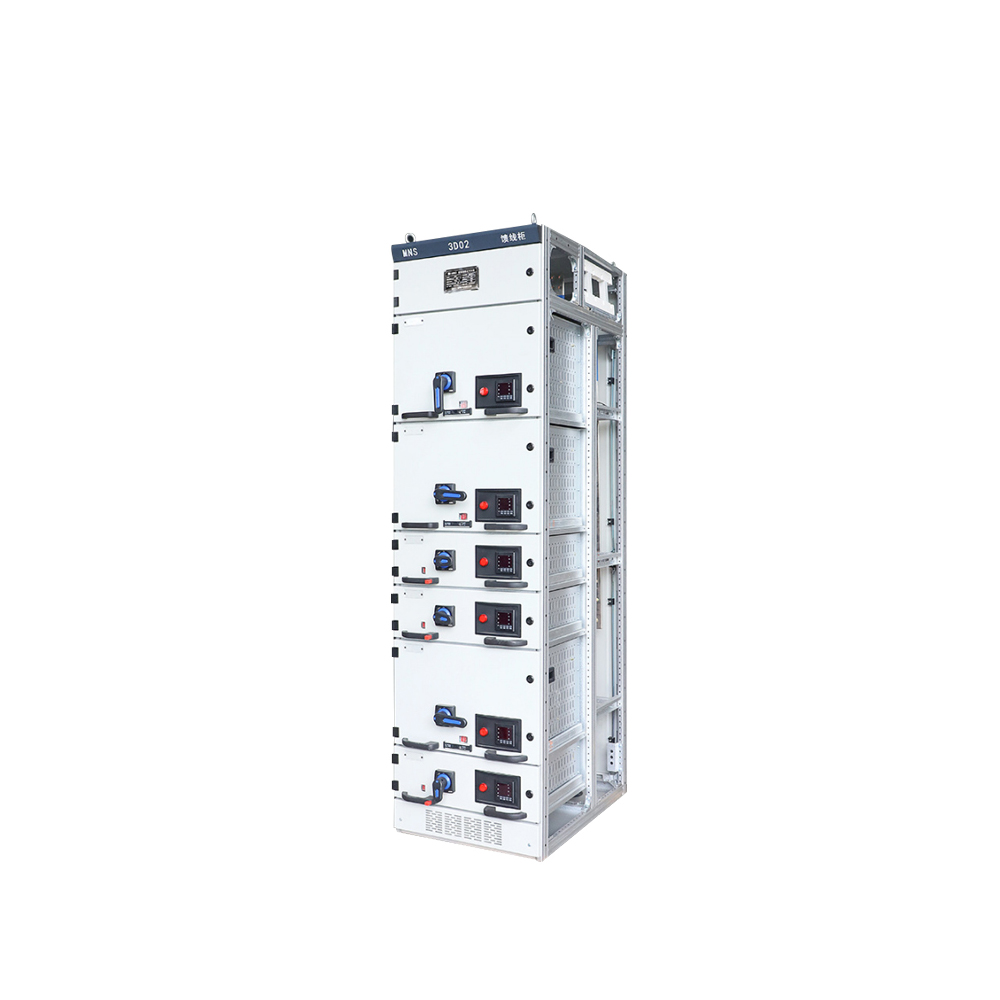
What is motor control centre? It is a floor-standing metal enclosure that centralises all your motor starters, protection relays, circuit breakers, and busbars in one assembly. As a type of low voltage switchgear, it organises motor control circuits that would otherwise occupy a full wall of separate panels. Instead of scattered individual starters across the plant, one MCC panel houses everything.
The design of your electric motor control panel determines how safe your operators are during routine work. Every time a technician opens a door to reset a trip or take a current reading, they stand in the arc-flash boundary. The question is not whether safety features cost money. It is whether the features you skip will cost more later.
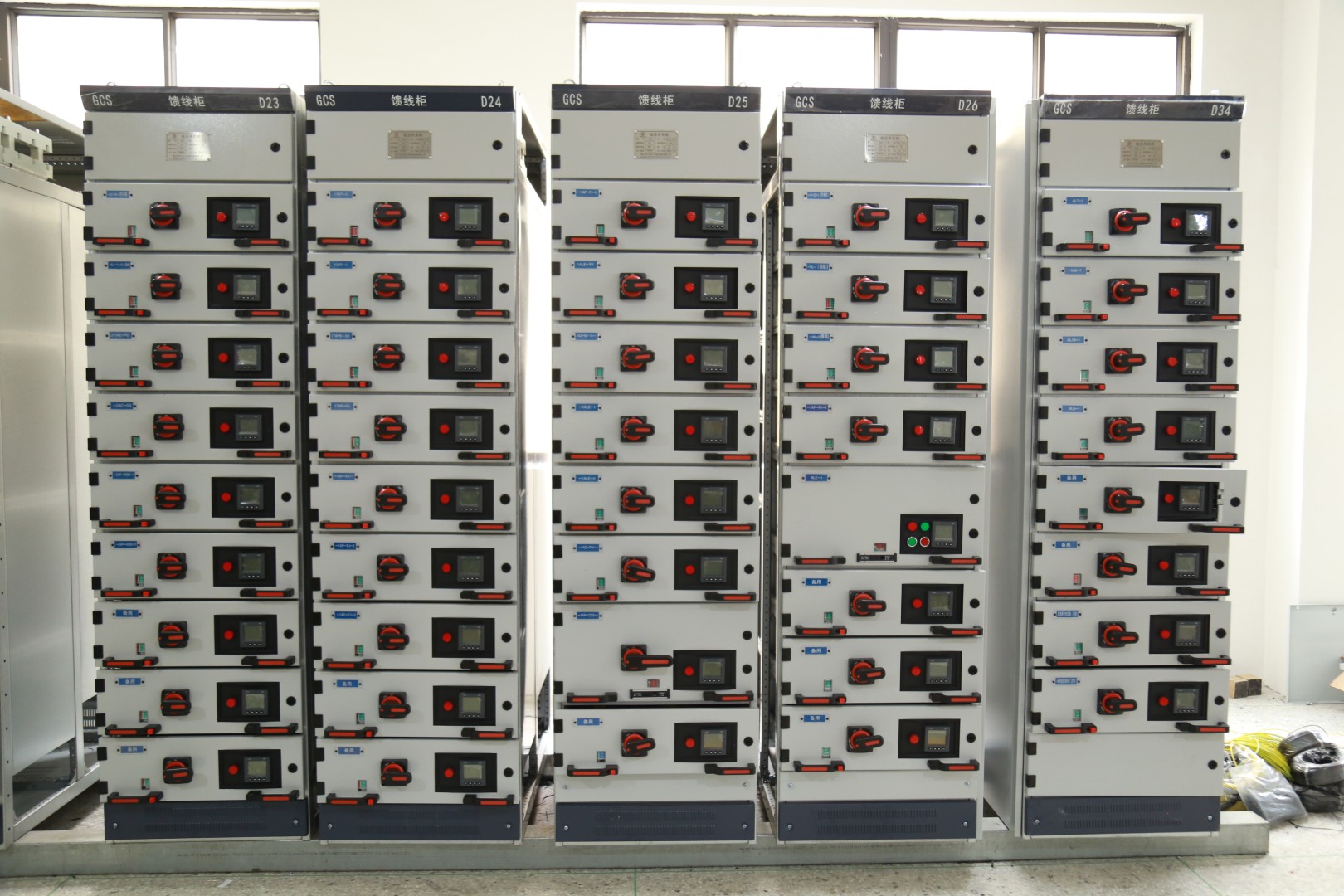
Fixed vs withdrawable MCC: the first cost decision
Most mcc manufacturers offer two mechanical formats: fixed and withdrawable. Fixed MCCs bolt the starter unit directly into the compartment. They cost less upfront. You get a functional motor control panel for the lowest price.
Withdrawable MCCs mount each starter on a sliding carriage with plug-in contacts. You can pull a unit out, replace it, and push it back in while the rest of the MCC stays live. That matters when you run a continuous process . A cement kiln in Kenya, a water pumping station in Uganda, or a textile mill in Bangladesh cannot afford a full shutdown to swap one starter.
The cost difference is real. A withdrawable motor control panel typically costs 30 to 50 percent more than an equivalent fixed design from the same custom control panel manufacturer. This is why most custom industrial control panels for mining and continuous process applications default to withdrawable construction. The premium covers the carriage mechanism, plug-in contacts, guide rails, automatic shutters for the vertical busbar, and the additional sheet metal work.
So the question becomes: how many hours of downtime does your plant lose each year to motor starter faults? For a mine conveyor in Zambia or an oil processing plant in Angola, even one unplanned four-hour stop costs more than the entire withdrawable MCC price premium. For a light industrial warehouse running ten small fans, a fixed MCC is probably the right call.
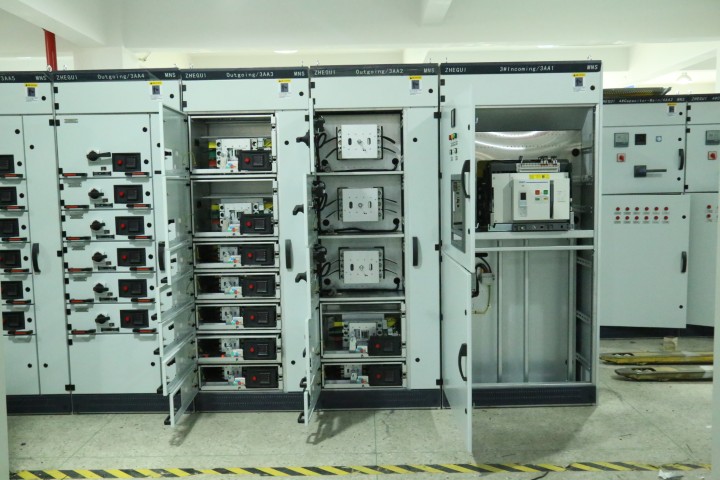
Arc-resistant safety features: what you pay for level-two protection
Arc-resistant MCC is the biggest single jump in safety cost. The construction adds reinforced doors, pressure relief flaps, a roof plenum to channel arc gases upward, and internal barriers between compartments. These changes redirect the arc energy away from the operator position.
Experienced mcc panel suppliers quote arc-resistant Type 2B MCC at 30 to 60 percent above a standard MCC of the same electrical rating. For a five-section lineup rated 4000 A, that could mean an extra USD 35,000 to 70,000. It is not a trivial number. But compare it to the cost of a single arc-flash incident: medical bills, equipment replacement, regulatory fines, and weeks of lost production easily exceed the safety premium many times over.
IEC 61439-2 and IEC TR 61641, published by the International Electrotechnical Commission (IEC), define the internal arc classification framework used by control panel builders worldwide. Specify AFLR protection and you get the equivalent of IEEE Type 2 protection under the IEC regime. Most EPC projects in Africa and the Middle East now require this as minimum for medium voltage MCC above 3.3 kV.
You cannot retrofit a standard MCC to arc-resistant later. The structural changes affect the entire enclosure, the busbar chamber, and the pressure relief path. If you think arc-resistant protection might become a plant requirement within five years, budget for it now. If your operation is low voltage only and uses current-limiting fuses with fast arc detection relays, a well-built standard MCC with Form 3b internal separation gives you solid protection at half the cost.
Intelligent MCC: does smart safety cut cost or add it
Intelligent MCCs embed communication modules, smart relays, and networked power meters into each starter bucket. The panel talks to your SCADA or PLC over Modbus TCP, Profinet, or Ethernet/IP. You can reset trips, download event logs, and monitor motor current from a control room instead of walking up to the panel door.
This is where safety and cost overlap in interesting ways. An intelligent MCC costs 20 to 35 percent more than a conventional MCC at purchase. The premium covers the communication hardware, the PLC or gateway, and the engineering hours for network configuration. But it reduces the number of times your operators must open live panel doors. Remote fault reset and remote diagnostics cut arc-flash exposure by keeping people at a safe distance.
Most control panel designers now recommend intelligent MCC for any plant with more than 20 motor feeders and a central control room. The ROI comes from reduced maintenance labour, faster fault diagnosis, and predictive alerts that catch problems before they trip. A control panel builder experienced in intelligent MCC can integrate the communication network so that commissioning takes days, not weeks.
The table below summarises the four MCC safety tiers and their relative cost:
MCC type | Relative cost | Key safety feature | Best for |
|---|---|---|---|
Fixed standard MCC | 1.0x (baseline) | Basic IP protection, compartment doors | Small factories, simple pump stations |
Withdrawable MCC | 1.3x to 1.5x | Live swapping, automatic busbar shutters | Continuous process plants, mining |
Arc-resistant MCC | 1.6x to 2.0x | Pressure relief, reinforced doors, plenum | Oil and gas, MV installations above 3.3 kV |
Intelligent MCC | 1.2x to 1.35x | Remote operation, fault logging, predictive alerts | Plants with SCADA, 20+ motor feeders |
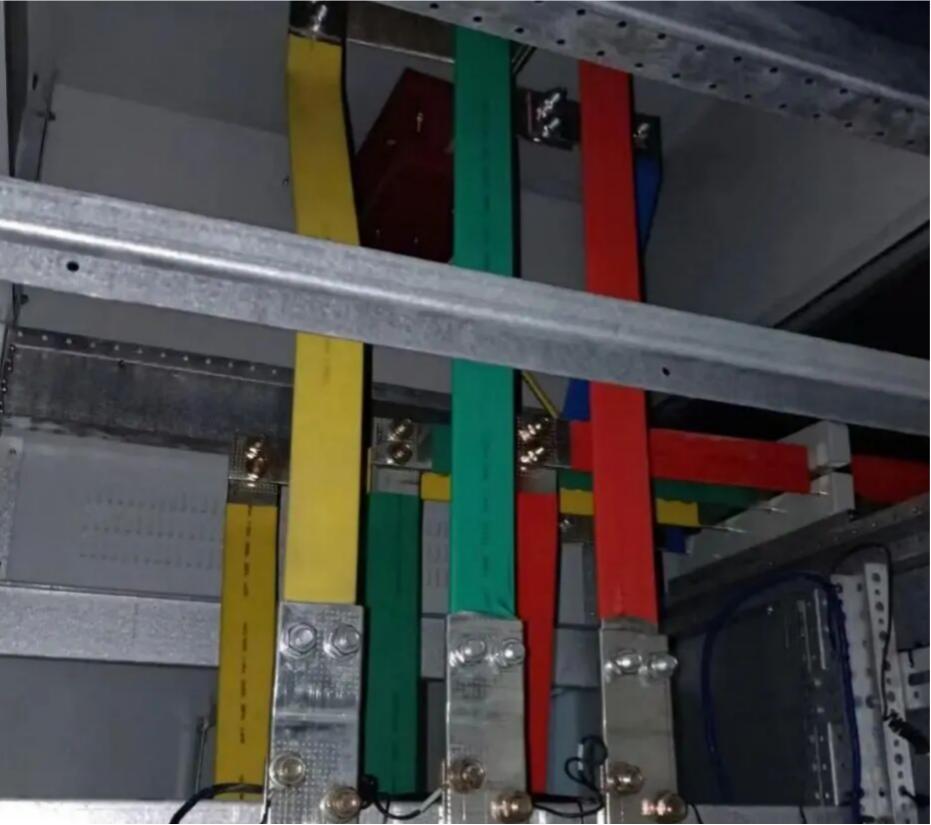
What drives the cost of industrial electrical panels with safety features
Your industrial electrical panels price is not just about the enclosure. Five factors push safety-related cost:
Form of separation. Form 3b or Form 4b adds busbar barriers and terminal compartment walls. The material and labour alone add 15 to 25 percent over Form 1 or Form 2 construction.
Component brand and coordination. ABB, Schneider, and Siemens circuit breakers with coordinated protection curves cost more than unbranded alternatives. But they deliver verified short-circuit coordination that generic combinations cannot guarantee. For factories running many induction motors, an APFC panel installed alongside the MCC corrects the power factor that motor loads degrade, keeping your electricity bill free of utility penalties.
IP rating. Moving from IP41 to IP54 or IP65 for dusty and wet environments requires gasketed doors, cable glands, and sometimes forced ventilation. The enclosure cost can double.
Factory testing. A proper control panel fabrication shop performs insulation resistance testing, functional testing of every starter, and a full load test. Budget 5 to 10 percent of the MCC price for factory testing. Skip it and you gamble on discovering wiring faults during commissioning at your site.
Certification documentation. IEC 61439 design verification certificates, ISO 9001 certificates, and test reports from an accredited lab add credibility. They also add cost. But they are non-negotiable for projects funded by the World Bank, the African Development Bank (AfDB), or national utilities in Kenya, Uganda, and Nigeria. As the International Energy Agency (IEA) notes, industrial motor systems account for roughly 65 percent of factory electricity consumption, making MCC energy efficiency and safety a direct cost driver.
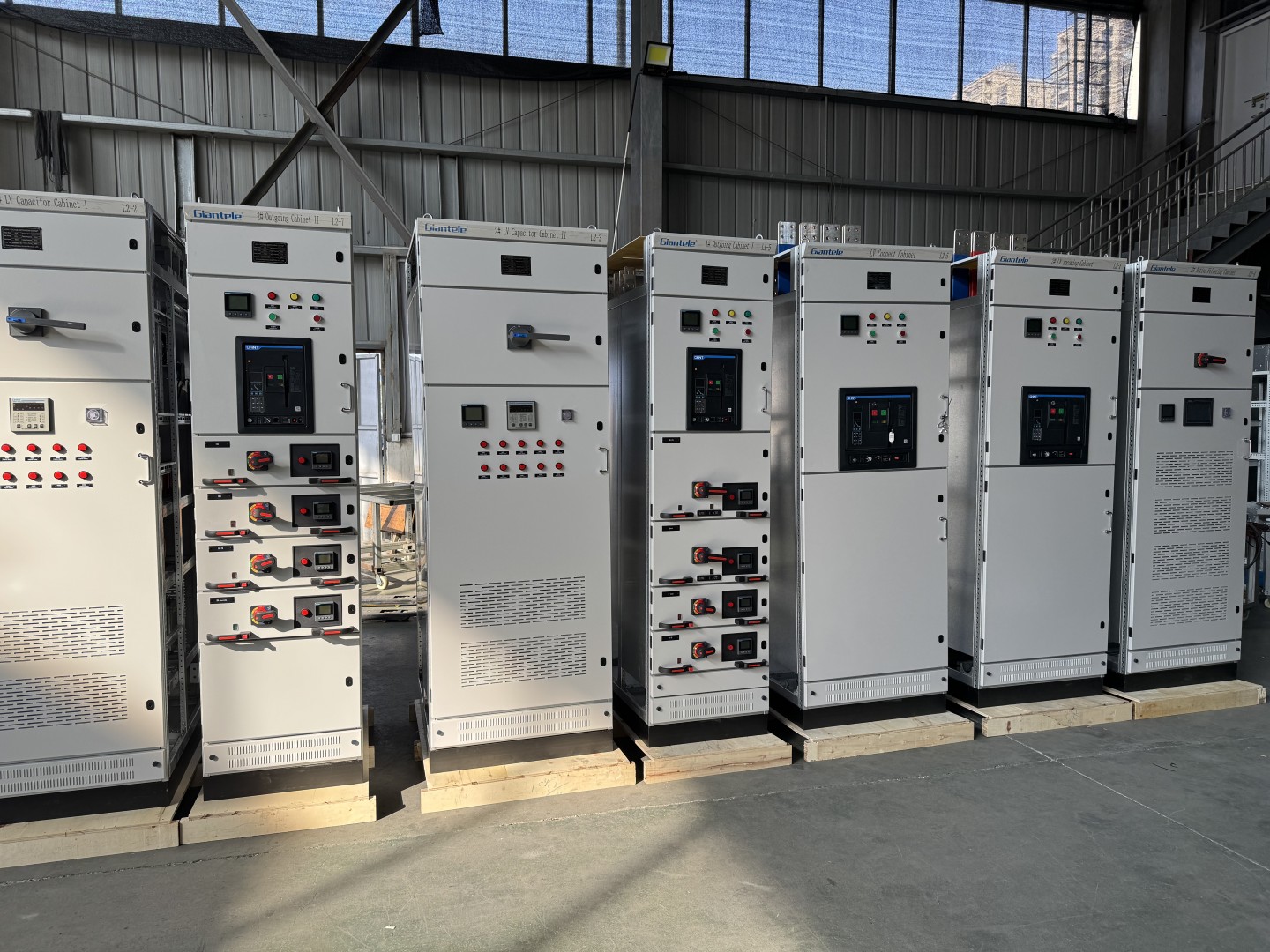
The hidden cost of skipping safety: downtime, damage, and liability
Consider a real scenario. A food processing factory in Ethiopia runs 35 motors on a fixed MCC without arc-resistant construction. A cable fault in one starter bucket causes an internal arc. The arc flash damages three adjacent compartments before the upstream circuit breaker clears. The plant shuts down for twelve days. Replacement parts must ship from China. The total cost, including repairs, lost production, and product spoilage, exceeds USD 180,000.
A withdrawable MCC would have limited damage to one bucket. An arc-resistant MCC would have contained the arc to the compartment of origin. An intelligent MCC would have sent a pre-trip alert 48 hours earlier when the cable insulation resistance started dropping.
This is why experienced mcc manufacturers do not compete only on price. They compete on the total cost of ownership over a 15 to 20 year operating life. The cheapest initial quote often becomes the most expensive panel on site.
When you compare quotes from different mcc panel suppliers, ask for a line-by-line breakdown. A quote missing factory test costs, missing IEC 61439 verification, or missing arc-flash labelling is hiding costs that you will pay later. Reputable electrical panel manufacturers include these line items transparently. A reliable control panel builder shows exactly what you get and what you do not.
Factory testing and certification: why they belong in your cost calculation
Proper factory testing catches wiring errors, loose busbar connections, and incorrect overload relay settings before the panel leaves the workshop. Fixing these issues in a factory in Shanghai or Ningbo costs hours. Fixing them on a mine site in the DRC costs days and requires skilled technicians who may not be available locally. Whether you buy a power distribution board or an MCC, the factory test is your last chance to catch defects before they become site problems.
IEC 61439-1 and IEC 61439-2, as published by the IEC, require design verification for every low-voltage assembly. This includes temperature rise tests, short-circuit withstand verification, dielectric tests, and mechanical operation tests. Reputable mcc manufacturers issue a declaration of conformity and a test report with every MCC shipment.
For control panel fabrication exported to Africa, the Middle East, or Southeast Asia, insist on:
Factory acceptance test (FAT) witnessed by your engineer or a third-party inspector.
Insulation resistance test results for every busbar section.
Functional test log showing every starter contactor, overload relay, and control circuit.
IP rating verification certificate.
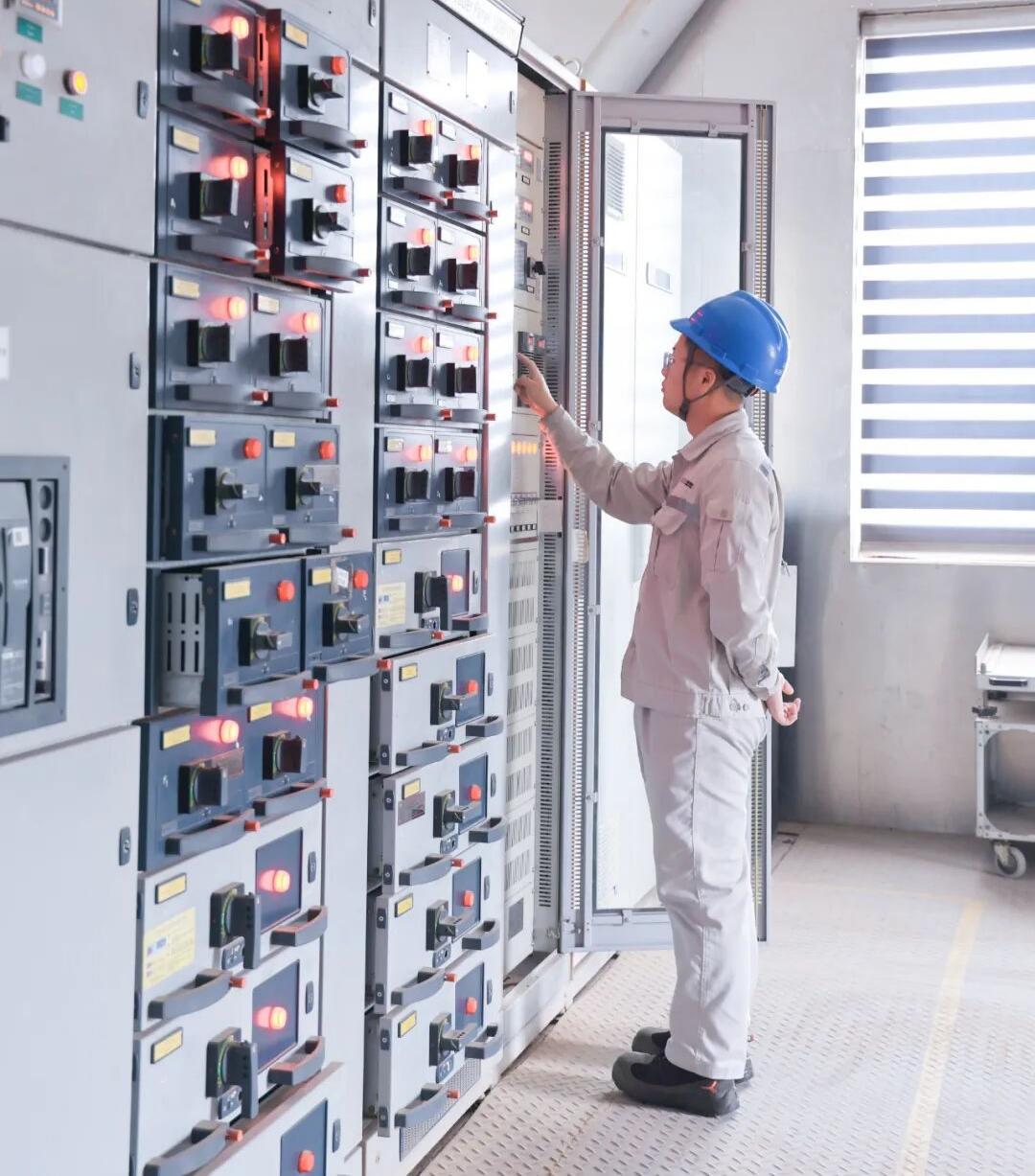
These documents protect you when a project consultant or insurer asks whether the panel meets its declared specification. They also protect your operators. A panel that passed a full FAT is far less likely to have a dangerous fault during first energisation.
Frequently asked questions
How much more does an arc-resistant MCC cost compared to a standard MCC?
Arc-resistant MCC costs 30 to 60 percent more than an equivalent standard MCC from the same manufacturer. A five-section 4000 A lineup can add USD 35,000 to 70,000. The premium covers reinforced doors, pressure relief vents, plenum installation, and full type testing per IEC TR 61641.
Can I add arc-resistant features to an existing motor control centre?
No. Arc-resistant construction requires structural changes such as door reinforcement, compartment barriers, and pressure relief paths. These cannot be retrofitted in the field. Your options are full replacement or adding arc detection relays as a compensating control that trips the upstream breaker within 2 to 5 milliseconds of detecting an arc.
What is the most important safety feature for a low voltage MCC under 690 V?
Internal separation (Form 3b minimum) combined with insulated horizontal busbars gives you the best protection per unit cost. Form 3b keeps busbars in a separate compartment from functional units. An operator can work on one starter bucket while the rest of the MCC stays live, with no exposure to the main busbar.
Do intelligent MCCs eliminate the need for PPE?
No. Intelligent MCCs reduce how often operators must open live panel doors, but they do not eliminate arc-flash hazard. Workers still need PPE appropriate to the residual incident energy. Intelligent MCC simplifies compliance by providing remote access to diagnostics and trip logs.
How long does it take to get a custom MCC built with specific safety features?
A custom electric motor control panel with Form 3b separation, withdrawable units, and factory testing typically takes 8 to 12 weeks from drawing approval to shipment. Arc-resistant construction may add 2 to 4 weeks for additional engineering and type test coordination.
Are IEC 61439 certified MCCs accepted across Africa?
Yes. IEC standards are recognised by national regulators across Africa, including ERA in Uganda, EPRA in Kenya, NERC in Nigeria, and ESKOM in South Africa. IEC 61439 certification is also required by World Bank and AfDB funded projects. No UL listing is needed for projects in CE/IEC jurisdiction countries.
Final thoughts
Cheap MCCs get expensive when they fail. Safe MCCs cost more to buy and far less to own. Match your safety spend to your operational risk. A continuous process plant justifies withdrawable and arc-resistant construction. A simple pump station may need only a well-built fixed MCC with Form 3 separation. Talk to Giantele for a technical proposal that balances safety and budget for your specific project.
-
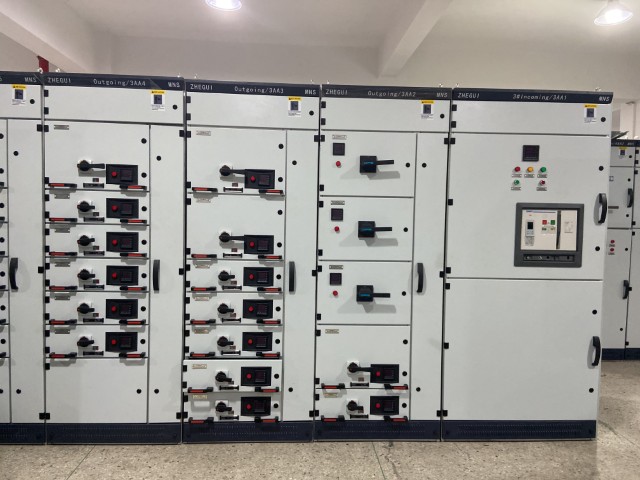 Compare motor control center cost. Find motor control center suppliers and mcc manufacturers. Covers motor control panel specs, industrial electrical panels, and control panel fabrication.
 -
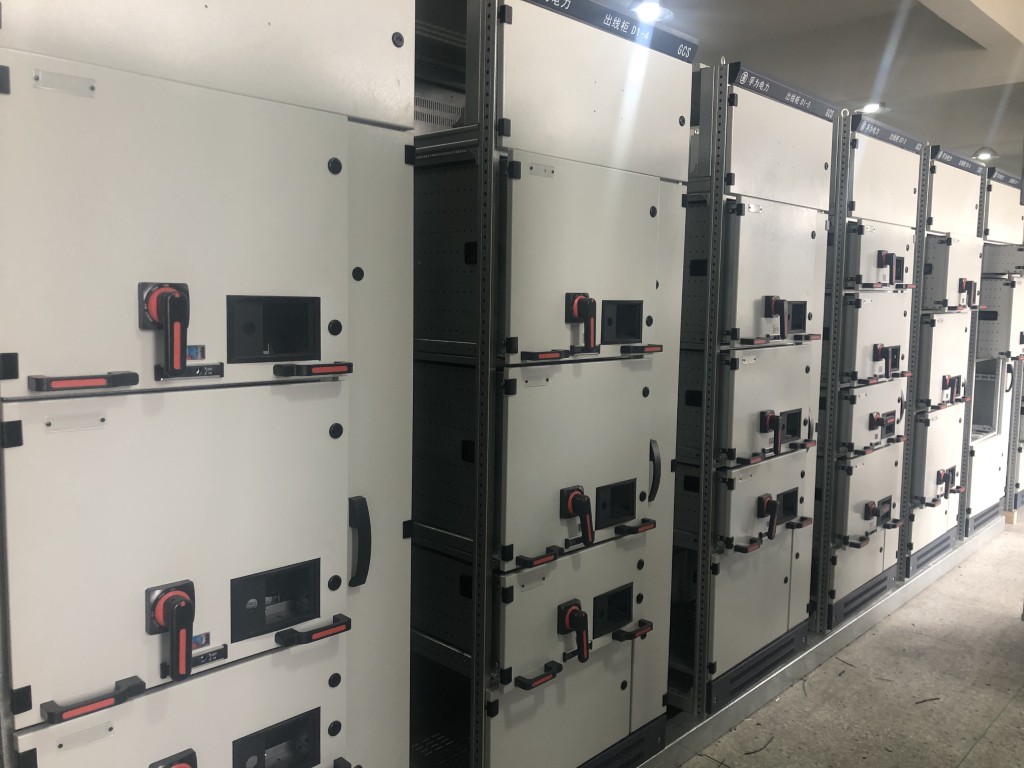 Common mcc panel problems cost factories hours of downtime. Learn to spot contactor failures, busbar overheating, single phasing, and environmental damage before they stop production.
 -
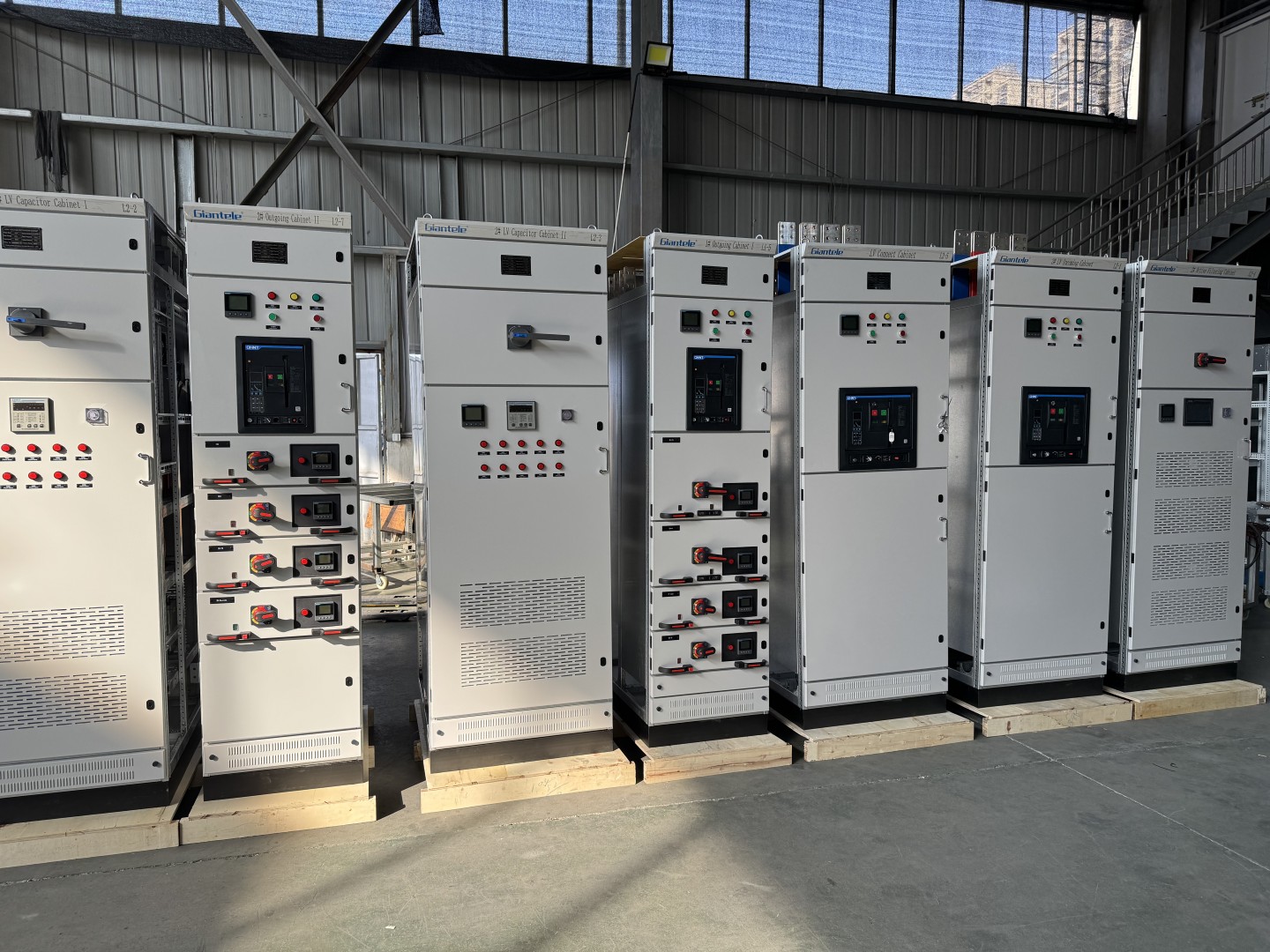 An mcc motor control center lasts 20-40 years. What cuts electrical mcc lifespan? Your motor control centre manufacturer matters. Know when to replace your mcc cabinet.
 -
 Custom control panels protect every motor in your plant. Learn how an MCC works, its components, and how to find the right electrical panel builder. Get a quote.
