
A distribution box price means little until it sits on the same basis as the next one. Two suppliers quote the same wall-mounted power distribution box and land 40 percent apart. The gap is in ways, ratings, enclosure and what the quote quietly leaves out.
Key takeaways
- Compare cost per way at a stated rating, never the headline total.
- Enclosure gauge, busbar material and device tier move a db box price more than labour does.
- Freight, duty and spare ways usually decide the landed cost.
- Ask for the way count, the device brand and the test record in writing.
- The cheapest quote is normally the shortest scope, not the best factory.
Why two distribution box quotes never match
Suppliers quote a sub board against different scopes. One prices the enclosure and the outgoing devices alone. Another adds busbar, labels, testing and a wiring schedule. Until both describe the same ways at the same rating, the two totals tell you nothing useful.
Start from a written schedule. An distribution electrical box is defined by its incomer rating, its number of outgoing ways and its enclosure class. Those three numbers set most of the price before any brand enters the conversation.
Keep the hierarchy clear too. A sub board splits load downstream of the main distribution panel, so it carries a smaller incomer and cheaper devices. Price it against boards doing the same job, not against the board feeding it.
Cost per way is the only fair comparison
Cost per way turns three different quotes into one number. Divide the ex-works price by the outgoing ways at a stated rating. A 24-way board at 2,160 dollars is 90 dollars a way. An 18-way board at 1,980 dollars is 110 dollars a way.
Read the rating before you trust that ranking. The 90 dollar board carries 32 A ways and the 110 dollar board carries 63 A ways. Fix the rating first, and the order often reverses.
Then look at spare capacity. Four spare ways ordered now cost roughly 20 to 30 percent of what the same ways cost as a site change later. A power distribution panel sized for next year beats one modified next year.
| Quote line | Supplier A | Supplier B | Normalised basis |
|---|---|---|---|
| Outgoing ways | 18 | 24 | Price only the ways you need |
| Way rating | 63 A | 32 A | Fix one rating before comparing |
| Incomer | 250 A | 160 A | Match the feeder that supplies it |
| Spare ways | 0 | 4 included | Price spares on their own line |
| Test record | Not stated | Routine test sheet | Demand the same evidence twice |
| Ex-works price | 1,980 USD | 2,160 USD | Convert both to landed cost |
| Cost per way | 110 USD | 90 USD | Compare only at equal rating |
What drives the price inside a db box
Material sets the floor, not labour. Copper busbar and the enclosure steel together account for roughly half the material cost of a small board. The outgoing devices take most of the rest, and they are the easiest line to substitute without telling you.
Two boards can look identical from the front. Inside, one db panel board carries tinned copper busbar on a formed support. The other uses aluminium strip on a folded bracket. A photo of the door never shows that difference.
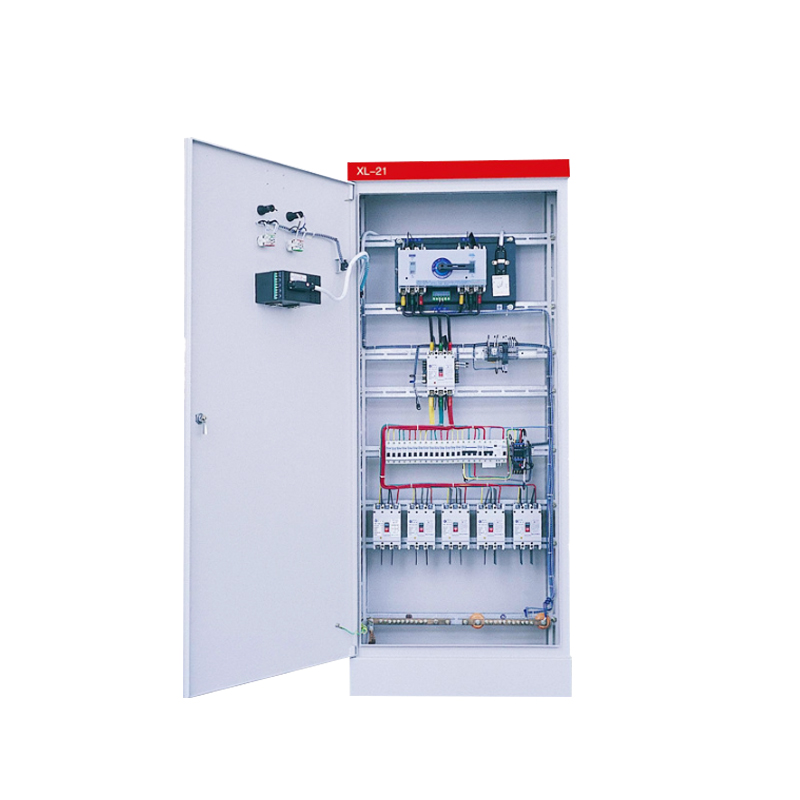
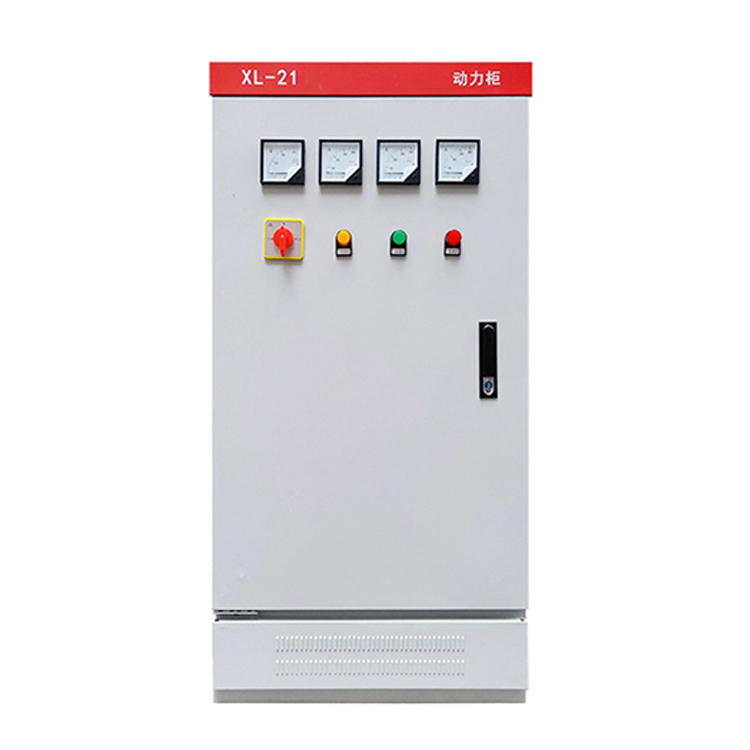
Board type moves the price as well. A lighting panel with 12 ways uses less copper than a power board with the same count. A floor-standing XL-21 distribution cabinet uses more steel again and needs floor space, not wall space.
 Inside the price
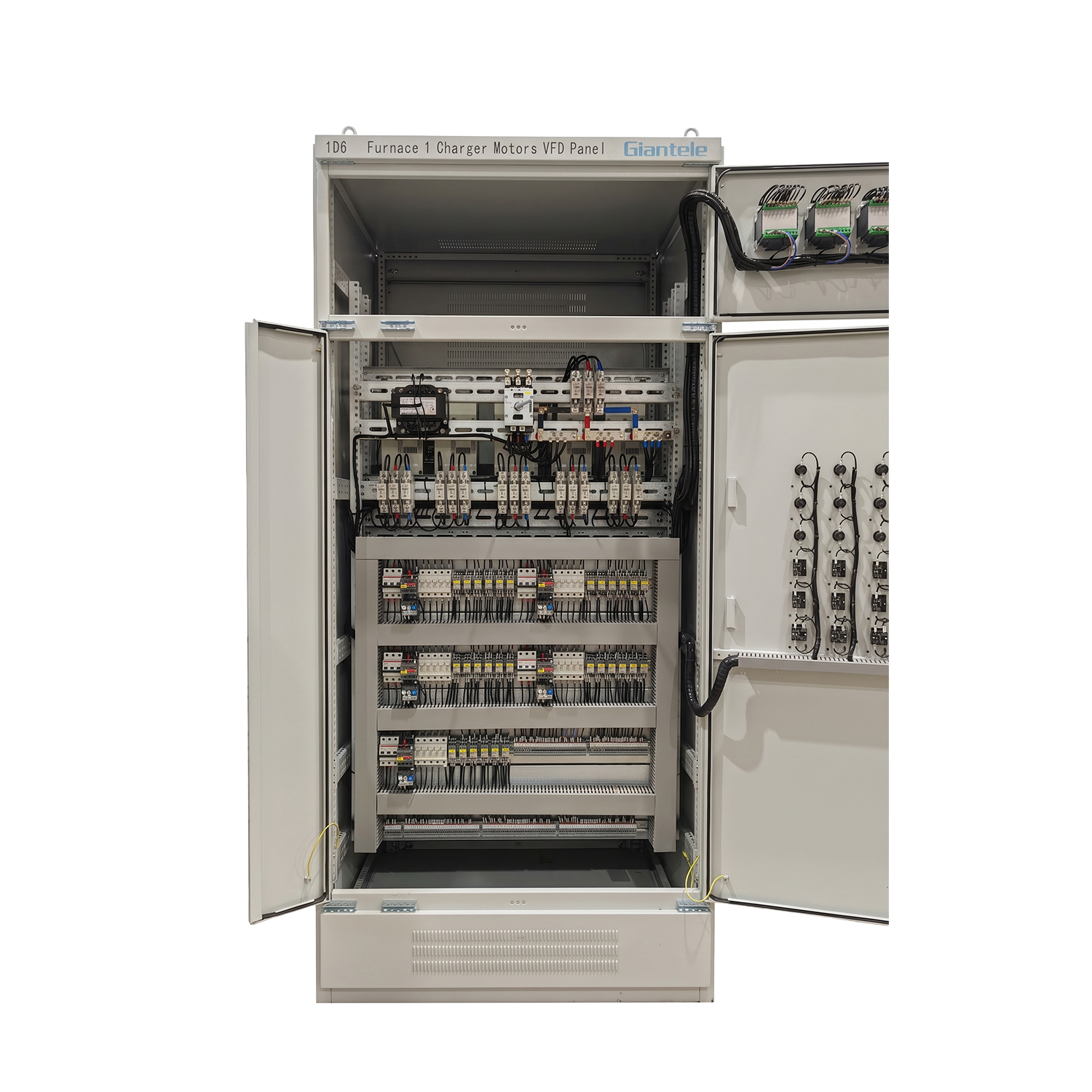
Devices in defined rows on one rail are the mark of a factory build. Mixed brands on one rail are a warning sign.
Ask for the wiring schedule as a deliverable. A board shipped without one costs more to keep.
Landed cost is where cheap bids turn expensive
Ex-works price is half the story. Freight, import duty, inland transport and currency movement decide what the board costs at your gate. A wall-mounted power db box ships at low volume, so freight stays modest.
Ask for the packing list and the gross weight before you rank anyone. Then price the shipment yourself. A CIF quote and an ex-works quote cannot sit on the same comparison sheet.
Volume is not the only variable. Grid and electrification spending keeps rising across Africa and Southeast Asia, according to the IEA, and that demand moves freight rates and lead times together.

Five lines that change the total
How to read a major supplier price list
Major suppliers publish lists for a base configuration, and the base rarely matches your load. Treat the list as a starting point, then price every deviation from it.
Watch three substitutions. Enclosure steel drops from 2.0 mm to 1.5 mm. Busbar changes from copper to aluminium. Devices move from the named brand to an economy line. Each substitution lowers the price and shortens the working life.
A small electricity panel for a workshop shows the trap. The catalogue unit carries 8 ways. Your schedule needs 14, three of them three-phase. The list price you compared buys a board you will never install.
 Wall mount
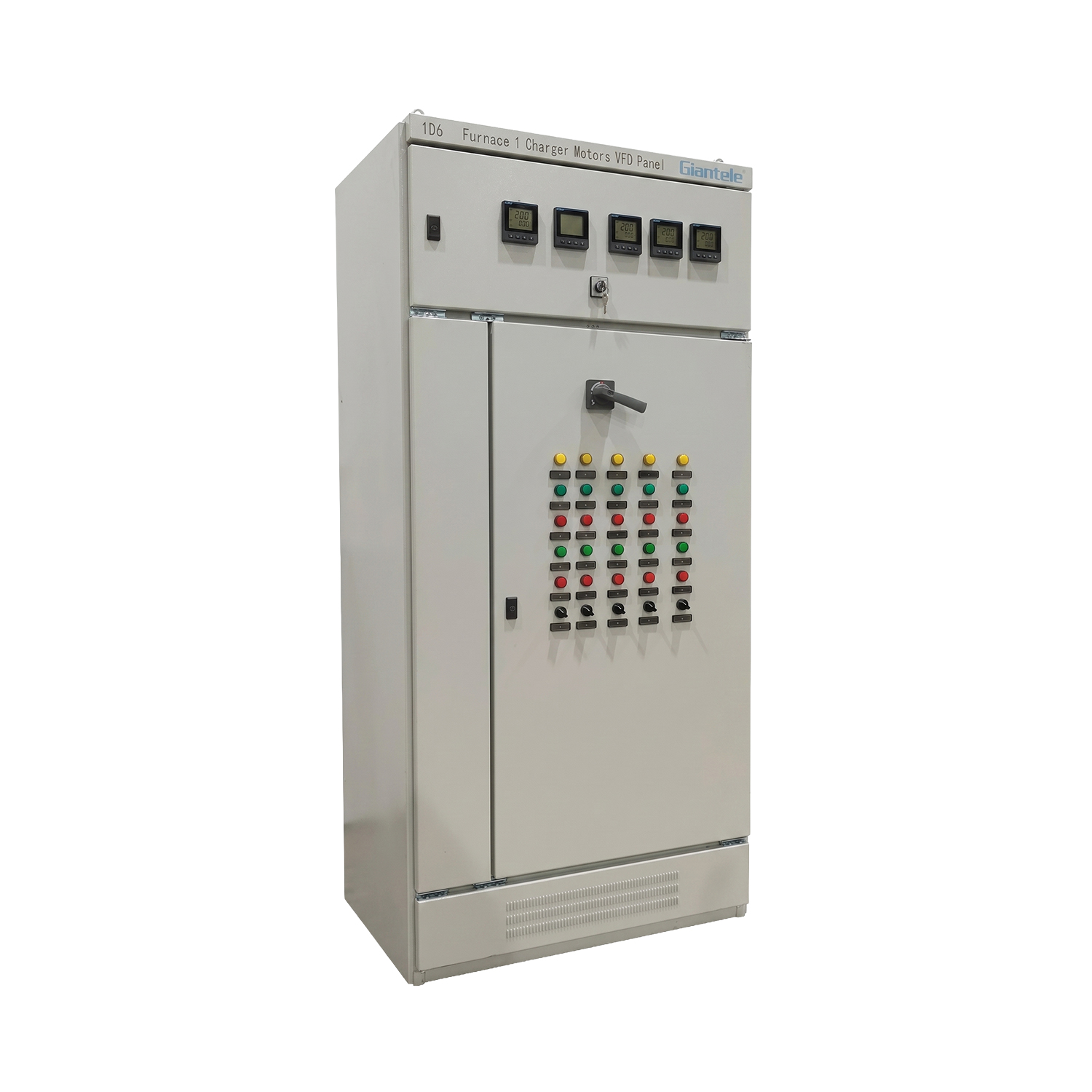
Wall-mounted boards are the cheapest way to add circuits. They need clear wall, not a switch room.
Check the door swing and the cable entry before you fix the size.
Checks before you sign the lowest quote
The lowest quote is a question, not an answer. Ask what the price excludes and who does that work. Site labour is the usual gap between a cheap offer and a working board.
Then compare evidence, not adjectives. Every electrical distribution box order should hand over a routine test record, a wiring schedule, a spare parts list and the type test reference for the assembly.
The assembly itself is covered by the IEC 61439 type test, and you can read the scope on the IEC 61439 assembly standard. A management certificate covers the factory process behind it, and ISO 9001 is the one to ask for.
Both documents go to the factory, not the data you need on site. An electrical db panel arrives with a routine test sheet showing insulation resistance, continuity and functional checks on every way.
Frequently asked questions
How much does a sub distribution board cost?
Why is one quote half the price of another?
Should I buy spare ways at the order stage?
Does the enclosure change the price much?
What is the difference between a db box and a sub main distribution board?
What paperwork should arrive with the board?
Final thoughts
Put every offer on one sheet at cost per way, at a fixed rating, with the same scope. Most price gaps disappear at that point, and the ones that remain tell you where the supplier cut something. Send Giantele your way schedule and we will price it on that basis.
Comparing quotes on one basis?
Send the incomer rating, the way count and the enclosure class. We return a priced schedule with the busbar, device and testing lines shown separately, so you can line it up against the offers you already hold.