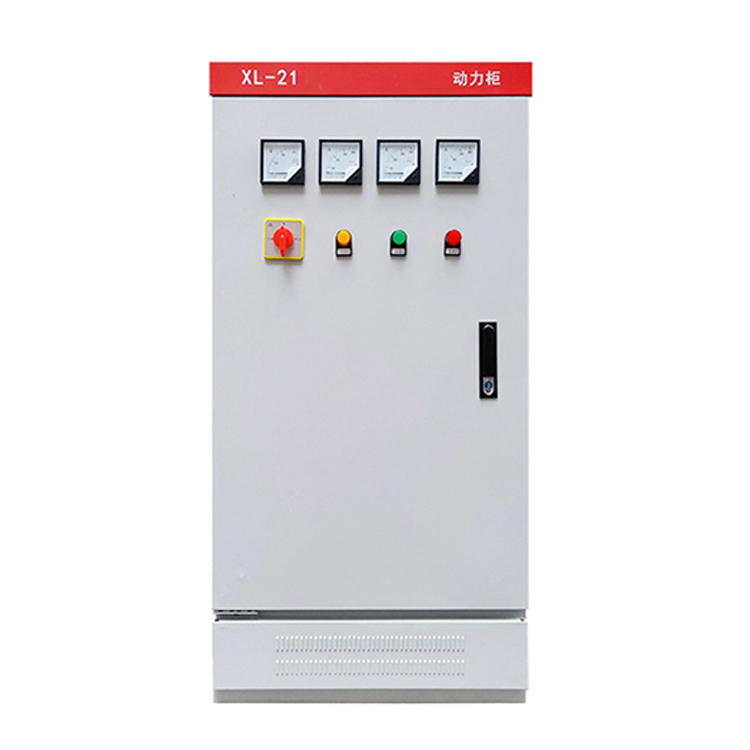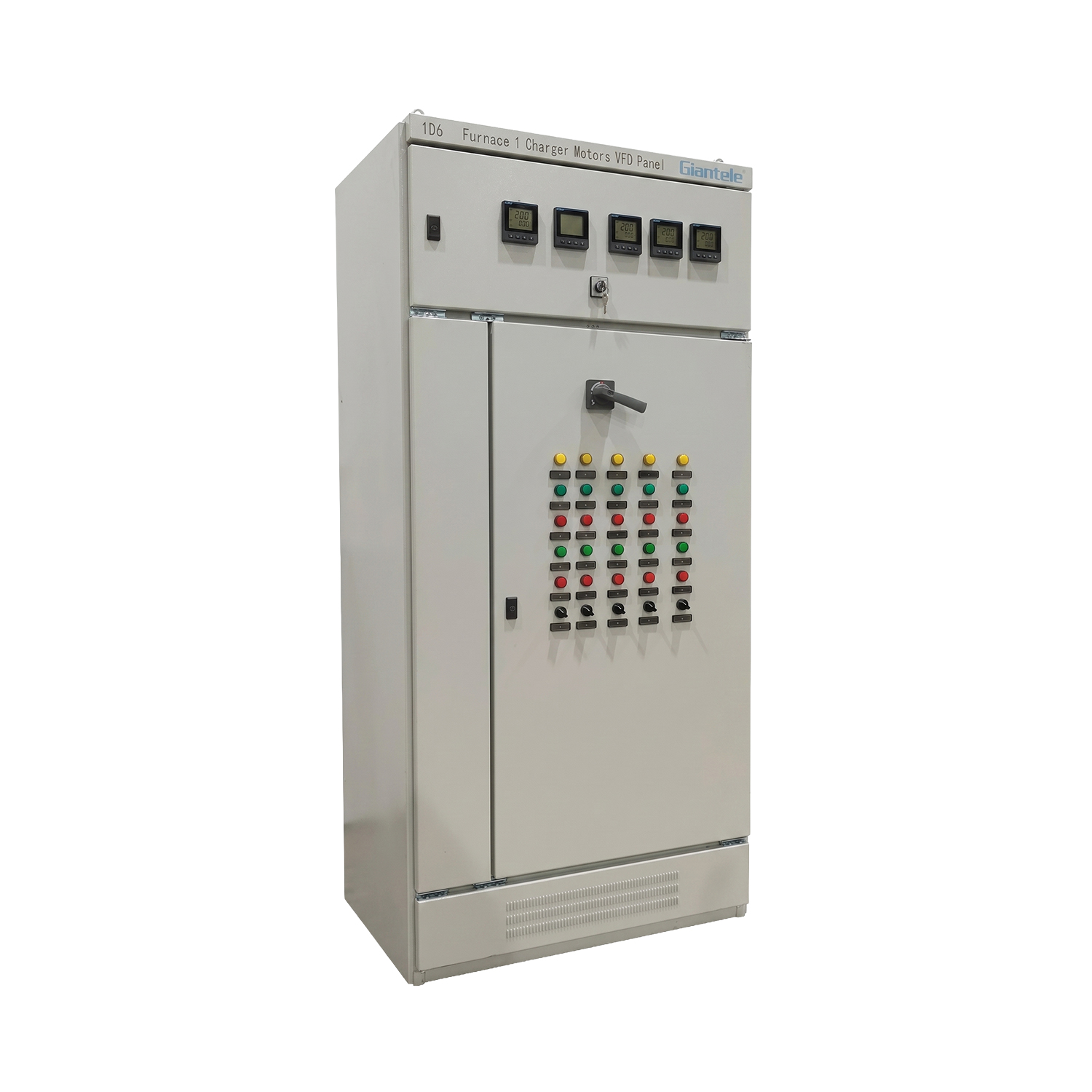
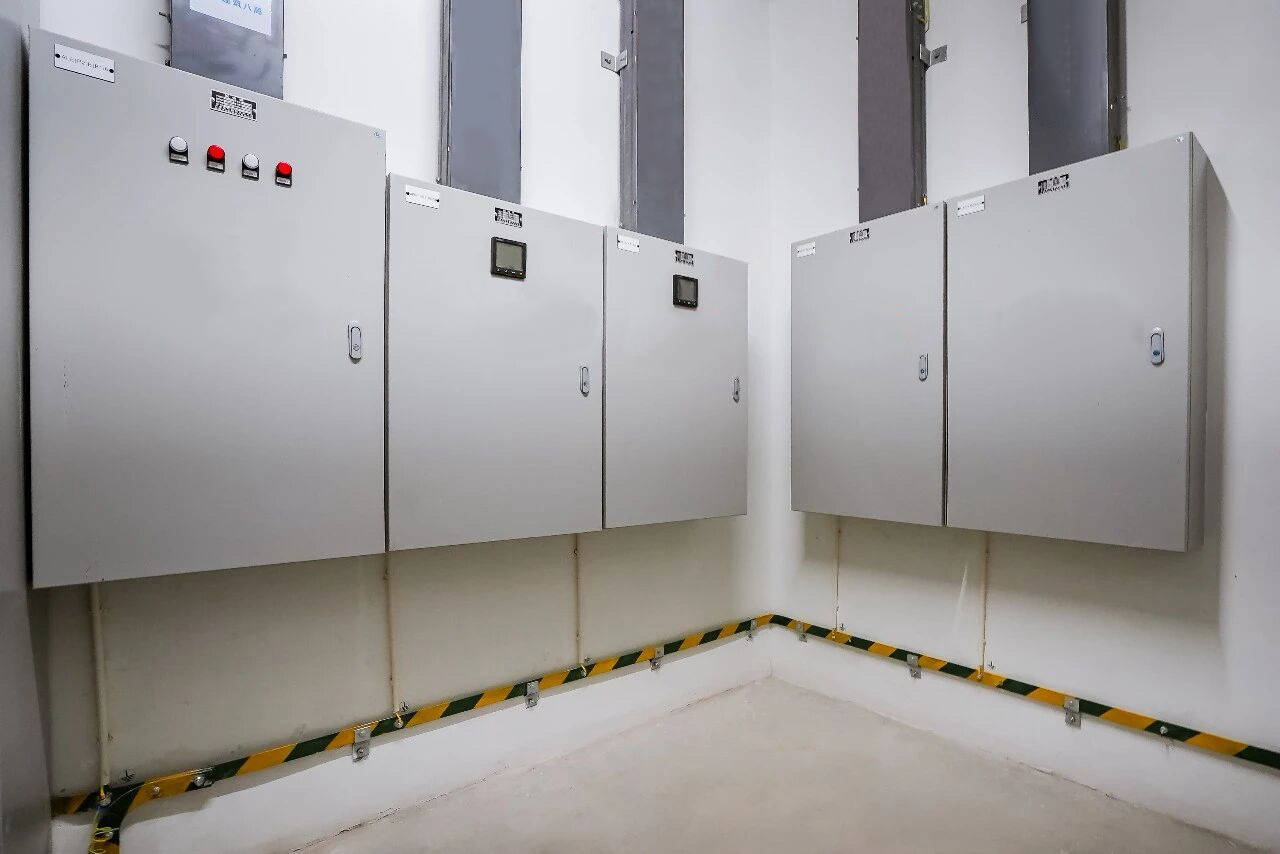
A surge rating tells you little. An electrical power distribution box protects the load when three things line up. The device class, the lead to the earth bar and the rail space beside the incomer. Judge a power distributor box on those three, not on the feature list.
Key takeaways
- Surge protection in an electrical power distribution box lives in the device class, the earth path and the space around it.
- A db box electrical order that omits the rail position leaves the installer to improvise.
- Lead length to the earth bar decides whether the device clamps or lets the surge through.
- The device needs a coordinated upstream breaker, not simply a larger one.
- Ask for the datasheet, the coordination note and the routine test sheet.
Why two sub boards with the same device behave differently
Two sub distribution boards can carry an identical surge device and still behave differently. The variables are physical. The distance to the incomer, the lead length to the earth bar and the space the enclosure allows. Dealers sell the device. Integrators design those three.
Most tender documents treat surge protection as a yes or no line. That line hides the exposure zone, the device class and the bonding arrangement. A supplier can tick the box with a cheap Type 3 unit and stay within your wording.
Write the exposure instead. A sub board fed from an overhead line faces a different case from one inside a plant room. State the incoming supply, the structure and the equipment you are protecting. Let the class follow from that.
Exposure only grows. Electrification and grid investment keep climbing across Africa and Southeast Asia, according to the IEA. Every new connection adds another path into the installation.
What has to fit inside the enclosure beside the incomer
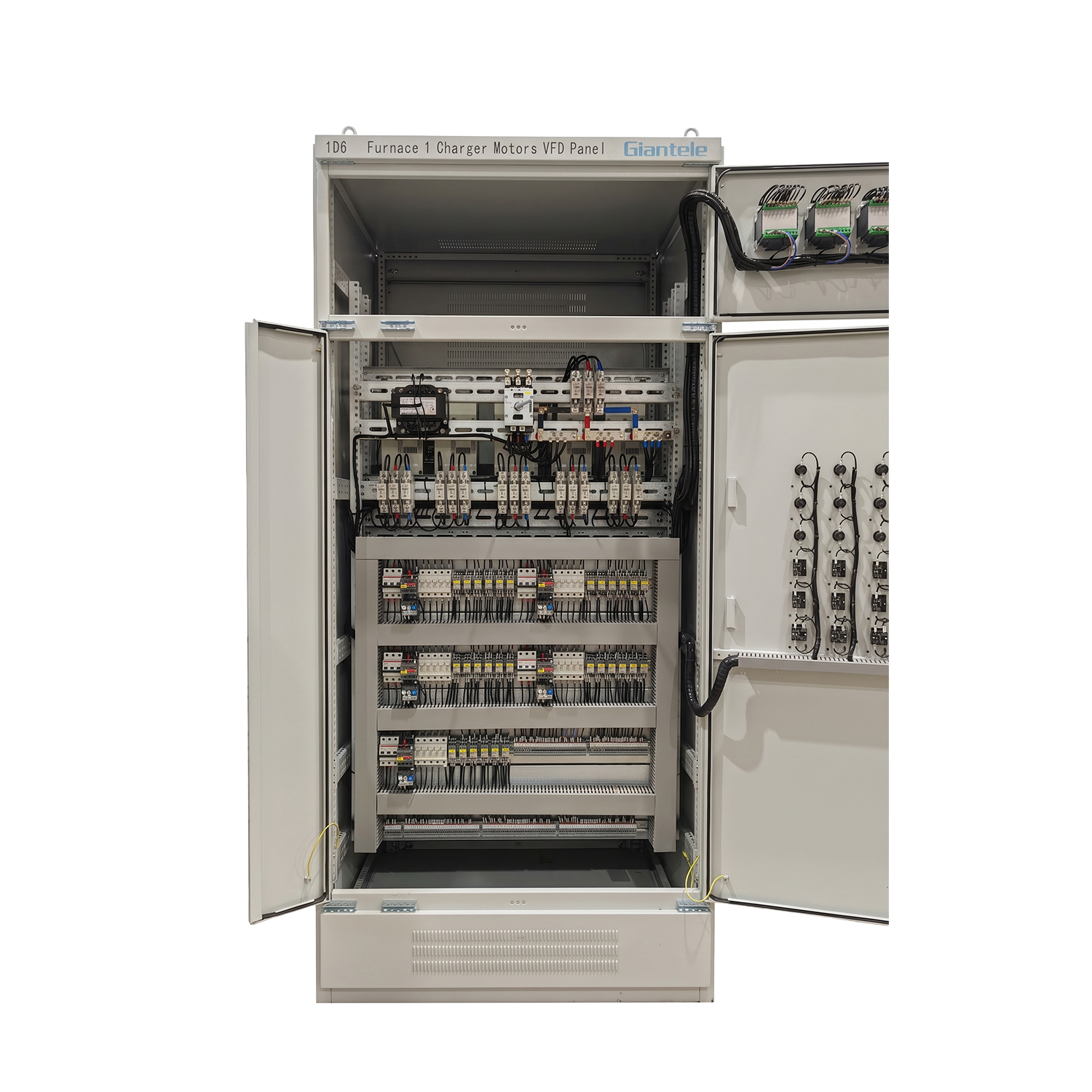
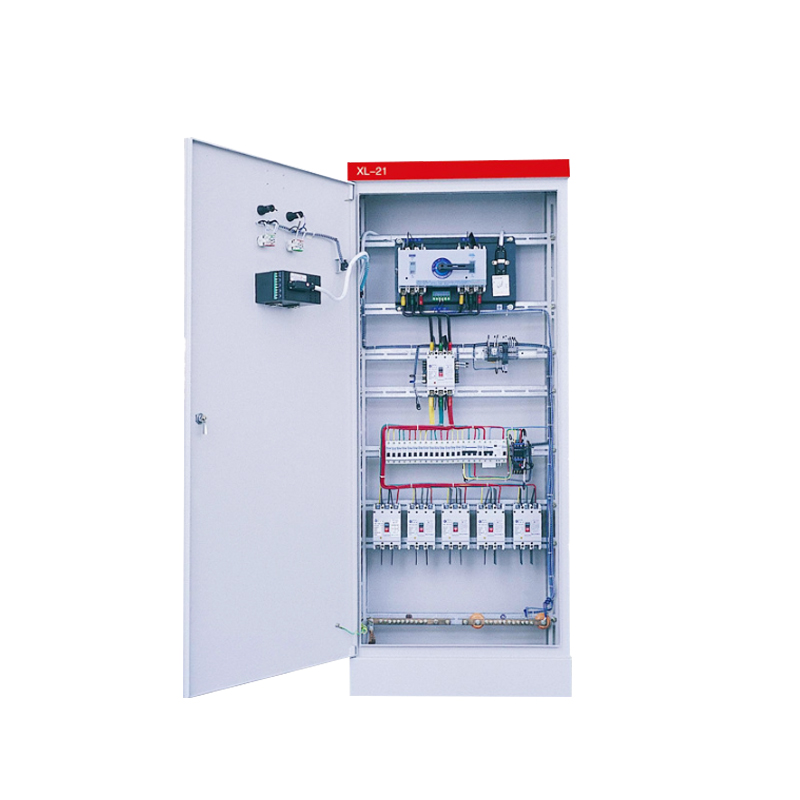
A surge device needs rail space beside the incomer. It needs a clear run to the earth bar and a compartment that stays cool. Many electric distribution box designs are finished before anyone asks about protection. A full rail pushes the device onto a bracket and a long lead.
Four lines on a distribution electrical box drawing decide whether the device fits at all. Read them before you approve the box.
- Where the device sits relative to the incomer.
- How much spare rail is reserved for it.
- Which cable entry carries the bonding conductor.
- Whether the compartment has any thermal margin.
Ask for a marked-up drawing. It is the fastest way to test the supplier. Has this factory built electrical distribution boxes with surge devices before, or is your order its first? A power distribution box drawing that carries a device symbol answers that in one look.
 Space beside the incomer
Row after row of ways on one rail leaves no room for a surge device beside the incomer.
Reserve that space on the drawing, or the device arrives on a bracket with a long lead.
The earth path is the part most suppliers leave to you
The device only works if the surge reaches earth faster than it reaches your equipment. Manufacturers publish a maximum connecting conductor length, usually under half a metre. Coil the lead to tidy the panel and you add impedance exactly when you need none.
Treat the earth bar as part of the product, not an accessory. A distribution board should carry a dedicated bar bonded to the main earthing terminal. Size its conductor for surge current, not only for fault current.
Take the bonding conductor size from the device datasheet. A copper conductor of 6 sq mm is the usual minimum for a Type 2 device. Go larger where the manufacturer asks for it, and never rely on the enclosure back plate.
Check the route as well. A bonding conductor that loops around the busbar chamber picks up the transients it is meant to divert. Routing it beside the outgoing cables does the same. Keep it short, straight and away from load conductors.
 Bonding point
The earth bar in the picture is the bonding point. The device lead must reach it in a straight run.
Bond the device here, not to a painted plate or a random stud on the frame.
Coordinating the device with the breaker upstream
A surge device has a maximum current it can survive. The upstream breaker has to protect it without tripping on normal load. Suppliers normally specify a backup fuse or a breaker rating. Leave that line out and the device becomes the fuse.
Read the coordination note with the incomer schedule in front of you. If the backup device is larger than the surge manufacturer allows, the device fails on the first real event. If it is smaller, it trips on motor starting current and nobody re-fits it.
Protection upstream does not excuse a bare sub board. The electrical main distribution board at the head of the system has its own device. The cable between the two boards still generates transients, so coordinate the pair rather than choosing one.
| Requirement | What to state | Why it matters |
|---|---|---|
| Device class | Type 1, 2 or 3, with the exposure assumed | Sets the energy the device must survive |
| Rail position | Beside the incomer, on a reserved length | Keeps the connecting lead short and visible |
| Bonding conductor | Size, route and the bar it lands on | Decides the voltage the load still sees |
| Backup device | Fuse or breaker rating from the datasheet | Protects the device without nuisance trips |
| Status contact | Whether the device signals end of life | Tells you when to replace the cartridge |
One more line is worth adding. Ask whether the device carries a status contact or a visual flag. A surge device at the end of its life looks identical to a healthy one. A maintenance team that cannot see the difference stops checking.
Evidence that shows a supplier integrates rather than resells
Every distributor can quote a surge device. What separates them is what arrives with the box. Ask for five documents, and ask at quotation stage. A supplier who has built these assemblies before will already hold them.
The assembly itself is covered by a type test. You can read the scope on the IEC 61439 assembly standard. That test covers the LV switchgear as a build. It never replaces a device datasheet.
A factory quality system covers the process behind both. ISO 9001 is the certificate to ask for. It should name the site that builds your board, not a group head office.
Then check the box against its own drawing. A distribution board manufacturer who documents the rail position, the bonding route and the device class works from a build standard. One who answers in adjectives is working from a catalogue.

Five documents to request
Writing the surge requirements into the order
Put the surge requirements in the same schedule as the ways and the incomer. A separate paragraph gets lost when the drawing set is trimmed for cost. One line inside the board schedule survives the review.
Give the supplier numbers. State the class you expect, and the voltage the load can still accept at its terminals. Add the bonding conductor size and the spare device you want shipped.
Specify the assembly, not just the components. A low voltage switchboard order should name the type test you expect. Name the routine test too, so the factory knows what the inspector will ask for.
Keep the wording plain enough for a site electrician to work from. The person fitting the device is not the person who wrote the tender. A schedule full of clauses ends up in a drawer.
Frequently asked questions
How do I compare companies offering sub distribution boards with surge protection?
Does a built-in surge device replace the protection upstream?
What is the difference between a distributor box with surge protection and one without?
Where should the device sit inside an electric distribution box?
How do I read a distribution box electrical drawing for surge protection?
Is a db for electrical distribution the same as a sub main board?
Do I need protection on every db in electrical rooms?
Final thoughts
Surge protection is a layout decision more than a device decision. Fix the class, reserve the rail, keep the bonding run short and name the backup device. Send Giantele your way schedule and we will return a drawing that shows where the device sits.
Designing a board around a surge device?
Send the exposure, the incomer rating and the space you have. We return a general arrangement marking the device position, the reserved rail and the bonding route. The drawing and the quote then match.