
Shortlisting motor control center suppliers rarely gets you a monitoring system. One party measures the load. Another carries the data. A third writes the logic, and a fourth hosts the dashboard.
This article separates those four slices and prices them on their own cycles. It also names the party who still answers the alarm in year two.
Key Takeaways
- Four suppliers, four slices. No single company is competent at sensing, connectivity, logic and hosting.
- The panel carries the physics. Current transformers, terminals and spare cores are what make monitoring possible at all.
- Only one cost block is on the panel quote. Connectivity and the platform arrive later, as extras.
- A reading is not a diagnosis. Alarm on states and events, not on an analogue value.
- Year two is the real test. These systems fail on an unassigned task, not on a broken device.
Four suppliers stand behind one monitoring system
Four roles have to be filled, and they are rarely one company. A panel builder supplies the transformers, terminals and internal wiring. A controls house writes the logic and the alarm list.
An integrator brings the gateway and commissions it. A platform provider hosts the dashboard and sends the notifications.
The quotes look comparable. They are not. Each one covers a different slice, and none of them says which slice is missing.
A distributor selling mcc panels with monitoring features normally covers the first slice only. Ask what happens the day after the panel leaves the works.
Most motor control center manufacturers stop at the same point. Push the question early, because the answer separates experience from a brochure.
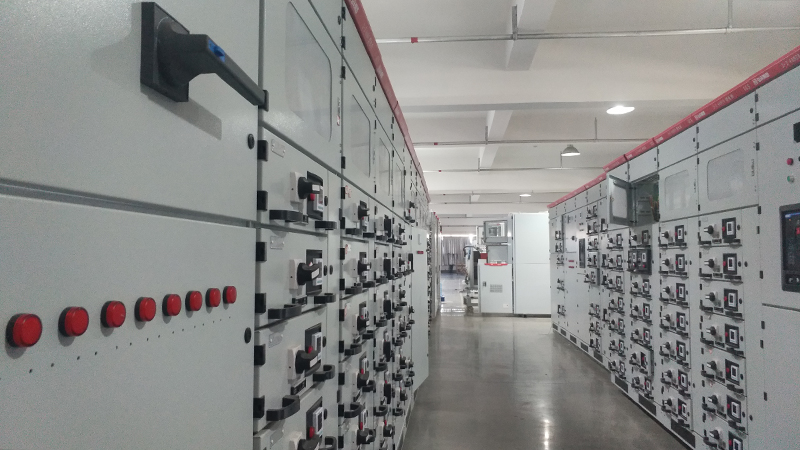
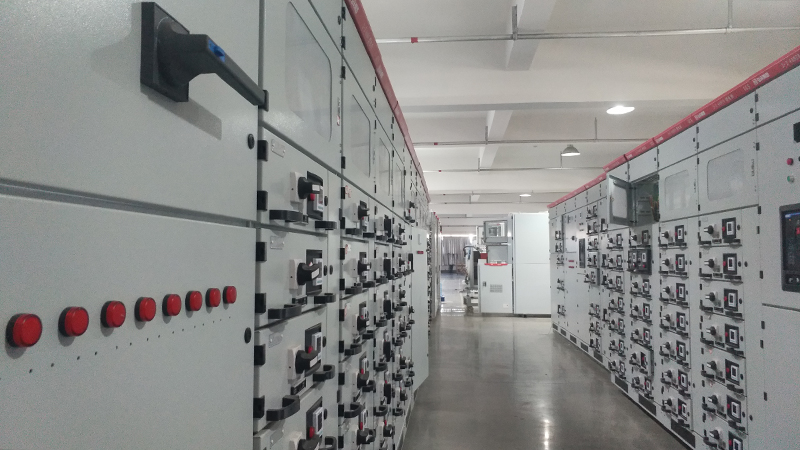
 MCC lineup
One lineup, four suppliers
The cabinet is one purchase. The sensing inside it, the gateway beside it, the logic and the dashboard are three more.
Whoever quotes the cabinet usually quotes the easiest slice.
Current transformers, terminal space and spare cores
Three physical things must exist inside the panel before a single reading can leave it. A current transformer on each measured circuit. Terminals for the signal wiring. Spare cores in the multicore run.
A ring-type CT around a feeder needs roughly 40 mm of clear space behind the cable. A split-core CT costs more and fits where the cable cannot be broken for a shutdown.
Allow two cores per analogue loop and a screened pair for each serial run. The spare core is the cheapest item on the list and the most expensive to add afterwards.
Thermal derating is where buyers get caught. A monitoring module inside a sealed compartment can lift the local temperature by 10 K. That eats into your margin against the assembly standard.
The CT sits inside an assembly verified for temperature rise before the module arrived. A low voltage motor control center planned with a monitoring compartment avoids that argument.
Few electrical panel suppliers will raise the CT question themselves. Raise it before the busbar is bolted in, because after that the window is fixed.
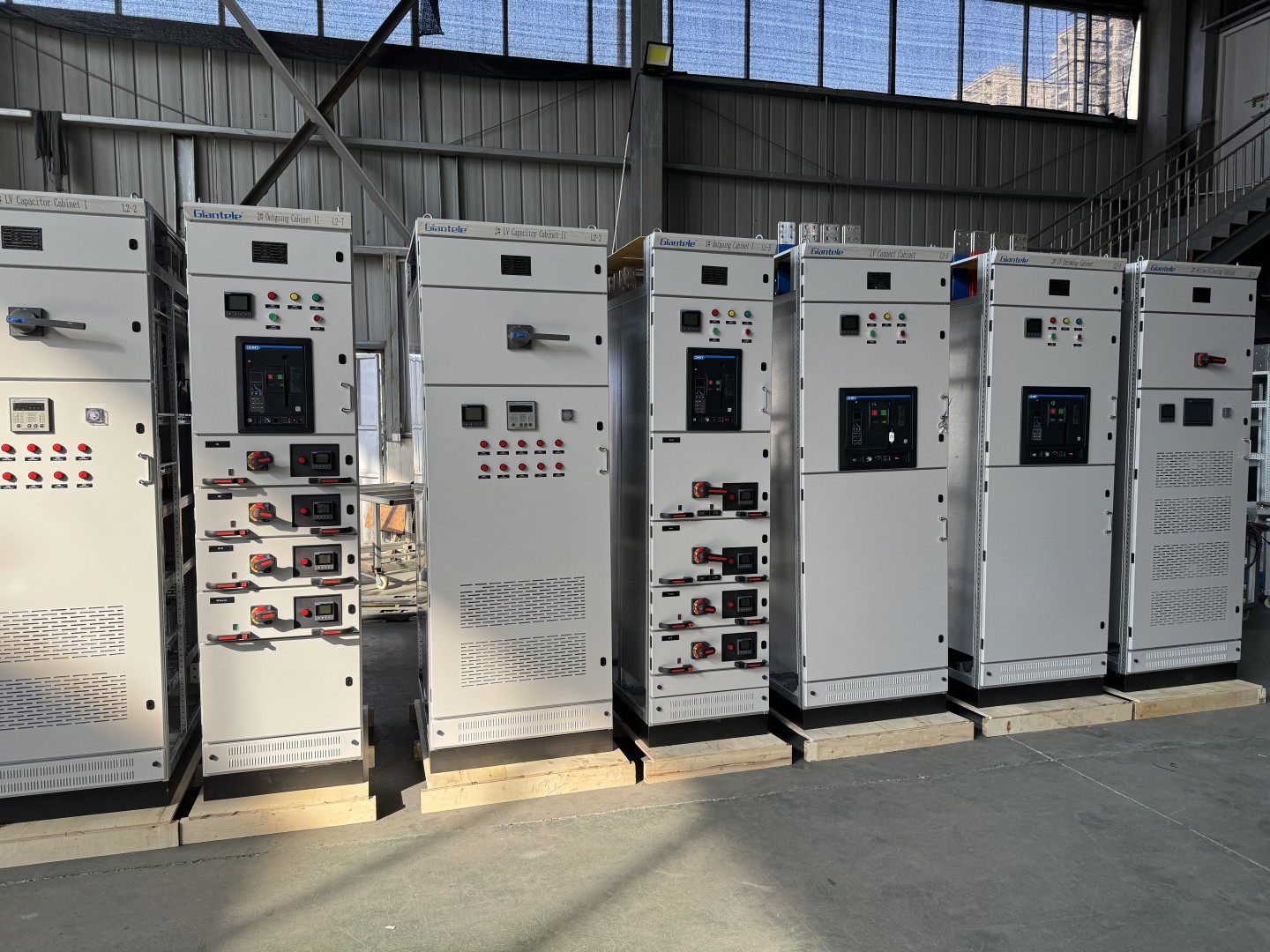
 Breakers and busbar
Space is decided at design
Breakers, busbars and CTs share one compartment. Once the busbar is bolted in, the CT window is fixed.
Moving a CT later usually means a shutdown.
Three cost blocks that move in different directions
Monitoring is priced in three blocks, and only the first one appears on the panel quote. Sensing and wiring is paid once, inside the panel price. Connectivity is annual. The platform is a subscription per point.
| Block | How it is paid | What drives it | Who quotes it |
|---|---|---|---|
| Sensing and wiring | Once, inside the panel price | Number of metered circuits; CT type; spare cores | Panel builder |
| Gateway and data | Hardware once, data every year | Sites, SIM or fixed line, protocol conversion | Integrator |
| Platform and alarms | Every year, per point | Tags, retention period, support hours | Platform provider |
Two quotes can differ by a third on the first block and be identical overall. A motor control center cost comparison built on panel prices alone therefore misleads.
The recurring blocks set the ten-year number. A motor control center mcc quoted without them leaves the two largest items unpriced.
Ask each bidder to price five years, not one. The answers are uncomfortable, and that is the point.
Reporting duties are tightening for large consumers. The IEA publishes the national energy statistics that industrial buyers are now asked to fit into.
What a raw current reading cannot tell you
A number is not a diagnosis. A meter showing 12.4 A on pump two tells you nothing on its own. You need the setpoint, the duty, the sister pumps and last month's trips.
Local meters on a bucket usually read all three phases. When the drawer is racked out they read zero. Zero is also what a broken CT loop looks like.
That ambiguity is the whole problem. The useful event is not a value. It is a state change, such as a pump tripping while the standby fails to start.
Alarm on events and sequences, not on an analogue threshold. A high-current alarm set at 80 per cent gets muted within a month, and then nothing is watched at all.
Most mcc manufacturers will sell you the meter and stop there. Turning the reading into a diagnosis is a different job, usually done by the party that configured the logic.
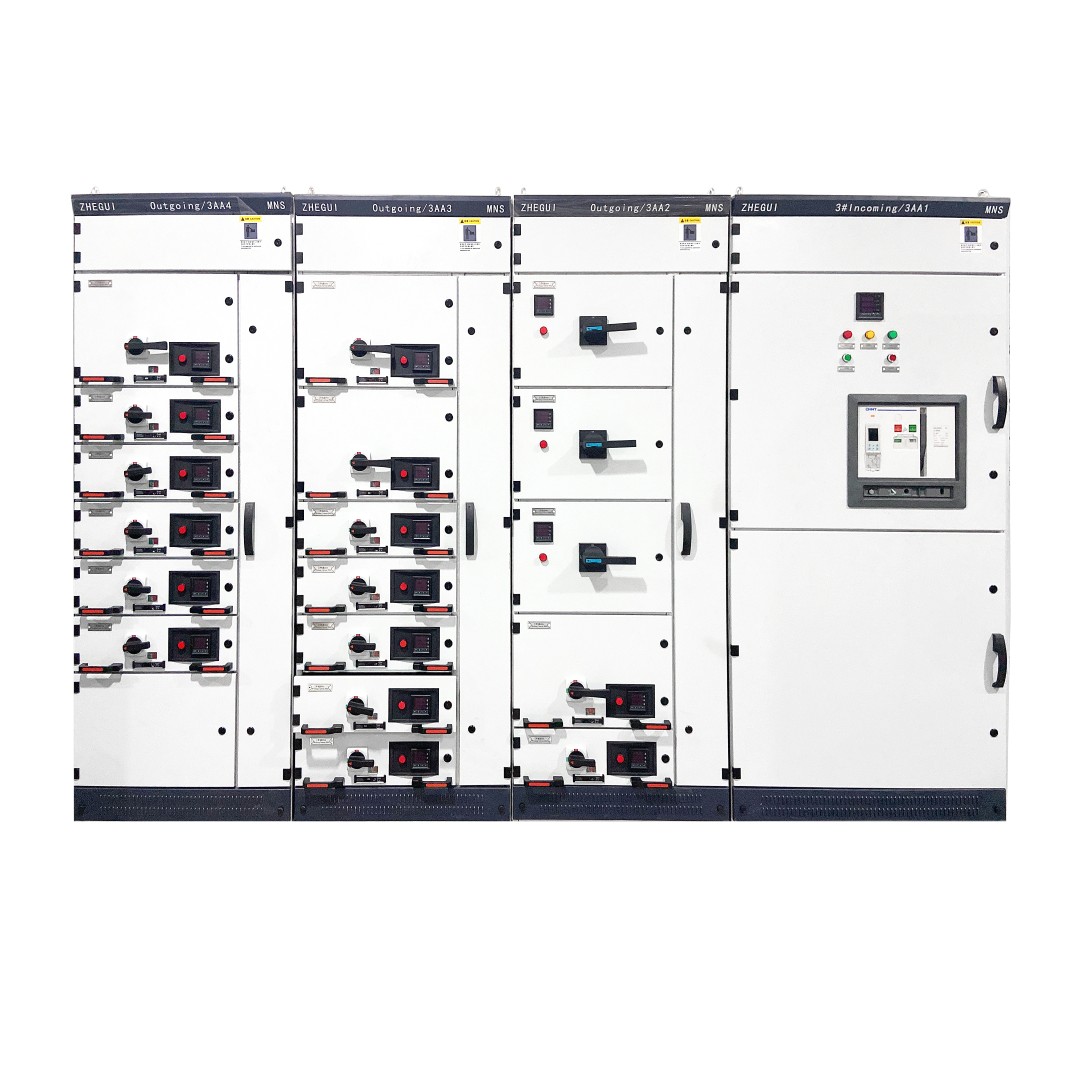
Each bucket carries a local meter and indicating lamps. Nothing keeps a record.

What the panel already shows
Companies selling monitoring for industrial machine automation often hand over the dashboard and stop. Ask what they do with the second alarm.
What a controls house does better, and where it still fails
A controls house writes better logic than a switchgear builder. It also tends to treat the enclosure as a box that happens to contain a controller.
Alarm lists, deadbands, debounce times and restart interlocks are logic work. A panel shop that has never commissioned a plant will write an alarm list that cries wolf.
A automated control systems team is worth paying for the logic. Keep the panel build with someone who does it every week.
A plc control panel manufacturer is the natural home for that work. It is also the party least likely to own the temperature rise in the cabinet.
Segregation, thermal margin, ingress protection and CE marking sit on the other side of the seam. That side belongs to the panel manufacturer, not to the logic author.
Who is on the hook in year two
Most systems fail on an unassigned task. Name one party responsible for the data arriving, and make four things explicit in writing. The data contract, the hosting, the alarm routing and the change process.
The SIM lapses in month fourteen. Nobody notices until the quarterly report arrives empty, and by then three months of history are gone.
In a wastewater works, a lapsed SIM has a physical consequence. The night shift learns about a tripped pump when the tank overflows.
Alarm routing is the item nobody prices. Someone has to decide who receives a night call, and that person has to change when staff move on.
Ask the control panel suppliers who will renew the line. Ask the mcc panel suppliers who updates the tags when a feeder changes.
Pick the party from the ones that stay. A local spares buffer and a warranty channel matter more here than a lower price. Most electrical control panel manufacturers compete on price alone.
Write the renewal into the order as a line with a date. An intention is not a contract, and year-two failure is the normal outcome.
An order that survives the first service visit
Four lines in the order decide whether the system survives its first service visit. The point schedule with tag names. The interface responsibility. The spares and access arrangement. The year-two renewal.
Tag names look trivial until a technician is tracing a fault. Agree the naming at design, because renaming tags later reconfigures every screen and every alarm.
Most motor control center suppliers will accept these four lines. The ones who resist are usually the ones who cannot deliver them.
A sound order for custom control panel design names the interface in words. An attachment agreed later is not an order.
Put the point schedule in front of the electrical control panel suppliers and ask them to sign it. That signature is the only part of the scope that travels into servicing.
Underneath all of it sits the assembly standard. IEC 61439 governs the temperature rise and the clearances you must stay inside once the module is added.
A supplier working to a certified quality system will document all four lines without being pushed. Ask for the certificate and the factory test record.
The same applies to the recurring side. ISO 9001 does not prove a monitoring system works, but it does prove the change process exists.
Frequently asked questions
Who actually supplies a remote monitoring system for a motor control centre?
Can I add monitoring to a lineup that is already in service?
What does a monitoring system add to a motor control center cost?
Do I need a PLC to get useful data out of the panel?
How many points should a first phase cover?
What should the contract say about the data?
Final thoughts
The panel holds the physics and the integrator holds the data. The controls house holds the logic, and one of them has to own year two.
Bring your point list and the lineup schedule. Our engineers will mark which points the cabinet can support and which need a change first.
Specify the panel side of the system
Send the lineup drawing and the feeds you want measured. We will confirm the CT space, the spare cores and the terminals before anyone quotes a dashboard.
Contact Giantele