Advanced intelligent motor control is not one product you can buy. It is a short list of devices and interfaces inside each bucket. Every item on that list is inspectable before you place the order.
That list is also how you compare electrical control panel suppliers. Ask for it in writing, and the gap between a builder and a reseller shows up in one page.
Key Takeaways
- Intelligent is a list, not a tier. Name the electronic relay, the control voltage and the reporting path before you ask for a price.
- The bucket is the unit. A motor control bucket holds one starter, its protection and its control terminals.
- Protection is the first test. An electronic overload relay measures current directly and trips on phase loss.
- Control voltage decides your future. A separate control supply keeps the logic alive when a starter trips.
- Evidence beats promises. Ask for the relay settings, the wire schedule and the routine test record.
What advanced and intelligent have to mean in a motor control centre
Strip the marketing away and intelligent motor control means three things. The protection device is electronic rather than thermal. The control circuit is separated from the power circuit. And the panel can report what tripped and when.
Anything beyond those three is a platform decision that belongs to your plant. Do not let a supplier's software licence become the reason you cannot buy a spare part.
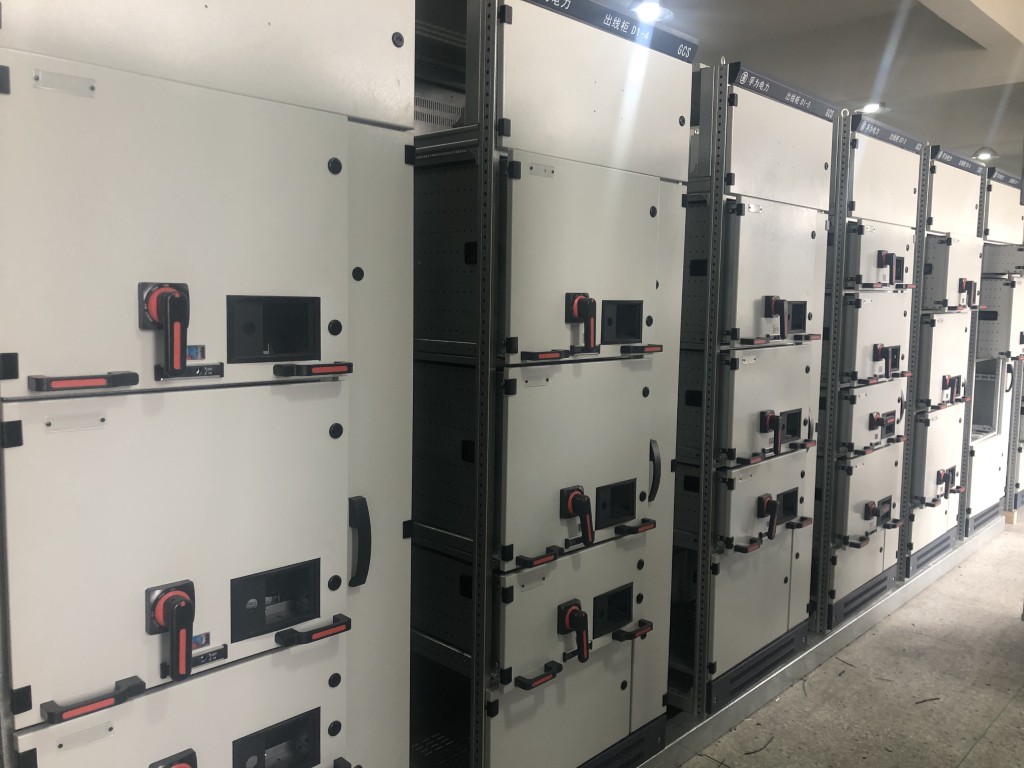
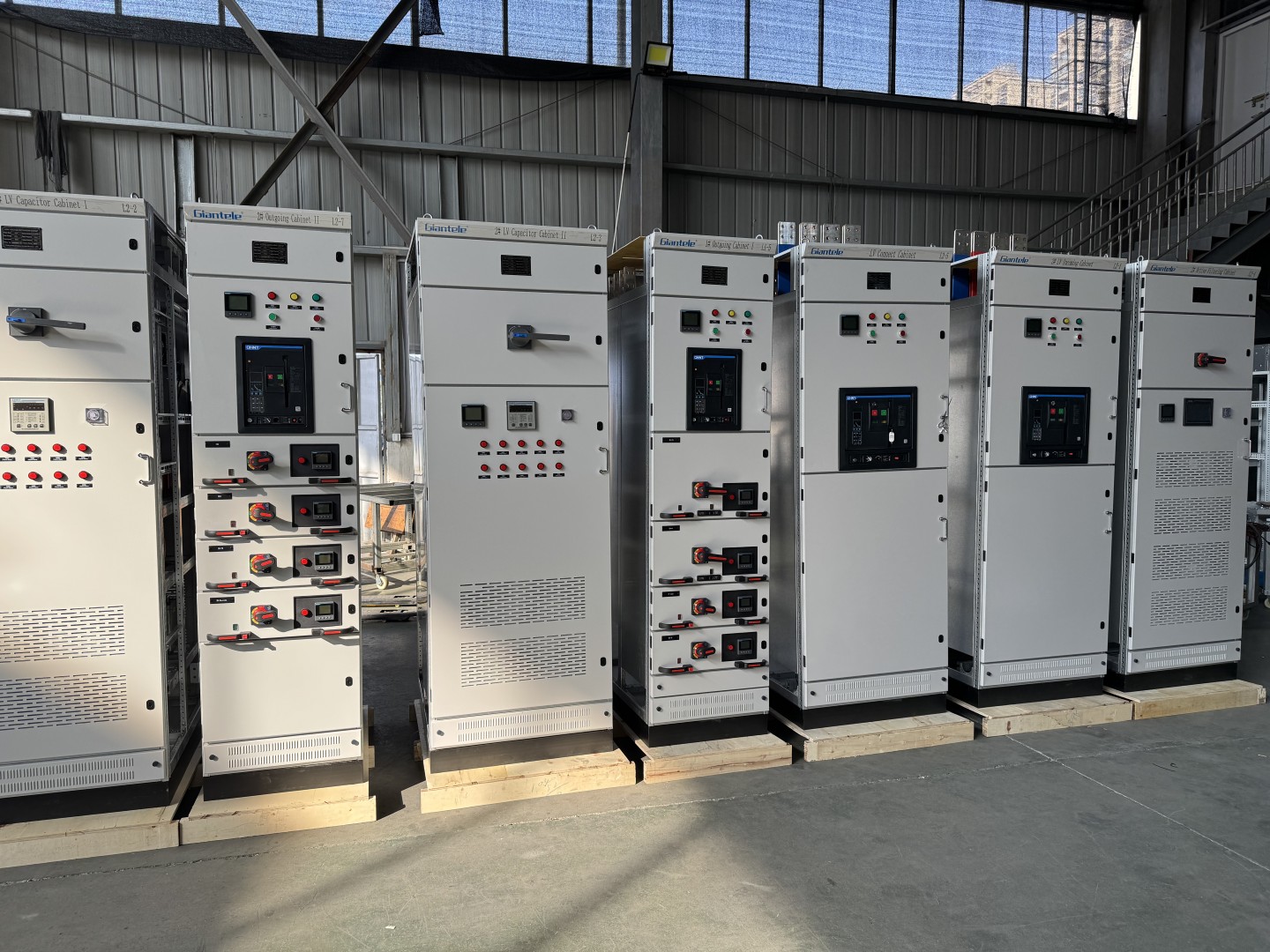
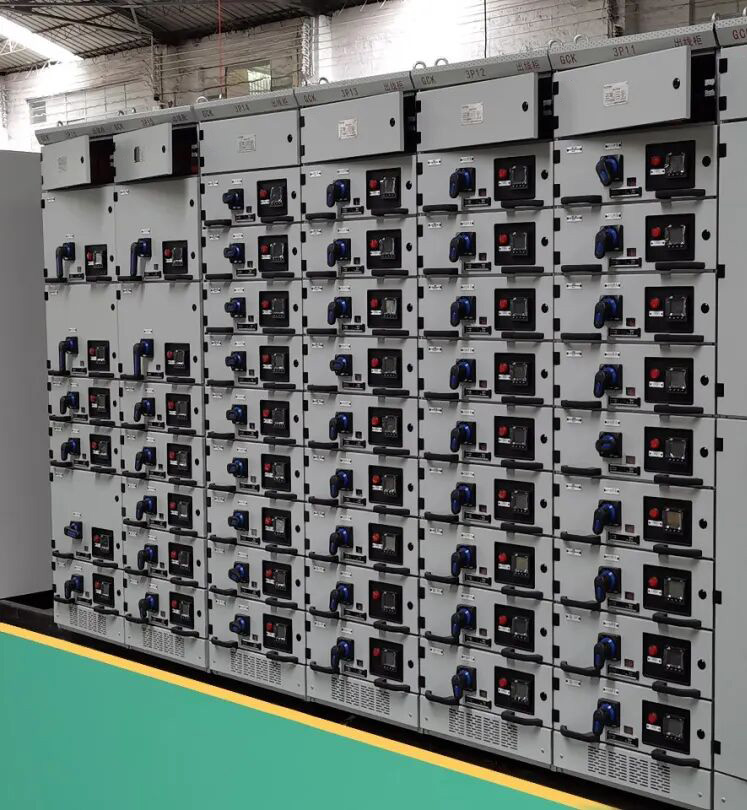
On a motor control centre, all three items sit inside the bucket. Nothing intelligent happens at the lineup level. The intelligence is distributed, one starter at a time.
So the supplier interview is really a device interview. You check what is fitted in each compartment, not what the catalogue promises.
The motor control bucket is the unit a supplier prices
Price a motor control centre by the motor control bucket, not by the enclosure. One bucket is one starter with its own protection, contactor and control terminals.
A supplier that quotes a lump sum for a whole lineup has not counted the starters yet. Treat that as your first warning sign. A supplier may also quote a single mcc cabinet when your tender describes a whole lineup.

One bucket, one starter, one price line
A bucket carries its own breaker, contactor and overload relay.
Count the buckets and two bids finally compare.
Ask for a bucket schedule with the quotation. It should list every starter, its rating, its starting method and its protection type.
A withdrawable bucket swaps in about fifteen minutes. A fixed one needs a shutdown. That single difference decides your spares policy more than any catalogue figure.
The withdrawable form is what most buyers picture when they ask about switchgear in electrical rooms. It costs more, and it earns that cost back at the first fault.
Electronic overload relay or thermal: the first question to ask
This question separates more suppliers than any other. A thermal overload relay trips on heat. An electronic relay measures line current and adds settings no heater can offer.
Three differences matter on site. Phase loss protection, an adjustable trip class, and a stored value for the last trip current.
| What you check | Thermal overload relay | Electronic overload relay |
|---|---|---|
| Trip basis | Heater element temperature | Measured line current |
| Phase loss | Not covered | Trips on imbalance |
| Trip class | Fixed by the heater | Selectable over a range |
| Last trip | No record kept | Current value stored |
| Changing a setting | Swap the heater | Turn a dial |
| Spares you hold | One heater per rating | One unit covers several |
On a dusty cement line, phase loss protection is not optional. A dropped phase on a conveyor motor burns the winding before anyone walks to the panel.

Judge the fittings, not the brand name
A labelled breaker row and a named relay are the real specification.
A supplier that cannot name the fittings is assembling, not designing.
The control voltage and the wiring path set your future options
Control voltage is the quiet specification. Get it right and maintenance stays simple. Get it wrong and every later change costs a shutdown.
A dedicated 24 V DC control supply keeps the logic and the indication alive when a starter trips. That matters when operators read a fault on a screen instead of a lamp.
Keep the control wiring in its own duct, physically apart from the power cores. Induced noise on a long control run causes faults nobody can reproduce.
Ask how many spare cores and spare terminals each bucket carries. Ten percent spare is a reasonable floor for a plant that expects to grow.
The lighting and small power circuits that share the switch room usually come off a separate electrical db. Keep that board outside the motor control scope.
The voltage boundary a supplier should raise before quoting
Ask where the line falls between a low voltage motor control center and a medium voltage motor control center. The answer changes the supplier, not just the price.
Below roughly 1 kV, you are buying a low voltage motor control center built to IEC 61439. Above that, you are buying metal clad assemblies and a different set of skills.
A supplier that quotes across both boundaries without asking about your transformer has not understood the question. Mixing the two in one enquiry is a common buyer mistake.
Pick a low voltage switchgear manufacturer for the sections below 1 kV. Keep the medium voltage work with a specialist instead.
Medium voltage work also changes the protection. Vacuum circuit breakers replace moulded case devices, and the fault level calculation becomes the whole design.
Starting method per load decides what each bucket needs
The starting method decides the bucket, not the other way around. A direct on line starter is the cheapest and the hardest on the network.
On a cement line, an 8 times starting current on a large fan pulls the busbar down. Soft starters and drives cut that to 2 to 3 times and remove the mechanical shock.
Drive control on fans and conveyors typically cuts energy use by 20 to 30 percent. Where supply is tight, that saving is a capacity argument too, as the IEA keeps pointing out.
Match the method to the load. Fans and conveyors suit a drive, and vfd panels cover most of that duty now. Crushers usually suit a soft starter. A small pump on a short run may be fine direct on line.

Four things a drive bucket needs that a starter bucket does not
The definitions to pin down before you order
Three words cause most disputes on a motor control contract. Fix them in the enquiry and the bids will finally compare.
First, the centre itself. A supplier may read the word as a whole lineup or as one section. State which you mean.
Second, the bucket. Some call it a drawer and some call it a module. Ask what slides out and what stays fixed.
Third, the fault rating. That figure belongs to the assembly, not to the breaker inside it. Ask for the calculation rather than the number.
Spelling drifts too, so write motor control centres in your own documents. Keep the term consistent through the enquiry, and the supplier will follow your wording.
Buyers search for a mcc motor control center and for a motor control center mcc. Both land on the same assembly. If you need to define motor control center for a tender, use one sentence and move on.
Most control panel suppliers will open with a brochure. The useful ones open with a device list.
The evidence pack that separates two suppliers
Two quotations can look identical and describe different products. The evidence pack settles it.
Ask for five documents before you release the order. Each one is normal engineering output, so a real supplier will not hesitate.
- A marked motor list showing the starter type chosen for every load.
- A single line diagram with the fault level calculation behind it.
- A bucket schedule listing ratings, protection types and settings.
- A wire schedule and the terminal numbering convention you will find on site.
- A routine test record from the works, run against ISO 9001 procedures.
Then ask to see one finished bucket before shipment. Photographs prove very little. Fifteen minutes at the terminals proves a great deal.
This is where the electrical control panel suppliers on your shortlist separate. The ones that send documents without being chased are the ones worth keeping.
Frequently asked questions
What does intelligent motor control actually add to a starter?
How do I compare two suppliers quoting the same motor control centre?
Is a motor control bucket the same as a drawer?
What control voltage should I specify?
How much spare capacity should I ask for?
Should I buy the drives from the panel builder or separately?
What maintenance information should arrive with the panel?
Does dust in a cement plant change the specification?
Final thoughts
Intelligent motor control is a device list, and the bucket is where it gets priced. Get the relay, the control voltage and the starting method right, then judge suppliers on documents.
Send your motor list, the fault level and the site conditions. Giantele engineers will return a marked single line diagram and a technical proposal for each section.
Need a supplier that can show the devices, not just the brochure?
Send the motor list, the starting methods and the fault level. Giantele engineers return a marked single line diagram, a bucket schedule and a technical proposal. It covers the relay type, the control voltage and the handover records.