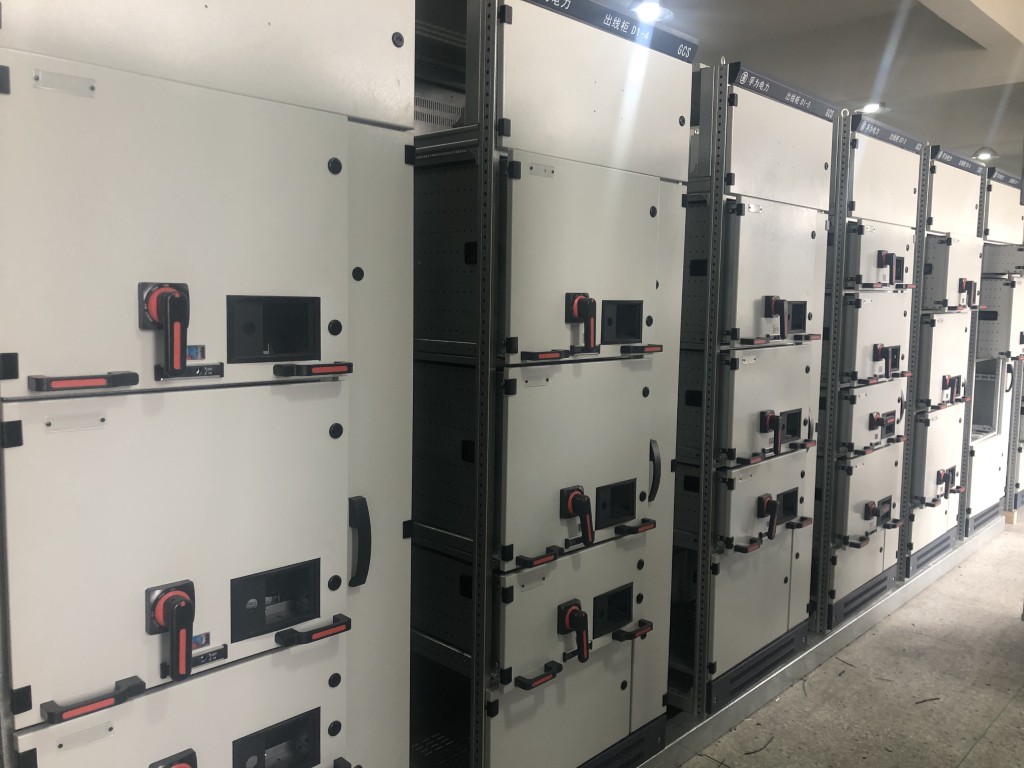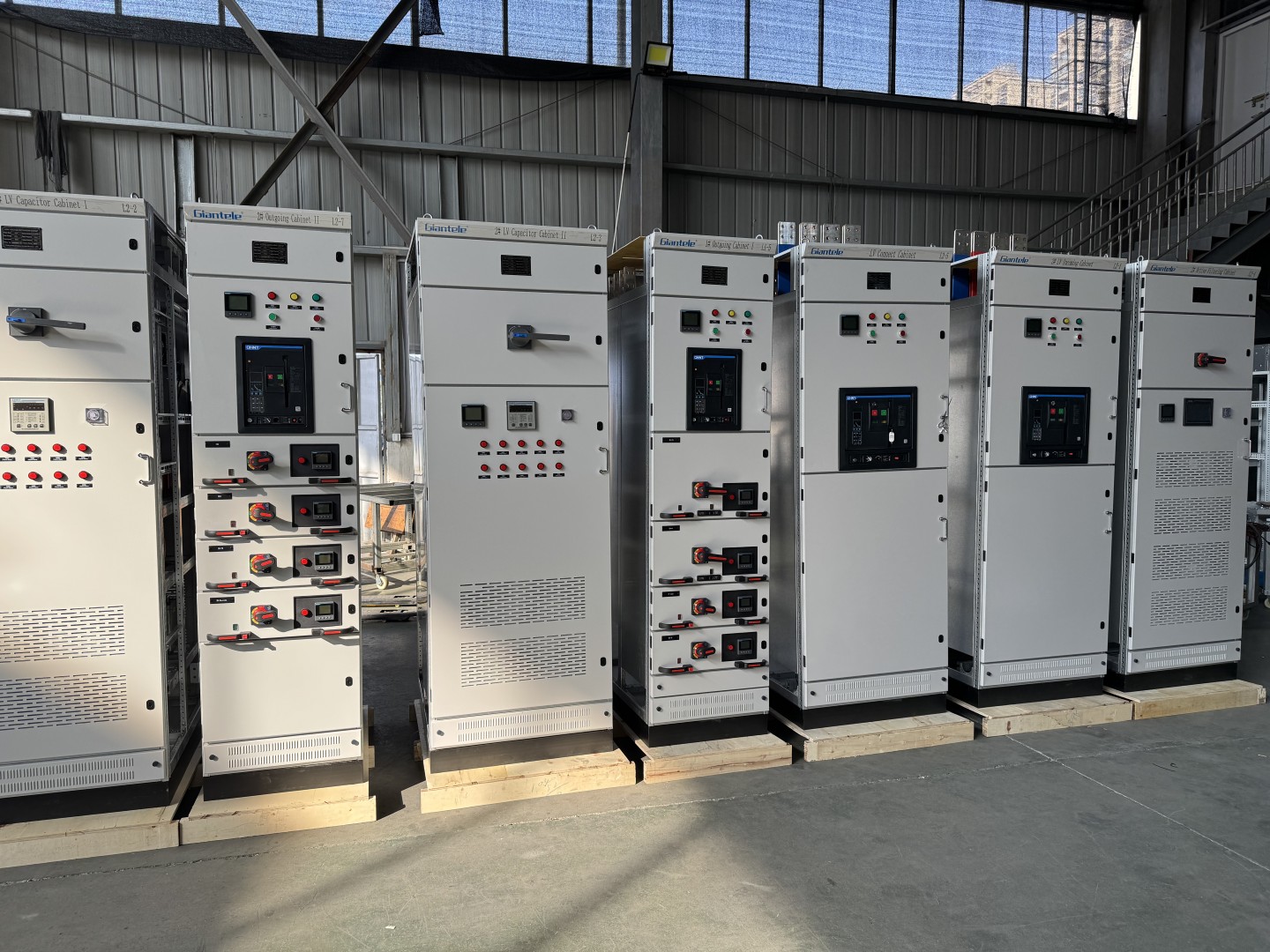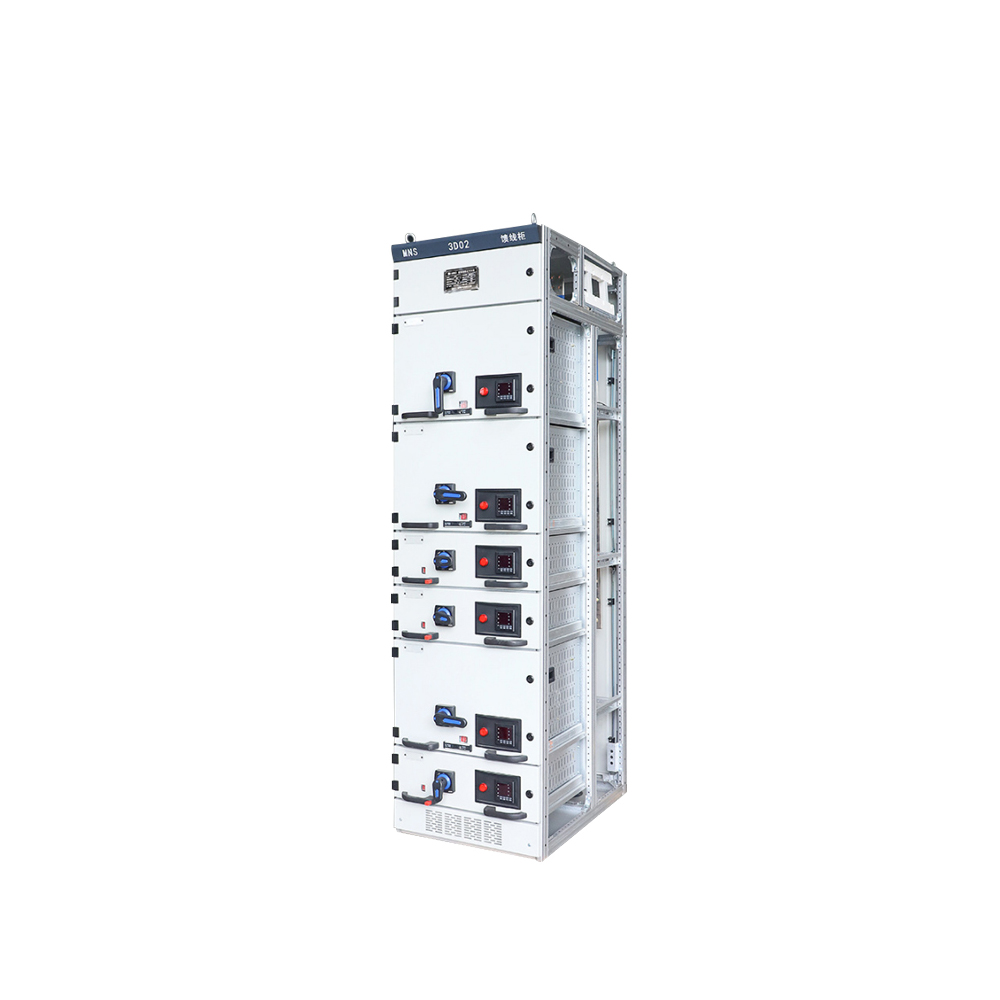

Custom control panel design and fabrication begins with a wording problem. The letters MCC describe a whole lineup, one section or a single starter, depending on who is talking. That one word decides the whole scope of the design and build.
MCC panels are priced from that choice. Agree on the scope first, and bids for custom industrial control panels finally compare.
Key Takeaways
- MCC is a scope word. It names a lineup, a section and a starter, so fix the level before you ask for a price.
- The motor list is the brief. Ratings, starting methods and duty set the starter types and the busbar.
- Fabrication is a sequence. Frame, busbar, devices, wiring, test. A skipped step shows up in service.
- Ask for drawings, not photographs. A real fabricator shares its own busbar and schematic work.
- Evidence travels with the panel. A routine test record and a marked motor list are part of the product.
What does MCC stand for in electrical work?
It stands for motor control centre. That answer is correct and nearly useless on its own.
MCC in electrical drawings covers three scopes at once. Buyers use the letters for a full lineup, one vertical section, or a single starter drawer.
So the honest MCC electrical meaning depends on the speaker. The same tender line can mean a building wide lineup or a single box.
Even the MCC definition electrical engineers accept leaves the level open. That gap is why two bids can cover different work.
Ask which level a supplier means before any price is discussed. A one line answer here saves a costly rework later.
The four things buyers call an MCC
Buyers use four different names for the same three letters. Each one describes a different piece of work.
The centre is the whole lineup. It holds every section, every starter and the busbar that ties them together.
The panel is one vertical section. A supplier may read your tender as a single motor control center mcc panel and quote one section.
The bucket, or drawer, is one starter. It slides out for maintenance and carries its own protection.
The cabinet is the empty steel. An assembler sells you that shell. A designer sizes everything that goes inside it.
Some tenders also add an electrical switchboard vs switchgear comparison. That is really a question about form of separation.
Why custom MCC design starts with the motor list
A motor list is the design brief. Without it, custom control panel design is guesswork with a price attached.
The list gives the rating of every motor, its starting method and its duty. Those three columns decide most of the lineup.
A 75 kW pump started direct on line needs a different starter from the same pump on a drive. A pump on a vfd panel board also needs a deeper bay and shielded cable.
An electrical MCC is sized from the motors, not from the width of the switch room. That is the first line a real designer defends.
Crusher and conveyor duty shows why the detail matters. Soft starters on a mining MCC cut starting current hard. They take it from 6 to 8 times rated down to 2 to 3 times.

Every starter carries its own breaker
Each motor way holds its own breaker, its own contactor and its own overload.
Get those ratings wrong and the busbar rating is wrong as well.
How fabrication turns a drawing set into a working lineup
Fabrication is a sequence, and the sequence decides quality. Electrical control panel fabrication runs frame, busbar, devices, wiring, then test.
The frame and the busbar come first, because the bar sets the fault rating. A thicker bar or a better plating changes what the assembly survives.
Devices are mounted and torqued to a schedule next. A loose termination is the most common cause of a hot joint in service.
Wiring and labelling follow the drawing. A finished lineup should be readable by a technician who has never seen it before.
The routine test comes last. An assembly built to IEC 61439 is verified in the works, not after it trips on site.

Terminations decide whether the drawing survives contact
Terminal blocks, ferrules and a wire schedule make a drawing traceable in the field.
Current transformers on the internal plate feed the metering and the protection.
What separates a real fabricator from an assembler
The two can look identical in a photograph. The difference shows in the drawings they hold and the questions they ask.
Six questions separate an engineering led fabricator from an assembler that bolts bought in modules into a box.
| What to ask | Engineering led fabricator | Assembler |
|---|---|---|
| Your motor list | Returns it marked up with starter types | Quotes a total and asks nothing |
| Busbar | Shares its own bar drawings and plating | Buys a standard bar to fit |
| Fault rating | Calculates the withstand from your transformer | Repeats the figure on your drawing |
| Form of separation | Explains how each unit is split | Says it is standard |
| Schematic | Works from its own drawing and labels every core | Copies the last job it built |
| Routine test | Shows a record carrying your serial number | Offers a delivery note |
Ask any low voltage switchgear supplier for its own busbar drawings. A fabricator sends them. An assembler sends a catalogue page.
What to send before a fabricator will quote your build
A thin enquiry produces a padded price. Most suppliers hold back detail when they cannot see the duty.
Six items remove nearly all of the guesswork. Send them together in one pack.
- Motor list. Every motor, its rating, starting method and duty cycle.
- Single line diagram. The incomer, the source and the distribution you expect.
- Fault level. Transformer rating and impedance, or the figure your utility supplies.
- Site conditions. Ambient, altitude, dust, humidity and whether the room is cooled.
- Cable data. Sizes, entries and the direction each cable arrives from.
- Growth. Spare ways and the headroom you want for the next five years.
Industrial demand keeps climbing across Africa and South Asia. The IEA tracks that growth each year in its annual outlook.
Add the date you need the lineup on site. Delivery pressure changes device choice more often than price does.
Your diagram should also show the electrical panel board the MCC feeds downstream. A fabricator needs to see the whole chain, not one link.
How to compare companies that claim custom MCC work
Every supplier claims custom work. The claim is easy because the word custom has no test attached to it.
Ask for three things and the field narrows quickly. Drawings, test records and a reference in your own industry.
A factory photograph proves very little. Ask to see the wiring, the labelling and the busbar work close up, or visit the workshop.

What a finished panel enclosure should show you
Work with a supplier running an ISO 9001 system. The test records are then ordinary production paperwork.
Frequently asked questions
How many starters fit in one MCC section?
What is the difference between a fixed and a drawout MCC?
Can one MCC feed drives and direct on line motors together?
What ambient temperature should I give a fabricator?
What is form of separation and which form should I ask for?
How long does fabrication take after drawing approval?
Can I add a section to a custom MCC later?
Who owns the drawings after the project?
Final thoughts
Custom MCC work is a design service with a steel enclosure attached. The drawings and the test records are the product.
Fix the scope, send the motor list, and ask for priced lines. Then compare companies on evidence rather than on price alone.
Send your motor list, fault level and site conditions. Giantele engineers will return a marked up single line diagram and a technical proposal for the assembly.
Need a company that designs and builds a custom MCC?
Send the motor list, the fault level and the site conditions. Giantele engineers return a marked single line diagram and a technical proposal. It covers the starters, the busbar and the handover records.