Large industrial plants do not stand still. Production lines expand, new motors are added, and a motor control center that was perfectly sized three years ago is suddenly one feeder short of capacity. Scalability means the mcc motor control center you buy today accommodates expansion tomorrow without replacing the entire lineup. This article explains what makes an electrical motor control center scalable, which motor control center manufacturers design for growth, and what specifications to check before committing to a supplier.
Key Takeaways
- Scalability starts with the busbar system: A scalable low voltage motor control center has horizontal and vertical busbars rated for more current than today's load. Adding motor feeders should not require upgrading the main busbar. Look for a minimum of 25-30% spare busbar capacity at the time of commissioning.
- Withdrawable designs scale better than fixed ones: Motor control center design using withdrawable drawer units allows adding or replacing motor starters without de-energising the entire MCC lineup. Fixed-type panels require a full shutdown for every feeder addition.
- Spare physical space is the cheapest insurance: The single most common scalability failure is running out of physical bucket positions. A motor control center panel commissioned with zero spare vertical sections cannot grow without adding a new lineup, which costs significantly more than the empty space would have.
- Standardisation across the plant multiplies scalability: When every industrial motor control center in the plant uses the same bucket sizes, the same busbar ratings, and the same communication architecture, expansion and maintenance are predictable. Mixed MCC types from multiple industrial control panel manufacturers create complexity that grows with every addition.
Motor control center definition: what it is and how it scales

Define motor control center as a modular power control assembly
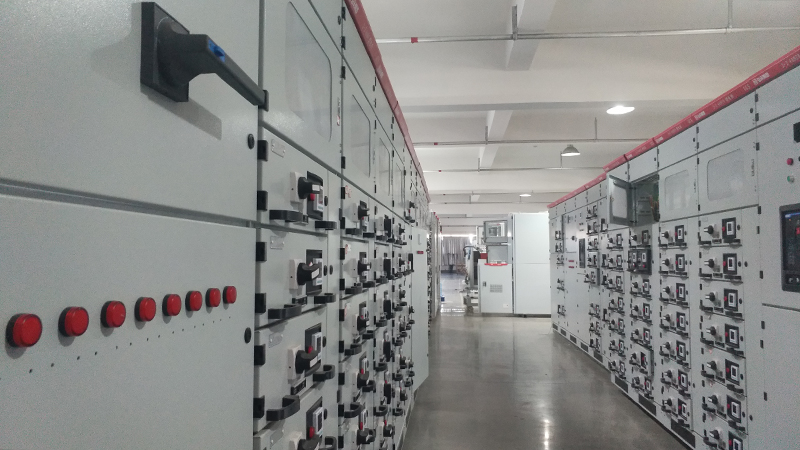
To define motor control center: it is an assembly of one or more enclosed vertical sections with a common power bus, containing motor starter units, feeder breakers, and control devices that start, stop, and protect electric motors from a central location. In a large plant, an MCC is the electrical hub between the low voltage switchgear and the motors on the production floor.
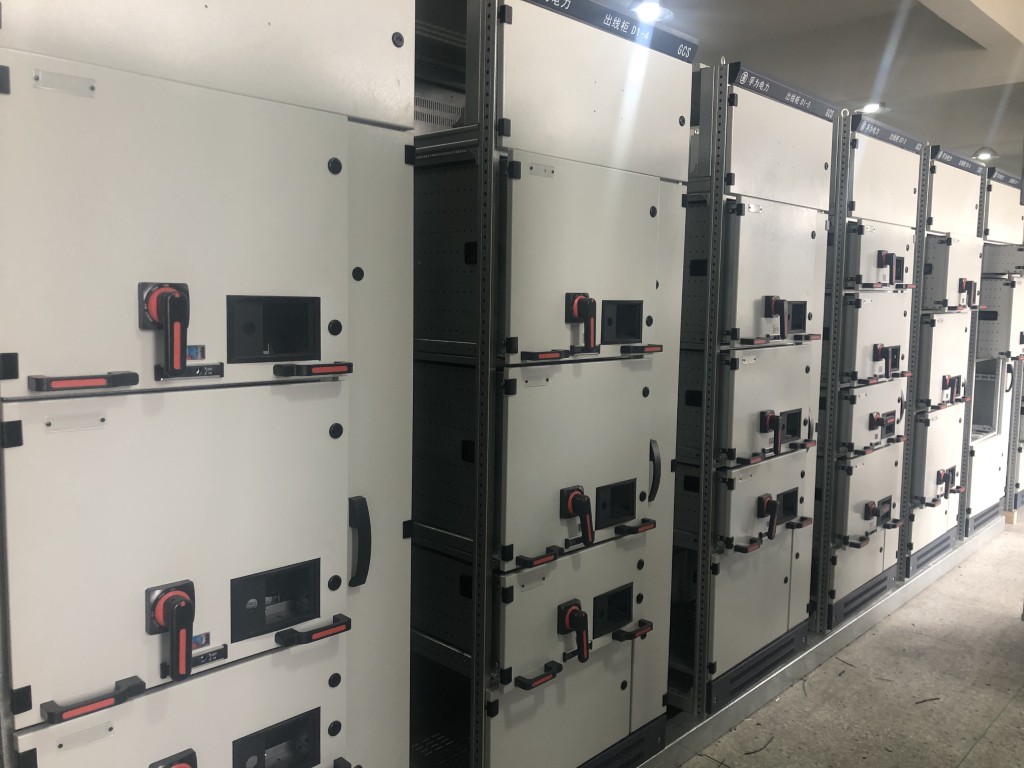
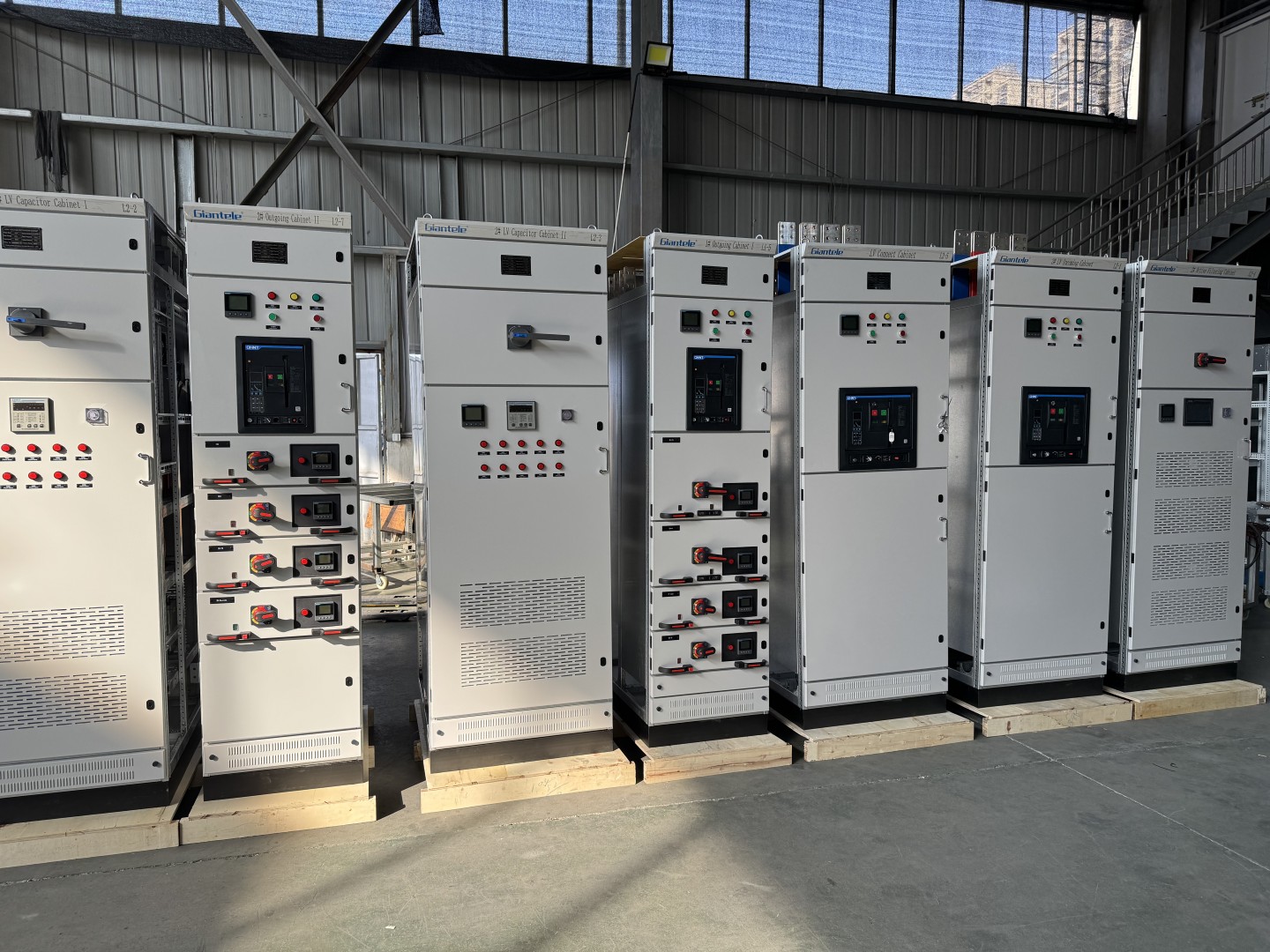
The motor control center definition matters for scalability because the architecture determines how easily you can grow. A withdrawable MCC such as the MNS, GCK, or GCS type uses standardised drawer units that slide into the vertical sections on rails. Each drawer carries a motor starter or a VFD. When you need to add a motor, you order a new drawer unit, slide it into an empty slot, and connect it to the pre-existing vertical busbar. The main busbar, the enclosure, and the incoming supply remain unchanged. That is scalability.
Fixed-type motor control center panels such as the GGD type are cheaper to purchase but harder to expand. Adding a motor feeder means bolting a new starter assembly onto a mounting plate, running new cables through existing ducting, and re-terminating connections inside an enclosure that was not designed for expansion. The initial saving on a fixed electrical motor control center often disappears the first time the plant adds three new motors and discovers there is no space in the wireway. For more on choosing the right MCC type, see our guide to motor control center manufacturers.
Specifications that make a motor control center design scalable
| Specification | Non-Scalable Design | Scalable Design |
|---|---|---|
| Busbar system | Horizontal bus sized to today's load with minimal margin | Horizontal bus rated 25-40% above commissioning load. Vertical bus rated for full section capacity regardless of initial fill. |
| Enclosure type | Fixed mounting plate with hardwired starters | Withdrawable drawer units. Standardised bucket sizes: 8E/4, 8E/2, 8E, 16E, 24E. |
| Spare capacity | Zero or minimal spare vertical sections | 20-30% of bucket positions left empty at commissioning. At least one full spare vertical section per lineup. |
| Wireway space | Power and control wireways sized for current feeders only | Wireways sized for a fully populated MCC. Spare capacity in cable trunking from day one. |
| Busbar access | Vertical busbar behind fixed barriers, hard to access | Vertical busbar accessible through shrouded contacts. New drawer units connect to busbar without tools or shutdown. |
| Communication | No network backbone, or single-protocol hardwired | Pre-installed communication backbone (Ethernet/Modbus backbone). New devices plug into existing network. |
| Documentation | As-built drawings for current state only | Documentation package includes busbar sizing calculations and expansion capacity projections. |
The IEC 61439 standard requires that the busbar system and enclosure be verified for the rated current of the fully populated assembly, not just the initial configuration. A motor control center manufacturer that designs to this standard can confirm that adding feeders up to the rated capacity will not exceed the busbar temperature rise limits. This is the difference between a panel that says "expandable" in the brochure and one that actually handles expansion without derating.
How to evaluate industrial motor control center manufacturers for scalability
Five questions that reveal a manufacturer's scalability capability
- What is the maximum rated busbar current and how much margin is built into this design? A manufacturer who cannot tell you the horizontal busbar rating and the current margin at commissioning either does not know or is hoping you will not ask.
- Show me the bucket schedule for this lineup. The bucket schedule lists every motor starter position in every vertical section. A scalable mcc motor control center has 20-30% of rows marked "spare" in the commissioning schedule.
- Can I add a VFD bucket to a section originally populated with DOL starters? The answer should be yes, provided the vertical busbar rating and the section ventilation are adequate. The busbar rating should already accommodate VFD harmonic content.
- Are the drawer units interchangeable across different MCC lineups in my plant? Standardisation across the plant means a spare VFD drawer from Line 1 works as a replacement in Line 3. This requires the same busbar rating, the same control voltage, and the same communication protocol across all lineups.
- What is the lead time for an additional drawer unit two years after commissioning? A scalable system from a stable manufacturer means replacement drawer units are available years later with the same form factor and busbar interface. If the manufacturer changes the drawer design every few years, your plant ends up with incompatible MCC generations.

Many industrial control panel manufacturers offer standardised custom industrial control panels configurable to specific plant requirements. The scalability of a custom panel depends on whether the customisation includes forward-looking busbar sizing or only addresses today's load. When you request a quotation, specify the maximum number of motor feeders you might need in five years, not just the number you need today. The manufacturer's response will tell you whether they design for growth or for the minimum specification that wins the order.
The busbar system: the backbone of a scalable low voltage motor control center

Four busbar decisions that determine future expandability
The low voltage switchgear feeding the MCC must also be sized for future growth. A transformer and main switchboard rated for today's load will become a bottleneck if the plant adds significant motor capacity. The ISO 9001 framework requires documented design verification, which should include future expansion scenarios if scalability is part of the specification. Coordinate the MCC busbar sizing with the upstream switchgear to avoid creating a new constraint at the incomer.
Planning your industrial motor control center for five years of growth
A well-designed power distribution board and MCC combination plan from a single manufacturer ensures that the upstream distribution, the MCC busbar system, and the downstream motor feeders all scale together. Splitting the MCC and the distribution board between suppliers creates coordination gaps that become obvious only when the plant tries to expand. According to IEA industrial energy data, facilities that plan electrical infrastructure for five-year growth avoid the costly retrofits that constrain production capacity. For plants that also use distribution box units at remote equipment stations, standardising on the same manufacturer for both the central MCC and the remote distribution panels simplifies spare parts management and technical support across the entire plant.
Frequently asked questions
What is the standard definition of a motor control center?
How do I define motor control center scalability for my procurement specification?
Which is more scalable: withdrawable or fixed motor control center panels?
How much spare capacity should I specify in a new motor control center?
Can I mix different MCC types from different manufacturers in one plant?
How do I verify that an industrial motor control center is genuinely scalable before purchasing?
Final thoughts
Scalability in a motor control center is not a feature to add. It is a design philosophy that starts with the busbar rating, continues through the enclosure layout, and extends to the documentation package. The motor control center manufacturers that build for growth produce panels where every vertical section has spare positions, every busbar carries a margin above today's load, and every drawer unit is standardised across the plant. The manufacturers that build to the minimum specification produce panels that work perfectly on day one and become a constraint by year three. The choice is made at the RFQ stage. Spec the busbar for the plant you will have, not the plant you have today.
Get a Scalable MCC Proposal with Five-Year Expansion Planning
Send us your motor list and your five-year expansion forecast. Our engineering team returns a scalable MCC design with busbar sizing calculations, spare capacity projections, and a complete bucket schedule.