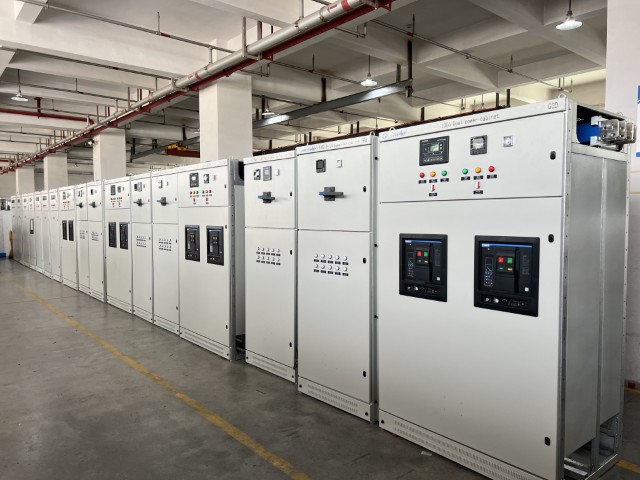
Upgrading the industrial control panels in a running factory is not a simple product swap. The new panel must fit the existing cable layout, match the upstream protection settings, work with the plant automation network, and go in during a scheduled shutdown window measured in hours, not days. Consultation services bridge the gap between knowing the current system needs replacement and having a detailed specification that industrial enclosures manufacturers can quote against. This article explains what consultation covers, when to use it, and how it reduces the risk of an upgrade that overruns on time and budget.
Key Takeaways
- Consultation starts with a site survey, not a product catalogue: Before anyone specifies a new industrial electrical cabinet, a proper consultation includes measuring the existing enclosure footprint, documenting the cable entry positions, recording the upstream breaker settings, and photographing the current wiring. This data prevents the most common upgrade error: ordering a panel that does not physically fit.
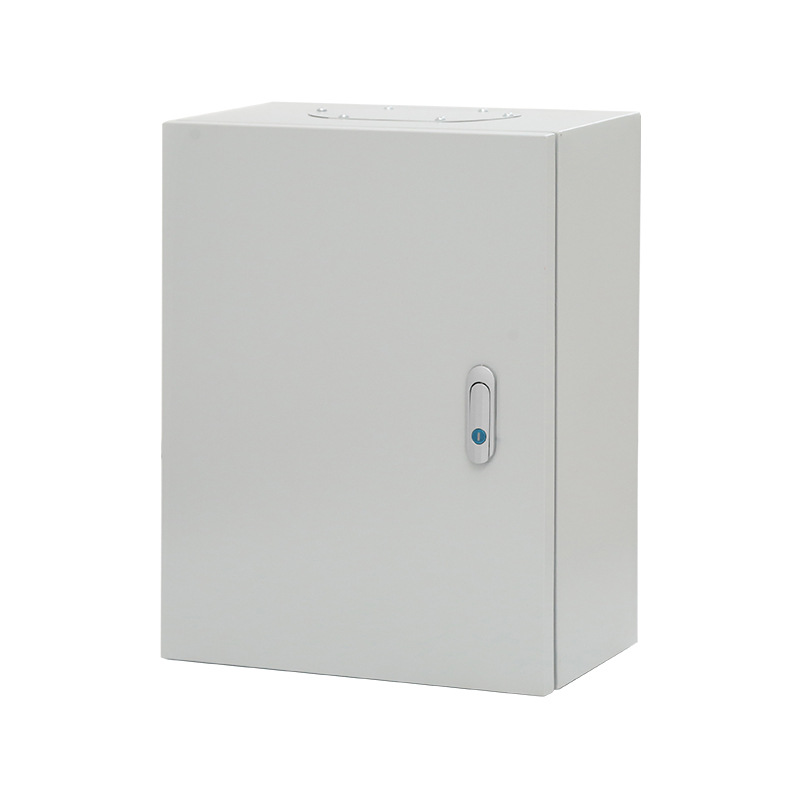
- The enclosure decision drives 30-40% of upgrade cost: Changing from a basic industrial electrical box to an industrial electrical cabinet with higher IP rating, stainless steel construction, or larger dimensions changes the project budget significantly. Consultation determines whether the existing enclosures industrial environment demands an upgrade or whether the current enclosure type remains adequate.
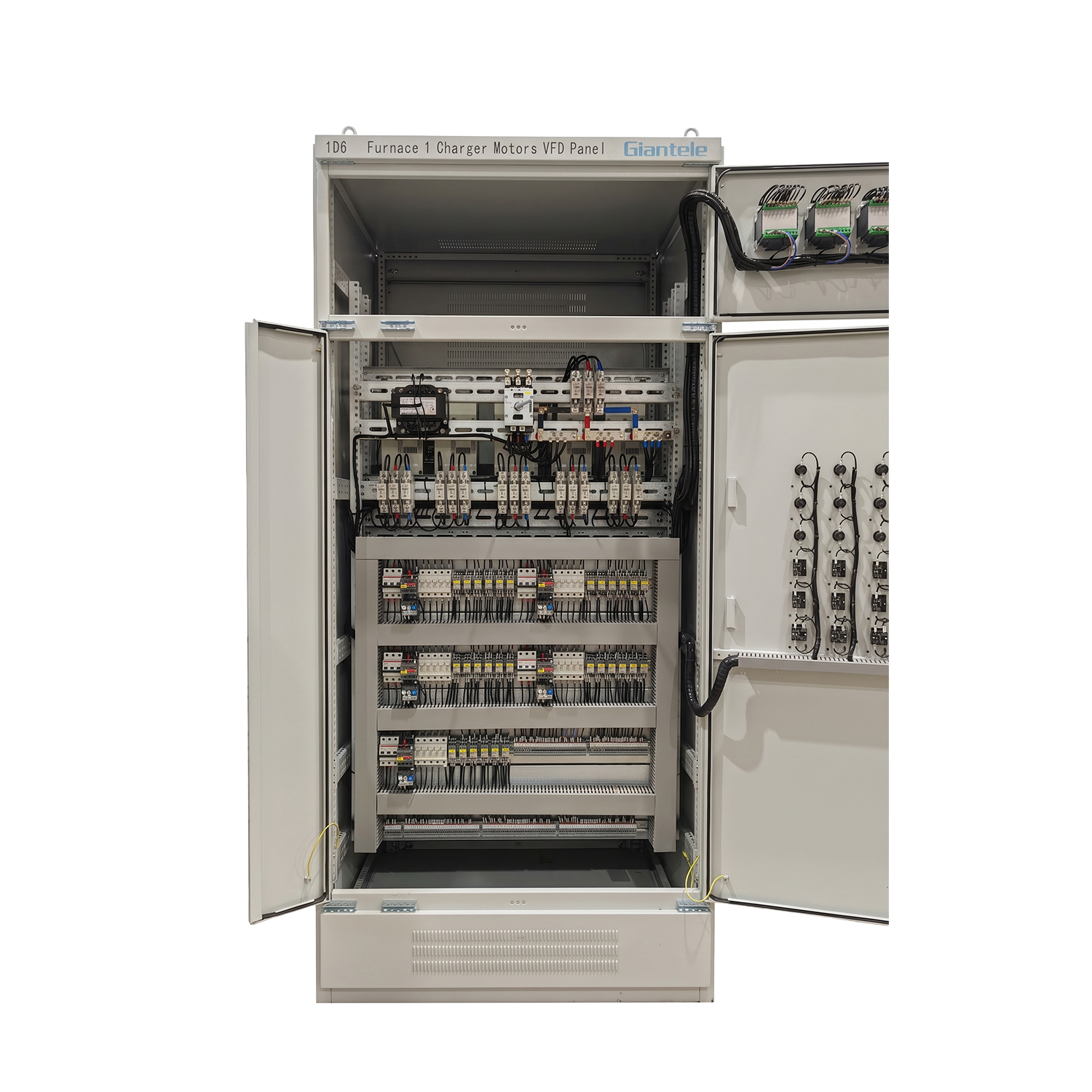
- Retrofit vs replacement is a consultation decision: Some upgrades only need new internal components in the existing industrial electrical enclosures. Others need a complete new panel. A site survey determines which path makes sense. Replacing the internals saves 40-60% compared to a full panel replacement.
- Power system compatibility is not optional: Adding an industrial electronic box with VFDs to a system designed for DOL starters changes the harmonic profile, the protection coordination, and the transformer loading. Consultation includes a power system review before a single component is ordered.
When to use industrial control panel consultation services

Five factory conditions that signal the need for consultation
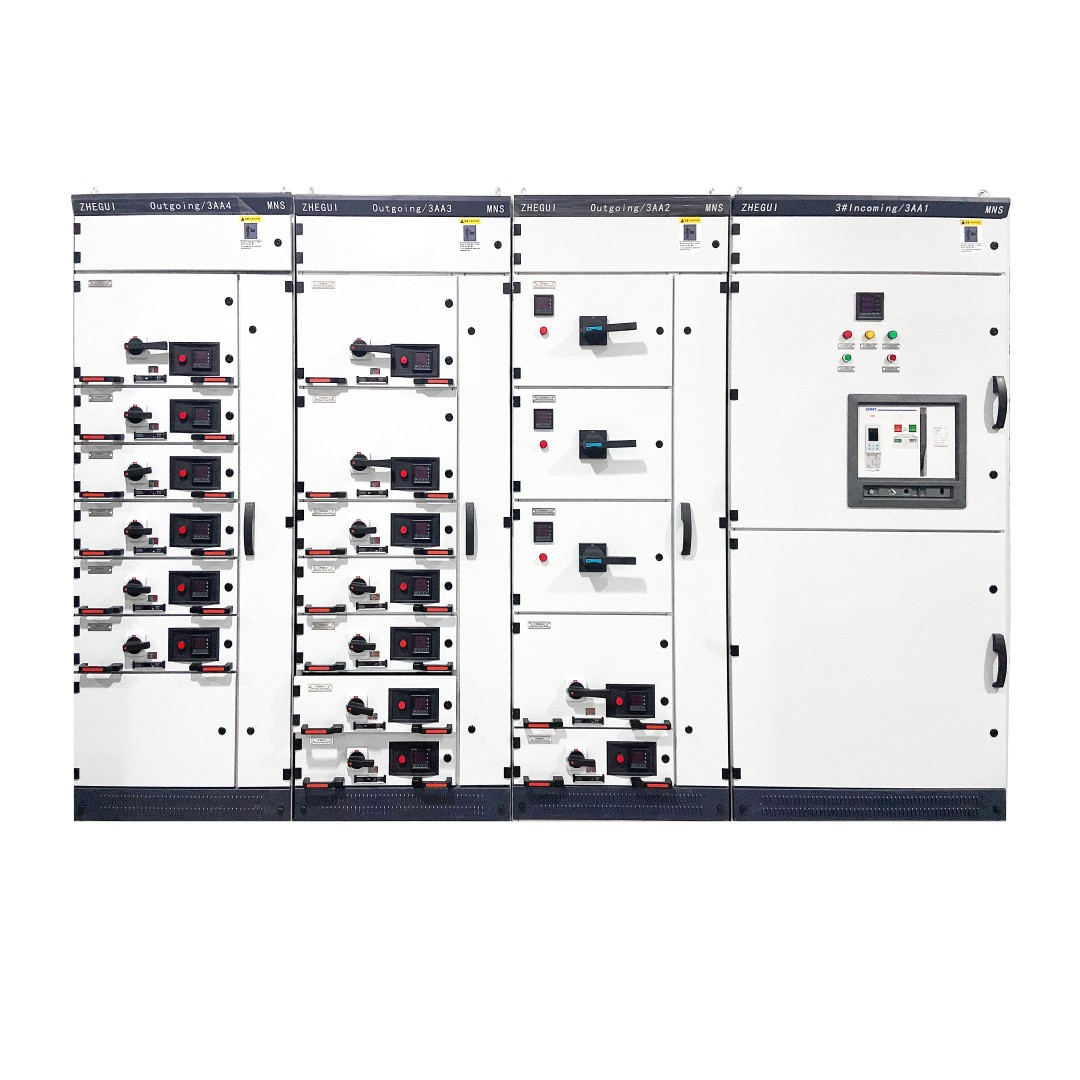
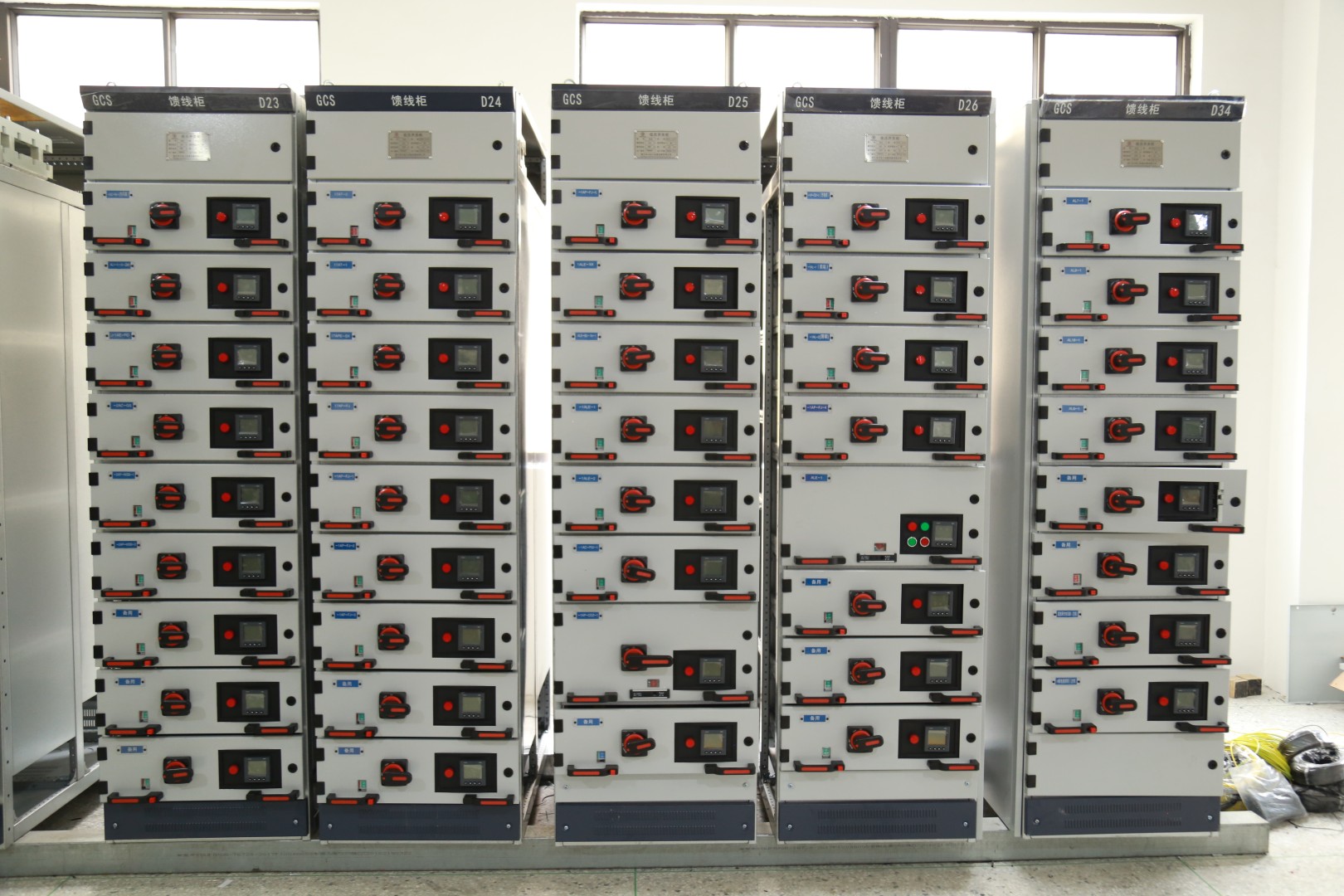
- Production has outgrown the panel capacity. The original motor control panel was sized for the motors installed at commissioning. Three production line expansions later, the panel is full, the busbar is at its thermal limit, and adding one more motor means replacing the entire lineup rather than inserting a drawer unit.
- Spare parts are unavailable for the existing equipment. Contactors, overload relays, or PLC modules discontinued by the manufacturer create a growing risk of extended downtime when a component fails.
- The existing panel does not support modern communication protocols. A panel built before industrial Ethernet became standard cannot integrate with the plant SCADA or energy management system without external adapters that add complexity and cost.
- Energy costs are rising and there is no way to track motor-level consumption. Old panels with thermal overloads provide no energy data. Upgrading to systems for industrial automation with integrated metering reveals where power is wasted.
- Safety standards have changed since the original installation. Arc flash protection requirements, personnel safety interlocks, and IP rating expectations for wet or dusty areas have evolved. A panel built to standards from 15 years ago may not meet current site safety requirements.
When any two of these five conditions apply, the project has moved beyond a simple component replacement and into the territory where consultation pays for itself. The most expensive way to upgrade is to order a replacement based on the nameplate ratings of the existing equipment without understanding what the plant actually needs now. The same principle applies whether you are replacing a main control panel or a ring main unit on the distribution network. That approach replaces the old panel with a copy of the old panel sized for the old load, and the next expansion creates the same problem again.
What industrial power services consultation actually delivers
| Phase | Deliverable | Why It Matters |
|---|---|---|
| Site survey | As-built documentation: panel dimensions, cable entry positions, upstream breaker settings, existing wiring photographs | Prevents ordering an industrial electrical box that does not fit the physical space or match the cable entry layout. The most common upgrade failure is a dimensional mismatch discovered on delivery day. |
| Load analysis | Motor list with measured or nameplate kW, starter type, control mode, and future expansion forecast | Ensures the new industrial electrical cabinet is sized for the plant you will have, not the plant you had when the old panel was installed. |
| Power system review | Protection coordination study, harmonic analysis for VFD additions, transformer loading verification | Confirms that the upgraded panel is compatible with the existing industrial power infrastructure. Adding VFDs without a harmonic study is the most common cause of post-upgrade nuisance tripping. |
| Specification development | Detailed RFQ document with enclosure material, IP rating, component brands, busbar sizing, and testing requirements | Converts the site survey data into a document that industrial enclosures manufacturers can quote accurately. Eliminates assumptions that lead to change orders during manufacturing. |
| Supplier evaluation | Comparative analysis of quotations from qualified manufacturers with compliance verification | Confirms that the selected supplier has built similar systems for industrial automation and has the certification documentation to prove it. |
The difference between a consultation that delivers value and one that delivers a report nobody reads is whether the output is a specification document, not a slide deck. A useful consultation ends with a document that manufacturers can price directly. This applies equally to power distribution upgrades and to power factor correction projects. A slide deck describing the plant's challenges is not a specification. The IEC 61439 standard provides the framework for documenting assembly verification requirements, which should be part of every upgrade specification.
The enclosure decision: upgrade or replace industrial electrical enclosures
When to reuse existing enclosures industrial and when to replace
The enclosure is the single most expensive line item in most panel upgrades. Deciding whether to reuse the existing industrial electrical enclosures or install a new industrial electrical cabinet affects the project cost by 30-40%. The decision is rarely obvious from the electrical room floor.
If the existing enclosure is structurally sound, dimensionally adequate for the new components, and already rated for the site environment (IP rating, corrosion resistance), reusing it saves significant cost. The upgrade replaces the internal components only: contactors, overloads, PLC, VFDs, wiring, and terminal blocks. The metal enclosure stays. This is a retrofit.
If the existing enclosure is rusted, undersized for the new component layout, or rated for indoor use on a site that now needs outdoor protection, replacement is the only practical option. A new enclosure costs more but eliminates the compromises that a retrofit forces on component layout and cable routing.

Industrial enclosures manufacturers can help with this decision during a site visit. A manufacturer who is also an metal clad switchgear provider can assess whether the existing busbar system has adequate current rating and short-circuit withstand for the upgraded configuration. This is an engineering assessment, not a visual inspection. It requires measuring the busbar cross-section, verifying the support structure spacing, and calculating the temperature rise under the new load profile.
Industrial power system solutions for successful upgrades

Four power system checks every upgrade consultation must include
Comprehensive industrial power services go beyond the panel itself to verify that the entire electrical infrastructure supports the upgraded system. Equipment that was adequate for a plant built 15 years ago may not have the spare capacity, the harmonic tolerance, or the protection coordination to support modern industrial power system solutions. Adding an active harmonic filter may be necessary when introducing VFDs to a system designed for conventional starters. The ISO 9001 quality framework requires documented verification of these compatibility checks. The IEA has noted that industrial facilities investing in comprehensive power system analysis before upgrades reduce post-installation problems by a measurable margin compared to facilities that proceed without formal power system verification.
The upgrade process from consultation to commissioning
The consultation's value is concentrated in steps one and two. A poorly specified upgrade multiplies the cost and delay in steps three and four. For space-constrained electrical rooms, a gas insulated switchgear solution can significantly reduce the footprint compared to conventional air-insulated equipment. The consultation should outline the phasing strategy before any equipment is ordered.
Frequently asked questions
What does industrial power consultation for a control panel upgrade actually cost?
Can I upgrade the internals of my existing industrial electrical box instead of replacing it?
How long does an industrial control panel upgrade take from consultation to commissioning?
What is the difference between consultation services and a supplier's quotation visit?
Do I need a power system study for a simple panel replacement?
How do I evaluate industrial enclosures manufacturers for an upgrade project?
Final thoughts
Industrial control panel consultation services turn a vague need for an upgrade into a specification that industrial enclosures manufacturers can quote accurately and manufacture without change orders. The investment is 3-8% of the equipment budget and it prevents the 15-30% overruns that undocumented upgrades generate. Start with a site survey that documents the existing installation in detail. End with a specification that any qualified manufacturer can bid against. The weeks spent on consultation are recovered in the days saved during commissioning when the panel fits the space, matches the cable entry, and powers up without surprises.
Schedule a Site Survey for Your Panel Upgrade
Send us your existing panel details and upgrade objectives. Our engineering team provides a site survey, load analysis, and detailed upgrade specification you can use to get comparable quotes from any qualified manufacturer.