


Gas insulated switchgear is one of the most reliable technologies in modern power distribution. It protects electrical networks in cities, industries, and infrastructure projects around the world. But what makes it different from conventional switchgear? And why do engineers choose a GIS substation over other options? This article answers those questions clearly and simply.
What is a Gas Insulated Switchgear?
Gas insulated switchgear (GIS) is a type of metal enclosed switchgear. It seals all live components — busbars, circuit breakers, and disconnectors — inside a grounded metal housing. The housing is filled with sulfur hexafluoride (SF₆) gas. SF₆ is an excellent insulator. Its dielectric strength is about 2.5 times greater than air. So GIS can pack powerful switching functions into a very small space.
This technology targets 12 kV medium voltage distribution networks. It is the standard choice for urban power networks, industrial facilities, and critical infrastructure projects. Metal clad switchgear built this way offers the same switching capability as open-air systems but in a fraction of the space.
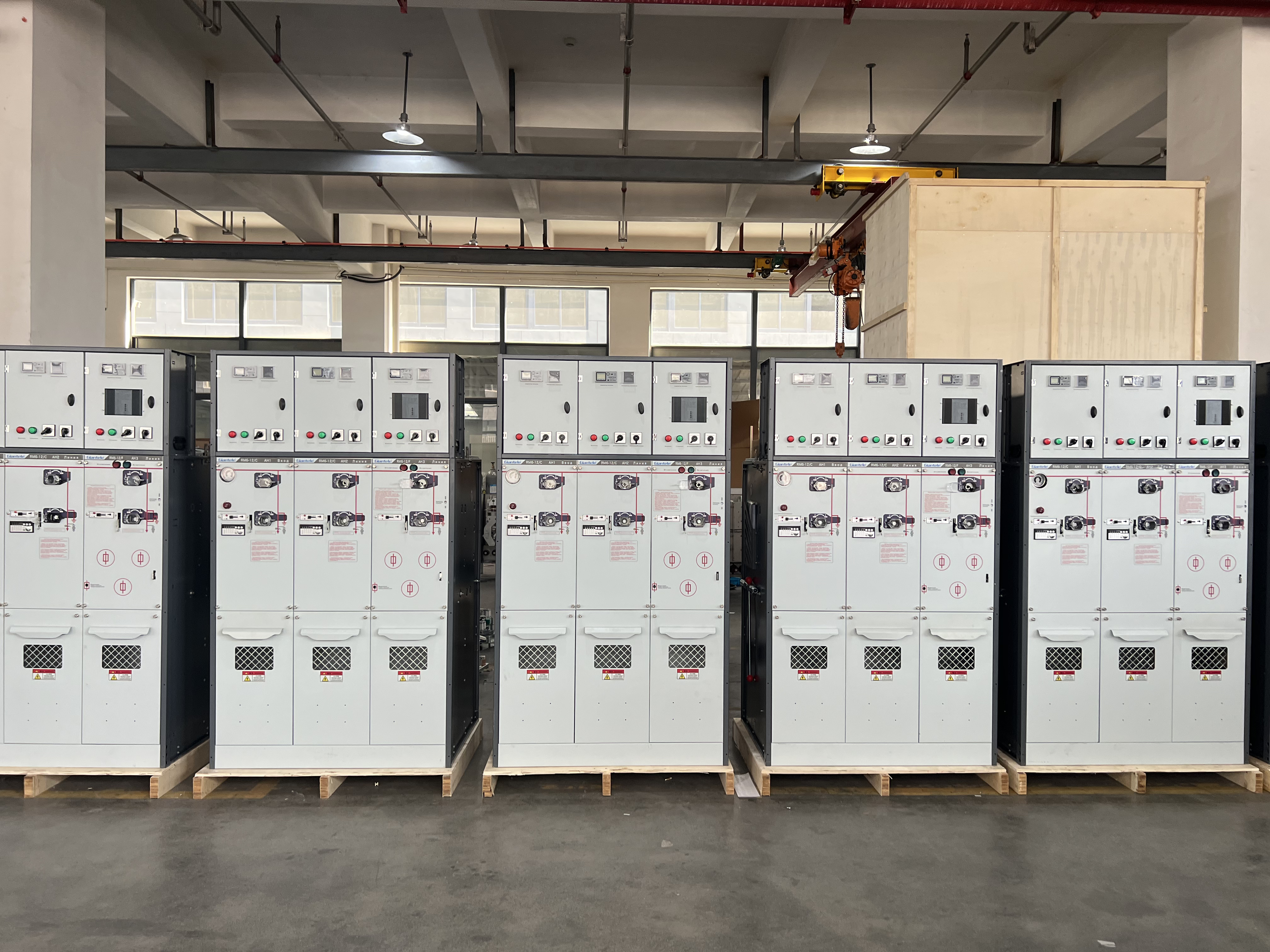
Key Components of Gas Insulated Switchgear
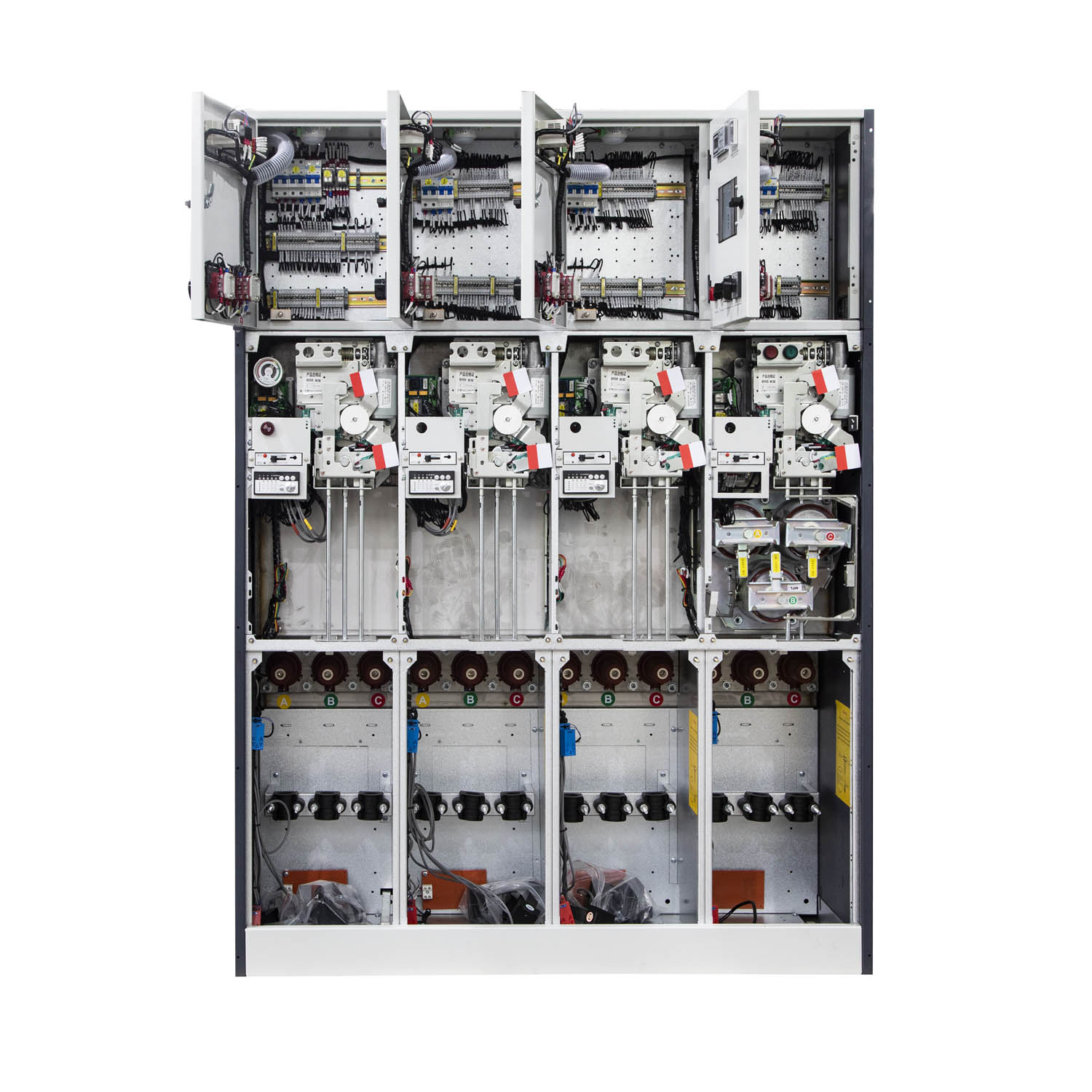
A complete GIS assembly contains several key components inside one sealed enclosure:
Circuit Breakers — They interrupt fault currents fast and protect downstream equipment.
Busbars — They carry and distribute current between feeders.
Disconnectors & Earthing Switches — They isolate sections safely for maintenance.
Current & Voltage Transformers — They supply accurate metering and protection signals.
Gas Monitoring System — It tracks SF₆ pressure and detects leaks automatically.
In medium voltage distribution networks, a ring main unit (RMU) is a compact SF₆ -insulated device. It creates a looped supply ring to keep power flowing even when one feeder fails. An RMU delivers supply continuity for hospitals, datacenters, and commercial buildings.
How Does Gas-Insulated Switchgear Work?
The system relies on SF₆ gas for both insulation and arc quenching. Inside each sealed compartment, the gas stays at 1.4 bar pressure at 20°C. When a circuit breaker opens under a fault, it blasts SF₆ across the arc. The arc extinguishes within milliseconds. So the network stays protected without any damage to internal parts.
Because all live parts sit inside grounded metal housings, operators have zero direct contact with energized conductors during normal service. Sensors monitor gas pressure and moisture levels continuously. They feed real-time data to control systems. This makes gas insulated switchgear easy to operate with minimal on-site staff.
Gas Insulated Switchgear vs Air Insulated Switchgear
| Comparison Factor | Gas Insulated Switchgear (GIS) | Air Insulated Switchgear (AIS) |
| Footprint | Up to 70% smaller | Requires a large open-air yard |
| Insulating Medium | SF₆ gas (hermetically sealed) | Ambient air |
| Maintenance Frequency | Lifetime maintenance-free | High — annual cleaning needed |
| Performance in Harsh Environments | Excellent — fully sealed | Vulnerable to dust and moisture |
| Installation Environment | Indoor, outdoor, or underground | Primarily outdoor, open sites |
| Upfront Cost | Higher | Lower |
| Lifecycle Cost | Lower (less maintenance) | Higher (ongoing servicing costs) |
| Best For | Urban, coastal, and industrial sites | Rural or open-land substations |
Air insulated switchgear costs less upfront. But GIS delivers a lower total cost of ownership over 25 to 30 years. So for sites where space is limited or environments are harsh, GIS is the smarter long-term investment.
The Advantages of Gas Insulated Switchgear
Compact Design
GIS occupies as little as 30% of the land area of an equivalent AIS yard. So it fits into urban substations, basements, or underground vaults where space is tight.
Strong Environmental Protection
The sealed metal enclosed switchgear enclosure blocks dust, moisture, salt air, and insects. Internal components stay clean and dry, even in harsh outdoor conditions.
Lifetime Maintenance-Free Design
SF₆ is chemically stable. So all busbars, switches, and live parts inside the sealed stainless steel chamber need zero scheduled maintenance. This cuts downtime and reduces operating costs significantly.
IP67 Protection Rating
The sealed enclosure meets IP67, meaning it withstands brief water immersion, high humidity, and temperatures from -40°C to +40°C. So this metal enclosed switchgear performs reliably even in the most demanding outdoor environments.
Full Five-Prevention Interlocking
Every unit integrates a complete five-prevention interlock system. This eliminates equipment errors and personnel mistakes caused by incorrect operation sequences. So operators work safely at all times.
Flexible Modular Architecture
This medium voltage switchgear combines C, F, V, and CB modules in any configuration. Engineers can match the exact switching requirements of each project. And the design supports future expansion as load grows.
Applications of Gas Insulated Switchgear
This technology serves a wide range of sectors:
Urban Transmission Substations : Dense city networks face land shortages and high real estate costs. A GIS substation installs inside a building or underground vault and solves both problems at once.
Industrial and Manufacturing Facilities : Factories, refineries, and processing plants need stable, high-availability MV switchgear. Gas insulated switchgear delivers the fault protection and uptime that heavy industry demands.
Renewable Energy Projects : Solar farms and wind plants connect to the national grid through medium voltage switchgear. GIS handles the high fault levels and variable generation profiles of renewable sources effectively.
Secondary Distribution Networks : A ring main unit (RMU) based on SF₆ technology creates N-1 redundancy in mediumvoltage loops. It protects hospitals, data centers, and commercial facilities from supply interruptions. RMU installations are fast to deploy and easy to expand as load grows.
Underground and Offshore Applications : Offshore platforms and tunnel substations require compact, sealed equipment. Metal clad switchgear in GIS format handles these environments without performance compromise.
Conclusion
Gas insulated switchgear is the right choice for power professionals who need reliability, safety, and a small footprint. It outperforms air insulated switchgear in harsh environments and delivers lower lifecycle costs over decades of service.
Whether you need a full GIS substation, a ring main unit for distribution loops, or medium voltage switchgear for an industrial plant, this technology offers a proven solution. Contact us today to find the right gas insulated switchgear configuration for your project.
-
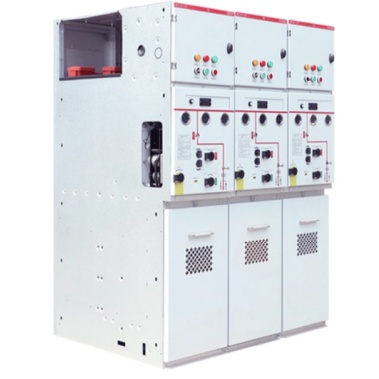
 What is a Ring Main Unit?A Ring Main Unit (RMU) is a type of high-voltage switchgear used in power distribution systems. It is primarily designed for power distribution and system protection. RMUs are commonly applied in urban power grids, industrial parks, and residential areas, characterized by th
 -
 A ring main unit plays a critical role in modern medium-voltage power distribution systems, yet many project owners, contractors, and even new engineers often confuse it with other electrical equipment such as transformers. In our daily work at Zhejiang Zhegui Electric Co., Ltd., we frequently encounter questions like: “Is a ring main unit the same as a transformer?” or “Do I need both?” These questions are practical, because understanding the difference directly affects system design, cost control, safety, and long-term reliability.
 -
 When people first hear the term ring main unit, they often imagine “a transformer cabinet” or “a switch box.” In real electrical power distribution projects, the ring main unit (often shortened to RMU) is neither of those—and understanding the difference matters, because the RMU is frequently the component that determines how reliably, safely, and flexibly a medium-voltage network can be operated.
 -
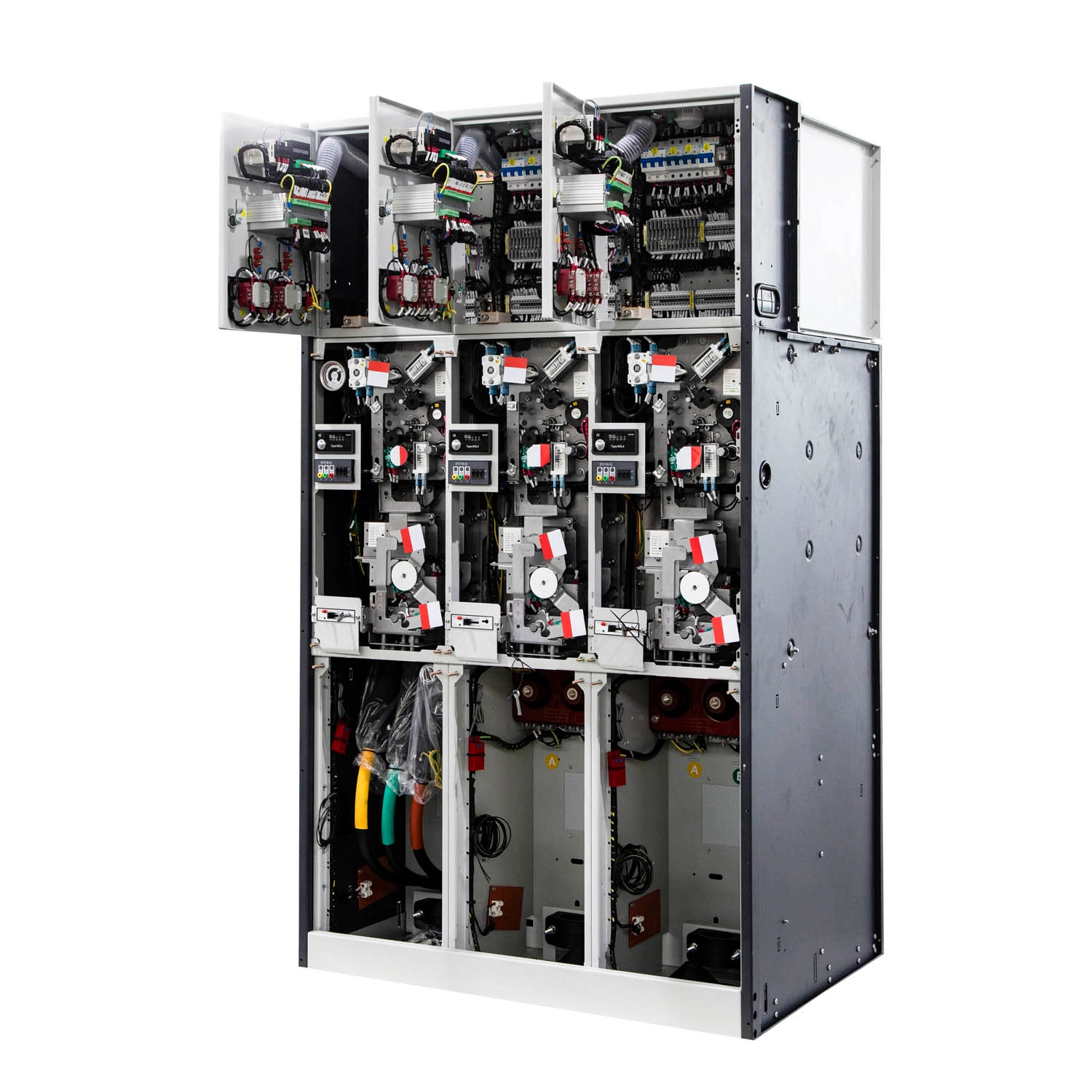 The RMU ensures reliable power distribution, even under high loads and challenging conditions, maintaining smooth electrical network operations.
