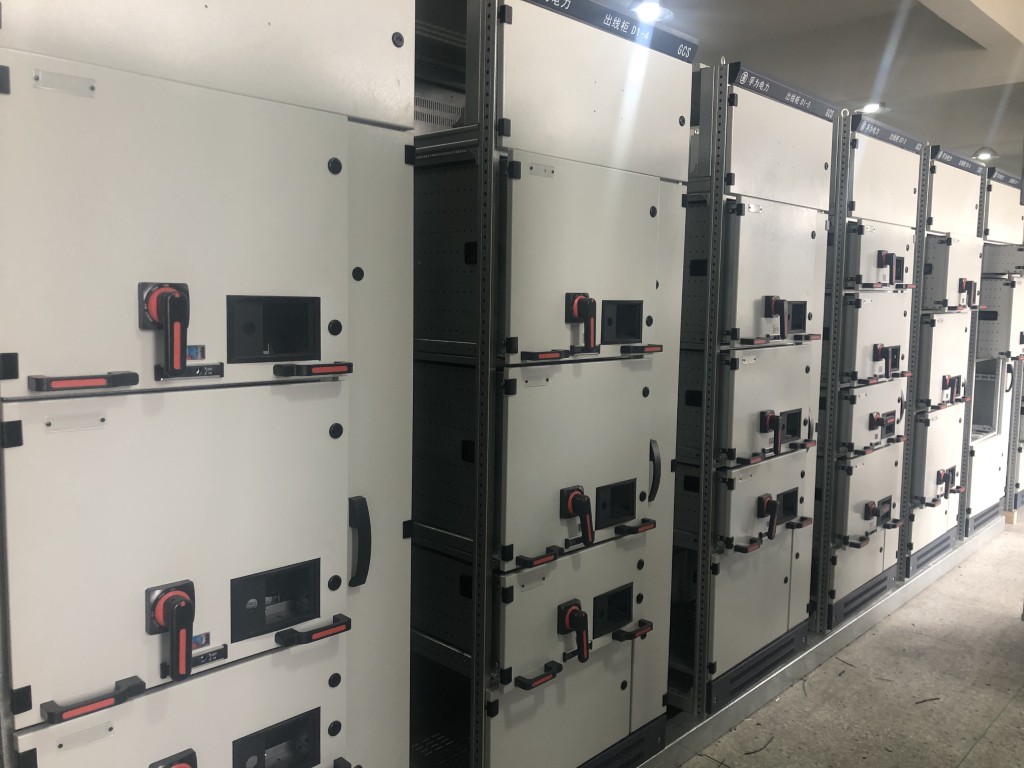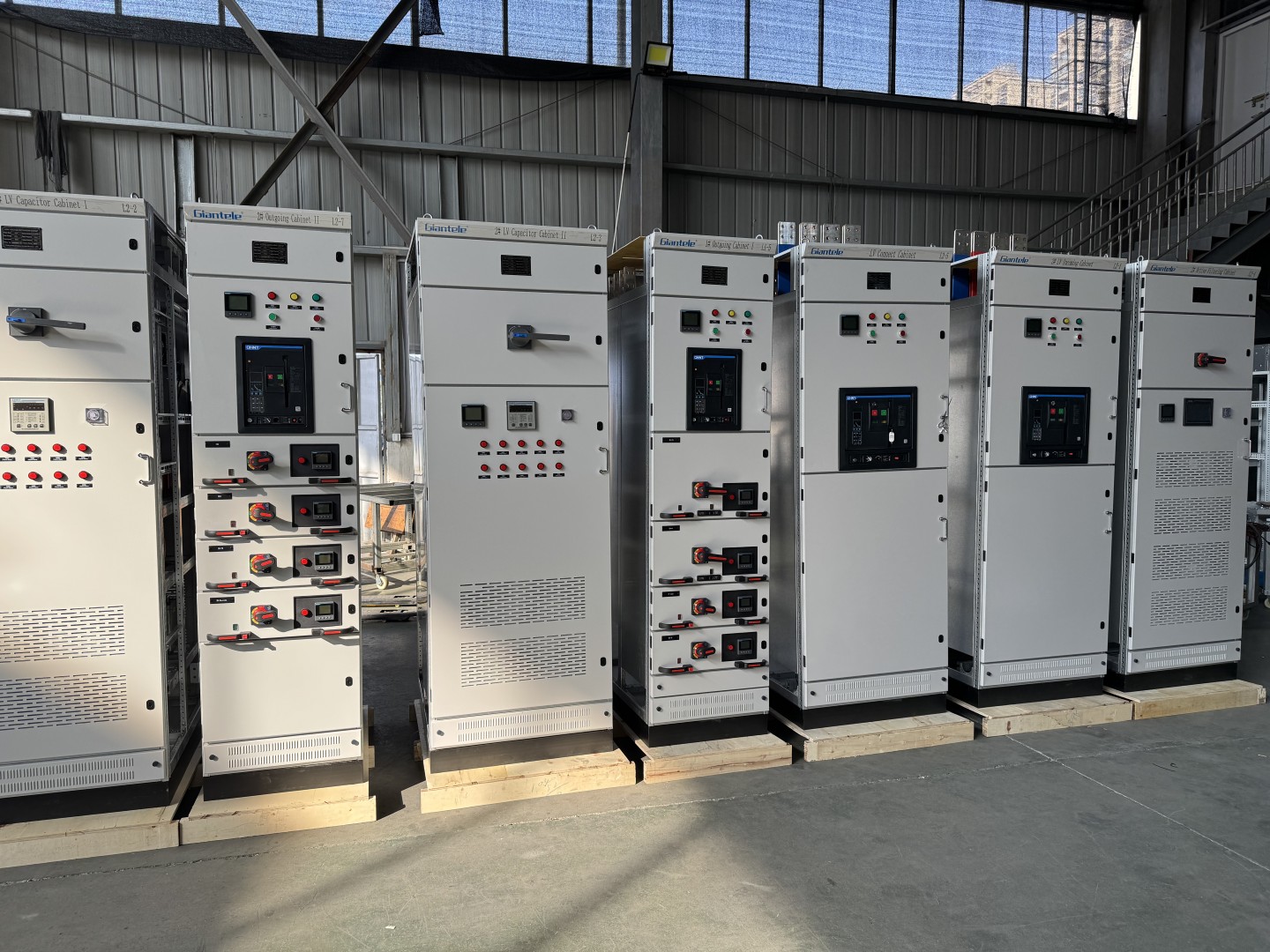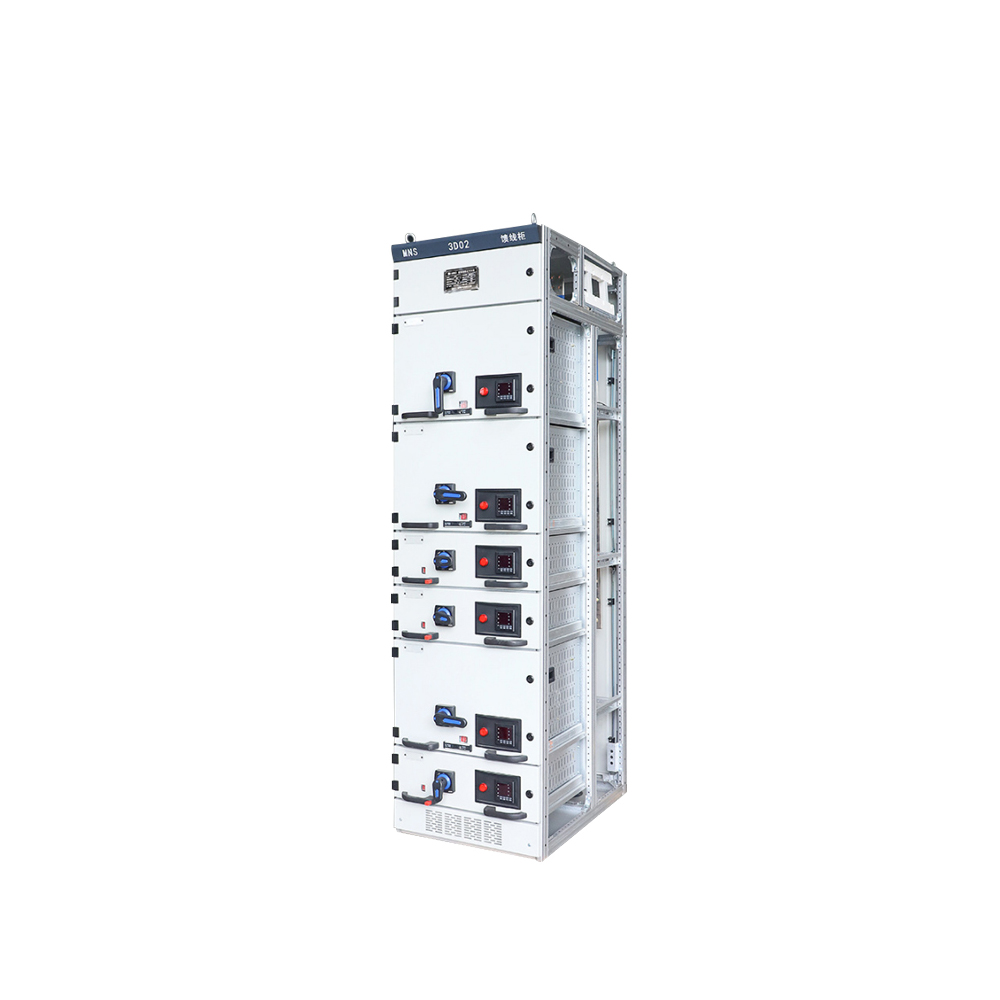
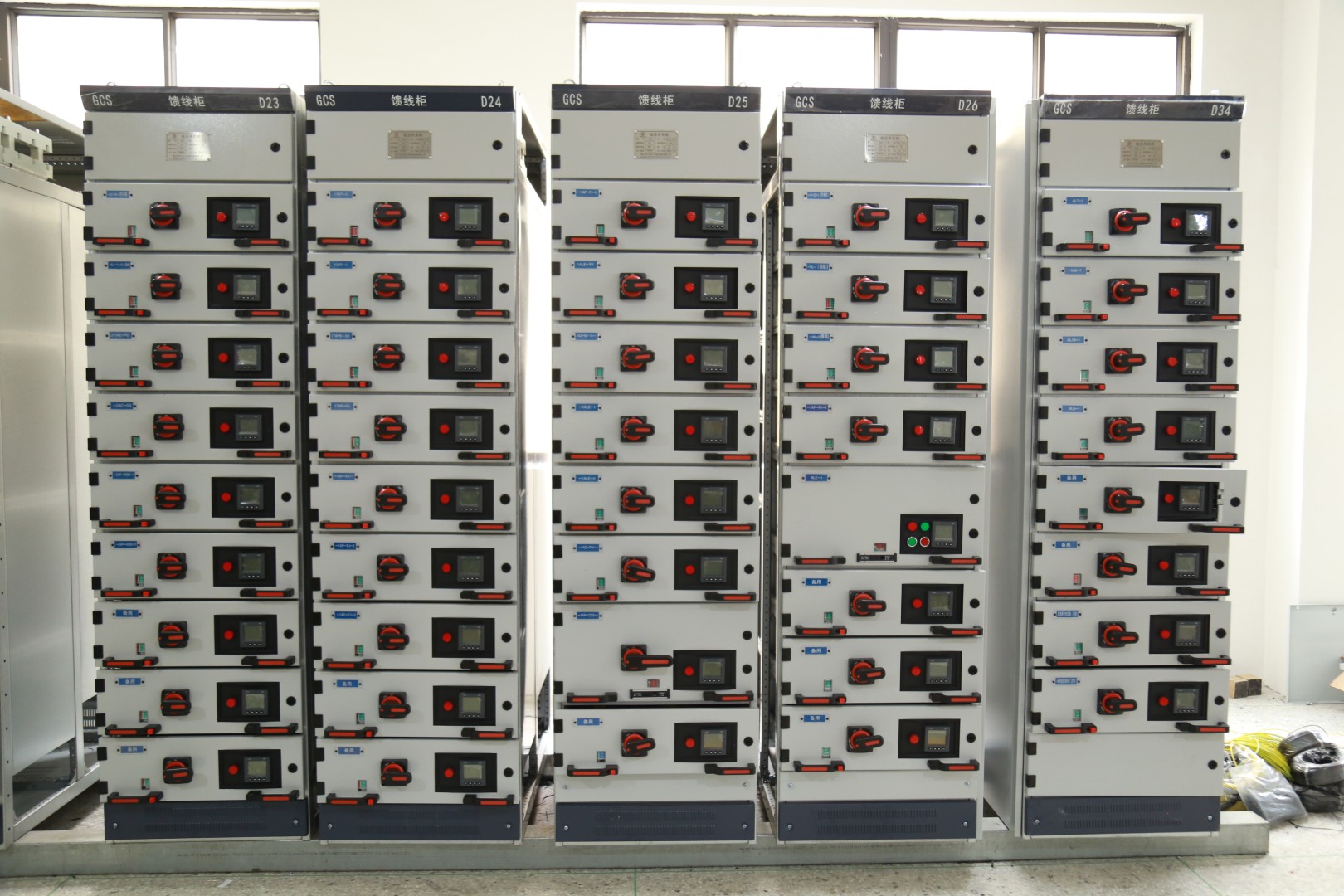
Finding distributors that offer motor control centers with remote monitoring means looking beyond the catalogue. Most MCC manufacturers sell standard panels with contactors and overloads. A smaller subset build intelligent motor control centre units with networked devices, communication gateways, and dashboard software preconfigured at the factory. This guide explains what remote monitoring means in practice, what features separate a real intelligent MCC from a standard panel with a few networked relays, and what questions to ask distributors before you commit.
Key Takeaways
- Remote monitoring is more than Ethernet ports: A real intelligent motor control centre collects motor current, voltage, temperature, fault codes, and operating hours from every starter and drive, then serves that data through a dashboard. Networked relays with basic on/off status do not qualify.
- Three levels of MCC intelligence exist: Basic monitoring (status only), advanced monitoring (electrical parameters + fault codes), and full integration (predictive analytics, energy management, automated reporting). Know which level you are buying.
- Distributors differentiate on integration skill: Anyone can supply a motor control cabinet with smart devices inside. The real value is in the pre-configuration and testing of the communication network before the panel leaves the factory. Ask for a test report that includes network verification.
- Communication protocol choice locks in your ecosystem: Modbus TCP, EtherNet/IP, Profinet, and Profibus are common. A distributor that supports multiple protocols gives you flexibility. One that supports only one forces you into that ecosystem for every future expansion.
What remote monitoring means for a motor control center

Smart motor control centre architecture explained
A remotely monitored motor control centre is built around three layers. The device layer consists of intelligent motor starters, electronic overload relays, VFDs with network interfaces, and energy meters that generate data. The network layer connects these devices through a communication bus using a protocol such as Modbus TCP or EtherNet/IP. The application layer is the software dashboard or SCADA screen that displays the data to operators and maintenance teams.
What separates this from a traditional motor control center is that the data already exists inside the panel. Standard thermal overload relays cannot report motor current unless someone walks up to the panel with a clamp meter. Intelligent overloads send real-time current, voltage, power factor, and fault codes to a central gateway, which makes them available anywhere on the plant network.
The key decision when looking for distributors is whether you need native remote monitoring built into the motor control cabinet, or whether you can add monitoring externally. Many motor control center installations add current transformers and data loggers after commissioning. This works but is less integrated, less reliable, and harder to scale than a factory-configured intelligent MCC. If remote monitoring is important to your operation, buy it built-in, not bolted-on.
Three levels of intelligence in motor control centres
| Capability | Level 1: Basic Monitoring | Level 2: Advanced Monitoring | Level 3: Full Integration |
|---|---|---|---|
| Status monitoring | Run/stop/fault | Run/stop/fault + warnings | Run/stop/fault/warnings + predictive |
| Electrical parameters | Not available | Current, voltage, power factor | Full electrical + harmonics + energy |
| Motor protection data | Overload trip only | Overload, phase loss, imbalance | Full protection events + thermal modelling |
| Energy monitoring | Not available | Optional add-on | Per-motor kWh logging integrated |
| Fault diagnostics | Binary fault flag | Specific fault codes | Fault codes + event log + waveforms |
| Predictive maintenance | Not available | Not available | Operating hours tracking, contactor cycle count, trend analysis |
| Typical cost premium | Baseline + 10-15% | Baseline + 25-40% | Baseline + 50-80% |
Most distributors offering "remote monitoring" on electric motor control panel products are actually selling Level 2 hardware with Level 1 software, because the dashboard development effort separates the tiers more than the hardware cost. A distributor that advertises remote monitoring but cannot demonstrate a working dashboard with your choice of protocol in a live demo environment is selling potential, not a product. The IEC 61439 standard does not yet define intelligence levels, so the industry lacks a common vocabulary. Use the table above to calibrate every supplier's claims.
Questions to ask distributors before selecting motor control panels with remote monitoring
Six questions that reveal whether a distributor can deliver
- Show me the communication network diagram for a panel you have built. A legitimate intelligent motor control cabinet comes with a documented network topology showing every device address and the gateway configuration.
- Which communication protocols do you support? One protocol limits future flexibility. Two or more gives you options when expanding.
- Do you pre-configure and test the network at the factory? Factory pre-configuration is the difference between an integrated system and a box of parts with network ports.
- What dashboard or SCADA template do you provide? Without a pre-built visualisation layer, remote monitoring data exists but nobody sees it.
- How do you handle firmware updates for networked devices? Intelligent motor control panels contain devices that need occasional updates. A responsible distributor has a documented process for this.
- Can you provide remote access for commissioning support? The best distributors support commissioning remotely through secure VPN or cloud-based access to the MCC communication gateway.

Distributors of custom industrial control panels with remote monitoring differ from standard custom industrial control panels suppliers primarily in their software and network engineering capability. The metalwork, busbars, and power components are similar. The difference is whether the supplier employs engineers who can configure IP addresses, set up VLANs, integrate Modbus registers, and build a functional SCADA template. When you evaluate distributors, interview their controls engineer, not their sales representative.
Essential features in low voltage motor control center remote monitoring

Five capabilities every intelligent MCC cabinet should include
The gap between what a distributor claims and what they deliver usually lives in items three and four. Alarm configuration and energy metering require software development and integration work that many low voltage switchgear and motor control centre builders outsource or skip. When you ask for a demonstration, focus on these two features. If the demonstration shows a generic dashboard with placeholder data, ask to see a live panel on the factory floor reporting real motor data. A ISO 9001 certified manufacturing process should include documented verification of every networked device's communication before shipment. The IEA has documented that industrial facilities with real-time motor monitoring reduce unplanned downtime by 30-50% compared to facilities relying on periodic manual inspection alone.
How to find and evaluate mcc cabinet distributors
Once you have found qualified distributors, evaluate them on integration capability more than on hardware cost. A slightly more expensive motor control centre from a distributor with proven network integration expertise will cost less over its lifetime than a cheaper panel that requires weeks of on-site network troubleshooting. For sites that already run a power distribution board with any level of digital monitoring, ask whether the same communication backbone can support both the distribution board and the new motor control panels. For industrial sites that already have ATS switch panels with remote monitoring, ask whether the same communication architecture can be extended to the new motor control panels rather than running a parallel network.
Frequently asked questions
What exactly does remote monitoring on a motor control center give me?
Do I need to replace my existing motor control panels to add remote monitoring?
How much does remote monitoring add to the cost of an mcc cabinet?
Which communication protocol should I choose for my motor control centre?
Can I access my motor control center remotely from outside the plant?
What is the difference between intelligent motor control panels and a standard panel with networked relays?
How do I verify that a distributor's remote monitoring claims are real?
Final thoughts
Remote monitoring transforms a motor control center from a box that starts and stops motors into a data source that improves maintenance decisions, reduces downtime, and tracks energy consumption. The key is finding distributors who deliver pre-configured, factory-tested intelligent mcc panels, not boxes of smart components that you must integrate yourself. Define your required intelligence level, choose your communication protocol, and verify the distributor's integration capability before you place the order. The premium over a standard panel pays for itself through the first unplanned outage it prevents.
Discuss MCC Specifications and Integration Requirements
Send us your motor list and communication protocol requirements. Our engineering team returns a detailed proposal with specifications for the MCC configuration that meets your monitoring needs.