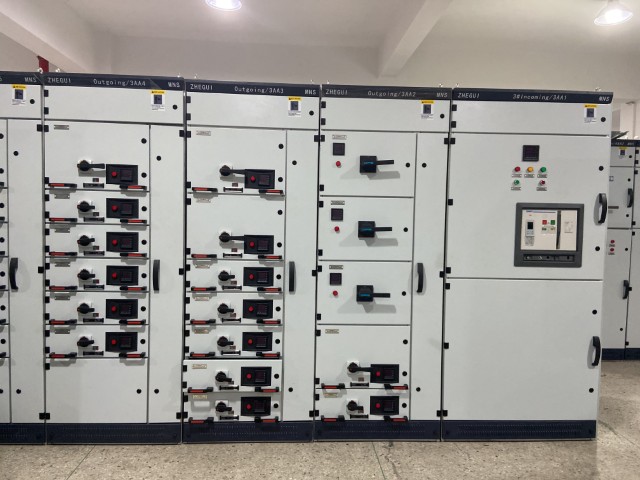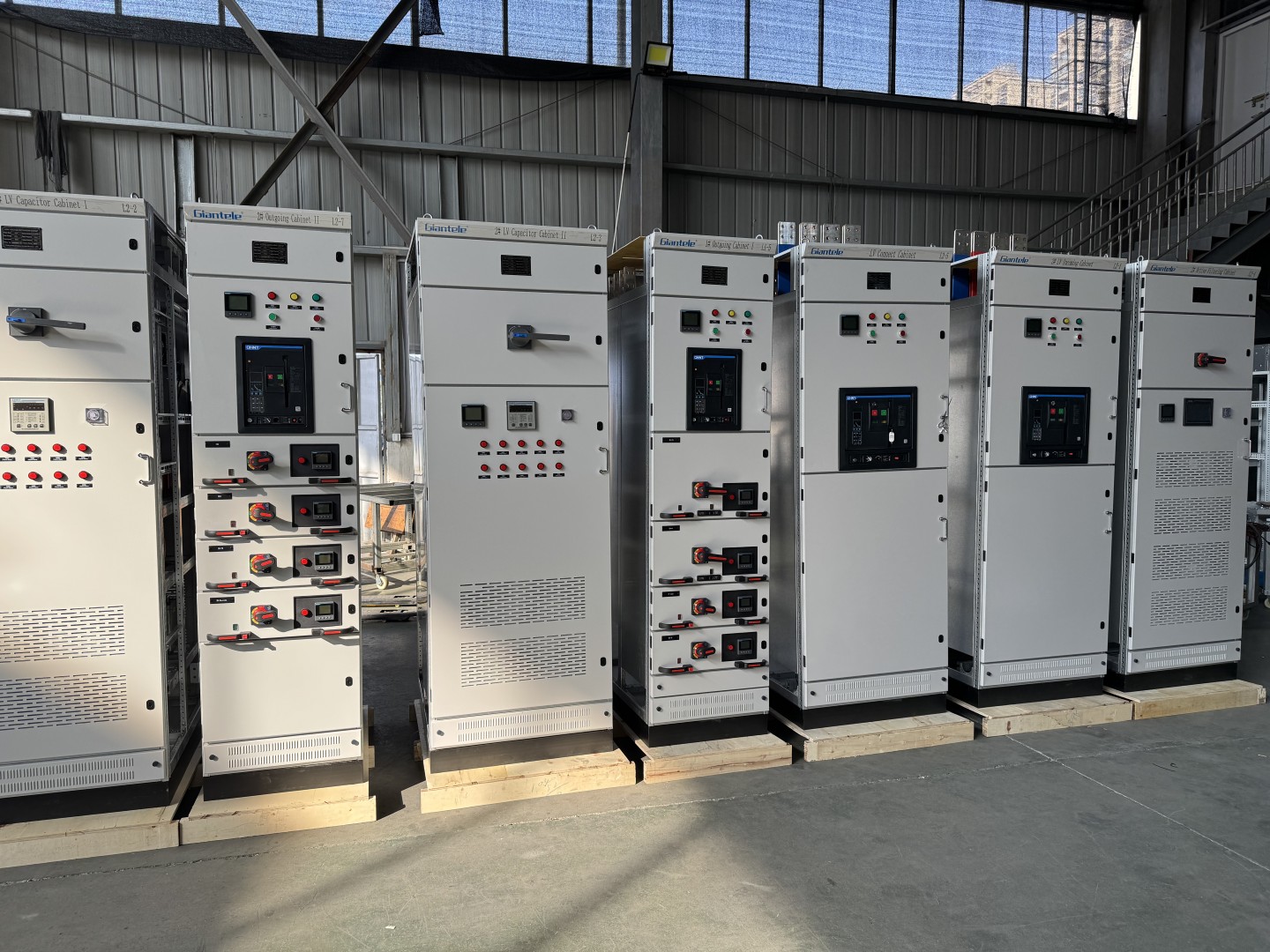

Buying an MCC motor control center with integrated variable frequency drives is one of the smartest investments a factory can make. You get motor starting, protection, and speed control in a single lineup instead of separate panels connected by field cables. The upfront cost runs higher than a standard electrical mcc with DOL starters, but the installed cost is lower because you eliminate external VFD panel enclosures, interconnecting power cables, and a separate control cable run for each drive. This guide explains what to look for, what it costs, and how to buy from motor control center suppliers who deliver what they promise.
Key Takeaways
- Integrated MCC+VFD reduces total installed cost by 15-25%: One lineup, one cable entry, one set of factory tests. You eliminate the field wiring between separate motor control panels and remote VFD panels.
- VFD buckets cost 3-5x more than DOL starter buckets: A standard direct-on-line starter in an electrical mcc costs one unit. A VFD bucket for the same motor costs 3-5 units. The payback comes from energy savings, reduced mechanical stress, and process control.
- Harmonics and cooling are the two biggest integration risks: A motor control cabinet with multiple VFDs needs harmonic filtering and forced ventilation. Skip either and the drives trip or overheat within months.
- One electrical panel manufacturer for the entire lineup: Split the MCC structure and VFD supply between two suppliers and you own every integration problem. Buy the complete motor control cabinet from one manufacturer.
What an mcc motor control center with integrated VFDs delivers

One lineup instead of two or three separate panels
A traditional setup puts motor starters in an mcc motor control center and variable frequency drives in a separate vfd panel, connected by power and control cables across the electrical room. An integrated design puts the VFDs inside the MCC structure itself, in dedicated VFD buckets that share the same main busbar system.
The result: one industrial control cabinet with a single incomer, one set of busbars, and one control network. You run one power cable from the transformer to the MCC. All VFD-to-motor cables leave from the same lineup. The simplification is not cosmetic. It removes an entire class of field wiring errors, reduces commission time, and makes future expansion simpler.
Integrated VFD motor control center configurations vary by manufacturer. Some motor control center suppliers offer VFD buckets that slide into the same vertical sections as standard starter buckets. Others use dedicated VFD sections with separate cooling paths. Both approaches work. The difference matters more for thermal management than for functionality. Whichever architecture you choose, confirm that the manufacturer has built this exact configuration before. The first integrated MCC+VFD a supplier ever builds should not be yours.
Motor control center cost with VFDs vs standard starters
| Cost Element | Standard DOL Starter (7.5kW) | Integrated VFD Bucket (7.5kW) |
|---|---|---|
| Starter / drive unit | Contactor + overload relay | VFD with built-in protection |
| Component cost | 1x (baseline) | 3-5x the baseline |
| Bucket / enclosure space | Compact — standard starter bucket | 2-3x larger — VFD needs extra depth and ventilation |
| Cooling requirement | Natural or minimal forced air | Forced ventilation required per VFD section |
| Control wiring | Start/stop, overload contact | Start/stop, speed reference, run feedback, fault output, comms |
| Energy saving potential | None — motor runs at full speed | 20-50% on variable-torque loads (pumps, fans) |
| Installed cost (relative) | 1x | 2-3x (lower than separate MCC+VFD panel) |
The motor control center cost premium for VFD integration makes sense for roughly half the motors in a typical factory. Pumps and fans with variable demand justify a VFD on energy savings alone. Conveyors with multiple speed setpoints benefit from the process flexibility. Constant-speed motors running at full load 24 hours a day do not. Hybrid MCCs with a mix of standard starters and VFD buckets are the most common configuration we build. Talk to your electrical panel manufacturer about which motors need a VFD and which do not. A good supplier tells you when a VFD is overkill, not just when it adds to the order value.
Separate vfd panel vs integrated electrical mcc
When a separate vfd panel still makes sense
Integrated VFD buckets in an electrical mcc win on installed cost, commissioning time, and future flexibility. But a separate vfd panel wins in three specific scenarios: when the VFDs are physically closer to the motors than the MCC room, when you are retrofitting drives into an existing MCC that has no spare VFD bucket space, and when the VFDs generate so much heat that centralised cooling inside the MCC becomes impractical.
- Integrated wins: New installations, centralised motor control, fewer than 12 VFDs per lineup
- Separate wins: Retrofits, remote motor locations, dense VFD clusters generating high heat loads

Check with your low voltage switchgear supplier about the thermal limits of their MCC structure. A vertical section with four VFD buckets generates roughly 800-1200W of heat under full load. Without forced ventilation, the internal temperature rise exceeds the 40-degree Celsius limit that most VFDs specify for continuous operation. Good motor control center suppliers include thermal calculations in their proposal. If yours does not, ask for one before signing.
Questions to ask motor control center suppliers

Six questions that separate qualified suppliers from the rest
The best power distribution board and MCC suppliers answer all six questions with documentation, not reassurances. A supplier who claims they "always include harmonic mitigation" but cannot show you the THD calculation for your specific busbar configuration is guessing. The IEC 61439 standard requires verification by test, calculation, or a combination of both. Ask which method applies to your design.
Ordering an electric motor control panel with integrated VFDs
The industrial control cabinet you buy today will run for 15-20 years. The VFDs inside it might be replaced once or twice. Design the busbar and the physical layout for the longest-lived components. Size the enclosure with 20% spare physical space for future VFD buckets. Copper busbars with a margin above today's load are cheap insurance against a future retrofit that costs ten times more than the copper you could have installed at the start. The ISO 9001 certified manufacturing process ensures every connection, every label, and every test point meets documented quality standards. A competent ATS switch integrated into the same MCC lineup adds automatic backup power switching without a separate panel.
Frequently asked questions
What is the difference between an mcc motor control center and a vfd panel?
How much does an integrated MCC+VFD motor control center cost?
Can I retrofit VFDs into an existing motor control cabinet?
Do I need harmonic filters in an MCC with VFDs?
Which VFD brand should I choose for an integrated MCC?
What documentation should I receive with an integrated MCC+VFD?
How long does it take to build an integrated MCC+VFD?
Final thoughts
Buying motor control centers with integrated VFDs is an investment in simpler wiring, faster commissioning, and lower lifetime operating cost. The motor control center cost premium pays back through energy savings on variable-torque loads and through the elimination of field cabling between separate panels. Work with one electrical panel manufacturer for the entire lineup. Demand documented thermal and harmonic calculations. Test everything at the factory before it ships. Send your motor list to Giantele for a detailed MCC+VFD proposal with full engineering documentation.
Get an Integrated MCC+VFD Proposal with Full Engineering Docs
Send us your motor list and single-line diagram. We return a complete proposal with thermal calculations, harmonic analysis, layout drawings, and a line-item price breakdown.