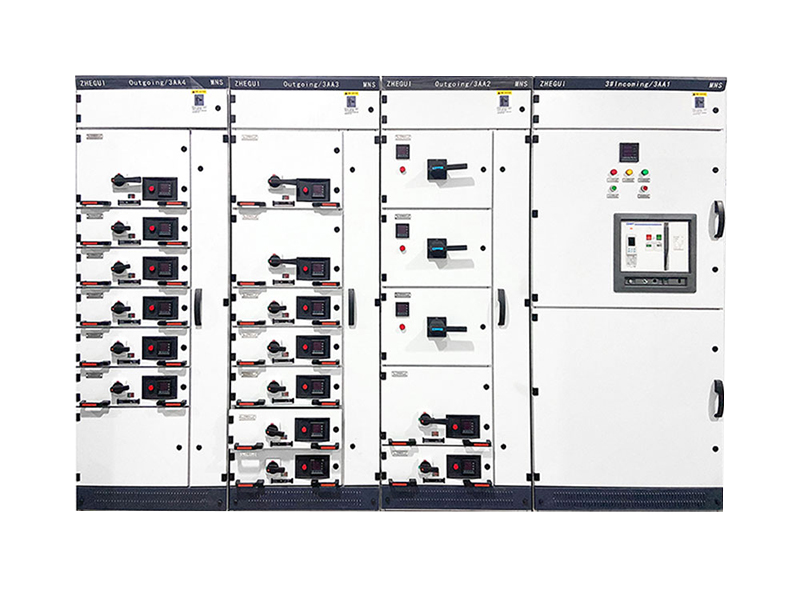
Conveyor downtime costs more than the panel itself. An automated motor control panel stops conveyor failures before they happen. For factories and mines that depend on continuous material flow, the right motor control panel and automation system is not optional. It is your first line of defence against costly production stops.
Key Takeaways
- Real-time protection: Automated control systems detect motor current spikes, phase loss, and overheating before a conveyor motor burns out.
- VFD integration: Variable frequency drives cut energy consumption by 20-40% while eliminating direct-on-line starting shock on conveyor belts.
- Environment matters: A control panel designed for a clean factory will fail within months in a dusty mine or humid processing plant.
- Single-supplier logic: Buying MCC, VFD, and control panel panel from one manufacturer eliminates finger-pointing during commissioning.
- CE certified: Giantele motor control centers carry CE certification under IEC 61439, ready for industrial machine automation projects worldwide.
Why Conveyor Operations Need Industrial Automation and Control Systems
In a manual setup, operators react to problems after they start. In an automated setup, the industrial automation and control system detects issues before the conveyor stops. You eliminate guesswork from conveyor operation.
Automated control systems monitor motor current, belt speed, and bearing temperature in real time. When a parameter drifts outside normal range, the control panel raises an alarm instead of waiting for a motor burnout. For conveyor lines moving hundreds of tonnes per hour in Kenya or Nigeria, this difference means the difference between a five-minute alert and a five-day repair.
A poorly protected conveyor motor in Zambia or Indonesia does not fail slowly. It fails at 3 AM on a Saturday, when the price of downtime is highest. Your industrial automation and control investment pays for itself the first time it prevents one of these failures.
The Brain of Your Conveyor Line
A modern industrial process control and automation system for conveyors is not a row of pushbuttons and indicator lamps. It is a networked controller that manages:
- Motor sequencing: start upstream belts before downstream, stop in reverse order
- Speed synchronization: match belt speeds across multiple conveyor sections
- Fault interlocking: if one conveyor trips, all upstream belts stop automatically
- Data logging: record motor current, temperature, and runtime for maintenance planning
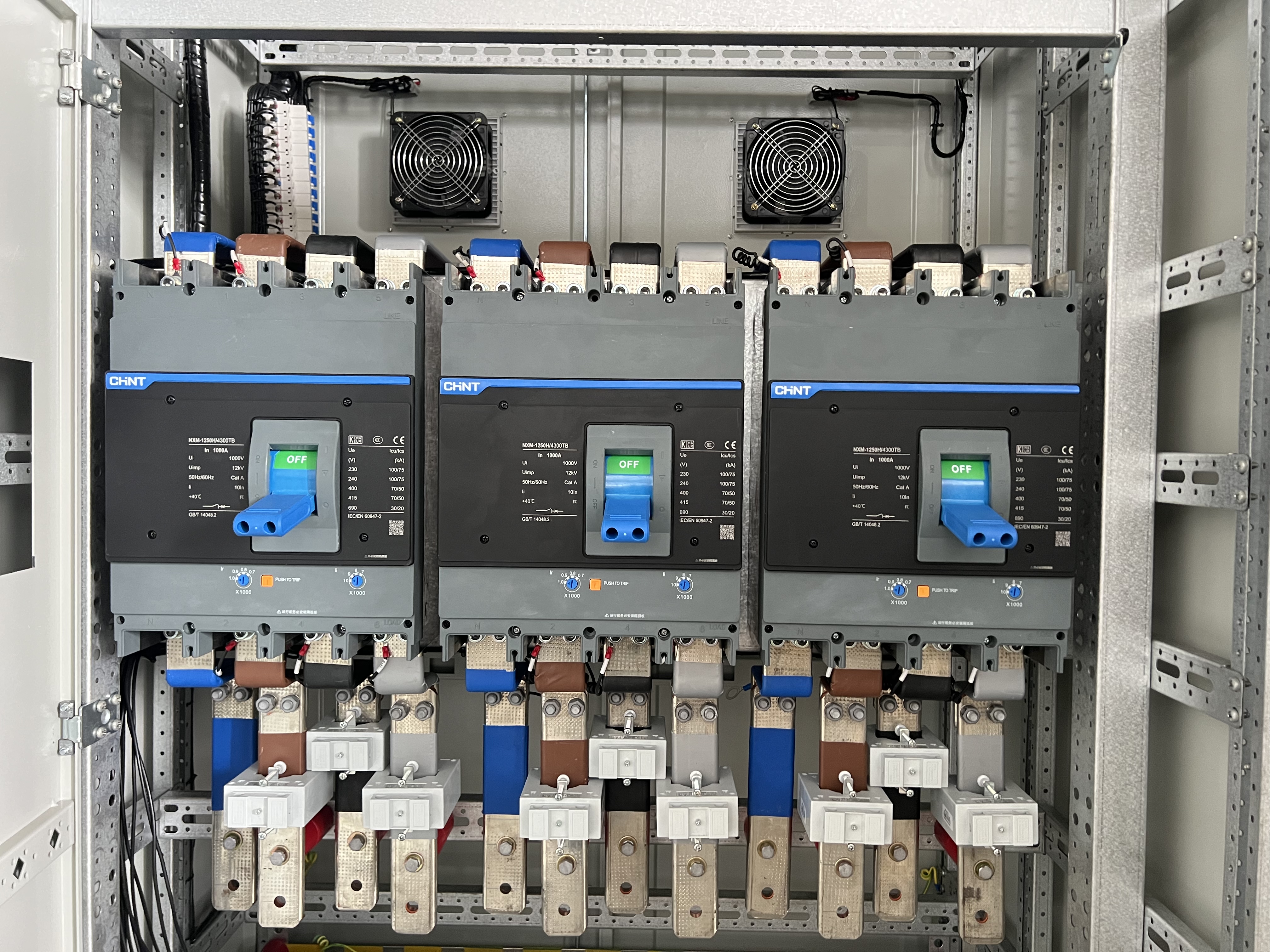
Core Components of a Control Panel and Motor Control Center for Conveyors
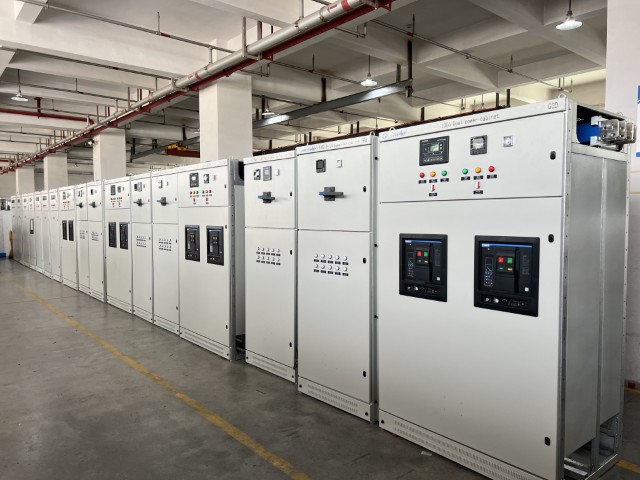
Coordinated Protection for Every Motor
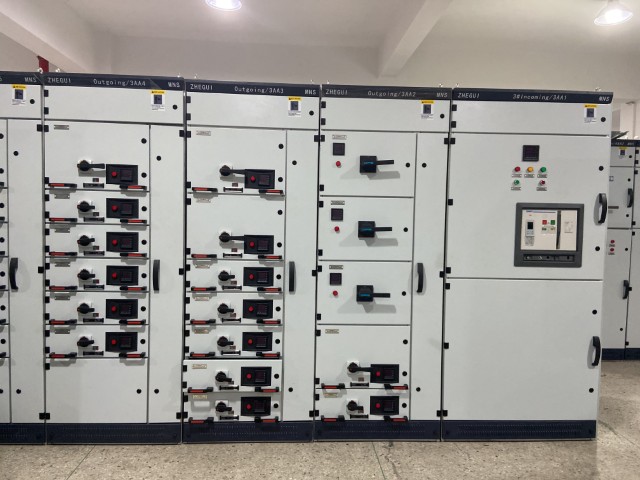
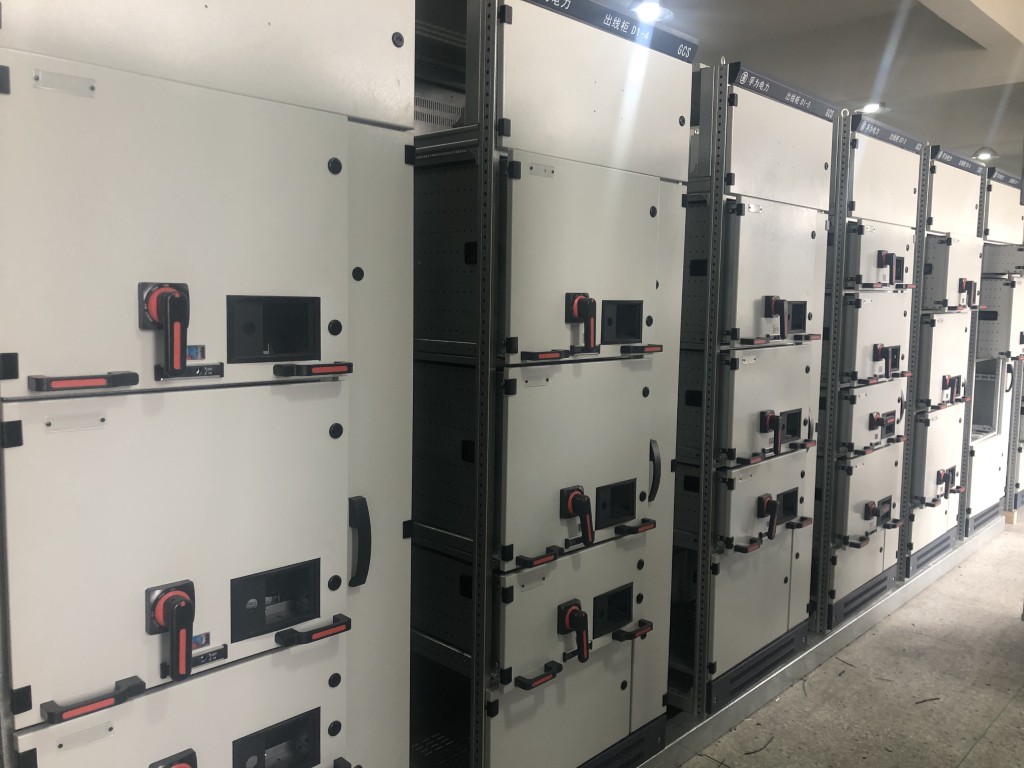
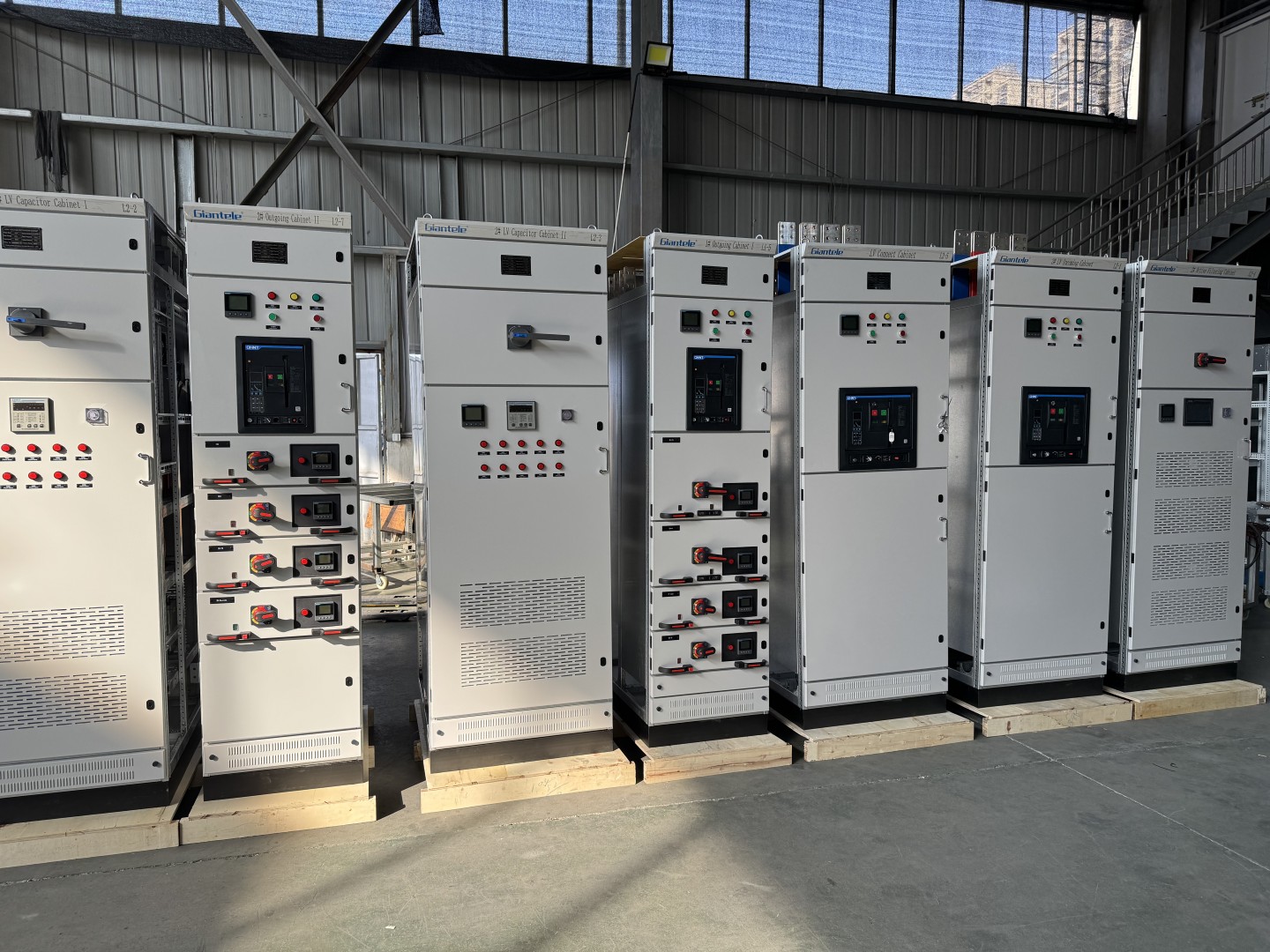
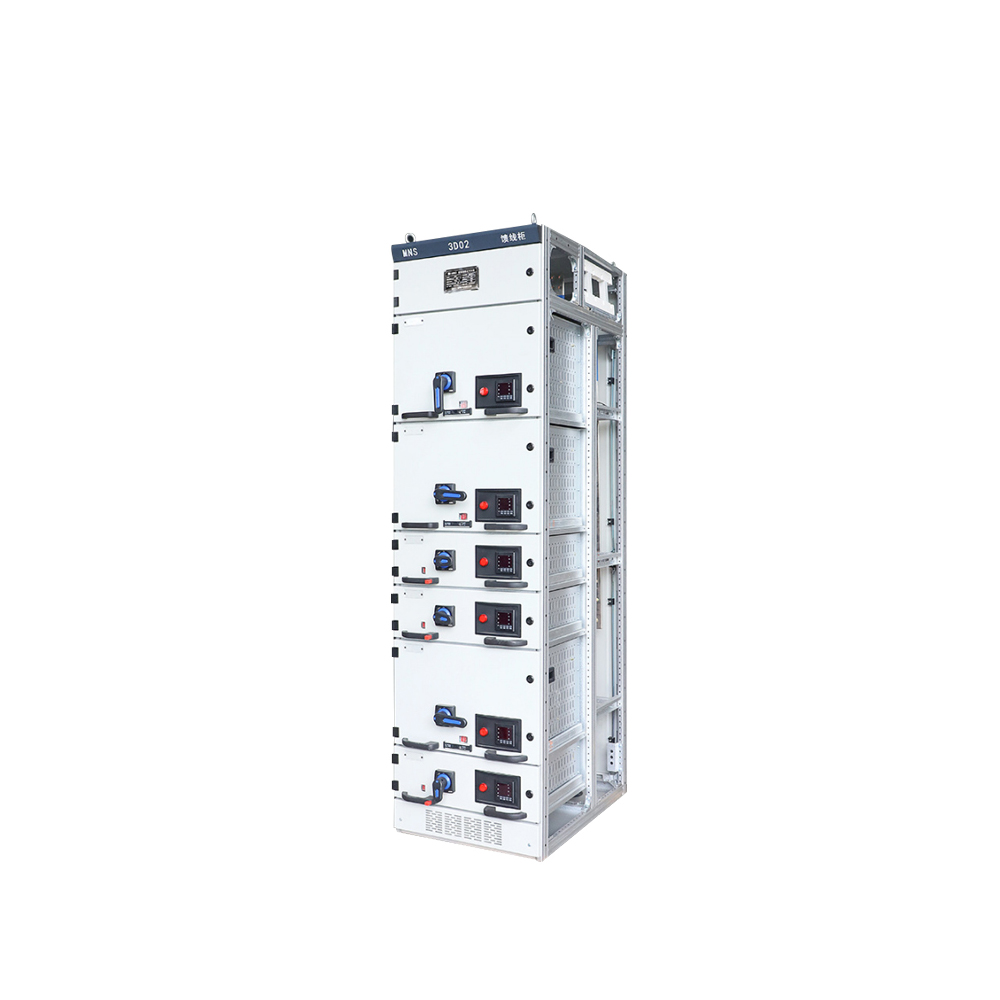
A motor control center for conveyor systems is not a single device. It is a coordinated assembly of systems for industrial automation, each with a specific job. Here is what goes into a reliable conveyor control panel:
- Incoming circuit breaker or disconnect switch — the first point of isolation for your entire MCC. Every technician must be able to lock this off with a padlock before working downstream.
- Motor circuit protectors (MCCBs) — protect each motor branch from short circuits. Giantele models carry CE certification under IEC 60947-2, tested and shipped with test reports.
- Contactors and overload relays — start and stop each conveyor motor, and trip before thermal damage reaches the winding. For conveyor duty, spec AC-3 rated contactors with at least 30% current headroom.
- PLC or smart relay — the brain of your industrial process control and automation system, executing logic, sequencing, and safety interlocks across the entire conveyor line.
- Variable frequency drives — handle speed control, soft starts, and energy savings on critical conveyor drives. A single VFD replaces a star-delta starter, overload relay, and panel-mounted speed potentiometer.
- HMI touchscreen — gives your operators real-time diagnostics, fault history, and motor runtime counters instead of a row of indicator lamps that tell you nothing useful.
VFD Integration: The Heart of Automation Systems for Industrial Lines
Variable frequency drives transform what a conveyor control panel control system can do. Without a VFD, every conveyor motor starts direct-on-line, pulling six times rated current and hammering belts, couplings, and gearboxes on every start. With a VFD, the motor ramps up smoothly over a programmed acceleration curve. This single change can extend belt life by years in high-cycle applications.
VFDs also let you match conveyor speed to production demand. A packaging line in a South African factory may need 90% speed during peak shift and 50% at night. A fixed-speed motor cannot do that. A VFD-based automation system for industrial lines runs at whatever speed you set from the HMI, and draws only the power needed at that speed.
| Starting Method | Starting Current | Speed Control | Belt Life Impact | Energy Saving |
|---|---|---|---|---|
| Direct-on-line | 6× rated | None | High wear on every start | None |
| Star-delta | 2-3× rated | 2 fixed speeds | Moderate wear | Minimal |
| Soft starter | 2-3× rated | None | Reduced wear | None |
| VFD | 1.2× rated | 0-100% | Lowest wear | 20-40% |
For automation systems for industrial lines where conveyors run 16-24 hours per day, the VFD pays for itself in reduced belt replacements and lower electricity bills, often within 12-18 months — a pattern confirmed by IEA motor-system efficiency studies. See the VFD control panel guide for detailed sizing and specification advice.
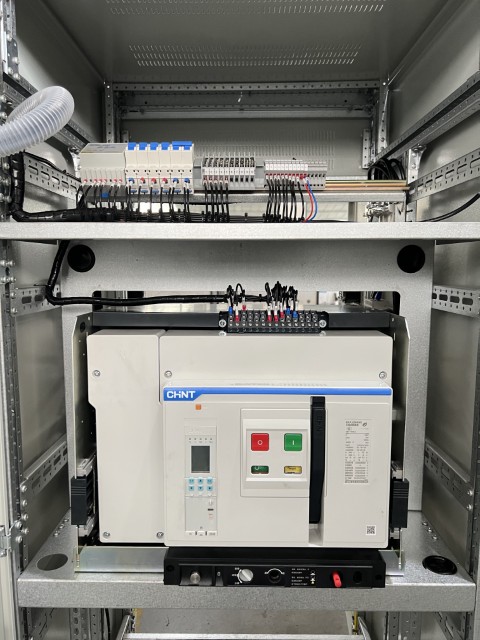
Three Layers Every Conveyor MCC Must Have
How Control Panel Control Strategies Prevent Conveyor Failures
Every conveyor project has its own risk profile. A lignite conveyor in a Turkish mine calls for different protection than a food-grade conveyor in a Brazilian processing plant. But three control panel control strategies protect both equally well.
Current Monitoring
The simplest and most effective guard. If a conveyor motor draws 10% more current than its baseline at full load, the control panel triggers an alarm. If it reaches 120%, it trips. This catches jammed rollers, seized bearings, and overloaded belts before the motor burns. No sensor installation needed. The motor protection relay does the work.
Phase Loss and Imbalance Detection
In Angola or Indonesia, grid stability is not guaranteed. A single-phase loss on a three-phase motor can kill the winding in under one minute. A good industrial automation and control system detects phase loss in under 200 milliseconds and shuts down cleanly. This alone justifies the cost of electronic motor protection over a basic thermal overload.
Thermal Imaging Integration
For high-value conveyor lines, thermal cameras mounted above key rollers feed temperature data into the PLC. When a bearing temperature rises 5 degrees above baseline, maintenance gets a notification. When it rises 15 degrees, the line stops automatically. Cement plants from Morocco to Vietnam already deploy this strategy on kiln feed conveyors where a bearing fire costs six figures.
Read more about how an industrial control panel integrates these protection layers across different conveyor types and environments.
Power Distribution and Backup for Systems for Industrial Automation
A conveyor control panel panel is only as reliable as the power feeding it. For industrial machine automation that runs 16 to 24 hours per day — the kind of continuous operation IRENA tracks across industrial sectors — two power decisions matter most.
Busbar Design
Your MCC busbar must carry the full load of every motor starting simultaneously, with a safety margin. Giantele MCC busbars follow IEC 61439 for temperature rise limits, ensuring the copper stays below 70K rise at rated current. This prevents hot spots that degrade insulation over years. Hot spots that no thermal camera sees because they develop inside the busbar chamber.
Automatic Transfer Switching
If your conveyor system stops because of a grid outage, every hour costs real money — World Bank data shows power interruptions cut industrial output by 5-15% annually in developing markets. An automatic transfer switch (ATS) panel switches from grid to generator power in under 10 seconds, then back when the grid returns. You do not need a technician on site for the changeover.
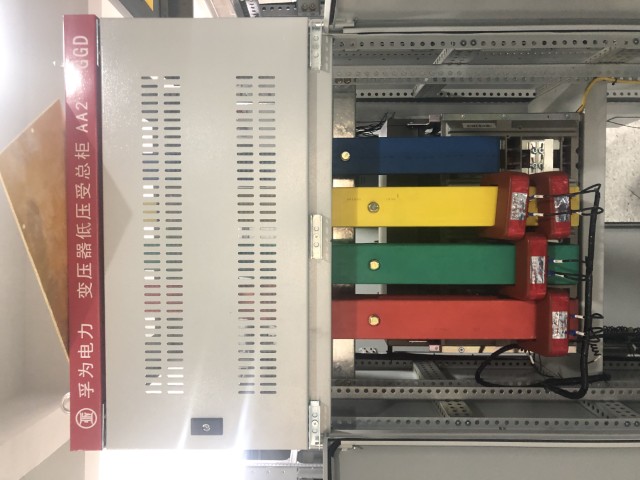
For longer conveyor systems spanning hundreds of meters, local power distribution board units at each zone reduce cable runs and voltage drop. The centralized MCC sends command signals over industrial Ethernet. Local distribution panels handle the power switching.
Centralized Control, Distributed Power
For sites with conveyors spread across multiple buildings or zones, a single large MCC in the electrical room creates long, expensive cable runs. The smarter play: one centralized PLC/HMI system communicating with distributed distribution box panels at each conveyor zone.
This approach cuts copper cost, simplifies fault finding, and means a local distribution panel trip does not shut down conveyors in a different building.
Designing Automation Systems for Industrial Machine Automation in Harsh Environments
A control panel and motor control center that works in a climate-controlled factory will not survive on a dusty conveyor gallery in Ghana or a humid processing line in Malaysia. Three design choices separate panels that last from panels that die young.
IP Rating
For indoor conveyor control in a clean factory, IP41 is enough. But barely. For outdoor or dusty conveyor enclosures, common in cement plants, mines, and quarries, you need at least IP54 with gasketed doors and cable entry glands. For washdown areas in food processing and bottling plants, IP65 with a stainless steel enclosure costs more but outlasts painted steel by a decade.
Thermal Management
A sealed IP54 panel traps heat. If the ambient is 40°C and the panel dissipates 800W of heat from VFDs and contactors, an internal fan alone will not keep components below their rated temperature. You need either a filtered fan with calculated airflow or an air-to-air heat exchanger. Giantele designs thermal management into every panel based on the actual heat dissipation of installed components, not on a generic rule of thumb.
Anti-Condensation
In tropical climates, the biggest killer of industrial automation and control systems is not dust. It is moisture condensing inside the enclosure at night when the panel cools and humid air enters through cable glands. A 100W anti-condensation heater controlled by a hygrostat costs less than 50 USD and prevents corrosion across the entire panel life. For the cost of a single night's downtime, you buy corrosion protection for 15 years.
Read about the common MCC panel problems that environmental factors cause, and how to catch them during routine inspections before they stop your conveyor line.
Get the Withdrawable Switchgear Spec Sheet (PDF)
Full IEC 61439-compliant technical data, dimensional drawings, and ratings up to 6300A — ready to drop into your tender package.
Frequently Asked Questions
What is an automated motor control panel for conveyor systems?
Can I retrofit automation to an existing conveyor control panel?
Which MCC components wear out fastest on conveyor lines?
How do VFDs reduce conveyor energy consumption?
What IP rating does a control panel and motor control center need for mining conveyors?
Is it better to source the MCC and VFD from one supplier?
What are the most common automation system failures on conveyor lines?
Final Thoughts
A well-designed automated motor control panel does more than start and stop motors. It protects your conveyor investment, cuts energy costs, and keeps production moving, whether you are mining copper in Zambia, processing grain in Kenya, or packaging goods in Vietnam. Contact Giantele for a technical proposal tailored to your conveyor system and site conditions.
Get a Custom MCC Proposal for Your Conveyor System
Send us your conveyor specifications and single-line diagram. Our engineers return a verified panel design and budget price within 12 working hours.