
A reputable distributor of industrial electrical panels is not the same as a company that forwards your enquiry. The difference shows up in stock, in spares and in what arrives on site.
This guide covers how to tell the two apart and what to fix in writing. It also covers where the vocabulary of an mcc electrical system starts to matter.
Key Takeaways
- Stock is the test. Ask what the distributor holds today, not what it can order for you.
- A trader adds a margin. A distributor adds bonded stock, spares cover and a warranty channel.
- Agree the words first. Most disputes about a control panel lineup start with vocabulary, not with hardware.
- Spares set the real price. A part in two days beats the same part cheaper and a three week wait.
- Fix four lines in writing. Scope, delivery, spares and documents belong in the first order.
What a distributor of industrial electrical panels actually adds
A distributor holds stock, carries the commercial risk on it, and takes the first call when something fails. That is the whole proposition, and everything else is packaging.
You are buying three things. A bonded stock position, a local spares buffer, and a warranty channel that answers the phone. A power control panel manufacturer sells you a build. A distributor sells you availability.
Where supply chains are long, availability is worth more than a discount. A textile plant in Vietnam that waits three weeks for a contactor loses more output than the part ever cost.
So judge a distributor on what it can hand over today. A panel mcc buyer cares about the parts on the shelf, not the brand list in a brochure.
Stock, buffer or build to order: the three ways a distributor serves you
Every distributor sits in one of three modes. The mode decides your lead time, your price and your spares policy.
| Mode | What it holds | Lead time you get | Best for |
|---|---|---|---|
| Stocked | Bonded stock in its own warehouse | Days | Standard breakers, contactors, relays |
| Buffered | A small buffer against a project schedule | Weeks | A known project with a fixed start date |
| Build to order | Nothing, sourced against your order | A full manufacturing lead | Custom assemblies and one off ratings |
Ask which mode your enquiry lands in. Watch for one common failure. A distributor may show a stocked catalogue while quietly quoting build to order pricing.

A stock list beats a catalogue
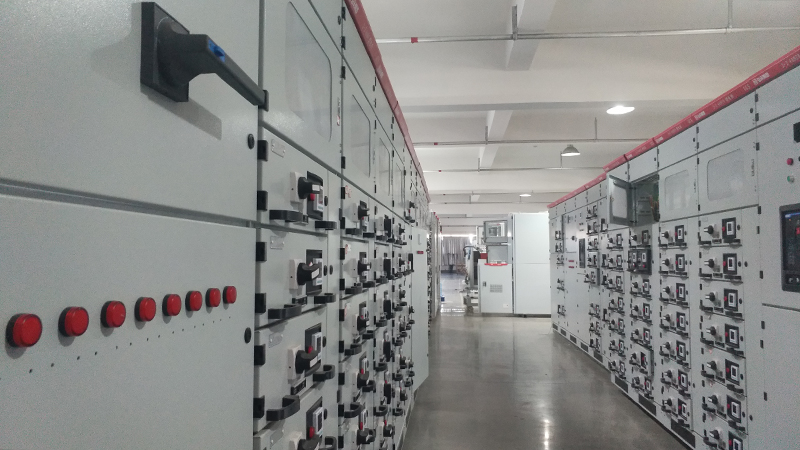
The breaker row above is what a distributor can hand over today.
A catalogue lists what it could order instead.
Why a distributor's panel stock list beats a catalogue
Ask for the stock list as a document, with quantities and locations. A catalogue tells you what exists in the world. A stock list tells you what exists in your city.
Two questions expose the difference. How many of this breaker are on your shelf right now, and which warehouse holds them.
Treat a vague answer as a signal. Distributors that hold stock know their figures to the unit, because stock is their balance sheet.
Good electrical control panels suppliers publish the same discipline in their brochures. Ask for the version with numbers on it.
How to tell a distributor from a trader
A trader forwards your enquiry and adds a margin. A distributor carries the part, the paperwork and the liability.
Four checks settle it. Ask for a physical address, a stock report and a spares commitment. Then ask who handles a warranty claim.
Now look at what arrives. Real industrial electrical control panels come with packing lists and test records. Every device carries a traceable part number.
How electrical control panel fabrication is priced through a distributor
When a distributor supplies a built assembly, the price carries two margins. The fabricator's margin sits inside the build. The distributor's sits on top.
Ask for the split. A distributor that shows fabrication cost and its own margin separately is confident in both.
This is where buyers usually overspend. An electrical control panel manufacturers list price for a standard enclosure is not the fabricated price for your schedule.
The same logic applies to the small power circuits that share the switch room. A power db box bought locally at a fair margin beats a cheaper one stuck in customs.
The spares question that changes what you pay
Spares decide the true cost of a supply channel. A part in two days is worth more than the same part cheaper and a three week wait.
Ask three things. Which spare parts it holds for your assembly. How long those parts stay on the shelf. Who pays the freight on an urgent order.
A failed unit on a fixed assembly needs a shutdown. A withdrawable motor control center bucket swaps out in about fifteen minutes. That decides how many spares you should hold.
Where a distributor stops and the factory starts
A distributor's knowledge has a boundary. It will know ratings, stock and lead times. It will rarely design your protection scheme or calculate a fault level.
Keep that boundary clear in the enquiry. Send design questions to the assembly builder and delivery questions to the distributor.
It matters most on an electrical mcc retrofit, where the existing drawings rarely match what is installed. Send photographs and a site survey, not just a nameplate rating.

The assembly belongs to the builder
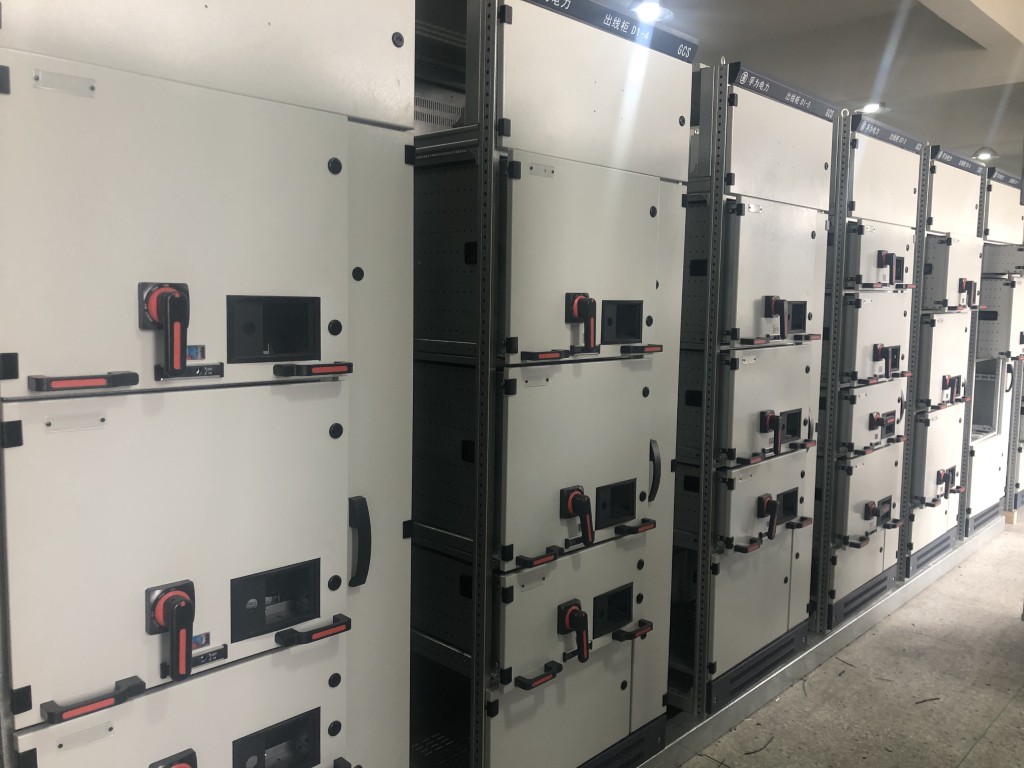
A lineup like the one above is engineered, not picked off a shelf.
Keep the design decisions with the party that holds the drawings.
Above roughly 1 kV you are outside the low voltage world. A fixed type switchgear supplier is the right partner there. The fault level calculation becomes the whole design, as IEC 61439 sets out.
What the channel must hand over with the goods
Ask what arrives with the shipment before you ask for a price. The paperwork decides how maintainable the assembly is three years later.
A distributor that cannot list those documents has not thought about your maintenance team. That gap costs more than any single line on the quotation.

Four documents that must travel with the order
A supply chain that works to ISO 9001 procedures will produce that pack without being chased. If you have to ask three times, the process is not really there.
Getting the terminology right in the enquiry
Words cause more disputes than prices do. Fix four terms in the enquiry and the offers will finally line up.
Start with the assembly itself. Buyers write mcc in electrical work, mcc electrical or the mcc definition electrical textbooks carry. All three describe one assembly.
Then settle what does mcc stand for in electrical drawings, because you will read it on the schedule. Agree one abbreviation and keep it.
Do this before the enquiry goes out. A distributor that receives one consistent vocabulary quotes faster and argues less.
Frequently asked questions
What is the difference between a distributor and a trader?
How do I check that a distributor really holds stock?
Should I buy a fabricated assembly through a distributor?
What spare parts should I keep on site?
Why does the same breaker cost more from a distributor?
Can a distributor help with electrical control panel fabrication?
What documents should arrive with the goods?
Does a distributor handle warranty claims?
Final thoughts
The channel is part of the specification. A distributor that holds stock, keeps spares and answers a warranty call is worth a margin. A trader is not.
Global spending on electrical infrastructure keeps rising. The IEA tracks how much of it lands in grids that were not built for the load. That pressure reaches your spares shelf eventually.
Send your equipment list and the site conditions. Giantele engineers or their local partners will come back with a stock position, a spares list and a written proposal.
Need a supply channel that can show its stock position?
Send the equipment list, the site conditions and the spares you expect to hold. Giantele engineers return a stock position, a marked single line diagram and a written technical proposal for each section.