Project management on an mcc electrical installation rarely fails on craft. It fails on a date nobody owned. This article sets out what a project manager freezes, and which three dates hold a programme together. It also names who signs the energisation.
A complex job is not a bigger simple job. The boards are the easy part. The hard part is the number of people who must agree on one date. Then there is the record that proves they did.
Key Takeaways
- Count interfaces, not boards. Complexity comes from the number of parties who must agree on a date.
- Three dates hold the programme. Drawing release, delivery with a ready room, and energisation.
- Freeze four items before release. Single line, feeder schedule, protection settings, cable entry.
- The register carries names. A company is not an owner and cannot answer a question at 2 am.
- Energisation is a gate. Without signed test sheets and a named person, it is only a wish.
Complexity is an interface count, not a panel count
Count the interfaces, not the boards. Incoming supply, busbar, control wiring, cable entry, floor loading, contract boundary and time are seven separate agreements. A job with thirty sections in one room and one installer has seven interfaces. A job with ten boards across four buildings may have forty.
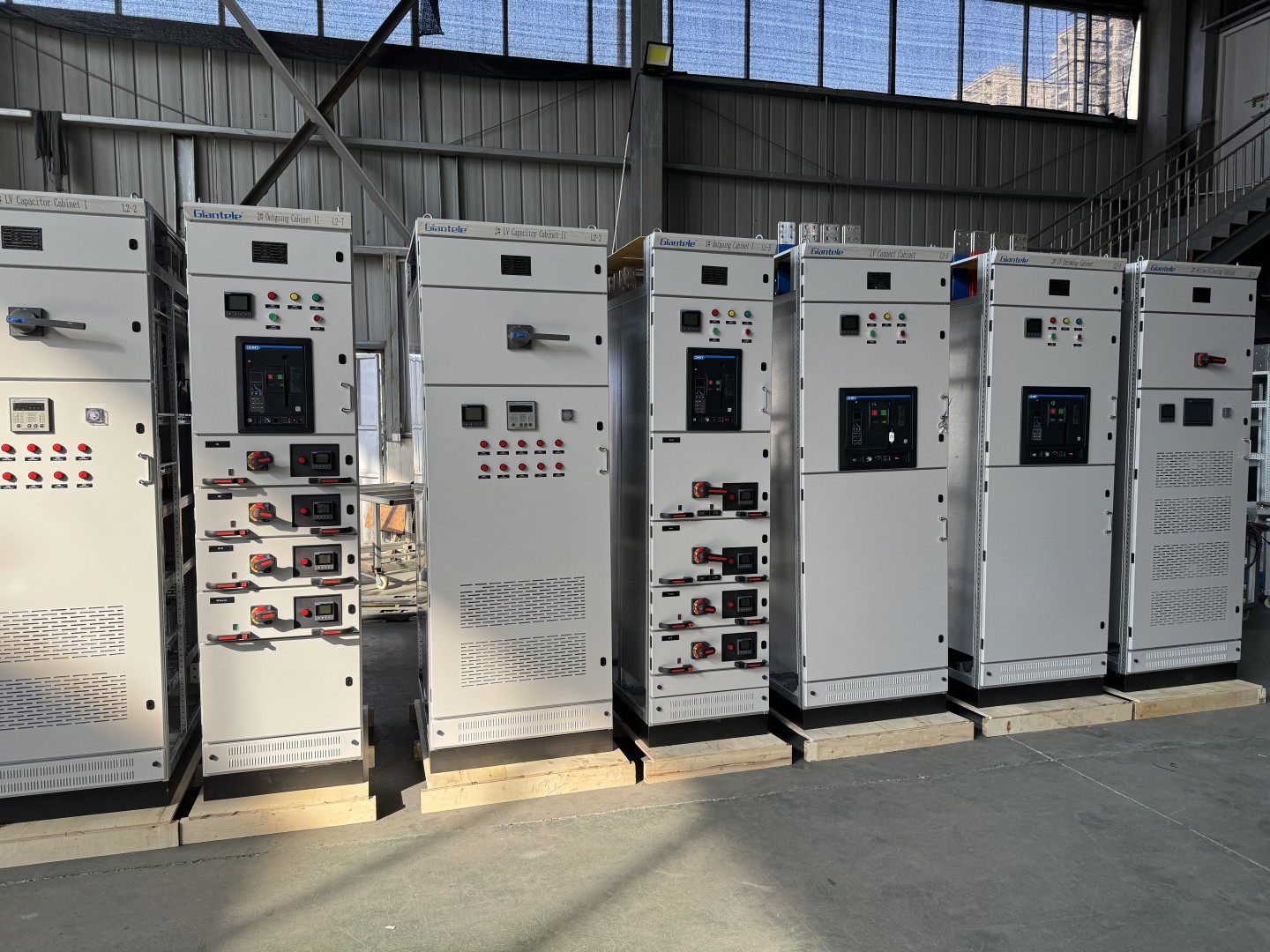
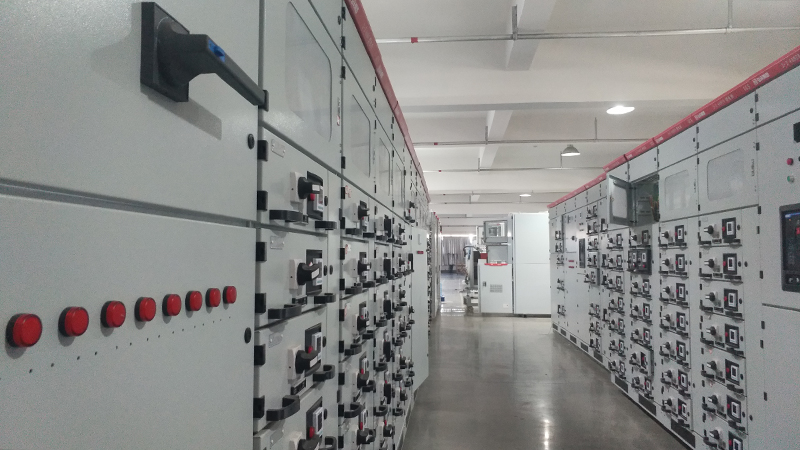
That is the first surprise on a site visit. A single room holding thirty sections of industrial electrical panels is one contract with one installer. Ten boards in four buildings, with three trades, a live plant and a utility date, is a different animal.
Each interface you cannot name is an assumption someone is already making. Write the seven down. The ones you cannot fill in are the ones that will move.
Counting boards is the wrong test. Count the people who must agree on a date. That number decides whether you need a project manager at all.
The three dates that decide the programme
Three dates hold a programme together. The date the drawing is released for construction. The date the boards arrive and the room can receive them. The date the system is energised. Everything else floats between those three, and none of it is recoverable once they slip.
Work backwards, not forwards. Cable pulling and termination sit after delivery. Factory fabrication sits before delivery. Neither can be compressed by adding people, because both are bounded by a physical window.
Fabrication typically runs six to ten weeks from a released drawing. Medium voltage assemblies run longer. A week lost at release is therefore a week lost at energisation, not a week lost somewhere in the middle.
On a copper or nickel site, the crusher drivetrain sets the window. A shutdown is booked months ahead, so the boards must arrive and pass their tests before it opens. Delivery slips. The window does not.
Do not sign a programme that starts on the purchase order date. That is the date you asked. It is not the date anything can start.
A motor control center installation is the part most often dated optimistically. The boards are ordered early and the room is finished late.
 Room handed over
The room is part of the delivery
Boards that arrive before the room is dry wait in a corridor. That wait costs more than the crane.
A finished switch room is a milestone in its own right, with a named owner.
What gets frozen before the boards are released
Four things must be frozen. The single line diagram. The feeder schedule with sizes and duty. The protection settings. The cable entry side and the cable size for each feeder. Nothing else needs to be perfect at release.
After release, an added feeder stops being a line on a drawing. It becomes a section, a busbar change and a repeat test. That is why the cost of a late change never matches the size of the change.
electrical panel fabrication starts on a released drawing, never on a description. Custom industrial control panels freeze later than catalogue assemblies, which is exactly why that signature matters.
Electrical control panel manufacturers will read the same single line differently. Cable entry, spare ways, form of separation and test regime are the usual assumptions. Make those assumptions identical before you compare two prices.
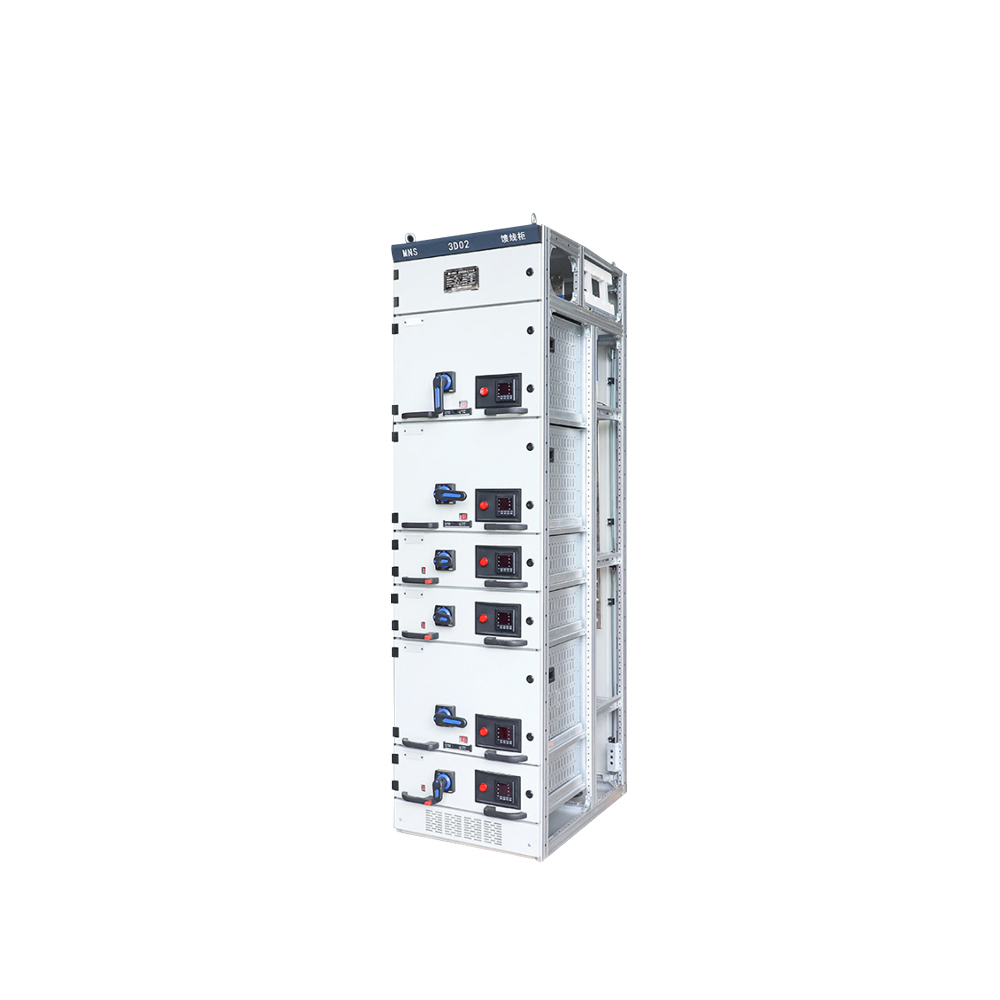
The assembly itself is fixed by IEC 61439. Once the design is verified against it, a late feeder change usually means re-verifying the section it lands in.
 Released drawing
The drawing travels with the board
The released drawing is checked against the wiring at every stage. When it is taped inside the door, nobody can claim the wrong revision.
Offcuts and packing stay on the snag list, not in the price.
The interface register is the only artefact that matters
An interface register lists every boundary between two parties and names one person for each. It also states the date that boundary holds. The whole thing fits on one page. If it needs two, the job has more boundaries than anyone has counted.
Every row carries a person, not a company. The contractor is nobody's name. Owners are people, and people get woken at night.
| Boundary | Owner | Date it holds | What you need on file |
|---|---|---|---|
| Incoming supply | Utility or plant electrical | Energisation window | Capacity letter and fault level |
| Room and floor | Civil contractor | Before delivery | Dry room, level floor, plinth, cable trench |
| Delivery and handling | Panel builder | Delivery minus two weeks | Packing list and crane slot |
| Cable pulling | Installation contractor | Between delivery and test | Termination schedule and ferrule list |
| Protection settings | Protection engineer | Before energisation | Calculated values, loaded and recorded |
| Test records | Commissioning lead | Energisation date | Insulation and function test sheets |
| As-built set | Builder and project manager | Handover | Revised drawings and spares list |
An industrial panel OEM builds to your drawing and stops at the terminals. Everything downstream of those terminals belongs to a different row of the register.
Two rows are usually empty on the first draft. The protection settings file and the as-built set. Both are needed after the money has been paid.
Energisation is a gate, not a milestone
A milestone is a date you pass. A gate is a set of conditions you cannot pass without. Four conditions decide energisation. Signed test sheets, loaded and recorded settings, an agreed switching procedure, and a named person to close the incomer.
On a drawing, the mcc electrical meaning is only a definition. On site it is a live network the moment the incomer closes. Fault level, discrimination and earthing stop being lines and become properties.
Two records get confused constantly. Insulation resistance proves the insulation is sound. A primary or secondary injection test proves the protection operates at the setting you wrote down.
Most sites produce the first record only. That gap is what a project manager is paid to close, and it closes before the date. Never after.

What the gate needs on paper
On intelligent motor control centers the settings live in the device, not on the paper. Export them before energisation, because the file on a laptop leaves with the engineer.
What a project manager should not be doing
If the project manager is chasing a delivery or marking up a drawing, nobody is holding the dates. Sweeping the room is a task with an owner too. None of these belong on the manager's list.
Electrical panel builders manage their own factory load. Your project manager manages the site. An electrical panel builder who also runs your programme is answering to two schedules at once.
An industrial control cabinet that arrives two weeks early creates a storage problem. Somebody has to check the packing list against the feeder schedule at the gate, before the truck leaves.
Split the roles out loud. The builder builds, the installer installs, and the project manager holds the sequence and the record. One person can do all three on a small job. On a complex one, that is how the record disappears.
Industrial control panels are the bulk of the delivery and the smallest part of the risk. The risk sits in the connections between them.
The mandate: five lines and one figure
Five lines belong in the mandate. A figure the project manager can approve alone. One reporting artefact and its cadence. A change mechanism priced against the frozen baseline. An escalation path with a time limit. The handover list.
Authority without a number is decoration. Give a figure. Above it, name a person who must answer within 48 hours.
Report on exceptions, not on activity. A weekly list of what moved against the three dates gets read. A forty-page progress pack gets filed.
Ask for a certificate and a factory test record as well. ISO 9001 does not prove a programme will hold, but it does prove a change process exists.
Reporting duties are tightening for large consumers, and they land inside the same programme. The IEA publishes the national statistics that plant reporting is now fitted to.
Frequently asked questions
What is the mcc electrical meaning on a project drawing?
Do we need a project manager if the panel builder supplies installation?
How many boards before a project needs a project manager?
Who signs off energisation?
How are project management services priced?
Can one project manager cover two buildings or two phases?
Final thoughts
The boards are the easy purchase. The dates are the product. Freeze four items, name one person per boundary, and refuse to energise without the gate conditions met.
Bring the single line and the feeder schedule. Our engineers will mark which sections can still absorb a change and which are already fixed.
Check the board side before you release
Send the single line, the feeder schedule and the energisation date. We will tell you which four items are still open and what each one costs to move.
Contact Giantele