
Moving large electrical equipment is not ordinary freight. A complete lineup leaves the works as a rigid steel frame with a fragile geometry inside it.
Weight rarely decides the plan. Tilt, shock, damp and access at both ends decide whether control panels arrive fit to energise.
This guide covers what a specialist mover has to be told. It also covers how a motor control panel must be prepared before it is lifted.
Key Takeaways
- Declare limits, not distances. Tilt, shock and humidity numbers belong in the transport contract.
- Both ends are the hard part. Gate width, crane reach and floor loading decide more than the road.
- Indicators record, they do not protect. Bracing stops the damage, a tilt label only proves it happened.
- Damp is the quiet killer. Sea air and condensation reach terminals that no impact ever touched.
- The record settles the claim. Photographs and indicator readings at each handover end the argument.
What moves when an assembly leaves the factory
One assembly rarely travels as one piece. A long lineup is split into bolted sections, and the split is chosen at the drawing stage.
Four kinds of load travel together. The structural sections, the fitted devices, the loose parts and the paperwork.
Industrial control panels are normally tested complete and shipped complete. A long lineup is the exception, not the rule.
What stays fitted is a commercial choice. Relays and meters can travel installed or boxed separately for site fitting.
Ship them installed and you save hours on site. Box them and you remove a whole class of transport damage.
Loose parts decide the packing list. Keys, handles, fixing bolts and gland plates are small, cheap and easily lost.
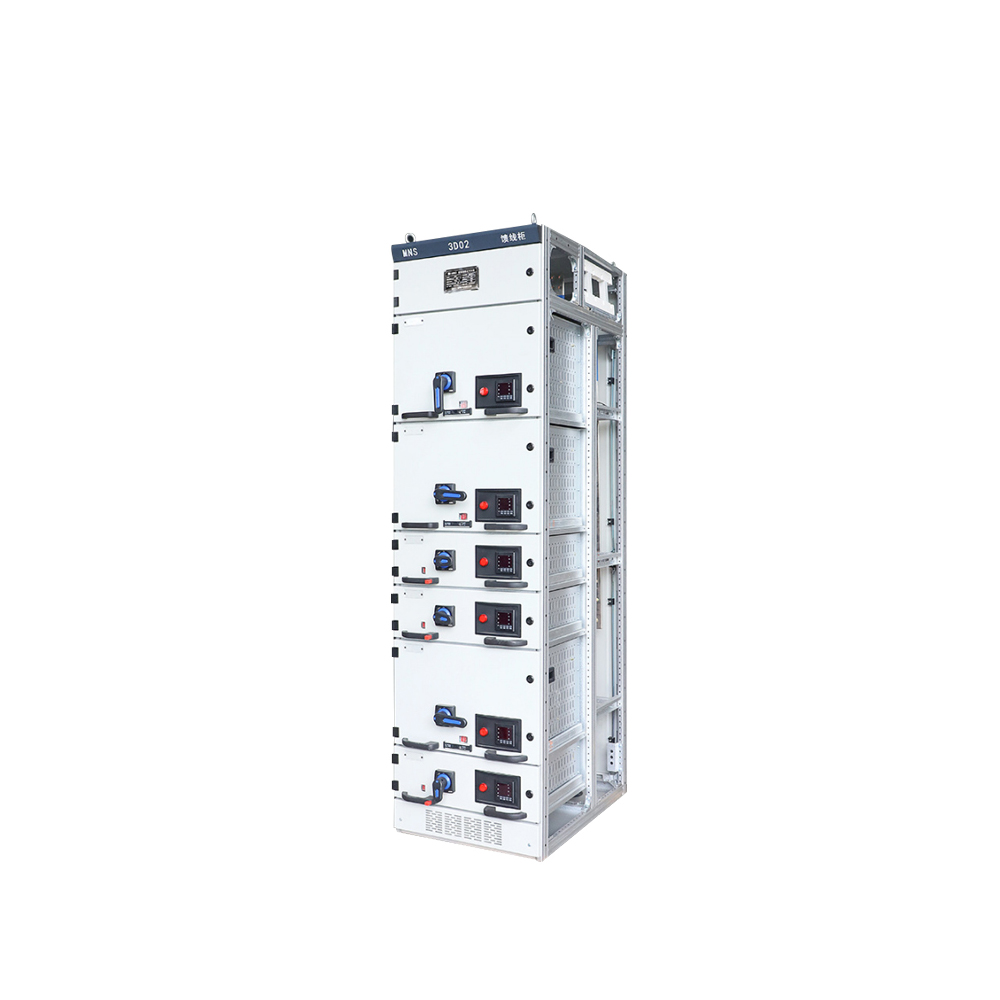
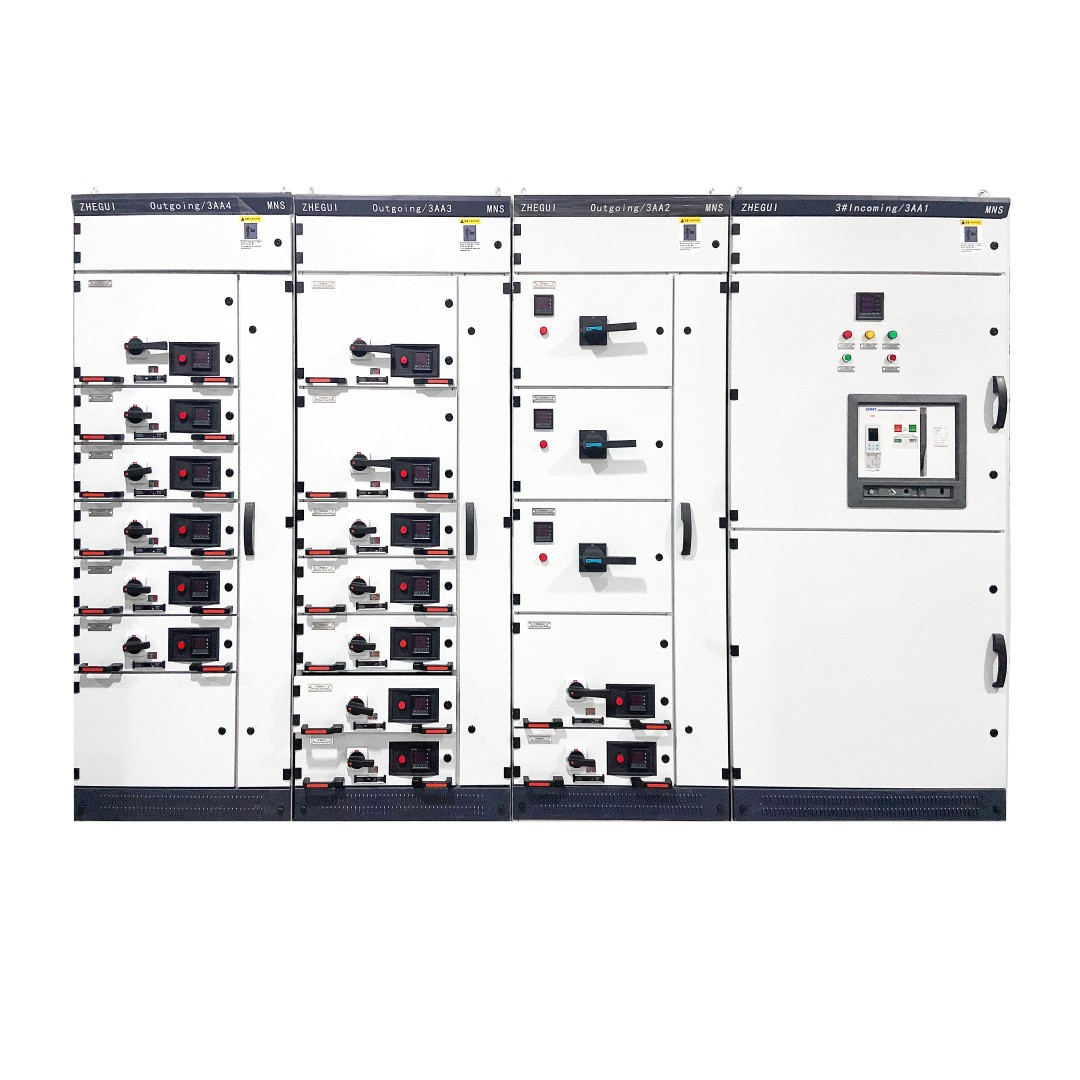
Most mcc panels are built as several sections for exactly this reason. Each section stays inside a normal crane rating.

A lineup travels as bolted sections
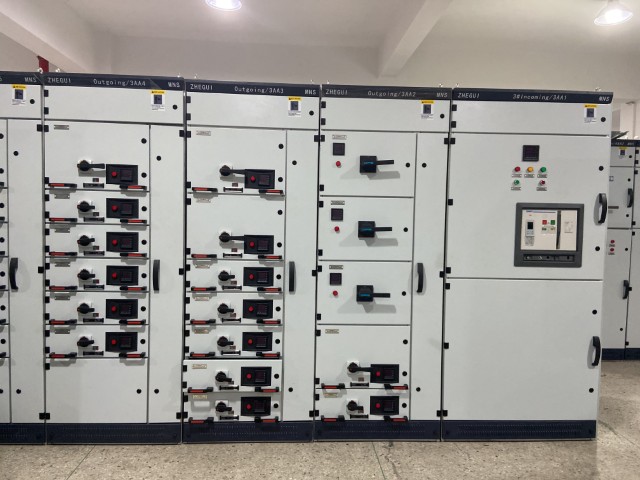
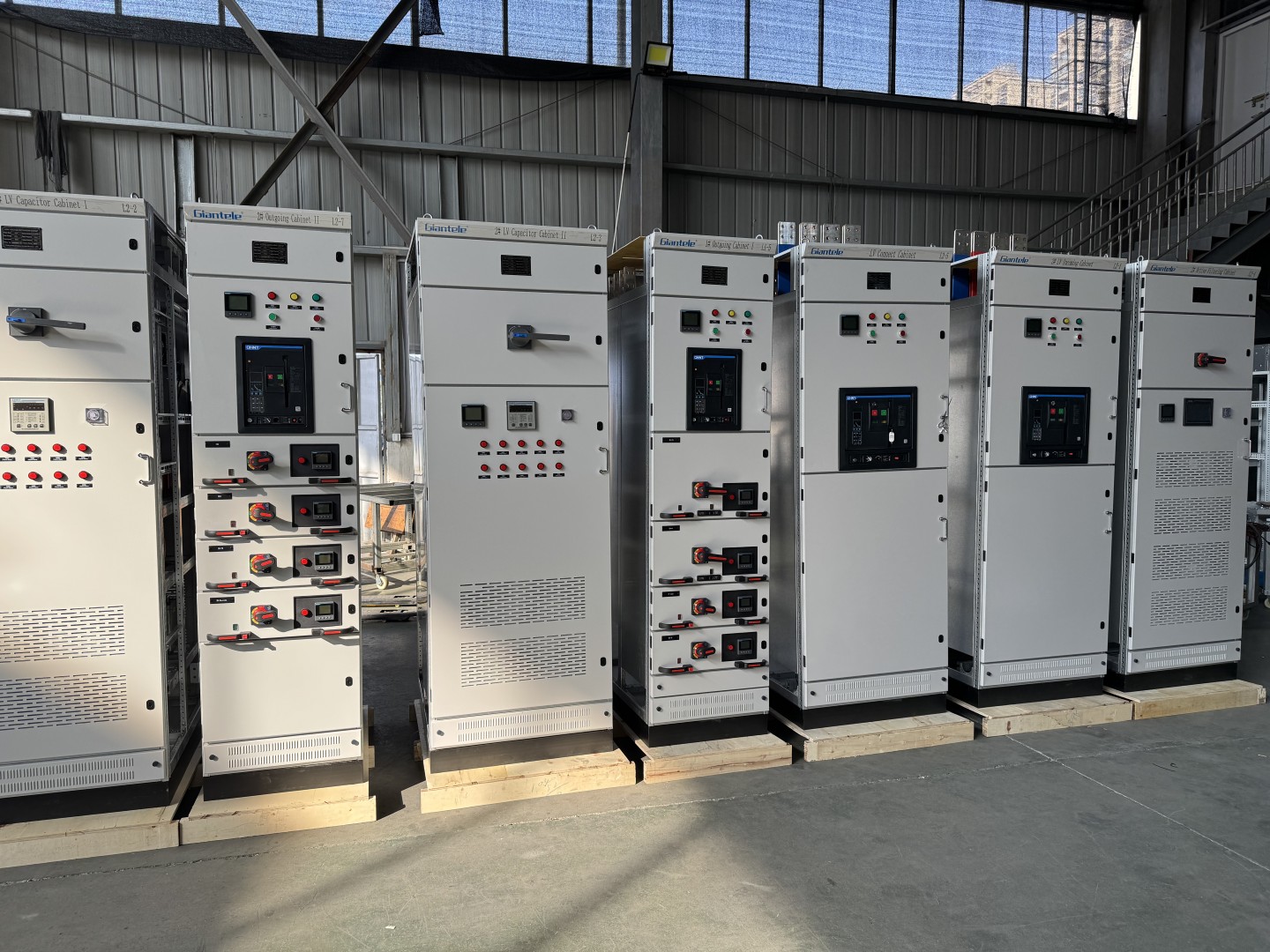
The cabinets above are built as separate vertical sections.
Each section is lifted, crated and shipped on its own pallet.
The two ends decide the transport plan
The road is usually the least difficult part of the journey. The loading bay and the switch room are where projects stall.
A section that is 2.2 metres wide will not pass a 2.0 metre door. Measure the door, then read the drawing.
Five measurements decide most deliveries. Gate width, doorway height, turning radius, crane reach and floor loading.
An industrial control cabinet can weigh more than the forklift rated for the yard. Ask for the floor loading figure in writing.
Then check the offload window. A crane booked for two hours and a convoy arriving late is a failed delivery.
Coastal and inland sites differ here. A port delivery may need a permit, while a mine site may need an escort and daylight only.
Tilt, shock and vibration limits you should declare
Every transport contract should carry three numbers. A maximum tilt angle, a shock limit and a vibration band.
For a complete assembly, a tilt limit around 15 degrees is a common starting point. Ask the builder before you sign it off.
Shock limits usually sit in the region of 1 to 2 g for a braced assembly. A cabinet full of relays is less tolerant than an empty one.
Vibration matters over long road legs. Continuous vibration loosens what a single impact would not move.
Recording devices are worth the small cost. A tilt indicator and a shock label cost little and prove what happened.
They record rather than protect. Bracing is what prevents damage, and the labels only tell you whether it worked.

Four things that move inside a cabinet
Humidity, salt and condensation on the way
Impact is easy to inspect. Damp is not, and it reaches further into a cabinet.
Three mechanisms cause most corrosion in transit. Sea air carrying chloride, warm days and cold nights, and a sealed crate trapping moisture.
So the packing plan has to name a method. Desiccant bags, vapour phase film or a sealed barrier bag.
Most industrial control panel enclosures leave with gaskets fitted and doors closed. That seal is not a shipping barrier.
A sealed cabinet with damp air inside will condense on the coldest metal. That is usually the busbar, not the wall.
Builders of industrial control panel enclosure manufacturers grade equipment for the room it will serve. Transit needs its own answer.
Then write the unwrapping rule into the site instructions. Keep the barrier on until the switch room is closed and dry.
The documents that must travel with the unit
A shipment is only complete when the paperwork on board matches the goods on board.
Five documents should travel with the unit rather than by email. The packing list, the nameplate record, the routine test report, the indicator readings and the loading photographs.
The routine test report is the one site teams ask for first. It states what was verified in the works before dispatch.
Every assembly leaves against a routine test recorded to IEC 61439. Send a copy inside the crate, not just as a file.
Put the nameplate record with it. Serial numbers and ratings have to be readable when the unit reaches site.
A firm working to ISO 9001 keeps its own dispatch checklist. Ask to see that checklist as part of the offer.
Industrial electrical control panels often sit in store for months before installation. Paper in a crate survives that wait better than an inbox.

The loading photographs start inside the panel
The busbar run above is photographed before the doors go on.
Those frames travel in the record with the routine test sheet.
When to ship assembled and when to ship in sections
Three shipping shapes cover nearly every order. Each one trades cost against risk in a different place.
Ship complete when the route allows it. That means one lift, one crate and the shortest site programme.
Ship in sections when access is tight. Site jointing takes longer, but no crane has to lift a whole lineup.
Ship loose only for parts that are genuinely easier to fit later. A bare VSD control panel is rarely one of them.
Interface panels decide the split. A SF6 ring main unit and an harmonic filter panel are both self contained, so both travel complete.
| Shape | When it wins | What it costs |
|---|---|---|
| Ship complete | Clear route at both ends | Heaviest lift and the widest load |
| Ship in sections | Tight doors or no heavy crane | Site jointing and a longer programme |
| Ship loose | Only for parts fitted late | More boxes to track on site |
The choice also changes the design. Control panel industrial automation work assumes certain parts arrive fitted, so agree the split early.
An 11kv switchgear lineup and a backup generator panel rarely ship the same way. Voltage and enclosure shape both change the answer.
The handover record that settles a damage claim
Damage claims are decided on evidence, not on argument. The record is built at three points on the route.
First on loading, with photographs of the packed unit and its indicator readings. Second at any transfer, where the crate changes vehicle or vessel.
Third at delivery, before unloading begins. Take the reading first, then break the seal, then photograph what you see.
Sign nothing until those steps are done. A clean delivery note signed at the gate is very hard to reopen later.
Keep the record with the unit. When the industrial panel is finally energised, that file is the maintenance history.
One final check on site. Compare the arrival reading with the declared limits in the order, and record any breach in writing.
Frequently asked questions
What should a transport service for electrical equipment include?
How do I set tilt and shock limits for a control panel?
Should the equipment be crated or shrink wrapped?
Who pays when equipment arrives damaged?
Can large assemblies travel on an open flat rack?
How long should I allow for delivery?
Should the unit be tested before it is shipped?
Can doors and relays be removed to save space?
What should be unloaded first at site?
Final thoughts
Transport is part of the specification. Write the limits, the packing and the record into the order, and most disputes never happen.
Measure both ends before you book anything. Then match the shipping shape to the access you actually have.
Grid investment keeps rising, and the IEA tracks how much of it lands in places with difficult access.
Send the route, the access measurements and the delivery term you can accept. Giantele engineers return a packing plan, a restraint list and the documents that will travel with each unit.
Need a packing plan that matches your route?
Send the route, the access measurements and the delivery term you can accept. Giantele engineers return a packing plan, a restraint list and the documents that will travel with each unit.