
An mcc panel reaches the end of its life long before the steel does. What leaves site is mostly steel and copper. The small parts decide the paperwork.
A disposal service is judged on three things. Where the material went, what it weighed, and what happened to the devices inside it.
Industrial control cabinets all share one structure. This guide covers how that structure comes apart without breaking the budget.
Key Takeaways
- Steel and copper are the easy part. The small devices carry the fees.
- Sort in the room, not at the yard. A mixed load is priced as mixed scrap.
- A certificate without a weight proves nothing. Ask for the weighbridge ticket.
- Disposal is not automatically the green answer. Refurbishment often beats it.
- The record is the deliverable. Keep it with the asset register.
What is left when a cabinet reaches the end of its life
A retired cabinet is not one object. It is a steel enclosure, a copper busbar run, aluminium supports, and a set of devices with their own rules.
You do not need to explain what is an mcc to plan a removal. You need the unit count and the real weights.
Every mcc cabinet starts as a welded frame and a set of doors. Everything else was bolted in later, and everything bolted in can come out.
The weights are worth estimating before the first quote arrives. One section of a small lighting panel comes in under fifty kilos. A full motor control center section can pass four hundred.
That range sets the handling method more than any other number. Two people with a trolley and a crane with a flatbed are different quotes.
Age alone is not the trigger. A cabinet that has been flooded or reworked three times is a bigger disposal risk than one that got old.
Design life is the first number worth looking up. An industrial motor control center is rated well past the service life it gets in a dusty plant.
A motor control center that ran for twenty years holds more than the drawing shows. Cable, dust and field additions all add weight and hazard.
The four material streams inside one control cabinet
Any mcc panel separates into four streams. Steel, copper, aluminium, and a mixed stream of plastics, wiring and electronics.
The proportions change with the duty. A crusher lineup in the Andes runs heavy on copper.
A small electrical motor control center for a pump station runs heavy on steel and light on everything else.
The mixed stream is where the hidden cost sits. Wire insulation, terminal shrouds, small power supplies and old meters cannot be sorted by hand at a profit.
So the mixed stream is priced for what it is. A yard will take it, but it will not pay much for the trouble.

Four streams come out of every cabinet
Taking the lineup apart in the room it stands in
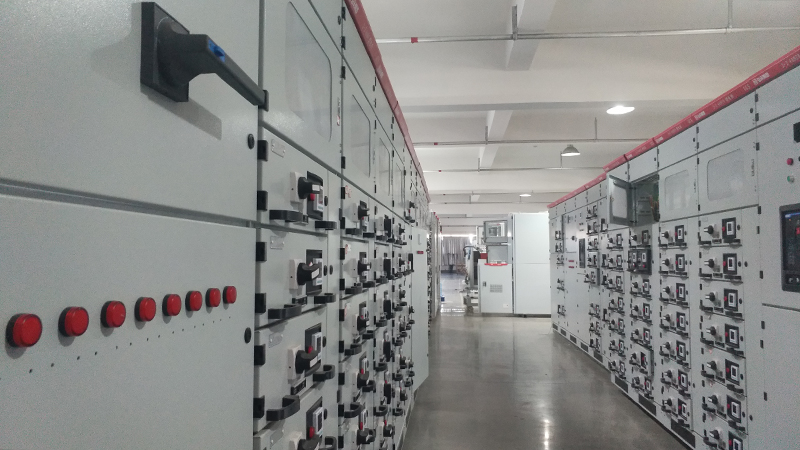
The mcc room decides the method. A basement room with one narrow door rules out anything needing a crane.
Isolate, lock off and prove dead before any cover is opened. That step is not optional and it is not quick.
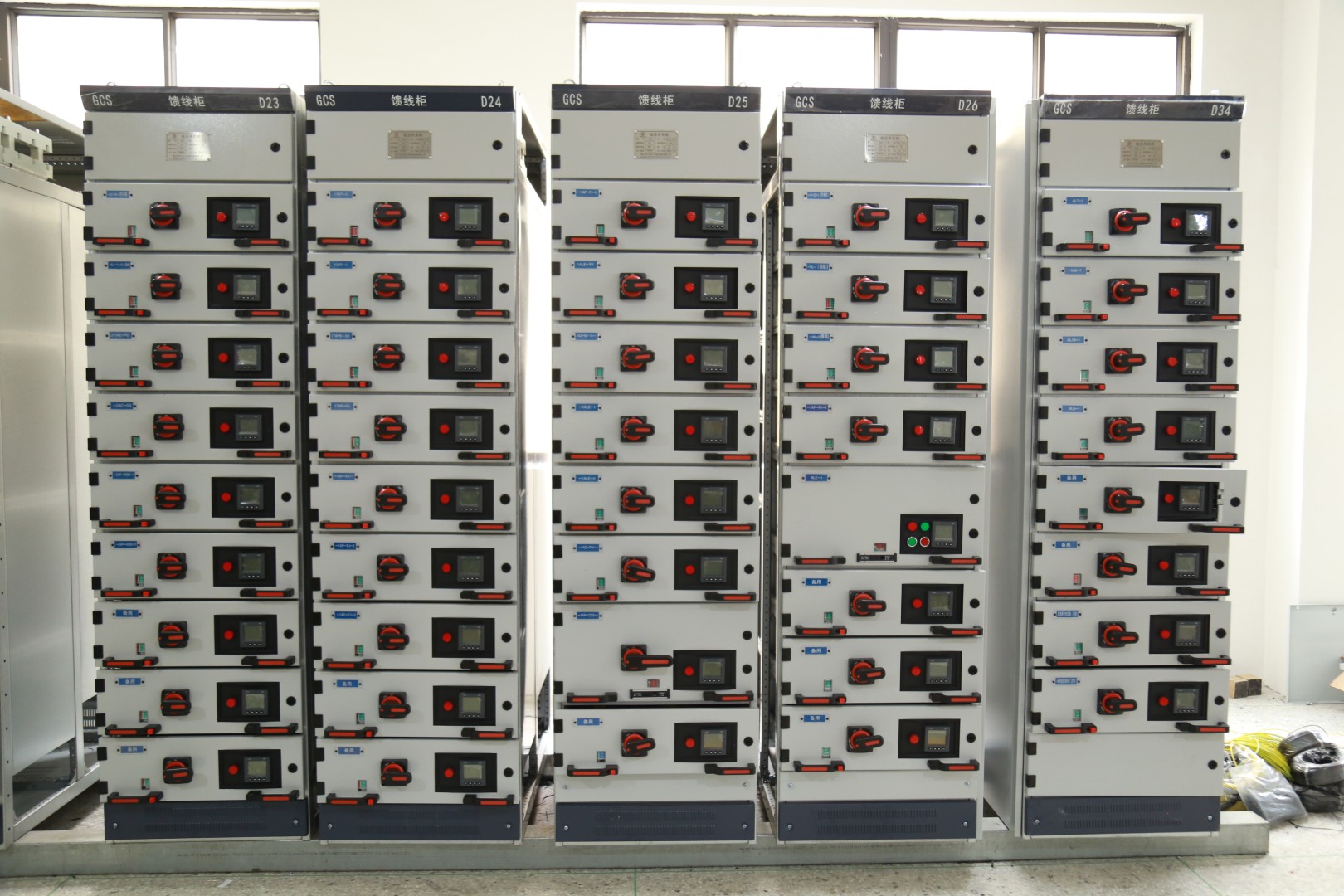
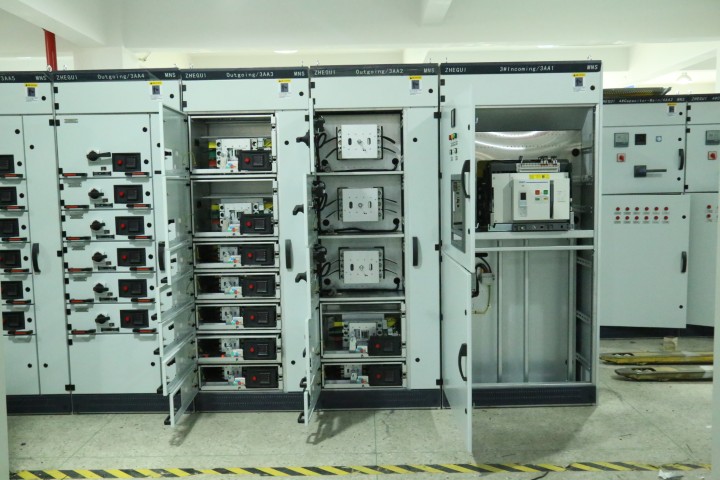
Pull the withdrawable units first. Each motor control center bucket comes out by hand once the bus is dead.
Cut the busbar at the joint, never mid span. A full length leaves the room as one liftable piece.
Dust is the hidden load. An electrical control cabinet in a nickel plant or a gold mine collects fines that no vacuum reaches.
Cutting gear brings its own permit. Hot work inside a live switch room needs a fire watch and a clearance that takes longer than the cut.
Cold cutting is slower and often wins. A reciprocating saw on a de-energised busbar makes no fume and no spark.

The busbar run is the heaviest single length
The busbar run above carries the most copper in the assembly.
Its breaker tails come off first, then the run leaves in one lift.
The parts with a disposal tail longer than the cabinet
Steel and copper end their story at a mill. The devices do not.
An mcc breaker weighs a few kilos and can carry a fee many times its scrap value.
Contactors, relays and meters hold small amounts of metals that yards will not take loose.
A vfd remote control panel carries its own problem. The drive holds a capacitor bank and a heat sink that need separate handling.
Some mcc bucket components are worth more reused than recycled. Keep the units whole while a sister line still runs them.
The mcc electrical drawing set says which of those parts exist. Without it you are counting from memory.
Old contactors and relays often carry silver alloy contacts. That is a small mass with a real value, so keep them with the devices.

A breaker is worth more whole than shredded
The breaker above is the part a yard will not take loose.
Its cables and its earth tail come off before it is bagged.
The documents that follow a retired cabinet
A disposal service sells you a record, not a skip. If the record is thin, the service is thin.
Five documents cover most of it. A collection note, a weight ticket, a consignment note per stream, a destruction certificate, and photographs.
The assembly was built to IEC 61439, so a nameplate and a routine test record should already exist. Those two identify what you are retiring.
Keep that file with the asset register. It is the first place an auditor will look.
A thin record is expensive later. Owners who cannot show where a load went end up paying for a survey to prove it was not buried.
| Document | What it proves | The line to check |
|---|---|---|
| Collection note | Who took the material and when | The site address and the date |
| Weight ticket | How many kilos left site | The weighbridge stamp |
| Consignment note | Which stream each load became | One note per stream, not per truck |
| Destruction certificate | The devices were processed | Device type and quantity, not a total |
| Photo record | Condition at handover | Rating plates, seals and serial numbers |
When refurbishment beats disposal
Disposal is not automatically the responsible choice. A lineup with ten good years left is greener left alone.
A motor control cabinet that ran hard for twenty years is one case. One that stood idle in a dry store is another.
The faults that end a lineup are usually cheap ones. A failed bucket or a burnt contactor is a repair, not a project.
Common electric motor control panel faults are often cheaper to fix than to replace.
Scale decides most of these calls. One obsolete bucket is a maintenance problem. A whole lineup built around a discontinued frame is a replacement.
Five facts that set the price of a removal
Send the same five things to every bidder and the quotes become comparable.
The unit count, the weights if you have them, the room access, the date window, and any known hazard.
Set the date window last. Access, not the calendar, is what usually moves a removal.
A photograph of the rating plate on every cabinet saves a site visit.
If removal turns into replacement, the new unit is a fresh specification.
Treat the MCC panel as a new build, not a like for like swap.
Frequently asked questions
Is an old mcc panel worth anything as scrap?
What has to be removed before the cabinet leaves site?
Can I reuse the buckets in a new lineup?
Who owns the waste once it leaves my gate?
How long should I keep the disposal records?
Does disposal always cost less than refurbishment?
What happens to the capacitors?
Can the whole lineup go in one load?
Final thoughts
Disposal is a materials problem with a paperwork finish. Sort the four streams in the room and photograph the plates.
Do that and the cabinet leaves site as a record you can defend for years.
Copper and aluminium demand keeps climbing, and the IEA tracks what that demand does to supply.
A firm working to ISO 9001 keeps a written removal procedure. Ask to see it with the quote.
Planning a cabinet removal?
Send the unit count, the room access and the date window. Giantele engineers return a removal sequence, a material estimate and the documents worth keeping.