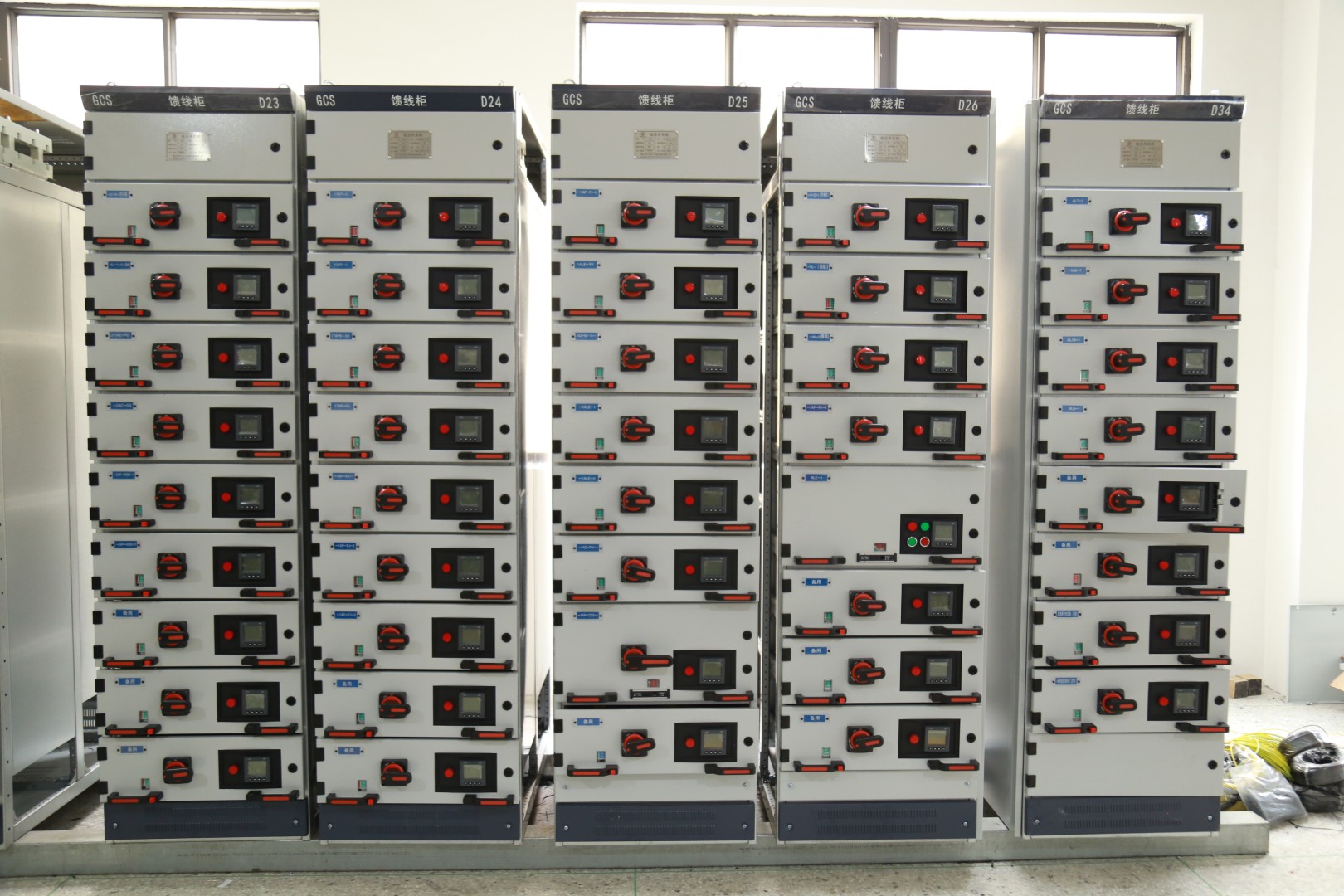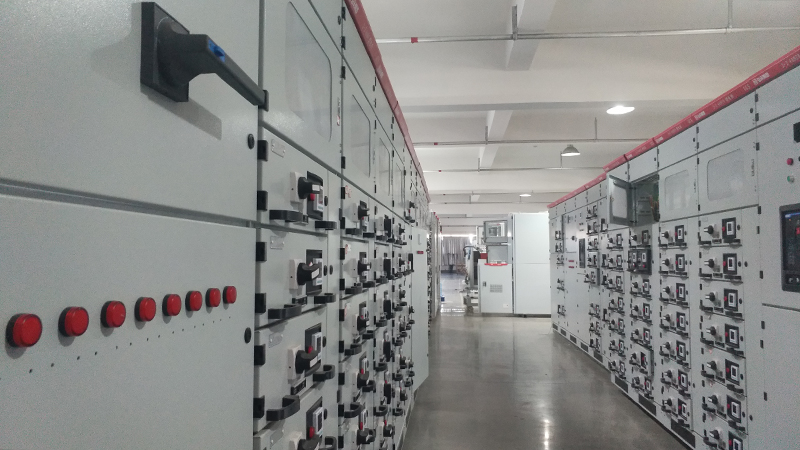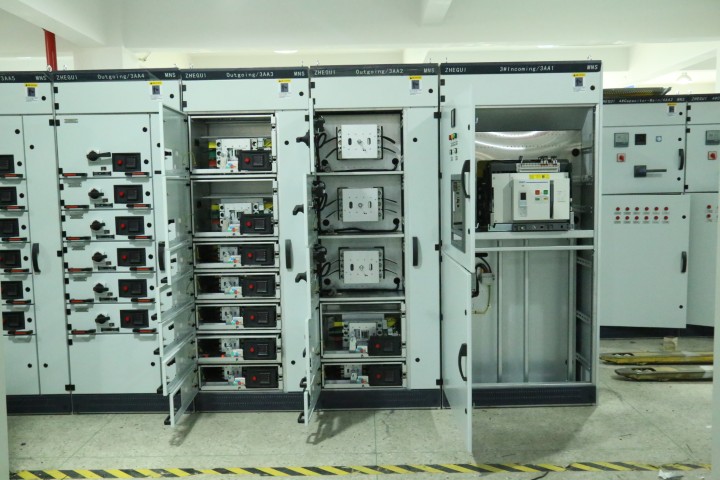
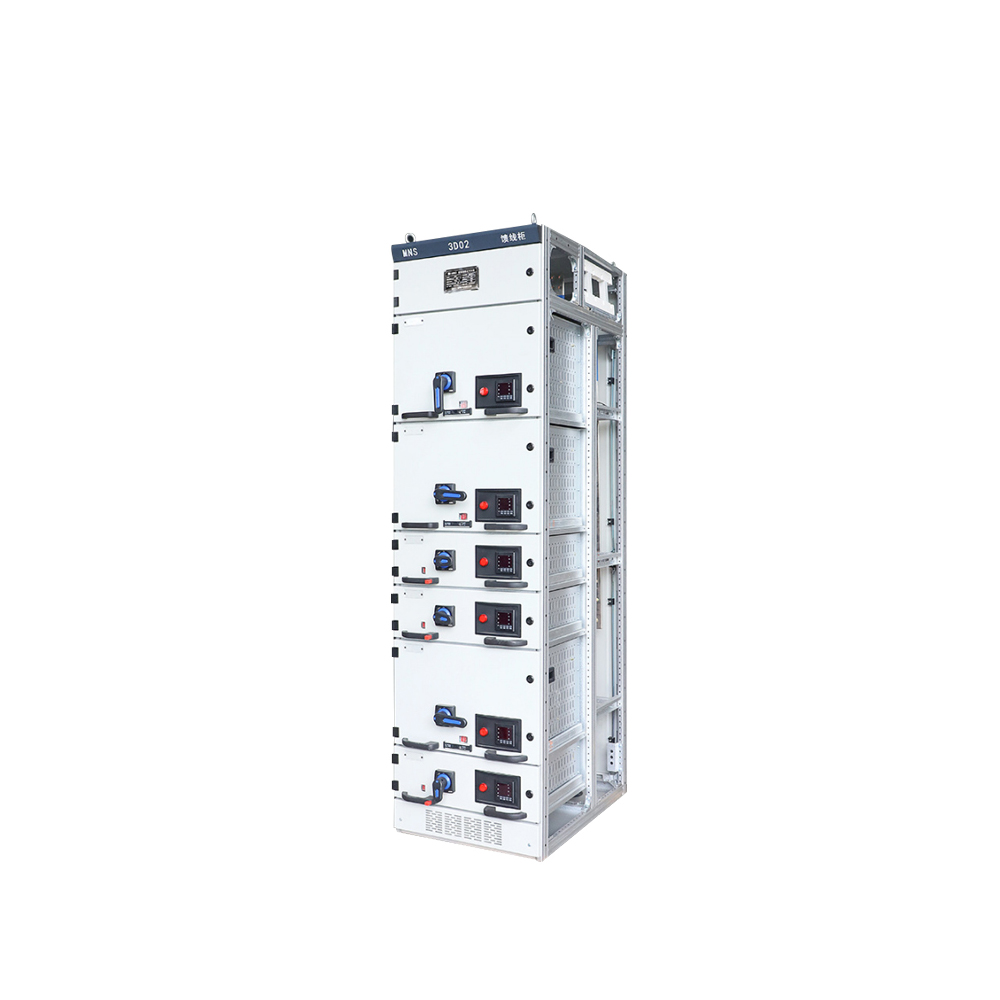
A food processing plant washes its floors with high-pressure water, steam, and caustic chemicals. The motor control panel that runs the line must survive that washdown, protect the motors, and keep the process hygienic. A standard industrial panel cannot do any of those three.
This guide covers what a motor control center for food processing needs: washdown-rated enclosures, food-grade pump panels, and control panel layout design that keeps water and contamination out. Every section below applies to real washdown lines in dairies, breweries, and packaged food plants.
Key Takeaways
- Washdown rating comes first: A food-plant panel needs IP66 or IP69K protection, not the IP54 that suits a normal factory.
- Stainless steel pays for itself: Powder-coated steel corrodes under daily caustic washdown; 304 stainless survives it.
- Pump panels are the workhorses: Grinder, sump, and duplex pump control panels handle wastewater and ingredient transfer around the clock.
- PLC design drives traceability: Batch data, CIP cycles, and alarm logs live in the PLC, so the panel is the plant's memory.
- Layout design is hygiene: Smooth surfaces, sloped tops, and sealed cable entries stop bacteria hiding spots.
Washdown Environment Engineering for Food Plants
The washdown environment decides everything about the panel. In a food plant, hoses spray water at pressure, steam condenses on surfaces, and cleaning agents attack metal. The panel enclosure must be engineered for this, not adapted to it. IRENA industrial energy analyses highlight the same corrosive conditions in food processing facilities globally.
Ingress protection is the first decision. IP54 keeps dust out but fails under a hose spray. IP66 resists powerful water jets, and IP69K withstands high-pressure hot water, which is the standard for washdown zones in dairies and breweries.
Specify the rating for the washdown zone the panel actually sits in. World Bank food industry assessments tie washdown-zone reliability directly to plant output stability.
Stainless steel, sloped tops, sealed entries
A washdown-rated enclosure is more than a bigger IP number. The top is sloped so water runs off instead of pooling. Cable entries are sealed with hygienic glands. Hinges and latches are stainless, and the door gasket is compression-sealed against steam.
- 304 stainless for washdown zones, 316 where caustic CIP chemicals are used
- Sloped roof and drip channels so water never pools on top
- Sealed cable glands with no open knockouts for bacteria to enter
- Door stays shut under spray with a gasket that survives daily steam cleaning
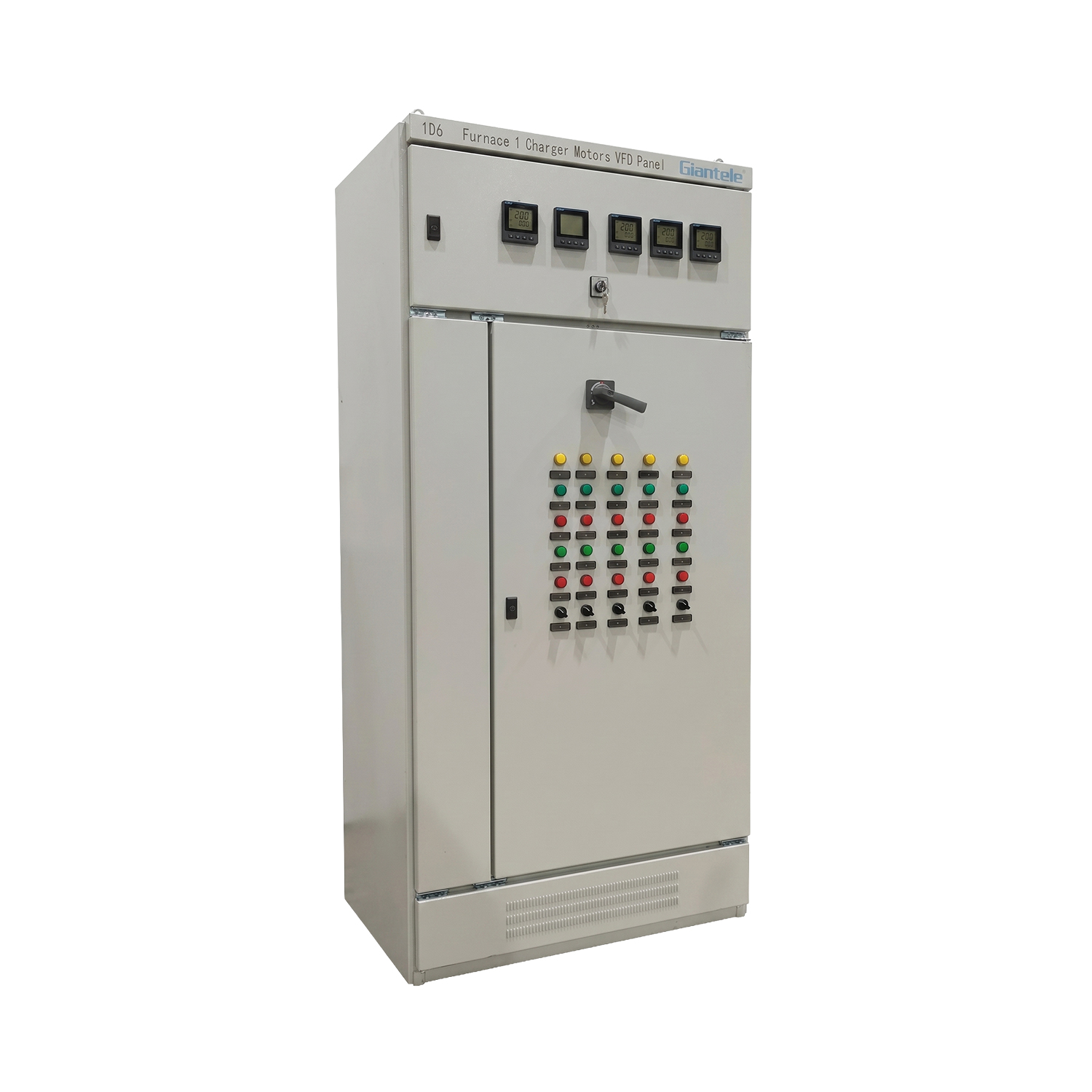
Where the panel sits matters as much as how it is built. A panel inside a washdown zone needs the full IP69K treatment. A panel in a dry electrical room can use a lower rating.
Map the plant zones before specifying, and save the budget for the panels that actually get hosed. The motor control center buyer guide covers the selection logic in detail.
Food-Grade Pump Panels: Grinder, Sump, and Duplex
Pump panels carry a large share of a food plant's motor load. Wastewater, ingredient transfer, washdown supply, and drainage all run on pumps, and each application has its own control requirement.
Three pump panels every food plant needs
A common MCC panel problem in food plants is pump panel corrosion from standing in wet rooms. The pump panel enclosure should match the washdown rating of the zone it serves, and the level sensors should be stainless or food-safe plastic.
Buyers can compare motor control center suppliers who stock washdown options.
PLC Control Panel Design for Food Processing Lines
PLC control panel design for food processing is about traceability and repeatability. Every batch, every CIP cycle, and every alarm must be recorded. The PLC inside the panel is the plant's process memory.
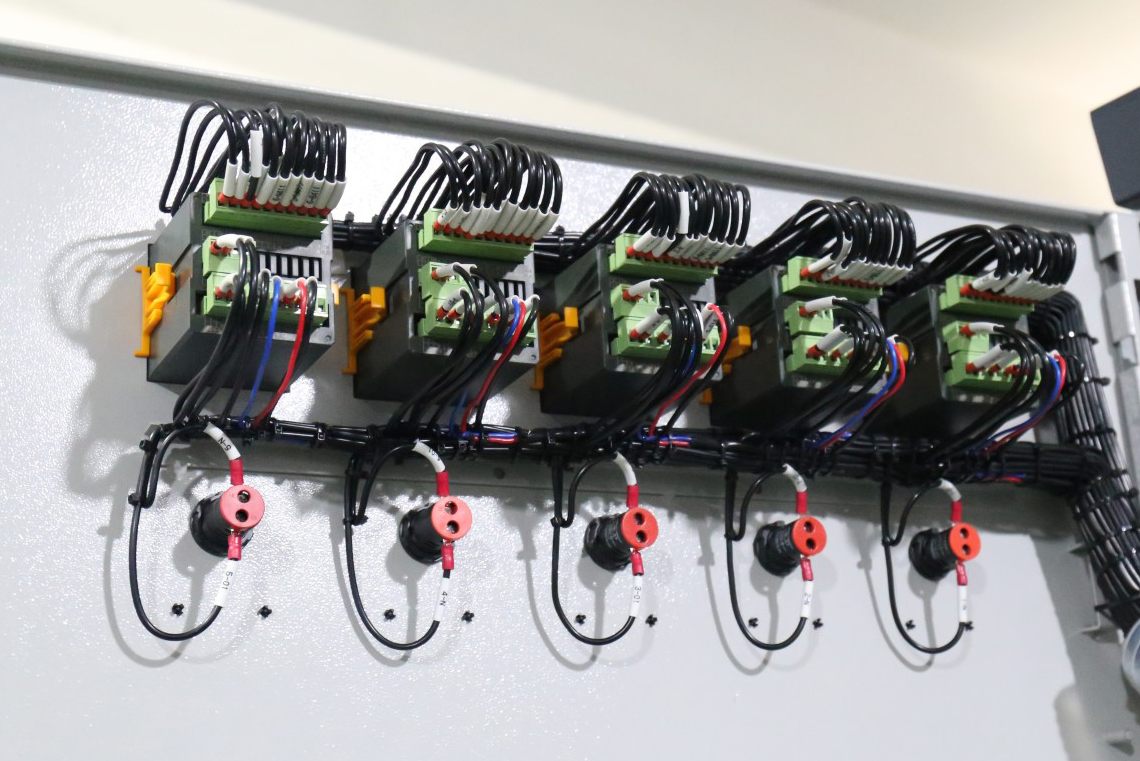
The control panel and the process logic must work together. Control panel wiring assembly quality determines whether a fault is found in minutes or hours.
Numbered ferrules, voltage-segregated wiring, and terminal blocks that match the schematic, verified per IEC 61439, are the difference between a panel you can troubleshoot and one you trace with a meter for a day.
An automatic transfer switch keeps critical food lines alive during a supply loss. A freezer or a pasteurizer that stops mid-cycle destroys product. The ATS moves the line to generator power so the process finishes its cycle instead of crashing.
Automation Control Panel Integration
The automation control panel ties the motor control system to the plant's higher-level systems. In a modern food plant, the panel talks to the line PLC, the SCADA, and the batch management system over Ethernet or Profinet.
Control panel control in this setup means the panel acts on commands from the process system while keeping local manual control for maintenance. A technician can jog a motor from the door while the process system remains in auto. That dual control is a safety feature, not a convenience.
Control Panel Layout Design for Hygiene
Control panel layout design in a food plant has a hygiene dimension that industrial panels ignore. Bacteria hide in horizontal surfaces, open cable entries, and rough edges. The layout must eliminate those hiding spots.
Four layout rules apply to every food-plant panel, and motor control center manufacturers who build for food plants follow them as standard:
- Slope every horizontal surface so water runs off and never pools.
- Route cables through sealed glands, and leave no open knockouts.
- Keep the interior accessible for cleaning without exposing live parts.
- Mount the panel off the floor on stainless legs so washdown water flows underneath.
The control panel and the line layout interact too. A panel mounted near a washdown station sees more water than one in a corridor. Position panels for both access and hygiene, and document the choice.
Frequently Asked Questions
What IP rating does a food plant motor control panel need?
Why stainless steel instead of painted steel?
What is a grinder pump control panel?
How does a duplex pump control panel work?
What does PLC control panel design cover in a food plant?
Can an existing plant panel be upgraded for washdown?
How is the panel cleaned without damaging it?
Final Thoughts
A motor control panel for a food processing plant is a washdown-rated, hygienically designed, pump-aware assembly with a PLC that remembers every batch. It is not a standard MCC with a sticker on the door.
Specify the washdown zones, the pump types, and the PLC communication before design starts. Send Giantele your line layout and motor list for a proposal with the right enclosure rating, pump panels, and control panel layout design.
Get a Food-Plant Panel Proposal
Send your washdown zone map and motor list. Giantele returns a hygiene-designed panel with the right IP rating, pump controls, and PLC design.