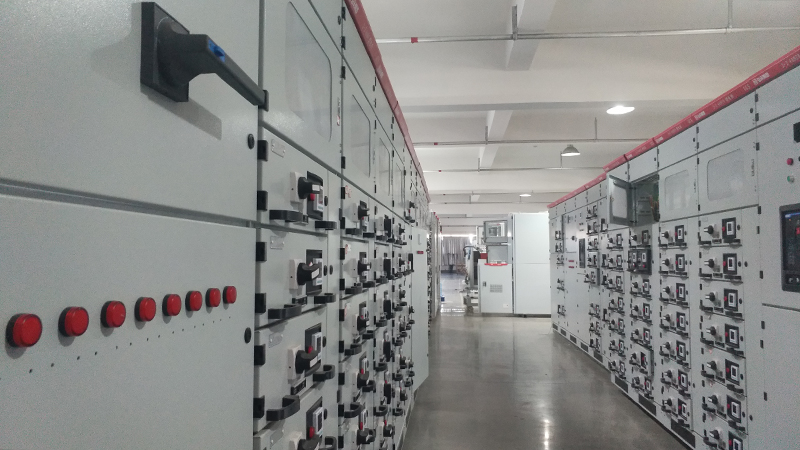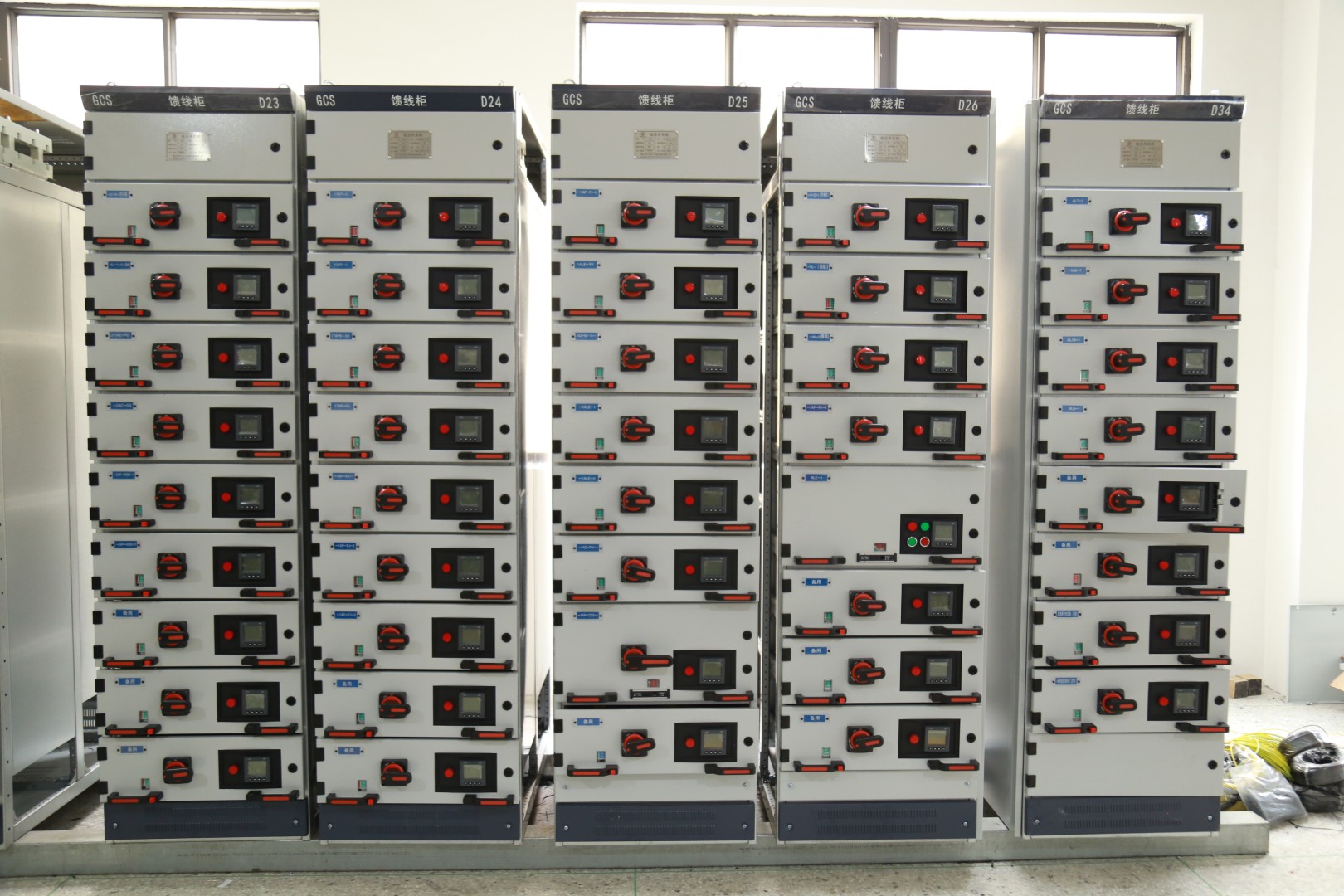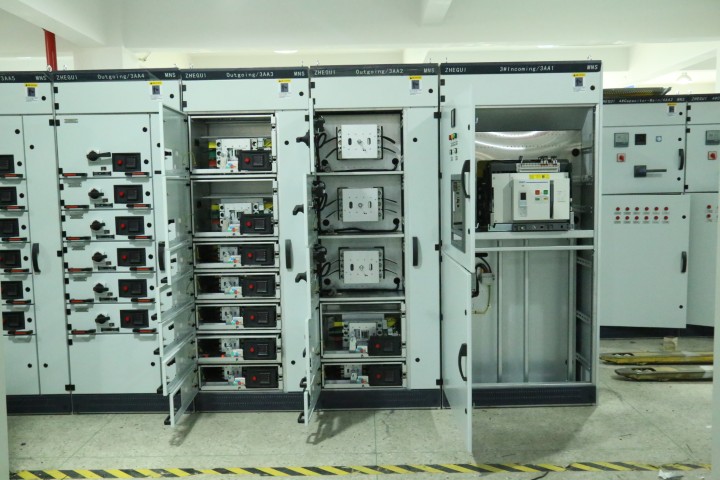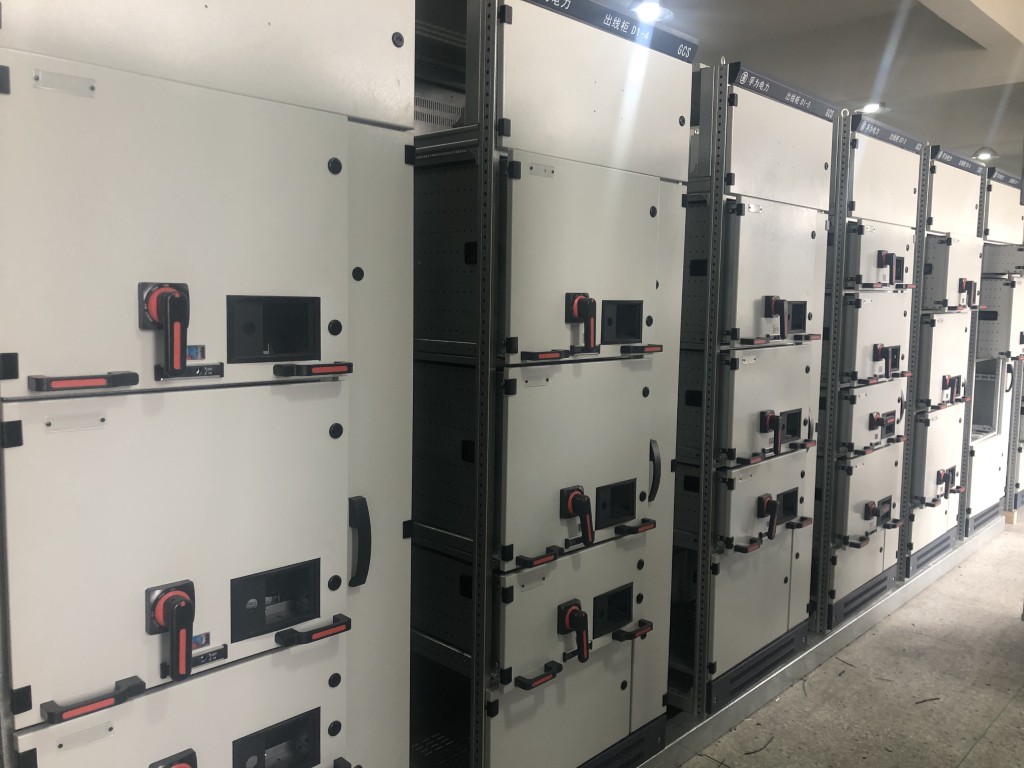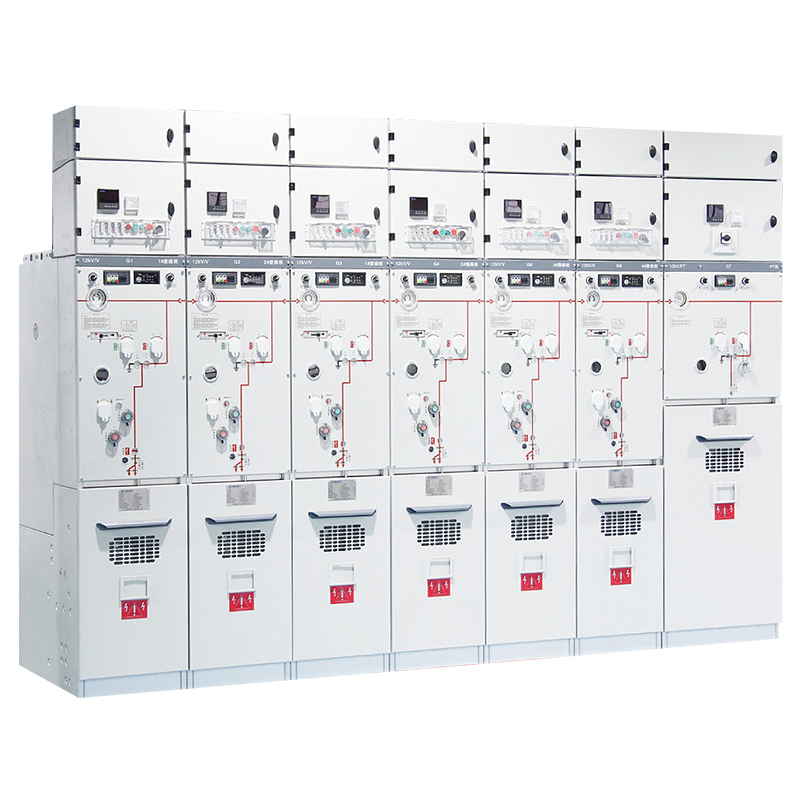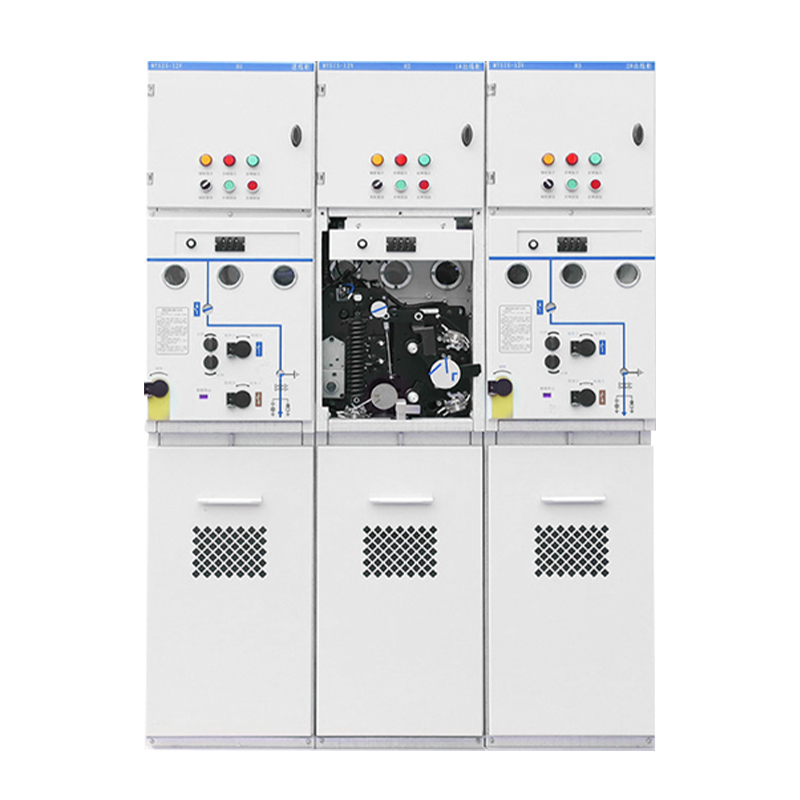
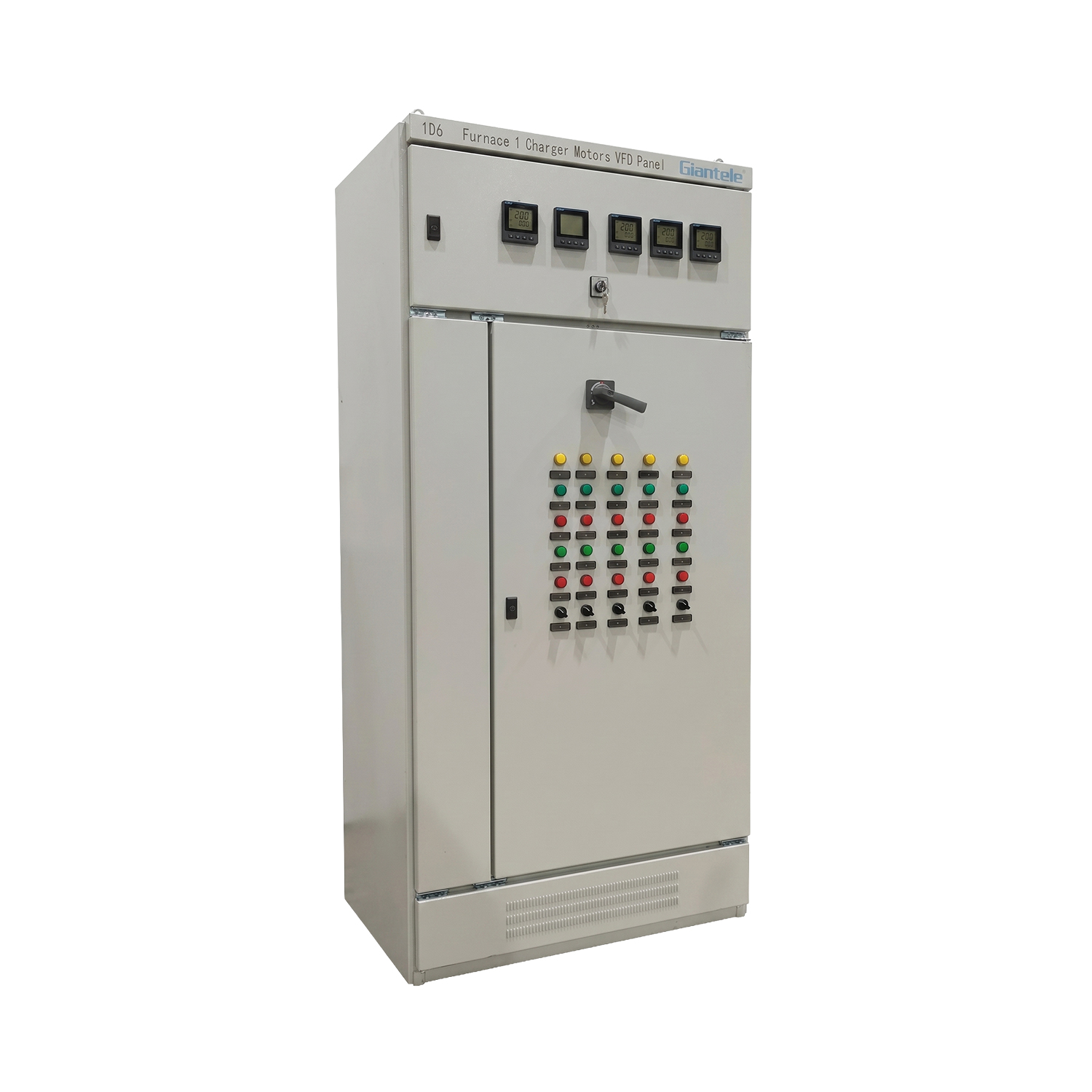
An off-the-shelf motor control panel fits nobody's factory perfectly. Your production line has unique motor loads, your site has specific environmental challenges, and your operators have established workflows. A customizable motor control panel matches these realities instead of forcing your processes to adapt to a catalog product.
Across Africa, the Middle East, Southeast Asia, and Europe, this difference is decisive. It determines whether your electrical infrastructure supports growth or bottlenecks production at the worst moment.
Key Takeaways
- Industry drives design: A mining MCC in Zambia needs different protection than a food processing panel in Vietnam. Dust, moisture, temperature, and duty cycle define every component choice.
- Motor starters are not interchangeable: DOL, star-delta, soft starter, and VFD each solve different problems. Picking wrong costs you in motor life and energy bills.
- Enclosure matters more than the components inside: An IP65-rated industrial control panel enclosure with proper thermal management outlasts a poorly ventilated cabinet by a decade in harsh environments.
- Single-supplier accountability: When one manufacturer handles design, industrial control panel assembly, testing, and commissioning, the finger-pointing stops and the warranty means something.
- CE certified, IEC 61439 compliant: Giantele motor control panels carry CE certification and type-test verification, ready for industrial projects in CE-accepting markets worldwide.
Why industry-specific customization beats catalog panels
A catalog motor control panel ships with whatever the manufacturer thinks you need. You get standard motor starters, a generic enclosure, and no room for your specific control logic. Every modification costs extra and voids the type-test certificate.
A customizable motor control panel starts from your motor list and your operating conditions, not from a warehouse shelf.
Consider two real-world examples. A cement plant in Nigeria runs conveyors and crushers drawing 200-400A, coated in abrasive dust, with 24-hour duty cycles. A bottling plant in Thailand runs dozens of small 5-15kW motors with frequent start-stops in a washdown environment. No single catalog panel serves both.
The cement plant needs an IP54 enclosure with oversized ventilated busbars and AC-3 rated contactors with heavy-duty arc chutes. The bottling plant needs IP65 stainless steel, VFD-based soft starting, and PLC-controlled sequencing. Different industries, different panels, same principle: the panel fits the process, not the other way around.
Standard vs custom: what you actually pay for
A catalog panel saves 15-20% on purchase price and costs 2-3 times that in the first three years of operation through:
- Motor replacements from incorrectly sized overload protection
- Production downtime because the panel lacks the right control interlocks
- Retrofit costs when you discover the enclosure cannot accommodate a VFD upgrade
A properly specified industrial control panel designed for your industry costs more upfront and less over 15 years. The math favors customization every time.
Industrial automation and control systems for specific industry requirements
Industrial automation and control means different things in different industries. In a water treatment plant in Kenya, it means level sensors triggering pump sequences. In a textile mill in Indonesia, it means synchronized multi-motor speed control across dyeing, drying, and winding lines. In a mine in Ghana, it means conveyor interlocking that prevents pile-ups by stopping upstream belts when a downstream belt trips.
The common thread: every industrial automation and control system needs a panel that translates sensor inputs into motor commands reliably. The hardware is the same across industries: contactors, overload relays, PLC I/O, HMI, and communication modules.
The logic changes completely: programming, setpoints, interlocks, and alarm thresholds. Buy a panel from a supplier who understands your specific process, or budget for months of commissioning delays while programmers learn your industry from scratch.
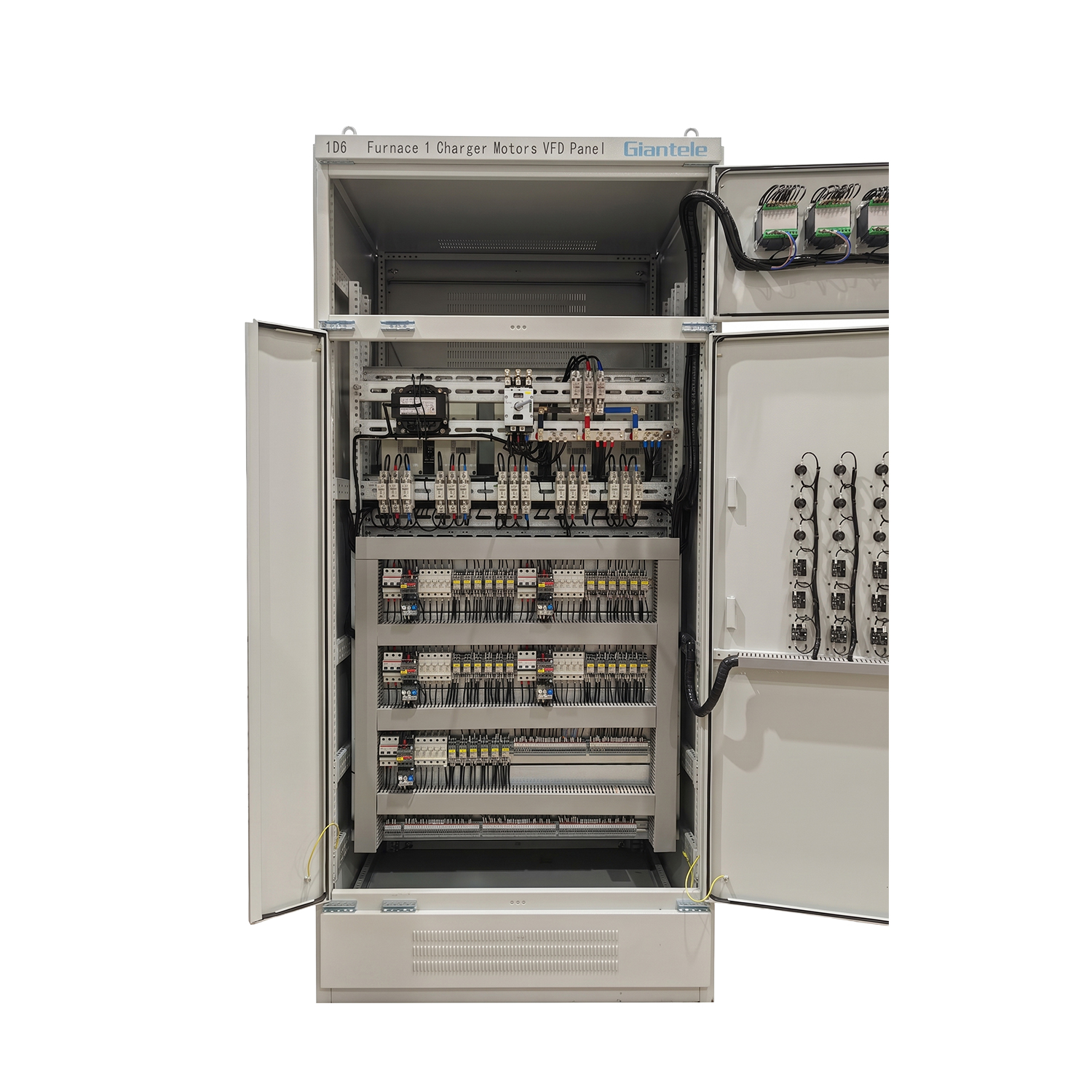
Three layers every industrial automation system shares
According to IEC 61131, programmable controller languages must support ladder diagram, function block, structured text, instruction list, and sequential function chart. Different industries gravitate toward different languages.
Water treatment engineers prefer function block for visual clarity. Conveyor integrators favor ladder logic because maintenance electricians troubleshoot it without a programming laptop. Your panel builder should program in the language your team maintains, not the one their engineer finds convenient.
Motor control devices and motor starters: matching starting methods to industrial applications
Motor control devices form the switching and protection core of every panel. Contactors, overload relays, circuit breakers, and soft starters are the components that actually start and stop your motors. Choosing between them is not about brand preference. It is about starting current, duty cycle, and the mechanical impact on your driven equipment.
| Starter type | Starting current | Best industry fit | Motor size range | Key limitation |
|---|---|---|---|---|
| Direct-on-line (DOL) | 6-8× rated | Small pumps, fans under 7.5kW | 0.37-7.5kW | Mechanical shock on every start |
| Star-delta | 2-3× rated | Compressors, unloaded conveyors | 7.5-90kW | Torque dip during transition |
| Soft starter | 2-3.5× rated | Pumps, fans, crushers | 7.5-250kW | No speed control after start |
| VFD | 1.2-1.5× rated | Conveyors, mixers, process control | 0.75-630kW | Harmonics, enclosure heat load |
Your choice of motor starters directly affects common MCC panel problems you will face over the panel's service life. DOL starters wear contactors faster. VFDs generate harmonics that demand careful busbar and filter design.
Soft starters run hot in tropical ambient temperatures and need mechanical ventilation. These are not abstract tradeoffs. They are maintenance budget items that compound year after year.
The motor control chip inside modern electronic overload relays and soft starters handles phase loss detection, current imbalance protection, and thermal modeling with far more precision than old bimetallic relays. A three-phase motor running on two phases pulls 2.3 times rated current.
A bimetallic relay trips in 30-60 seconds. A digital motor control chip trips in 3-5 seconds. In a mine dewatering pump, those 25-55 seconds are the difference between a tripped breaker and a burnt stator winding. Rewinding costs 3,000 USD, according to World Bank industrial infrastructure data.
Industrial control panel assembly: from design specification to factory testing
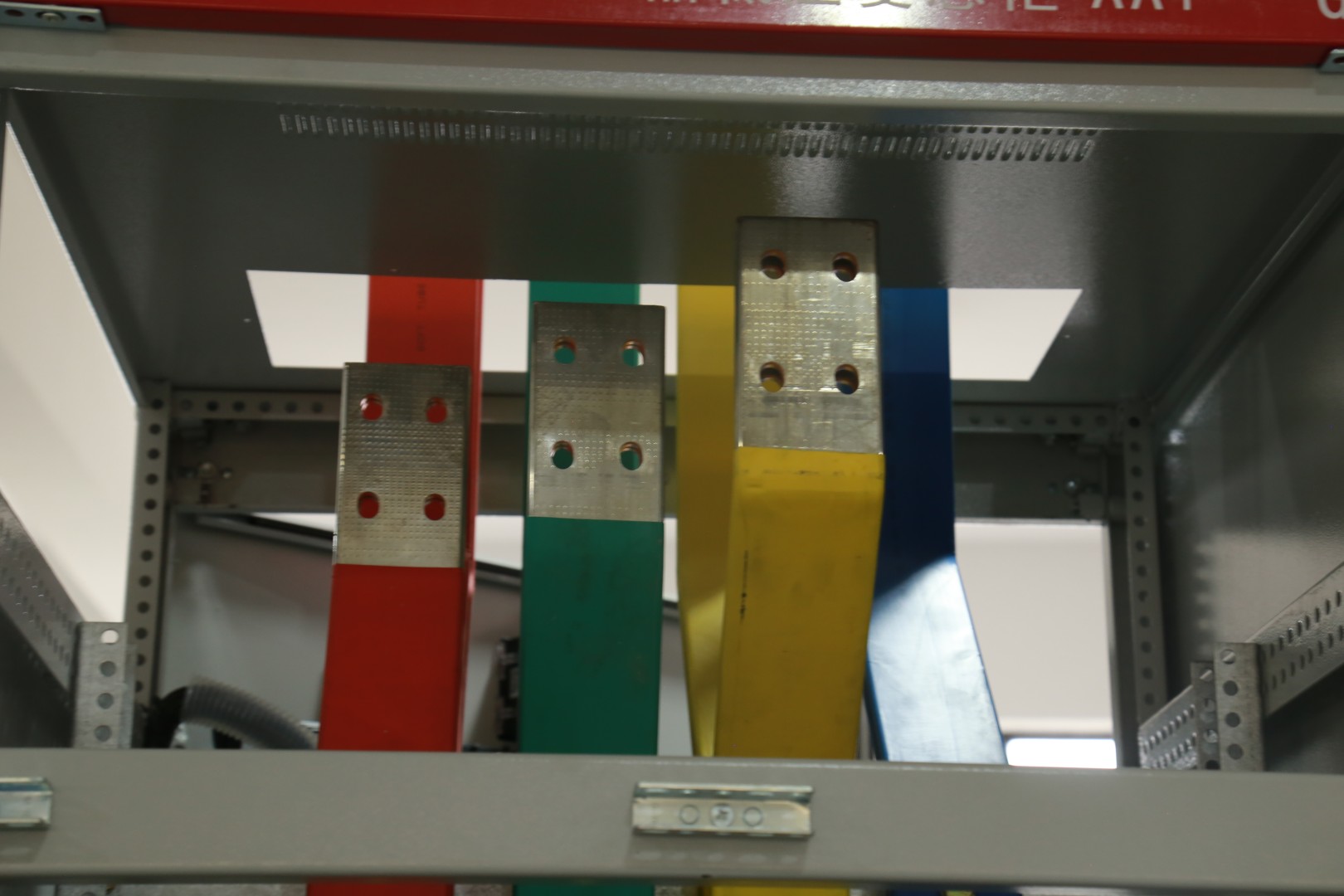
Industrial control panel assembly is where drawings become hardware. The difference between a panel that lasts 20 years and one that develops hot spots in year three is in the assembly details: busbar torque values, wire routing, terminal labeling, and ventilation airflow paths.
What separates professional panel assembly from improvised work
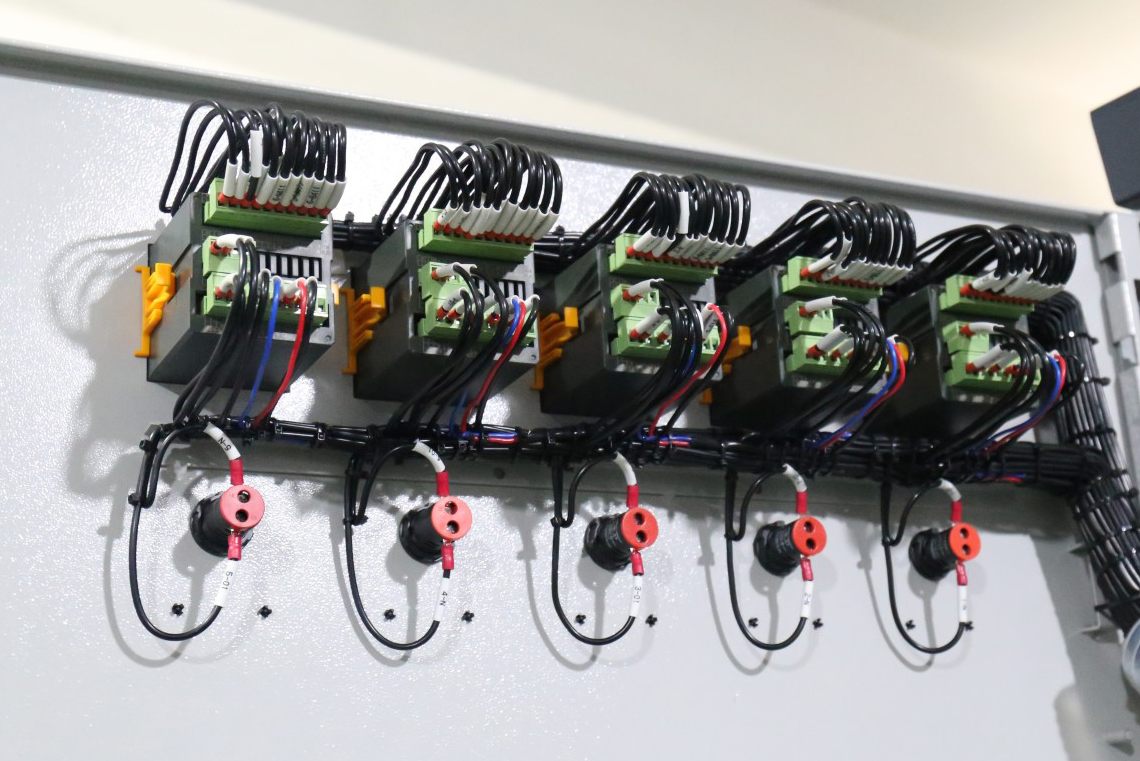
Professional industrial control panel assembly follows a documented process that starts with an approved general arrangement drawing and ends with a signed factory acceptance test report. Every wire carries a numbered ferrule matching the schematic. Every terminal block is labeled. Every busbar bolt is torqued to specification and marked with a witness line.
When a technician opens the panel door at a site in Lagos or Nairobi, they find the problem in minutes because the panel is built for maintenance, not just for function. That is the assembly quality standard that keeps production running.
For projects requiring an industrial control panel enclosure built to specific dimensions and ingress protection, the enclosure choice depends on site conditions. A steel IP54 enclosure with polyester powder coating works for most indoor industrial environments.
For outdoor installations in coastal West Africa or Southeast Asia, a 316 stainless steel IP65 enclosure with neoprene gaskets and breather drains prevents the salt-spray corrosion that destroys painted steel within two years. The enclosure costs more. The corrosion protection lasts the panel's entire service life. Motor control centers for harsh industrial environments demand this level of enclosure specification as a baseline, not an upgrade.
When your specification references a specific enclosure standard, whether a Hoffman industrial control panel enclosure type or an equivalent IEC-rated cabinet, the internal engineering determines panel reliability. The enclosure brand does not protect your contactors from overheating.
The busbar derating calculation, the ventilation airflow design, and the protection coordination study do. Specify the performance standard and let your motor control center manufacturers propose the enclosure that meets it.
Industrial machine control and process automation by industry
Industrial machine control connects the control panel to the production equipment. A textile weaving machine, a cement ball mill, and a wastewater aerator are all driven by electric motors but demand completely different control strategies. The panel that starts a ball mill, with its massive inertia and 30-second run-up time, cannot start a textile loom that needs precise tension control.
Industrial process control and automation system by application
A complete industrial process control and automation system integrates the motor control panel with upstream process sensors and downstream data systems. In a sugar refinery in Kenya, the MCC panel communicates with the vacuum pan controller and centrifuge speed reference over Modbus.
In a steel rolling mill in Egypt, the panel's PLC exchanges speed and torque references with the drive system over Profibus at sub-10-millisecond scan rates. The communication protocol is not an afterthought. It determines whether your automation system runs as one coordinated machine or as isolated components.
For industrial machine control applications with integrated drives, VFD control panel integration demands thermal calculations that account for VFD heat dissipation inside the enclosure. A 200kW VFD generates approximately 6-10kW of heat. Three of them in one panel section generate 18-30kW.
Without forced ventilation sized to this actual heat load, internal enclosure temperature rises 20-30 degrees above ambient. The IRENA industrial motor systems guide confirms VFD-driven processes achieve 20-50% energy savings over fixed-speed operation, but only when thermal management prevents VFD derating in high ambient conditions.
Industry requirements vs panel specification: a comparison guide
What works in one industry destroys a panel in another. The table below maps common industrial environments to the minimum panel specifications that survive them.
| Industry | Key hazard | Min IP rating | Enclosure material | Starter preference | Special requirement |
|---|---|---|---|---|---|
| Cement / mining | Abrasive dust | IP54 | 2mm steel, powder coat | Soft starter / VFD | Gasketed doors, filtered ventilation |
| Food / beverage | Washdown moisture | IP65 | 316 stainless steel | VFD with braking | Sloped top, no exposed fasteners |
| Water / wastewater | Humidity, H2S gas | IP55 | Steel with epoxy coat | Soft starter | Anti-condensation heater, SCADA I/O |
| Oil & gas | Explosive atmosphere | IP65 | Stainless / GRP | DOL with Ex-d enclosure | ATEX/IECEx certified components |
| Textile / light manufacturing | Fiber accumulation | IP42 | 1.5mm steel | VFD | Easily cleanable ventilation grilles |
This is a starting point, not a final specification. Your specific site altitude (affects cooling), supply voltage stability (affects contactor coil selection), and maintenance practices (affects accessibility) all push the specification one direction or another.
A custom industrial control panel designed to your actual site conditions costs the same to manufacture as one built to a generic spec. It just costs less to own.
Frequently asked questions
What makes a motor control panel customizable?
Which industries benefit most from custom motor control panels?
How do motor control devices differ from motor starters?
What industrial control panel assembly standards apply to motor panels?
Can a control panel use a motor control chip for smarter motor protection?
How do I specify the right industrial machine control for my equipment?
What is the typical lead time for a custom motor control panel?
Are Giantele motor control panels CE certified?
Final thoughts
A customizable motor control panel is not a premium option. It is the minimum viable specification for any industrial facility where production uptime matters. Whether you are expanding a mine in Zambia, upgrading a water treatment plant in Kenya, or building a new factory in Indonesia, start with your process requirements and design the panel to match.
Contact Giantele with your motor list and single-line diagram. Our engineers return a technical proposal with panel layout and budget pricing within 48 hours.
Get a Custom Motor Control Panel Proposal
Send us your motor list, single-line diagram, and site conditions. Our engineering team returns a verified panel design and budget price within 48 hours.