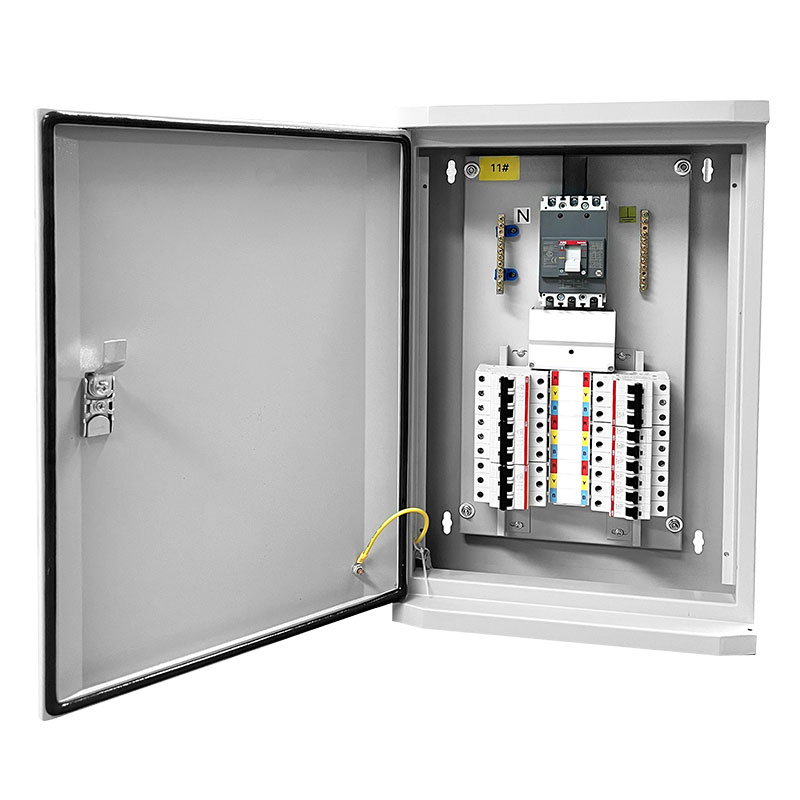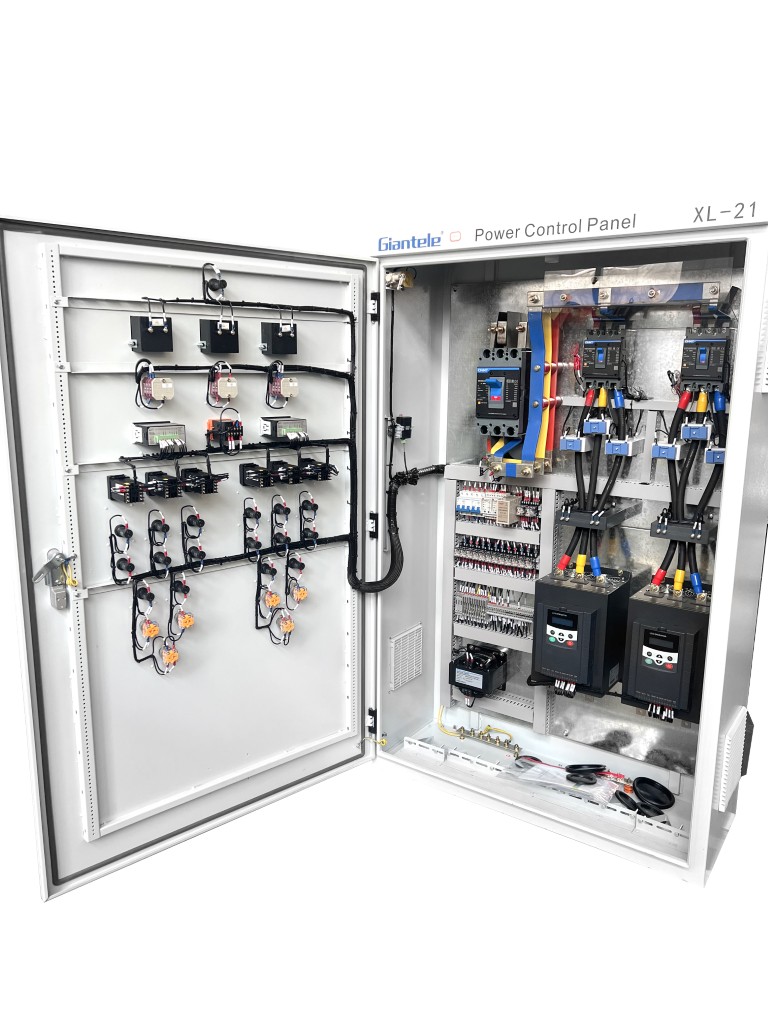
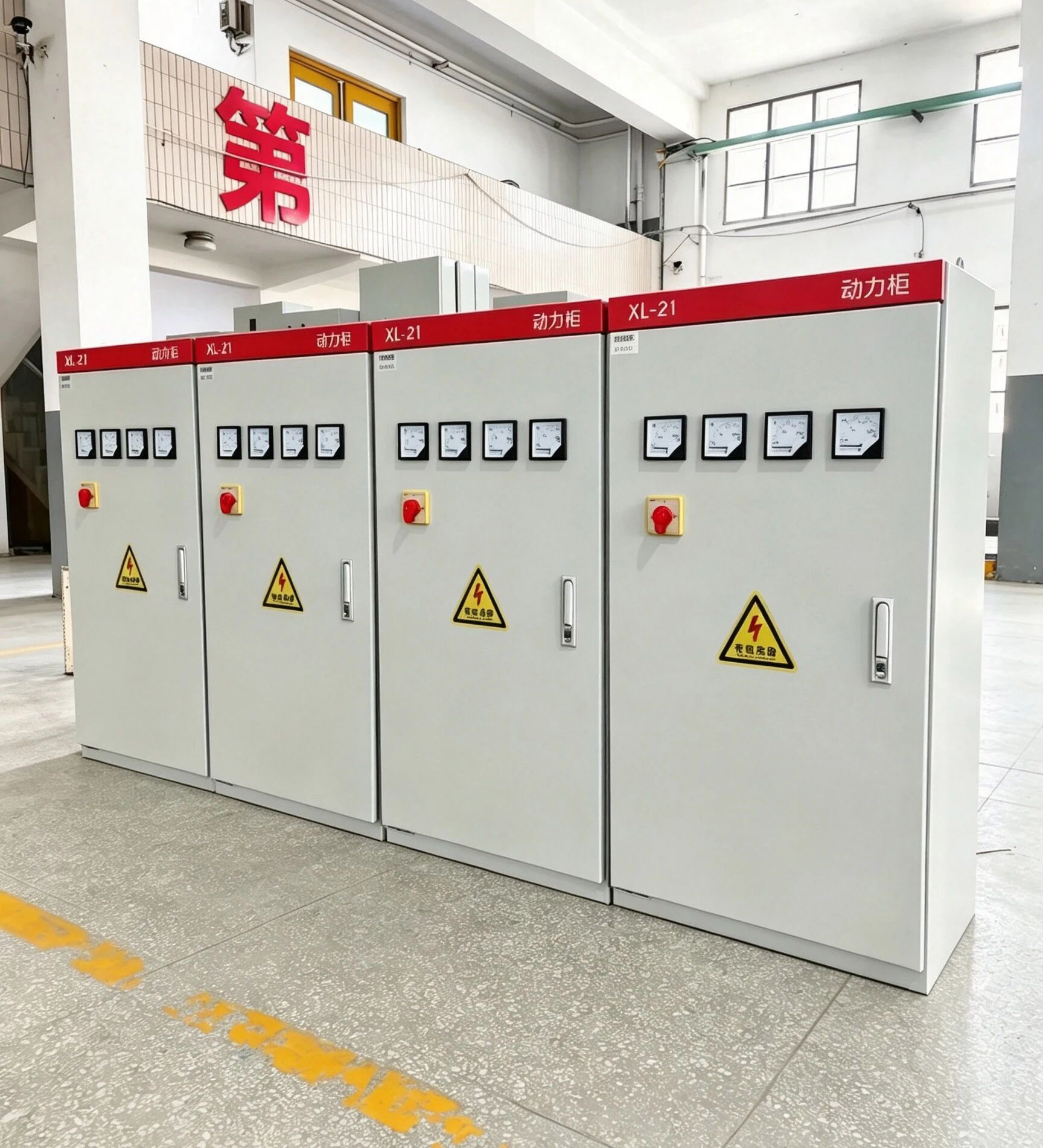
Buying a power distribution board online sounds simple. You compare prices, click order, and wait for delivery. The problem is that a distribution board is a safety device, not a commodity. The difference between a safe board and a dangerous one is invisible in a product photo.
This guide covers where to buy power distribution boards with advanced safety features online and, more importantly, how to verify that the safety features are real before you pay. The power distribution board you order should arrive with certificates, test reports, and ratings you can check against the datasheet.
Key Takeaways
- Safety lives in the assembly, not the photo: Form separation, arc flash ratings, and IEC 61439 verification cannot be seen in an image. They must be proven with documents.
- Ask for the test report, not just the certificate: A type test certificate without the matching routine test report tells you nothing about the unit you receive.
- Verify the supplier before the price: Check the factory, the test bay capacity, and the delivery terms before comparing quotes.
- Safety features add lead time: Arc flash containment and Form 4b separation take engineering time. A supplier quoting instant delivery on custom safety features is warning you.
- Data centers demand more: The safety bar for power distribution for data centers is higher than for a normal industrial feeder, and the supplier must prove it.
Advanced Safety Features to Demand From an Online Supplier
Advanced safety features are not optional extras on an industrial board. They are the difference between a contained fault and an arc flash event that injures a technician. When you buy online, you cannot inspect the board in person, so the feature list must be explicit and verifiable.
The power distribution system you buy should state each of the following in writing.
Six features that define an advanced safety board
The electrical power distribution system you receive should also carry a full set of labels: the assembly rating, short-circuit rating, IP degree, and the standard it is verified to, per the IEC 61439 series.
An unlabeled board is an unverified board. If the online listing does not show these, ask for them before you order.
Power Distribution System Design for Safety
Power distribution system design determines how safe a board is at the moment of a fault. Selectivity is the first rule: every downstream breaker must trip before the upstream one, so a fault isolates one circuit instead of dropping the whole building.
Selectivity requires a coordination study. A custom power distribution board supplier should provide the time-current coordination curves with the proposal. If they cannot, they have not checked that the breakers will discriminate.
Power distribution design for safety also means planning the earthing system. TN-S, TN-C-S, TT, and IT arrangements behave differently under fault. The board design, the labels, and the protection settings must match the earthing system of the site, not a generic default.
Power distribution voltages also affect safety choices. A 690V board needs different clearances and creepage distances than a 400V board, and the verification documents must match the voltage you actually run. Never accept a 400V type test report for a 690V assembly.
How to Verify an Online Supplier Before You Order
Online suppliers vary from full manufacturers to resellers who assemble from a parts catalog. The verification process is the same for both: ask for documents and check them against reality.
What the delivery should look like
A safety-rated board arrives with its certificates, not just its crate. The type test report, routine test records, and as-built drawings travel with the unit.
- Ratings on the label match the type test report exactly
- Routine test records dated for your serial number
- Arc flash labels applied on site with incident energy values
A factory acceptance test you can attend or witness remotely is the strongest verification. To see what the test should cover, how to test a distribution board walks through routine tests, FAT, and site acceptance in order.
Power Distribution for Data Centers and Critical Loads
Power distribution for data centers raises the safety bar further. The board feeds loads that cannot fail, so the safety features must protect both people and uptime. Dual independent feeds, Form 4b separation, and per-circuit monitoring are the minimum.
An automatic transfer switch is a standard part of this architecture. It moves critical feeders between sources without human action, and its interlocking must be tested before delivery, not discovered on site.
When buying online for a data center, ask specifically for the arc flash incident energy study and the maintenance mode settings on the protection relays. These are the features that let a technician work safely inside the arc flash boundary during a maintenance window.
Power Distribution Lines and Utility Coordination
The board is the boundary where power distribution lines from the utility meet the building's own electrical power distribution system. Safety at this boundary starts with the fault level. The utility provides the prospective short-circuit current at the incoming; the board must be rated above it.
Voltage tolerance is the second coordination point. In many African and Middle Eastern grids, voltage drifts outside nominal during peak hours. The protection settings and the SPD ratings on the board must match the actual grid behavior, not the ideal datasheet value.
World Bank infrastructure assessments show that distribution equipment failure drives most customer outages in developing economies. IRENA power system analyses similarly link verified equipment quality to grid reliability. A board purchased online with verified safety features directly reduces that failure rate, provided the verification documents match the delivered unit.
Maintenance and Design for Utilities and Power Distribution Systems
Maintenance and design for utilities and power distribution systems are one responsibility. The safety features you buy must be maintainable, and the maintenance procedures must be documented by the supplier and followed by your team.
Three maintenance practices keep a safety-rated board safe:
- Annual thermal imaging of busbar joints and breaker terminals, with a baseline logged at commissioning.
- Torque verification on power terminations after year one, then every third year.
- Arc flash label review every time the board is modified, because a change to fault current or protection settings changes the incident energy.
The supplier should provide the maintenance manual, the as-built single-line diagram, and the protection settings with the delivery. An online purchase that arrives without documentation is not a completed order.
When you need a replacement or expansion, a new power distribution board against the current load list is safer than extending an undocumented old one. To understand the enclosure side, the distribution box guide covers smaller assemblies for factories and commercial projects.
Frequently Asked Questions
What safety features should a power distribution board have?
How do I verify an online supplier is legitimate?
What is the difference between a type test and a routine test?
Is a cheaper board with the same rating safe?
What should a data center board have beyond standard safety?
How long does a custom safety board take to deliver?
What documents must arrive with the board?
Final Thoughts
Where to buy power distribution boards with advanced safety features online is a question of verification, not location. The right supplier is the one whose documents match its claims.
Type test reports, routine test protocols, factory access, and tested delivery. Buy on that basis, and the board protects your people for decades. Send Giantele your load list and fault level for a proposal with verified safety features and a witnessed FAT.
Get a Verified Safety Board Proposal
Send your load list and site fault level. Giantele returns a safety-rated design with Form separation, arc flash ratings, and a witnessed factory acceptance test.