
Custom enclosures for motor control equipment in hazardous locations are not a larger box. They are a one-off certified assembly, and the certificate names three things. Get that order wrong and the paperwork arrives incomplete.
Most buyers start with the box when they order custom control panels for a classified area. In a zone the box is the last decision. Three things come first. Where the starter sits, how much heat it makes, and what the certificate can cover.
Key Takeaways
- Placement decides the enclosure. A starter in a safe-area lineup needs no hazardous-area box at all.
- A bucket cannot cross the zone line. Racking out and opening a door need a permit and a gas test.
- Heat leaves through the wall. A sealed box has no fan, so surface temperature sets the limit.
- Every opening is certified. Louvres, glands and spare holes sit inside the type test.
- The certificate names three things. Enclosure, equipment inside and entries. Nothing else counts.
The enclosure is the last decision, not the first
In a classified area the box follows three decisions made earlier. Placement, heat and certification. Buyers who start with the box often end up with a certified enclosure. It cannot hold the starter they already bought.
This is the opposite of a safe-area job. There you pick a standard enclosure, drill what you need and mount the gear. Here every opening is a rated feature, and any change after the test is a new certificate.
So the useful order runs backwards. Fix where the motor starter sits. Fix how much heat it releases. Then describe the enclosure that satisfies both. The enclosure is the answer, not the question.
The habit costs money in both directions. Too early and you buy a box the starter will not fit into. Too late and the delivery date drives the certification route, which is the expensive way round.
Three places a starter can legally sit
There are only three. Each one moves the cost to a different line. A lineup in a safe area. A local starter beside the motor in its own enclosure. A pressurised enclosure standing inside the zone.
 Safe-area option
The lineup stays outside
One certified assembly serves twenty motors. The motors stay in the zone and only the cables cross the line.
Nothing in the zone needs its own enclosure. You pay for cable instead.
The middle option is the one buyers underestimate. A starter in an industrial control panel enclosure beside the motor is easy to run and expensive to own. Each box carries its own certificate, its own isolator and its own inspection route.
| Placement | What you buy | Where the cost sits | How it fails |
|---|---|---|---|
| Lineup in a safe area | Standard motor control sections, no hazardous-area rating per motor | Long motor cables, bigger trench, more copper | Cable cost on long runs, and voltage drop |
| Local starter in the zone | One certified enclosure per motor, with isolator | One certificate and one inspection point each | Permit load on every routine task |
| Pressurised box in the zone | Purged enclosure with standard gear inside | Clean air supply and pressure monitoring | Air failure shuts down every starter it feeds |
Which option wins is arithmetic, not preference. Compare the capital cost of a long motor cable against one certified box per motor. Then add the maintenance walk, because that is where the second option quietly loses.
On a gathering station the pumps stand a few hundred metres apart. That layout decides more than any preference does. A central lineup means long cable runs. Local starters mean forty certificates.
One rule survives the arithmetic. Do not put a starter inside the zone to save cable. Cable is cheap and boring. A certified assembly standing in a gas atmosphere is neither.
Why a bucket stops at the zone boundary
A motor control bucket is a withdrawable cell. Three actions define it. Racking it out, opening the door, and changing a coil. All three need the compartment open with the busbar live.
That is normal practice in a safe area. It is not allowed where the atmosphere is classified. So the bucket lives in the lineup outside the zone. Inside the zone you get a local starter instead, one that can be isolated and gas-freed.
The practical difference shows up on a breakdown. A failed bucket in a safe-area lineup swaps in about fifteen minutes. The same failure inside the zone needs a shutdown, a permit and a gas test before a cover comes off.
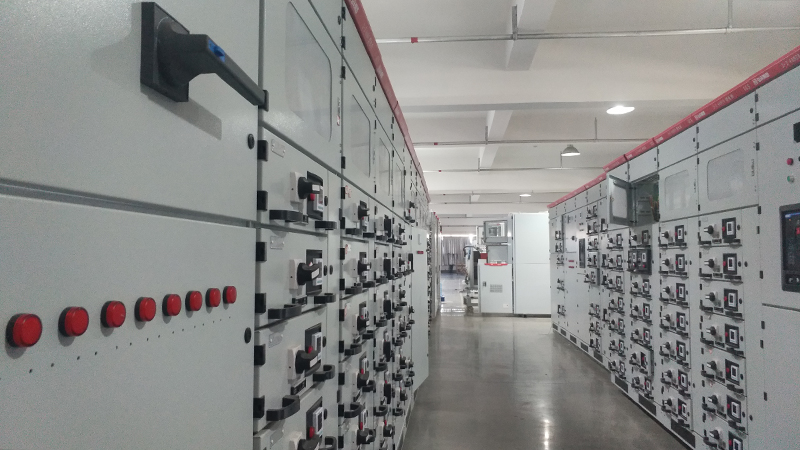
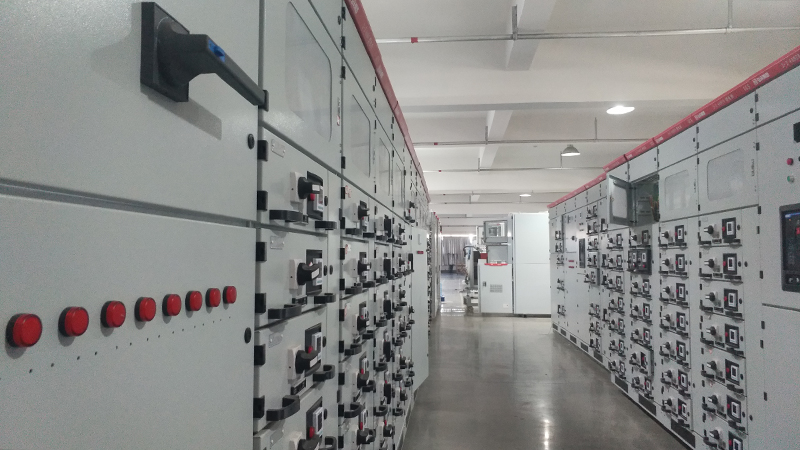
This is why motor control centres are built as one long assembly and placed deliberately. A motor control center mcc on the wrong side of the zone line turns routine work into permit work.
Buyers comparing motor control panel options rarely compare this. They compare sections and prices. The placement decision is worth more than both, and it is free to make early.
Heat sets the first limit in a sealed box
A sealed box has no fan and no louvre. Every watt the starter loses leaves through the wall, and the wall is the rated surface.
Numbers make it concrete. A 30 kW starter with a bypass contactor loses roughly 300 to 500 W. A larger frame with a soft starter may lose less, and that difference matters more than the price gap.
The limit is surface temperature, not internal temperature. A T4 marking caps the outside at 135 °C in the stated ambient. A box can cook its own wall long before the starter inside complains.
So custom control panel design starts from the loss figure, not from the box. Sizing custom industrial enclosures is a thermal exercise first and a space exercise second. Then check that the starter still fits in the space left over.
Two ways to buy margin. A bigger box adds surface for the price of steel. A cooler adds a system you must maintain. On sealed metal enclosures the bigger box is cheaper, and it fails less often.
Losses also cost money twice. They heat the box, and you pay for the energy that produced them. The IEA tracks industrial motor efficiency for that reason, and the numbers are not flattering.
Every opening is a rated feature
Count the openings before you count the price. Louvres, gland plates, breathers, drain plugs, windows, the door seal and the earth stud. Each one sits inside the type test.
Order spare entries. Ten to twenty percent above the cable count is normal practice. Every spare is closed with a certified stopping plug, never with tape or a plastic cap.
The door is an interface too. Devices mounted on it need a bonding jumper and a loom that survives thousands of swings. A hinge is not an earth connection, whatever the continuity reading says.
 Door interfaces
The door carries half the devices
Every relay on a door adds a crossing. The loom, the bonding jumper and the hinge all become part of the certification.
That drawing taped inside is the only record of what crosses.
Weatherproofing runs on opposite logic. An outdoor weatherproof enclosure keeps rain out with a canopy and louvres. A flameproof box must not breathe at all, and that includes the louvres that look harmless.
This is where site modifications go wrong. A louvre added for cooling turns a certified assembly into an uncertified one. Nobody notices until the audit, and then the whole unit comes off the register.
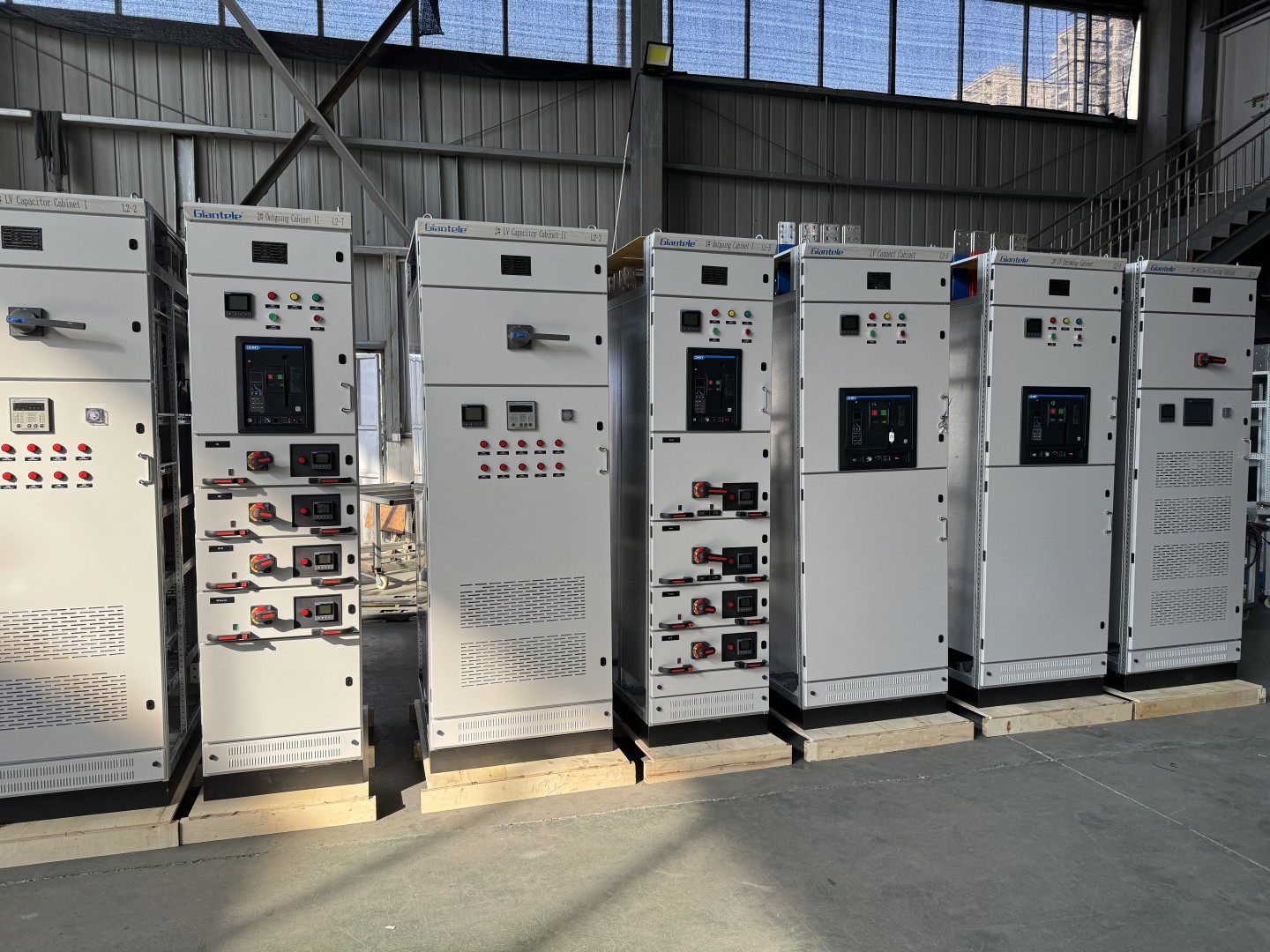
Industrial control panel enclosures are catalogued by size and by protection. What you actually buy is the test that covered the openings you asked for.
Three names on the certificate
A certificate that misses one of the three is not finished. The enclosure with its marking string. The equipment inside it. The entries, by type and size.
The marking string carries more than a protection concept. A marking such as Ex db eb IIC T4 Gb states four things. The method, the gas group, the surface class and the equipment level. Treat it as a specification.
Two more lines matter on a one-off. The ambient range, usually written as Ta, and the schedule of limitations. The second lists what you may not do to the unit, and it is the page nobody reads.
A single unit usually needs a notified body assessment, or a manufacturer working under a quality assurance notification. Ask which route applies before comparing prices, because the two routes cost very differently.
Then ask what sits behind the route. A quality system certified to ISO 9001 does not make a unit safe. It does show that a change process exists, which is the part that fails after delivery.
Certificates also move between jurisdictions, and that changes what a buyer checks. A list of approved standards on one project may not carry to the next one. For a CE project the useful question is what the certificate names, not where the workshop stands.
The assembly itself is verified under IEC 61439. Design verification covers temperature rise and short circuit strength. A one-off box still needs that work, even when the batch size is one.
Industrial control panel manufacturers quote against a drawing. Control panel manufacturers who build to hazardous-area rules quote against a marking. Send the marking you need, or you receive a price for a box.
The certificate is also where an mcc in electrical terms stops being an assembly and becomes a defined object. If the document does not describe the unit you bought, you bought a different unit.
Where custom earns its money

What to pay for, and what to refuse
Custom pays for access, not for appearance. An external handle that accepts a padlock. A window over the meter. A local isolator that can be locked off. A breather and a drain for a wet site.
Also worth paying for. Entry direction that matches the trench. Lifting eyes that match the crane. A sunshade for a hot yard, and a paint system written for a coastal site.
Not worth paying for. Thicker sheet quoted as a headline. A colour that matches the building. A footprint that no second supplier will repeat, because spares and replacements die with it.
custom control panels differ from catalogue units in exactly one way that matters. The drawing set is yours, so the maintenance file is yours too. Keep it after handover.
Industrial control panel enclosure manufacturers who build both types say the same thing. The cheap part of custom is the steel. The expensive part is the documentation.
Frequently asked questions
Can a standard industrial control panel be used in a hazardous area?
What does the marking string tell me?
How many spare cable entries should I order?
Can a starter be changed inside a certified enclosure on site?
Increased safety or flameproof for a motor starter?
What documents should ship with a custom hazardous-area enclosure?
Final thoughts
Placement first, heat second, certificate last. A hazardous-area enclosure that follows that order is boring to specify and easy to keep legal. One that does not is a box with a story attached.
Send the area classification, the motor list and the ambient. Our engineers will tell you which of the three placements survives the arithmetic, and what the enclosure has to name.
Fix the placement before the box
Send the zone drawing and the motor schedule. We will mark which starters belong in a lineup and which need a local enclosure. Each one comes with its certificate route.
Contact Giantele