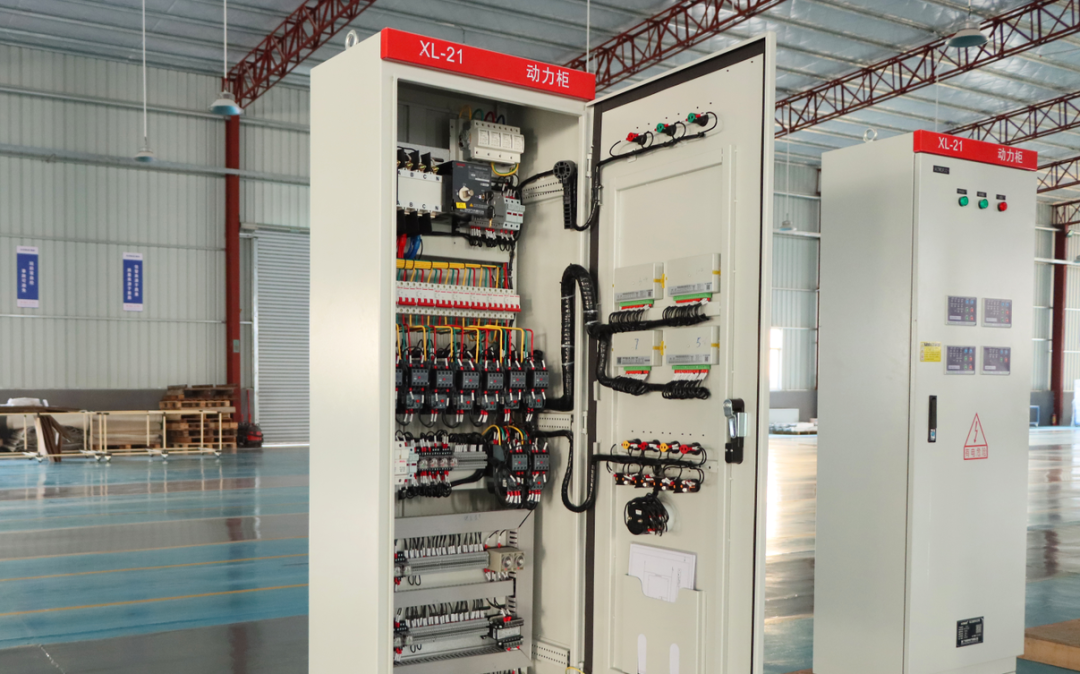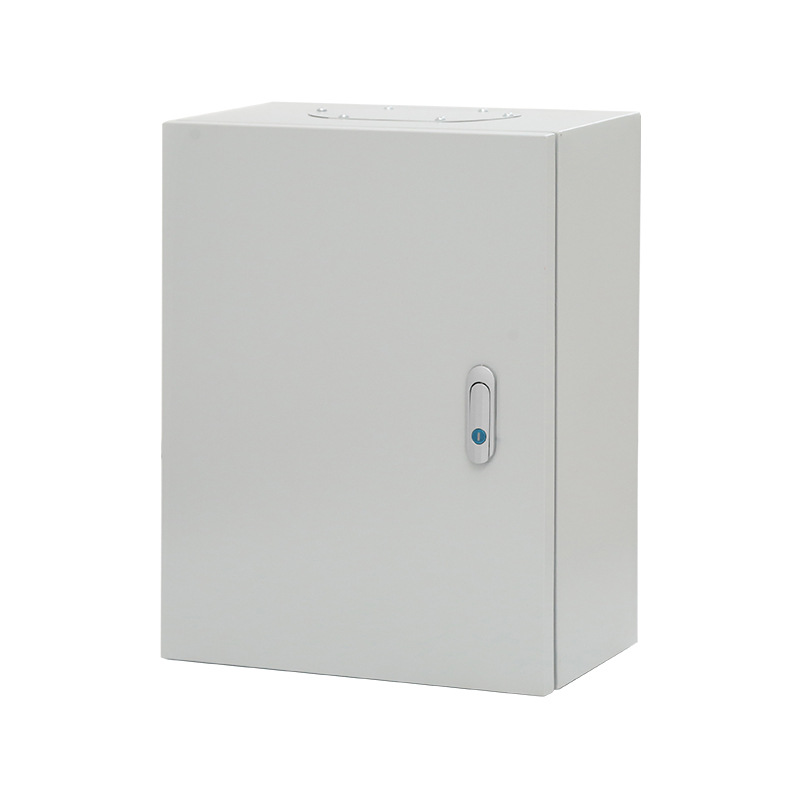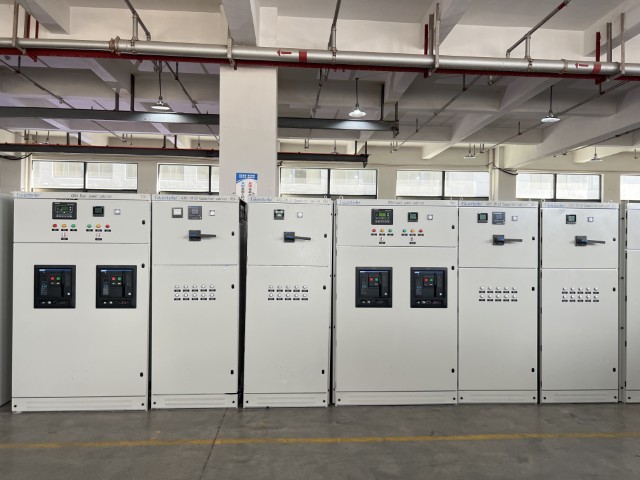

Hazardous locations are industrial environments where flammable gases, vapours, or combustible dusts create a risk of explosion or fire. A petrochemical refinery, a grain processing facility, a pharmaceutical plant using flammable solvents, or a paint manufacturing line are all hazardous locations by classification. The electrical control panels installed in these areas are not standard industrial equipment. They are safety systems engineered and certified to prevent the electrical energy inside the panel from becoming an ignition source. This guide explains what industrial control panel suppliers who specialize in hazardous location equipment actually provide, and how to evaluate them.
Key Takeaways
- Hazardous location equipment is certified, not just built: An industrial control panel enclosure for a hazardous area must carry third-party certification for the specific classification. The certification covers the enclosure, the components inside, and the complete assembly. Self-declared compliance is not sufficient for a hazardous location installation.
- The classification determines the construction method: A Class I Division 1 area requires flameproof or intrinsically safe construction. A Division 2 area allows non-incendive or increased safety methods at lower cost. The industrial power company that supplies the equipment must understand the difference and select the correct protection method for each area.
- VFD control panels in hazardous areas face a thermal challenge: A variable frequency drive generates heat that must dissipate. A sealed hazardous location enclosure prevents heat dissipation. Electrical cabinet suppliers with hazardous area expertise solve this through pressurization, heat exchangers, or locating the VFD outside the hazardous zone.
- Documentation is heavier for hazardous locations: A hazardous area panel carries a documentation package several times thicker than a standard panel. The certification certificates, the flame path drawings, the component traceability, and the test reports are legal requirements, not administrative overhead.
What hazardous location equipment means for industrial control panels

The area classification drives every design decision
A hazardous location is defined by what flammable material is present, how often it is present, and in what concentration. The classification systems differ by region, but the engineering principles are the same. The Zone system from IECEx and ATEX divides gas hazards into Zone 0, Zone 1, and Zone 2 based on how frequently the flammable atmosphere is present. The Division system divides the same hazards into Division 1 and Division 2. Zone 0 and Division 1 are the most hazardous because the flammable atmosphere is present continuously or under normal operating conditions.
An industrial control panel enclosure installed in Zone 1 or Division 1 must use flameproof (Ex d) construction or intrinsic safety (Ex i). The flameproof enclosure contains an internal explosion and cools the escaping gases through precisely machined flame paths. Intrinsic safety limits the electrical energy in the circuit below the level required to ignite the flammable atmosphere. These are fundamentally different engineering approaches, and the choice depends on the application.
Automation systems for industrial lines in hazardous areas must apply the same classification logic to every component. The medium voltage switchgear feeding the plant must be coordinated with the control panels that start and stop the process motors, which sit either inside the hazardous area in a certified enclosure, or outside the area with certified cable glands penetrating the boundary. The IEC 61439 standard covers assembly verification, while the IEC 60079 series covers explosion protection. Both apply to a hazardous location control panel.
Protection methods for hazardous location electrical equipment
| Protection Method | Principle | Typical Zone / Division | Best For |
|---|---|---|---|
| Flameproof (Ex d) | Enclosure contains the explosion internally and cools escaping gases through flame paths. | Zone 1, Zone 2 / Div 1, Div 2 | Motor starters, switchgear, and control panels with significant power components that cannot use intrinsic safety. |
| Intrinsic Safety (Ex i) | Circuit energy is limited below ignition level by barriers or isolators. | Zone 0, Zone 1, Zone 2 | Instrumentation, sensors, and low-power control circuits. Not suitable for motor power circuits. |
| Increased Safety (Ex e) | Construction eliminates arcs, sparks, and hot surfaces through enhanced clearances and quality. | Zone 1, Zone 2 | Terminal boxes, junction boxes, and components without arcing contacts in normal operation. |
| Non-incendive (Ex n) | Equipment does not ignite in normal operation. No fault tolerance required. | Zone 2 / Div 2 | Division 2 installations where flammable atmosphere is present only under abnormal conditions. |
| Pressurization (Ex p) | Enclosure is kept at positive pressure with inert gas to exclude the flammable atmosphere. | Zone 1, Zone 2 | VFD control panels and other equipment that generates heat or has arcing components and cannot use flameproof construction. |
| Dust protection (Ex t) | Enclosure excludes dust and limits surface temperature below the dust ignition temperature. | Zone 20, 21, 22 | Grain handling, flour milling, and metal powder processing where combustible dust is the hazard. |
The protection method for a given panel depends on what is inside it. A vfd control panel containing a variable frequency drive cannot use intrinsic safety because the drive handles motor power far above intrinsic safety limits. The options are flameproof construction, which adds significant cost and weight, or pressurization, which maintains positive pressure inside a standard enclosure. Electrical cabinet suppliers with hazardous area expertise evaluate the heat load, the arcing potential, and the gas group to select the correct protection method for each application.
The VFD control panel thermal challenge in hazardous areas
Why VFDs are the hardest component to install in hazardous areas
A variable frequency drive converts AC to DC through power electronics, generating heat equal to 2-5% of the motor's rated power. A 75kW VFD running at full load dissipates 2-4kW. In a sealed flameproof enclosure, there are no ventilation openings and the heat has nowhere to go.
Three solutions exist: a pressurised enclosure with inert gas cooling, mounting the VFD outside the hazardous area with certified cable glands, or a heat exchanger that transfers heat without admitting the flammable atmosphere. The choice depends on the VFD size, ambient temperature, and gas group.

The custom industrial control panels housing harmonic filters face the same thermal constraint as the VFDs they protect. Every power electronic device in a hazardous area panel generates heat that must be managed within the sealed enclosure. A distribution box power factor correction unit in a hazardous area adds the complication that capacitors generate additional heat during operation and are sensitive to the temperature rise inside the sealed enclosure.
Selecting electrical cabinet suppliers for hazardous location work

Four qualifications to verify in a hazardous area supplier
Industrial electric companies that build hazardous location panels are a subset of the industrial electrics industry. The ISO 9001 certified quality framework is necessary but not sufficient. Hazardous location work requires specific competency in explosion protection standards, flame path engineering, and certification management that goes beyond general panel building. Control panel manufacturers working on the medium-voltage distribution side of a hazardous facility face the same classification requirements and the same certification process.
Industrial power services for hazardous area projects
Industrial power services for hazardous locations extend beyond the panel itself. The electrical design must account for the restricted access to the hazardous area for maintenance, the additional cable sealing requirements at the boundary between hazardous and safe areas, and the temperature classification of every component. Industrial machine automation in hazardous areas often uses remote I/O stations in the hazardous zone connected to the main control panel in a safe area through intrinsically safe or fibre optic communication links. This architecture reduces the amount of complex equipment inside the hazardous area.
Industrial electric companies that provide complete hazardous area solutions typically deliver the panel, the certification documentation, and the installation guidance as a package. An automatic transfer switch at a hazardous facility may be located in a safe area with the power factor correction capacitors feeding the hazardous area distribution through certified feeders. The IEA has documented that industrial facilities with properly classified and certified hazardous area electrical systems experience fewer safety incidents than facilities that rely on informal compliance.
Frequently asked questions
What makes a location hazardous for electrical equipment?
Why are VFDs difficult to install in hazardous locations?
What is the difference between Division 1 and Division 2 for electrical equipment?
How do I verify that a supplier is qualified for hazardous location work?
Can I modify a hazardous location control panel after installation?
What documentation should a hazardous location panel include?
Final thoughts
Industrial control panel suppliers who specialize in hazardous location equipment are defined by their certification capability, not by their metalwork. The industrial control panel enclosure for a hazardous area is a safety system that must contain or prevent ignition of a flammable atmosphere. The VFD control panel inside it requires thermal engineering that standard suppliers do not practice. The documentation package is a legal requirement. When selecting a supplier for hazardous location work, verify the certifications, the protection method expertise, and the reference projects before evaluating the price. There is no shortcut around hazardous area safety.
Discuss Your Hazardous Location Panel Requirements
Send us your hazardous area classification and process description. Our engineering team provides an assessment of the protection methods, certified components, and documentation required for your specific installation.