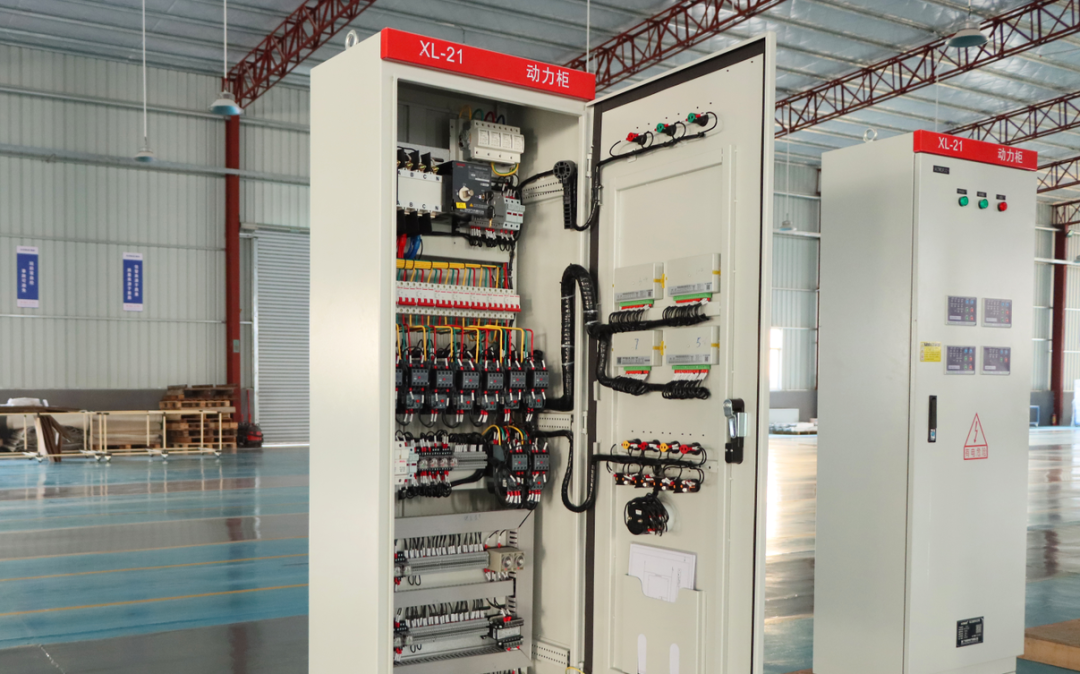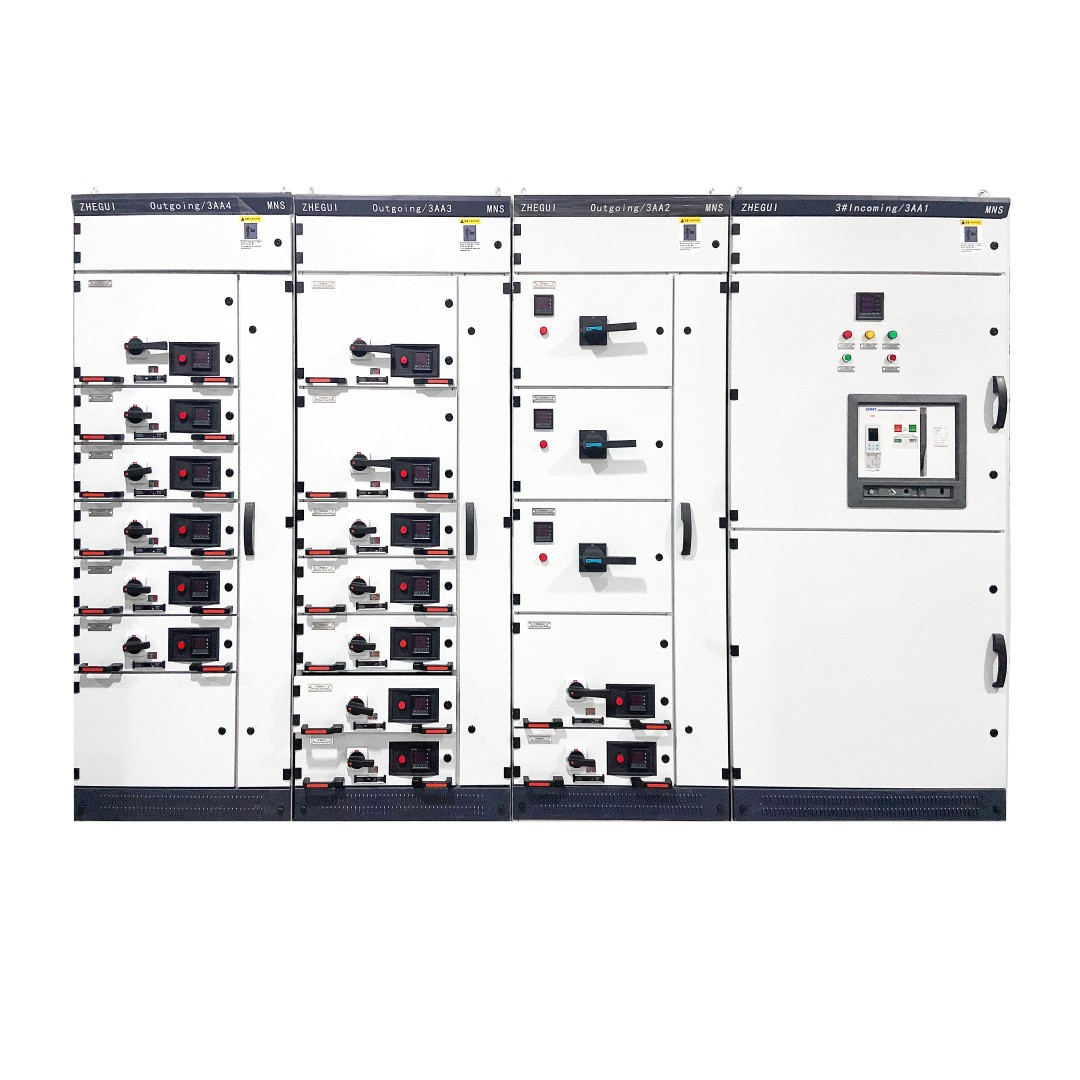

Pharmaceutical manufacturing operates under conditions that no other industry matches. Cleanrooms with controlled particle counts, washdown cleaning with aggressive chemicals, strict validation requirements for every piece of equipment, and documentation that traces every component to its source. The industrial control panels that run pharmaceutical production lines must meet all of these demands simultaneously. This guide explains what separates the best electrical cabinet manufacturers for pharmaceutical applications from general industrial panel builders.
Key Takeaways
- Enclosure material matches the zone: Cleanrooms are cleaned with aggressive disinfectants and decontamination chemicals, so enclosure material selection must resist the specific cleaning regime of each zone. Enclosure manufacturers match the material to the environment rather than applying one material everywhere.
- Compliance extends beyond the enclosure: Component traceability, documentation, and validation (IQ/OQ/PQ) matter as much as the metal. Electrical cabinet manufacturers serving pharma must provide the documentation package to match regulatory requirements.
- VFD control panels need cleanroom-rated design: Variable frequency drives generate heat that must be managed without contaminating the cleanroom. The vfd control panel enclosure must dissipate heat while maintaining the cleanroom's particle count and airflow requirements.
- Documentation is a pharmaceutical requirement, not a preference: Every enclosure, every component, and every test result must be documented and traceable. An industrial power company serving pharma provides validation documentation that a general industrial supplier does not.
Why pharmaceutical applications demand different control panels

Hygienic design is the cleanroom standard
A pharmaceutical cleanroom is cleaned with disinfectants, hydrogen peroxide vapour, and washdown procedures that corrode ordinary materials. The electrical control box enclosure must survive this cleaning without rusting, without shedding particles, and without creating crevices that harbour contamination. The enclosure material is selected to resist the specific cleaning chemicals used in each zone.
Enclosure manufacturers serving pharma design enclosures with smooth surfaces, sloped tops that prevent dust accumulation, and sealed seams that eliminate crevices. These are not standard industrial enclosures. They are hygienic design products that follow the same principles as pharmaceutical process equipment.
The hygienic design principles for a pharmaceutical SVG panel are the same whether the panel is in the cleanroom or the technical corridor. Sloped tops, minimal horizontal surfaces, and sealed gaskets prevent particle accumulation and facilitate cleaning. The IEC 61439 standard covers assembly verification, but pharmaceutical regulatory requirements go beyond electrical standards into hygienic design and documentation.
Enclosure material selection for pharmaceutical environments
| Zone | Cleaning Regime | IP Rating | Enclosure Design Requirement |
|---|---|---|---|
| Cleanroom (Grade A/B) | VHP sterilisation, chemical washdown | IP65 minimum | Zero particle shedding, crevice-free surfaces, fully sealed construction. Enclosure must withstand aggressive decontamination chemicals. |
| Cleanroom (Grade C/D) | Periodic chemical cleaning | IP54-IP65 | Smooth cleanable surfaces, sloped tops. Less aggressive cleaning allows simpler construction than Grade A/B. |
| Technical corridor | No direct cleaning | IP41-IP54 | Standard construction acceptable. Non-classified area, cost-optimised enclosure design. |
| Washdown / wet process area | Direct hose-down, hot water | IP66 | Highest ingress resistance, sealed gaskets, drain-free sloped surfaces to prevent water pooling. |
| Utilities / plant room | Standard industrial | IP41 | No special pharmaceutical requirements. Standard industrial enclosure. |
Metal enclosure manufacturers and electrical box manufacturers serving pharma understand that the material choice is driven by the cleaning regime, not the budget. For cleanrooms adjacent to air insulated switchgear, the panel placement must account for both hygiene and clearances. A panel in a Grade A aseptic area faces hydrogen peroxide vapour sterilisation that attacks many gasket materials and surface finishes. Electrical enclosure manufacturers with pharma experience specify both the enclosure material and the gasket material for compatibility with the specific decontamination chemicals used at the site.
The VFD control panel challenge in pharmaceutical cleanrooms
VFD heat dissipation without cleanroom contamination
A variable frequency drive inside a sealed stainless steel enclosure generates heat that must go somewhere. In a pharmaceutical cleanroom, the heat cannot be vented into the room because it would disturb the carefully controlled airflow. The solution is locating the vfd control panel in the technical corridor and running the motor leads through the wall into the cleanroom, or using a heat exchanger that transfers heat without contaminating the room.

Industrial electrics companies that serve pharmaceutical clients understand the cleanroom airflow implications of every design decision. An power capacitor bank that generates heat in a technical corridor is a non-issue. The same equipment in a Grade B cleanroom requires careful thermal planning to avoid disturbing the laminar airflow that protects the product.
Selecting enclosure manufacturers for pharmaceutical work

Four qualifications for pharmaceutical panel suppliers
The ISO 9001 quality framework is the baseline. Pharmaceutical buyers typically require additional quality documentation. An capacitor contactor in a pharma panel carries the same traceability requirement as every other component. The same documentation discipline applies to metal clad switchgear on the plant distribution side. The IEA has noted that pharmaceutical manufacturing is among the industries with the strictest equipment documentation requirements due to regulatory oversight.
Frequently asked questions
What enclosure materials are suitable for pharmaceutical cleanrooms?
What do pharmaceutical regulations require from an electrical control panel?
Can I use a standard enclosure in a pharmaceutical technical corridor?
How do VFDs handle the cleanroom heat dissipation problem?
What documentation should a pharmaceutical panel supplier provide?
How do I verify that an enclosure manufacturer has pharmaceutical experience?
Final thoughts
The best industrial control panel manufacturers for pharmaceutical applications are defined by three capabilities: stainless steel fabrication, hygienic design, and documentation discipline. The enclosure must survive aggressive cleaning. The design must prevent contamination. The documentation must satisfy regulators. An electrical control box from a general industrial supplier may work electrically in a cleanroom, but it will fail the material, design, or documentation requirements that pharmaceutical manufacturing demands. Choose a supplier who understands all three.
Discuss Your Pharmaceutical Panel Requirements
Send us your cleanroom classification and process description. Our engineering team provides a panel specification with enclosure material, hygienic design, and documentation requirements for your facility.