Industrial facilities spend 60-70% of their electricity on motor-driven systems. Pumps, fans, compressors, and conveyors run continuously, and much of that energy is wasted through fixed-speed operation, poor power factor, and harmonic losses. An energy efficiency upgrade to the industrial control panel infrastructure can cut electricity consumption by 20-40%. This guide explains the upgrade options, the vendors who provide them, and how to evaluate the energy savings claims before you commit.
Key Takeaways
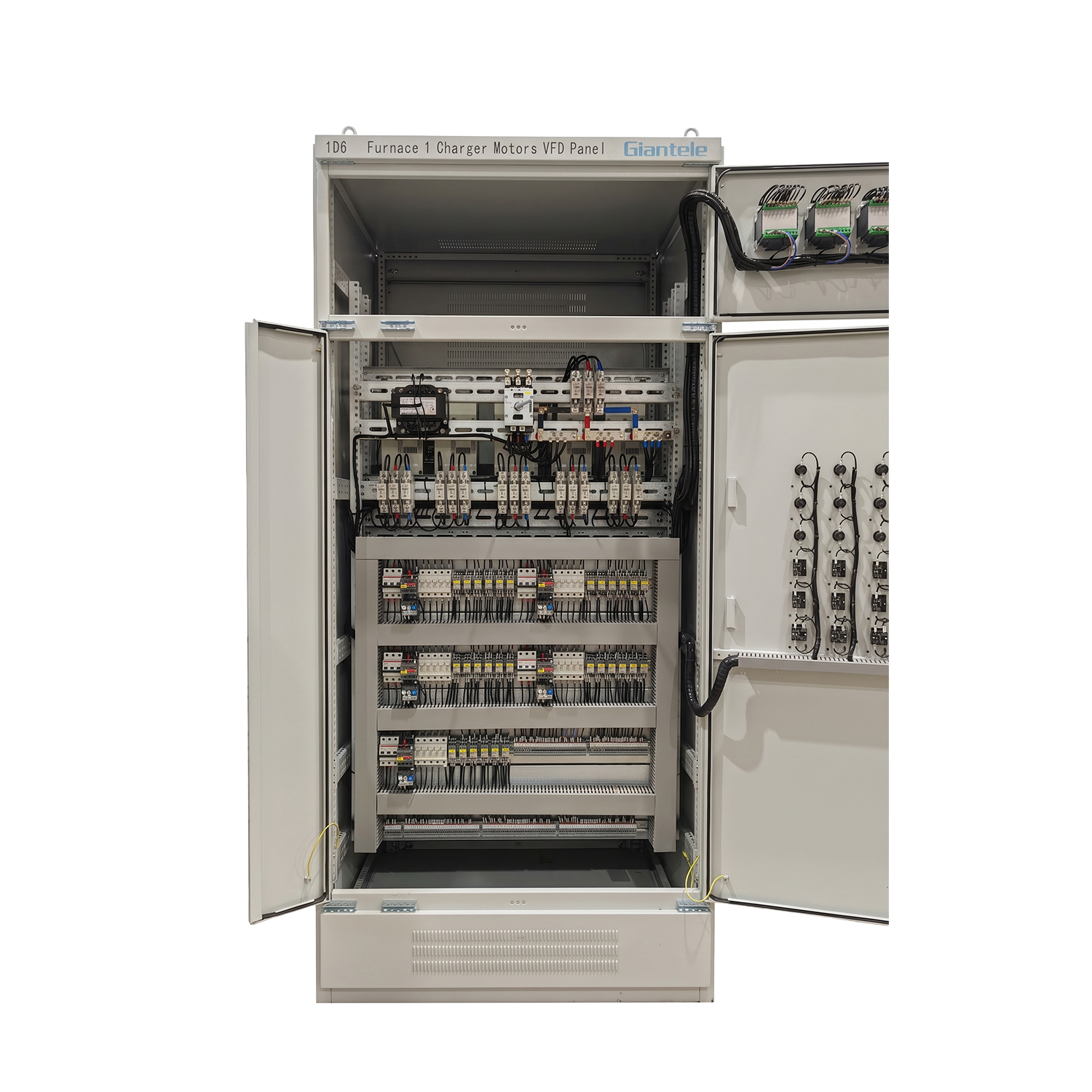
- VFD installation is the highest-return upgrade: Replacing a fixed-speed starter with a variable frequency drive on a pump or fan saves 20-50% of that motor's energy consumption. The vfd remote control panel pays for itself in 12-36 months on continuously running motors above 15kW.
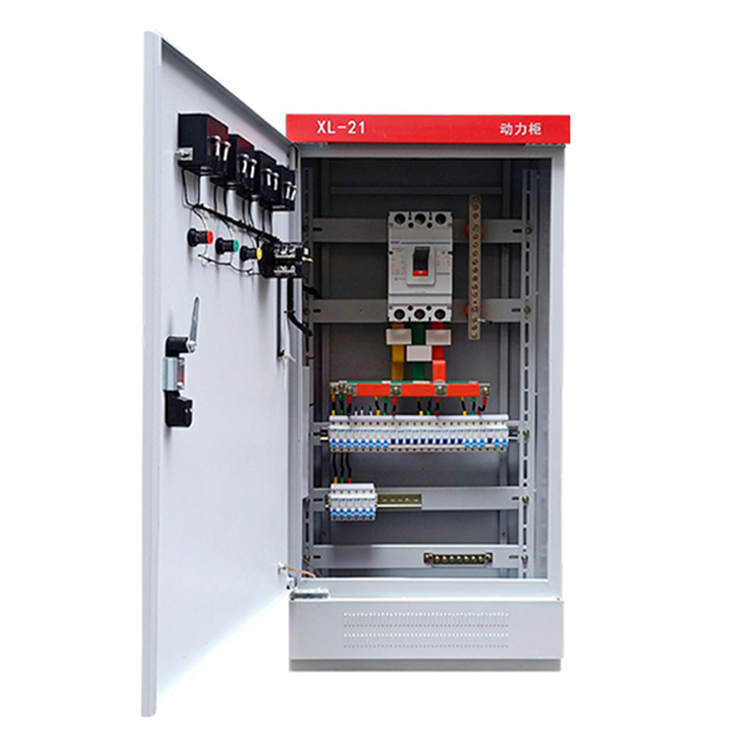
- Power factor correction reduces electricity bills directly: Many utilities charge penalties for power factor below 0.90. An APFC panel on the low voltage switchgear corrects the power factor and eliminates the penalty while reducing line losses.
- Harmonic filtering improves system efficiency: Harmonic currents waste energy as heat in transformers and cables. Active harmonic filters remove the distortion and recover 1-3% of the total energy that would otherwise be lost.
- Energy monitoring is the foundation: You cannot improve what you do not measure. A control panel supplier who installs energy metering per motor feeder gives you the baseline data to verify every upgrade's savings.
The energy efficiency upgrade options for industrial control panels

Four upgrades that reduce industrial energy consumption
Most industrial energy efficiency upgrades target the motor control system because that is where the energy is consumed. A vfd control panel replaces the fixed-speed starter and runs the motor at the speed the process actually needs. Power factor correction capacitors reduce the reactive power that the utility still charges for. Harmonic filters remove distortion that wastes energy as heat. Energy meters give you the data to verify the savings.
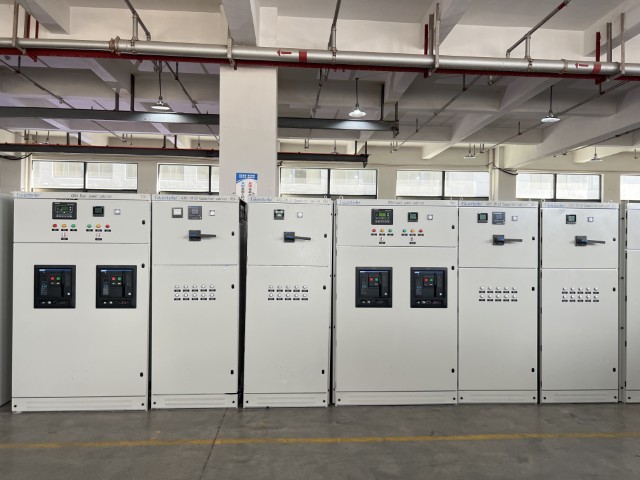
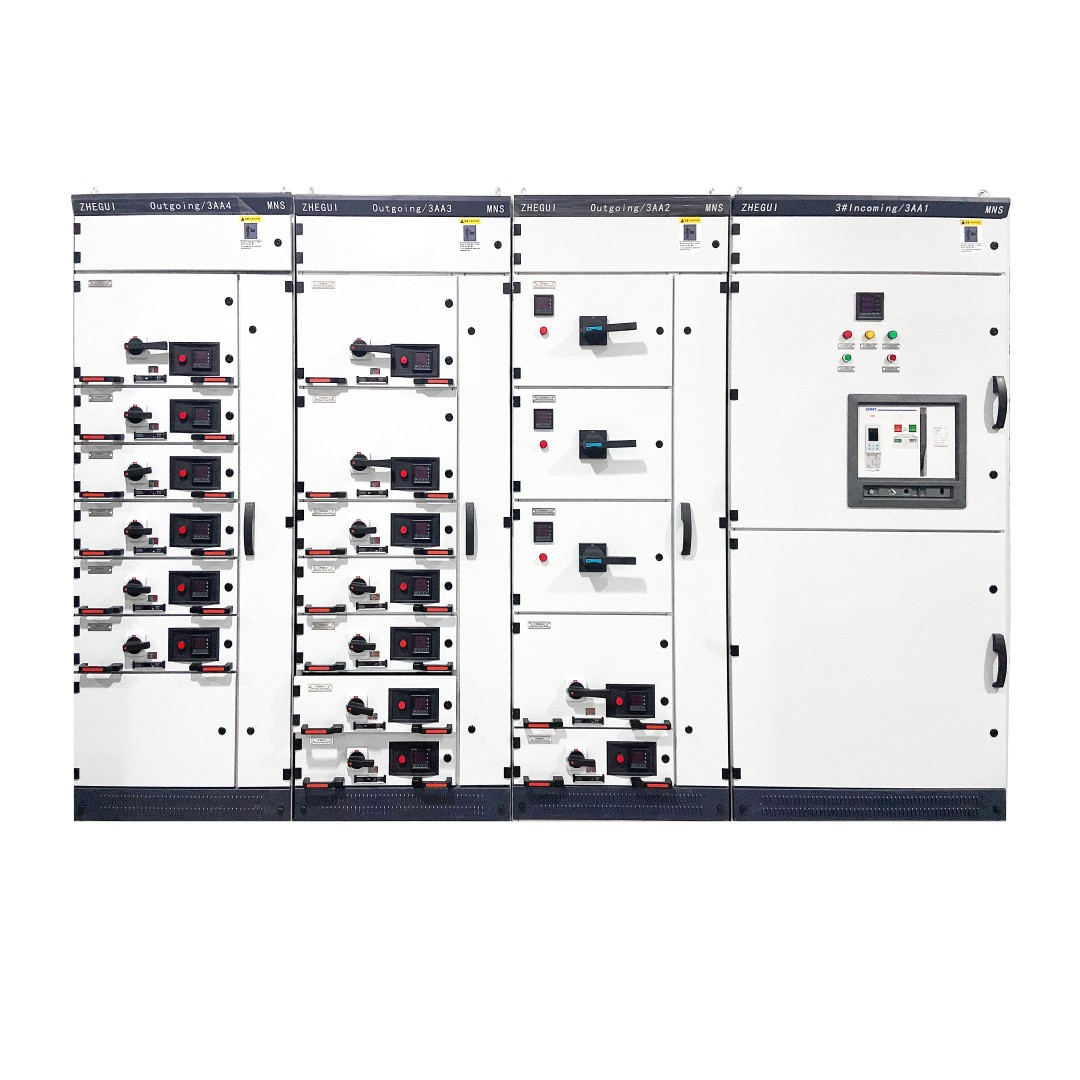
The low voltage switchgear that feeds the motor control system is the natural location for these upgrades. Adding an energy monitoring system and power factor correction at the switchgear level captures savings across every motor feeder rather than one motor at a time.
A switchgear control panel upgrade is different from a motor-level upgrade. Upgrading the switchgear adds energy metering, power factor correction, and harmonic filtering that benefit the entire installation. Upgrading an individual APFC panel corrects the power factor for a specific section. Both approaches have a place, and the best vendors evaluate the whole system before recommending where to start.
Comparing energy efficiency upgrade options
| Upgrade | Typical Savings | Payback | Complexity |
|---|---|---|---|
| VFD on pump or fan motor | 20-50% of motor energy | 12-36 months | Moderate — requires VFD, wiring, and commissioning. |
| Power factor correction (APFC) | Eliminates penalty, reduces losses 1-3% | 12-24 months | Low — panel added at switchgear level. |
| Active harmonic filter | Recovers 1-3% lost energy | 24-48 months | Moderate — requires harmonic study and sizing. |
| Soft starter on large motor | 5-15% at start-up, reduces mechanical stress | 24-48 months | Low — replaces DOL starter. |
| Energy metering system | Enables 5-10% through optimisation | 6-18 months | Low — meters installed per feeder. |
Low voltage motor control upgrades that combine a VFD with power factor correction deliver the largest combined savings. The VFD reduces the energy consumed by the motor. The active harmonic filter then cleans up the harmonic distortion that the VFD introduces, preventing the distortion from reducing the efficiency of the entire electrical system. A good control panel supplier designs these elements together rather than selling them as separate bolt-on products.
Evaluating vendors for energy efficiency upgrades
How to verify a vendor's energy savings claims
Every vendor promises energy savings. Few can demonstrate them with data. The difference between a genuine energy efficiency vendor and a hardware seller is the measurement methodology. A genuine vendor measures the baseline energy consumption before the upgrade, installs the equipment, and measures again after. The savings claim is the difference between the two measurements, documented with before-and-after energy data.
Industrial control devices that enable energy savings — VFDs, soft starters, harmonic filters — are commodities. The value is in the vendor's ability to size them correctly, integrate them with the existing electrical control panel, and verify the savings. A vendor who sells a VFD without measuring the before-and-after energy consumption has not delivered an energy efficiency upgrade. They have delivered a component.

The medium voltage switchgear on the supply side may also contribute to energy losses that a low voltage upgrade cannot address. An ring main unit with poor contact resistance wastes energy as heat. A comprehensive energy efficiency audit covers the entire electrical distribution system from the transformer through the switchgear to the motor terminals, not just the control panel box.
The role of control panel cabinets in energy efficiency

Four cabinet-level decisions that affect energy efficiency
A generator control panel serving backup power and an industrial electronic box for a production line both benefit from the same energy efficiency principles: correct sizing, proper connections, and effective heat management. The ISO 9001 framework requires documented verification of energy-related design decisions, and the IEA has documented that industrial facilities implementing comprehensive motor system efficiency measures achieve the fastest energy payback of any single investment category. The IEC 61439 standard provides the verification framework for the assembly.
Frequently asked questions
Which energy efficiency upgrade should I do first?
How much energy does a VFD actually save on a pump?
Does power factor correction actually save energy?
How do I verify that an energy upgrade delivered the promised savings?
Can I upgrade my existing control panel instead of replacing it?
What is the role of a control panel supplier in energy efficiency?
Final thoughts
Industrial control panel energy efficiency upgrades deliver the fastest energy payback of any investment category because motor systems consume most industrial electricity. The sequence is measurement first, then VFD installation on the largest variable-demand loads, then power factor correction and harmonic filtering at the switchgear level. The vendor's value is in the measurement methodology and the integration, not the hardware. Choose a vendor who documents the before-and-after energy data and can substantiate the savings claim with numbers, not brochures.
Discuss Your Energy Efficiency Upgrade
Send us your motor list and current energy consumption data. Our engineering team provides an upgrade assessment with VFD sizing, power factor correction, and measurement plan for your facility.