Before an OEM machine builder commits to a production run of fifty identical control panels, they need one working prototype to validate the design. Before an engineer specifies a generator control panel for a power project, they want to see the wiring, test the logic, and confirm the layout before ordering a full fleet. Prototype services fill this gap between design and mass production. This guide explains what industrial control panel assembly companies that provide prototype services actually deliver, and how to evaluate them.
Key Takeaways
- Prototype panels validate the design before mass production: A prototype reveals wiring errors, component clearance problems, and thermal issues that drawings never show. Catching these in one prototype costs far less than discovering them in a production run of fifty.
- Prototype and production require different capabilities: A prototype builder is fast and flexible, willing to change the layout mid-build. A production builder is optimised for repeatability. The best enclosure companies do both, building the prototype and then transitioning to production without re-engineering.
- Documentation from the prototype feeds the production run: The as-built drawings, bill of materials, and test results from the prototype become the production template. A prototype built without documentation delivers no value to the production phase.
- Prototype lead time matters more than price: A machine builder waiting on a prototype is losing development time. A prototype delivered in three weeks is worth more than one delivered in eight at half the price. Fast iteration beats cheap iteration.
What prototype services deliver in industrial control panel assembly

A prototype is more than a first article
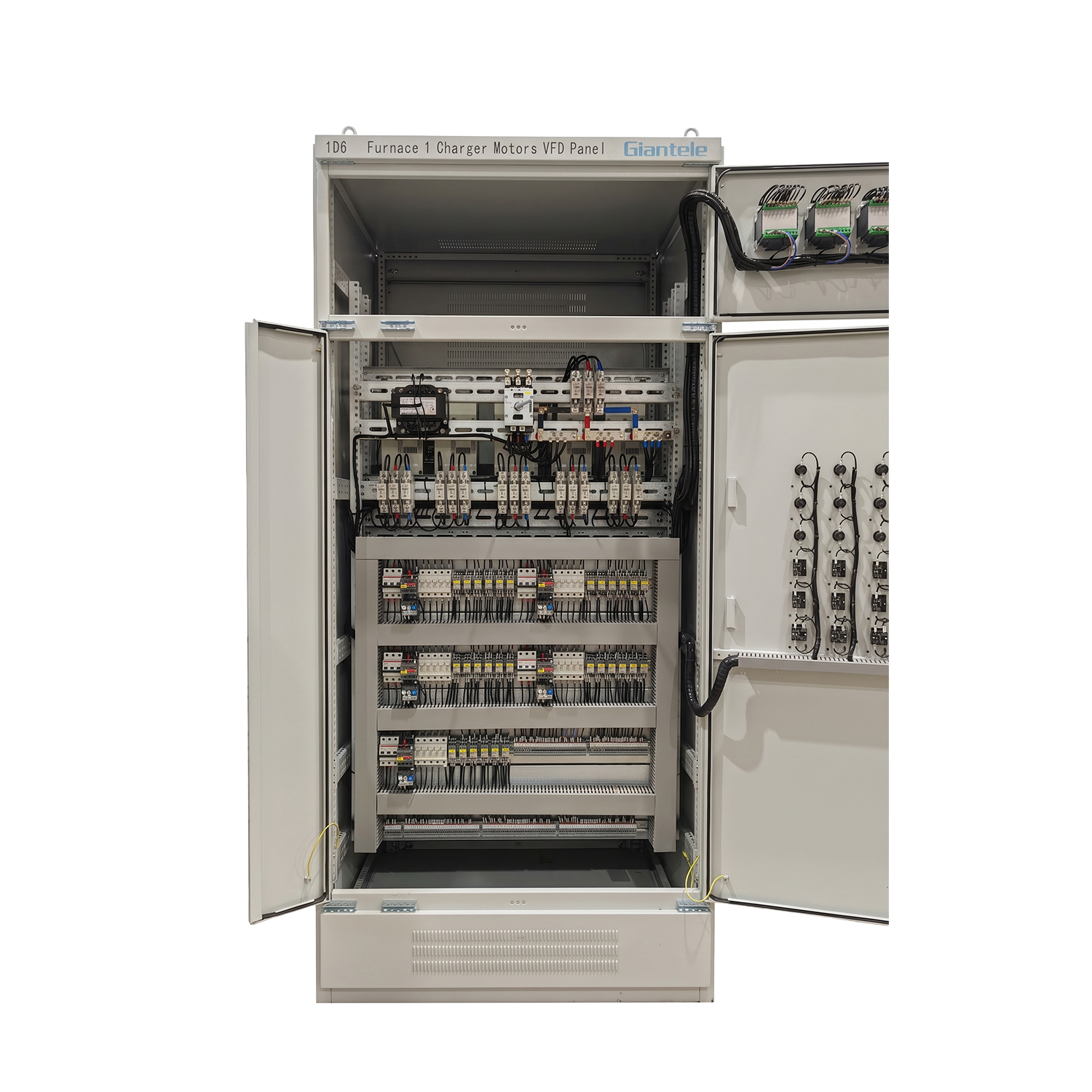
A prototype control panel is built from a design that is still being validated. The assembly company builds one unit, tests it, and documents what works and what does not. The prototype may go through multiple revisions before the design is frozen for production. A vfd remote control panel prototype, for example, validates the VFD sizing, the cooling arrangement, and the communication wiring before the design is replicated.
The prototype output is not just the panel. It is the panel plus a documented bill of materials, as-built wiring diagrams, a test report, and a list of design changes required before production. Enclosure companies that understand prototypes deliver this documentation package as a deliverable, not as an afterthought.
A prototype for a ATS control panel validates the transfer logic and the mechanical interlocks that prevent both sources connecting simultaneously. A prototype for a generator control panel or start generator control panel validates the start sequence, the load transfer timing, and the fault handling. The control panel cabinets used for prototype builds are typically off-the-shelf enclosures that are modified during the design iteration, rather than custom enclosures that lock in the layout too early.
Prototype versus production: what changes between the two
| Aspect | Prototype Build | Production Run |
|---|---|---|
| Design flexibility | High — layout and components can change mid-build as design issues emerge. | Frozen — design locked after prototype approval. Changes require engineering change orders. |
| Documentation | As-built drawings and test results generated from the actual build. | Standardised drawings replicated from the approved prototype. |
| Testing focus | Design validation — does the design work as intended? | Consistency validation — does each unit match the approved design? |
| Lead time | 2-4 weeks for a single unit with close engineering collaboration. | 4-8 weeks per batch depending on quantity and component availability. |
| Cost per unit | Higher — engineering time, one-off component sourcing, and revision work. | Lower — material volume discounts, optimised build process, repeatable labour. |
The transition from prototype to production is where many projects stall. An industrial control panel manufacturer who builds a good prototype but cannot replicate it consistently produces a production run that differs from the approved unit. The custom industrial control panels builder who handles both phases ensures the prototype documentation becomes the production template, eliminating the gap between what was approved and what is delivered.
Selecting enclosure companies for prototype work
What separates a prototype-capable builder from a production shop
A production shop is optimised for repeatability. Their processes assume the design is correct and the only task is to build it the same way every time. A prototype shop must handle design uncertainty. The layout changes when a component does not fit. The wiring changes when a test reveals a logic error. The prototype builder's value is the willingness and ability to iterate quickly.
An electrical control panel prototype requires an engineering collaboration that production work does not. The builder's engineer reviews the design with the customer, identifies potential issues before the build, and suggests improvements during the build. A shop that only assembles from a drawing cannot provide this level of engagement. Ask whether the builder assigns a dedicated engineer to prototype projects or simply hands the drawing to the shop floor.

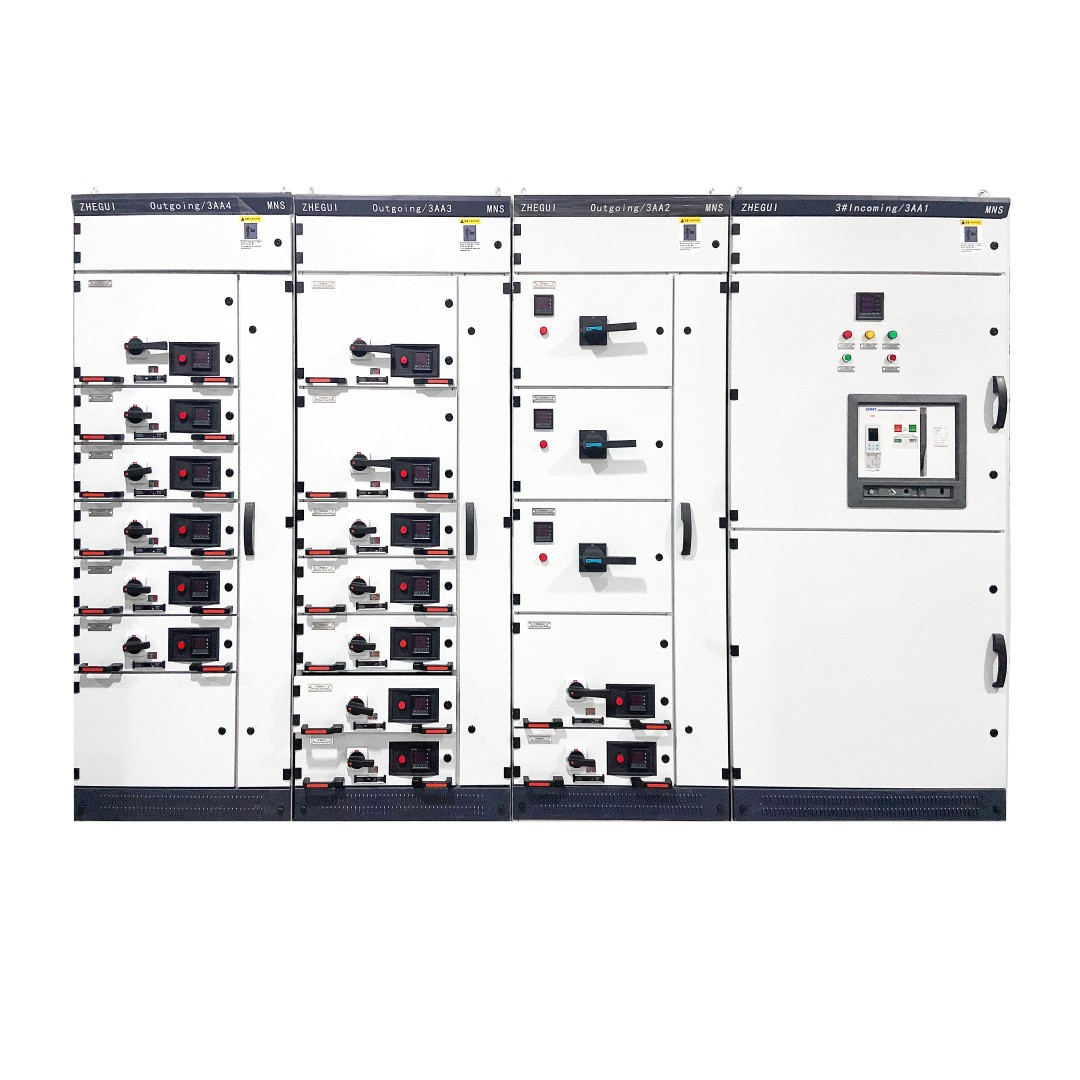
A switchgear control panel prototype involves higher voltage and current ratings than a standard control panel box, requiring the prototype builder to have the test equipment and the safety procedures for testing at those ratings. A control panel supplier who builds prototypes for low voltage switchgear applications needs the short-circuit test capability, the temperature rise measurement equipment, and the arc flash awareness to validate the prototype safely.
From prototype to production: the transition process

Four steps from prototype approval to production run
Industrial control panel manufacturers with prototype capability understand that the prototype is the front end of a larger project. The motor control center panels that follow the prototype benefit from the documentation and lessons learned during the prototype build. The ISO 9001 framework requires documented control of design changes, which is exactly the process that governs the prototype-to-production transition. The IEA has noted that industrial equipment manufacturers who invest in prototype validation before mass production reduce warranty claims and field failures significantly. The IEC 61439 standard provides the verification framework for the prototype assembly.
Frequently asked questions
What is the difference between a prototype and a first article inspection?
How much does a prototype control panel cost compared to production?
How long does a prototype control panel take to build?
Can the same company build the prototype and the production run?
What should I provide to a prototype builder?
How do I evaluate enclosure companies for prototype work?
Final thoughts
Industrial control panel assembly companies that provide prototype services occupy a different position in the supply chain than production-only shops. The prototype builder's value is engineering collaboration, design iteration, and documentation — the willingness to build one unit, learn from it, and turn that learning into a production template. When evaluating a prototype builder, look past the price and the panel itself. Look at the documentation package, the engineering engagement, and the transition path from prototype to production. Those are the deliverables that determine whether the prototype was an investment or an expense.
Discuss Your Prototype Control Panel Project
Send us your functional specification and motor list. Our engineering team provides a prototype build with complete documentation and a clear transition path to production.