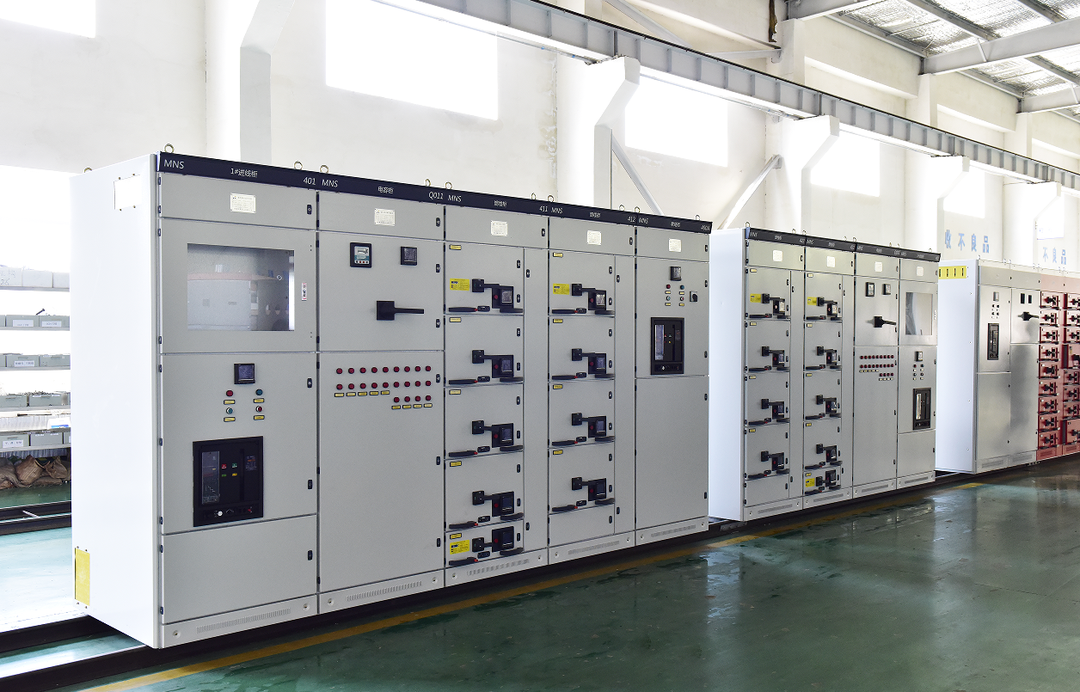
Industrial facilities rarely stay the same size. A plant built with ten motor feeders today may need thirty in five years. A modular control panel system grows with the facility by adding sections, drawers, and components to the existing structure rather than replacing it. Finding a supplier who builds genuinely scalable modular systems — not just panels that happen to sit side by side — requires knowing what to look for. This guide explains the search process, the evaluation criteria, and the questions that separate modular capability from marketing language.
Key Takeaways
- Scalable means growth without replacement: A modular system accepts new motor feeders, new VFDs, and new control sections without replacing the busbar, the enclosure structure, or the existing wiring. If expansion requires a new panel alongside the old one, the system is not scalable. It is merely extendable.
- The busbar is the scalability bottleneck: A modular system is only as scalable as its busbar rating. If the horizontal busbar was sized for the initial load with no margin, adding capacity means replacing the busbar, which defeats the purpose. Electrical cabinet suppliers who understand scalability oversize the busbar at commissioning.
- Modular components reduce expansion cost: Withdrawable drawer units, plug-in starters, and standardised control panel cabinets allow expansion during scheduled downtime without rewiring the entire panel. Fixed wiring systems force a full shutdown and significant rework for every addition.
- Supplier evaluation starts with a reference visit: Ask a prospective supplier to show you a system they expanded after installation. A supplier who added capacity to an operating plant has demonstrated the scalability they claim. A supplier who has only built new systems has not.
What scalable modular systems actually mean for control panels

Modularity is a design decision, not a product feature
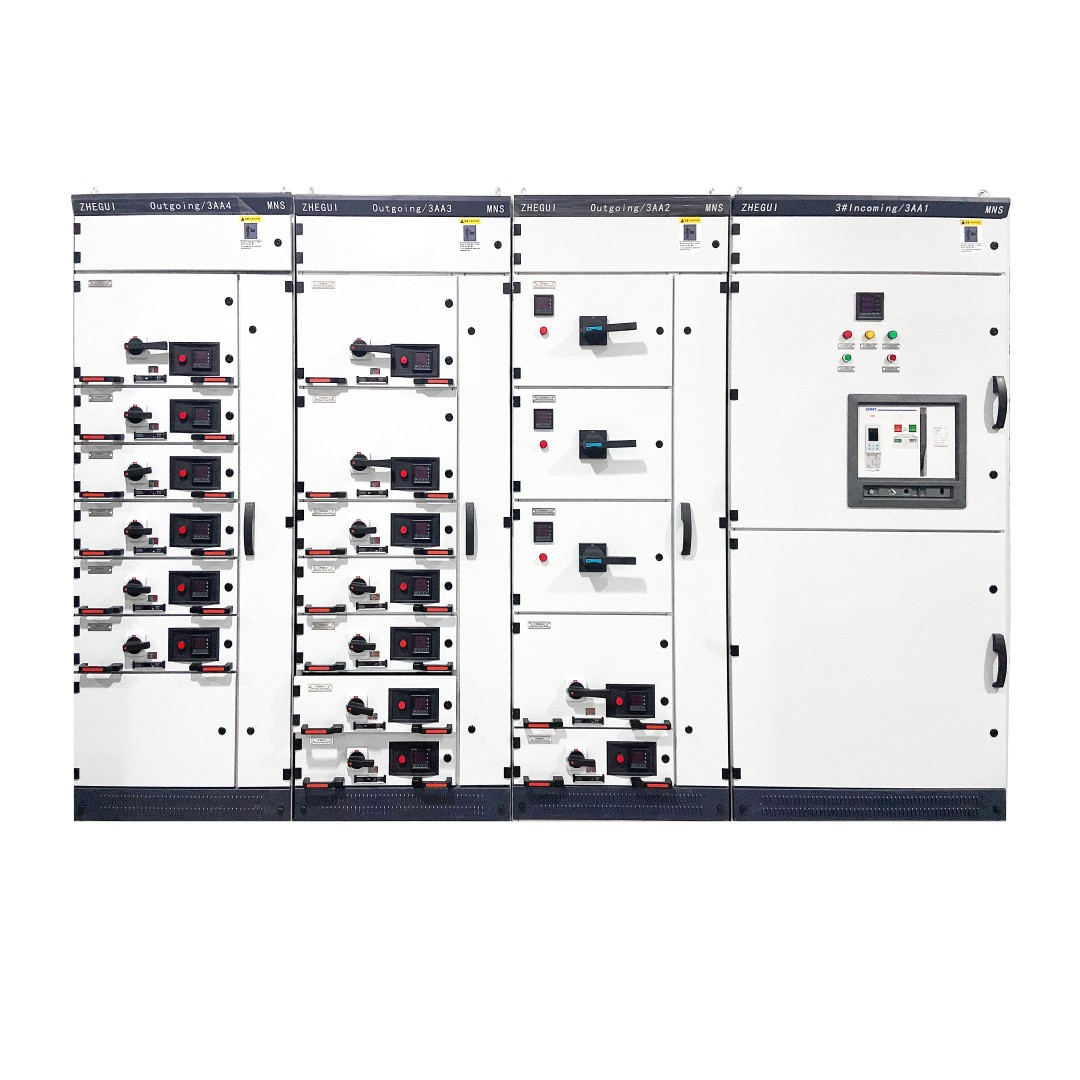
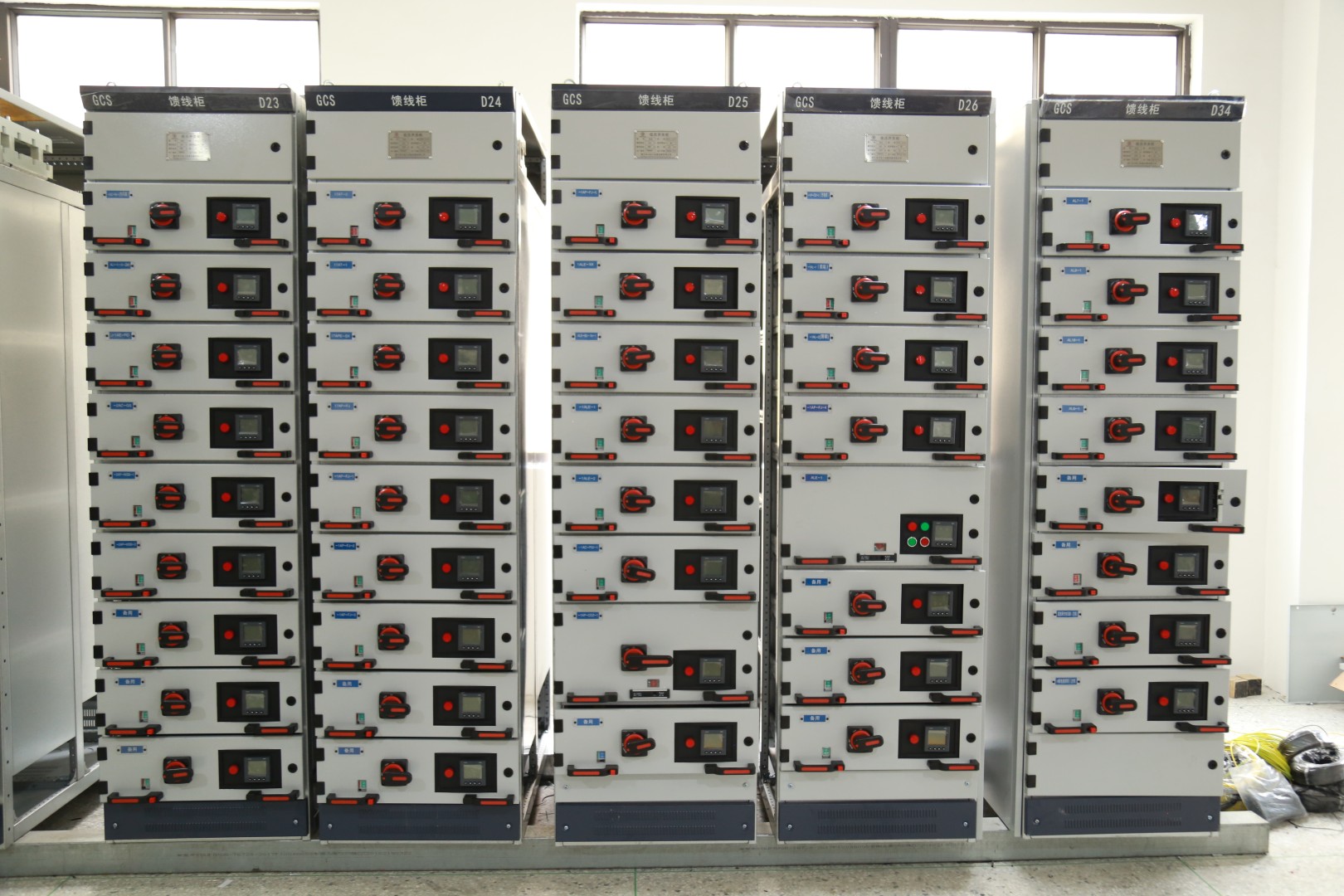
A genuinely modular control panel system is designed from the start to accept additions. The busbar is oversized. The enclosure structure has spare vertical sections. The motor starters are withdrawable drawer units that plug into the vertical busbar. Adding a motor means inserting a drawer unit, not rewiring a section. This is what electrical cabinet suppliers mean by modularity when they understand the term.
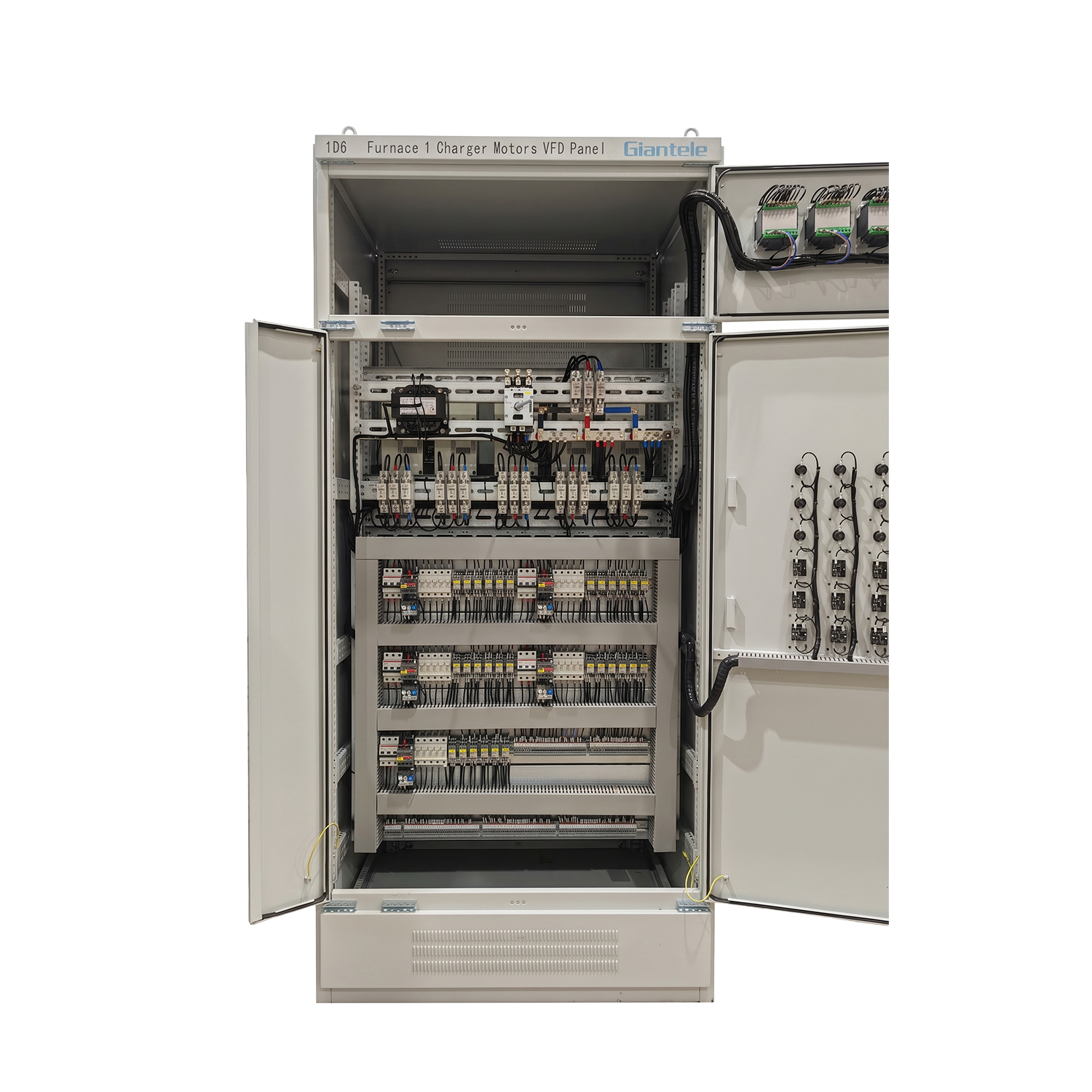
The opposite is a fixed system where every component is bolted to a back plate and wired point-to-point. Adding a motor to a fixed system means mounting new components, drilling new holes, and running new wiring through an already crowded panel. The expansion costs more and takes longer, and repeated expansions degrade the quality of the original wiring.
A motor control center built as a modular system is the clearest example. The withdrawable units for low voltage motor control slide into the vertical busbar, and the MCC grows by adding sections to the lineup. The IEC 61439 standard provides the verification framework for busbar systems, including the thermal limits that determine how much capacity can be added before the busbar must be upgraded.
How to find suppliers offering scalable systems
Five steps to a shortlist of qualified suppliers
The search starts with terminology. Search for "modular motor control center", "withdrawable switchgear", and "scalable control panel" rather than generic "control panel suppliers". The terminology filters out suppliers who only build fixed systems. Look for suppliers whose product literature describes the busbar rating, the drawer unit sizes, and the expansion procedure, not just the enclosure dimensions.
Then verify the claims. A supplier who says their system is scalable should be able to show you a system they expanded after installation. Ask for the before-and-after documentation from an expansion project. The expansion should show new sections added to the existing lineup without replacing the original busbar or rewiring the original sections.

An electrical control box or control panel box for a small machine has different scalability requirements than an industrial electrical cabinet for a plant motor control system. The capacitor bank and the SVG panel on the distribution side must also be considered when the plant grows. A control panel supplier who understands the entire electrical system, not just the panel, provides a more realistic scalability assessment than one who focuses only on the panel they are selling.
Evaluating modular system suppliers: the technical questions
| Question | What a Capable Supplier Answers | What a Marketing Answer Sounds Like |
|---|---|---|
| What is the horizontal busbar rating margin at commissioning? | "25-40% above connected load, documented in the thermal calculation." | "It has plenty of capacity for your application." |
| How is a new motor feeder added after installation? | "Insert a withdrawable drawer unit into the spare vertical section during a scheduled shutdown." | "We can add anything you need." |
| What spare capacity exists in the vertical busbar? | "Each vertical section is rated for a fully populated section regardless of initial fill." | "The busbar handles everything." |
| Show me an expansion you completed. | Provides before-and-after documentation of a real expansion project. | "We have many satisfied customers." |
| What is the maximum number of sections per lineup? | States the engineering limit based on busbar short-circuit withstand and heat dissipation. | "As many as you need." |
Generator control systems and low voltage switchgear systems follow the same modularity principles. A generator system that adds a second generator later needs a scalable ATS and synchronising arrangement. A power capacitor bank should accept additional stages as the plant load grows. Each subsystem contributes to the overall scalability of the electrical infrastructure.
The VFD and automation layer in modular systems

Four elements that must scale together
A switchgear control panel that scales electrically but not in control capacity creates a bottleneck at the automation layer. The APFC panel stages for power factor correction must scale as more VFDs are added, or the harmonic distortion will exceed limits as the system grows. The ISO 9001 framework requires documented design review, which is where scalability decisions should be verified. The IEA has noted that modular, expandable industrial power systems reduce the total lifecycle cost of electrical infrastructure by avoiding the premature replacement that fixed systems require.
Frequently asked questions
What is the difference between scalable and extendable control panels?
How much spare capacity should a scalable system have at commissioning?
Can I add motors to an existing fixed-wiring control panel?
How do I verify a supplier's modularity claim?
What is the role of control panel cabinets in a scalable system?
How does the automation layer affect scalability?
Final thoughts
Finding industrial control panel suppliers who offer genuinely scalable modular systems comes down to separating engineering from marketing. The scalable supplier shows you the busbar calculation, the spare capacity, and an expansion they completed. The marketing supplier shows you a brochure that says "scalable" without the numbers. When you find a supplier who can document the margin at commissioning and demonstrate the expansion procedure, you have found a supplier who builds systems that grow with your facility rather than systems that force replacement as the facility grows.
Discuss Your Scalable Control Panel Requirements
Send us your current motor list and projected five-year growth. Our engineering team provides a scalable panel design with documented busbar margin and expansion capacity.