
Heating, ventilation, and air conditioning systems run fans, pumps, chillers, and compressors continuously. In a commercial building or industrial facility, HVAC equipment accounts for 40-60% of total electricity consumption. The control panels that run these systems determine whether that energy is used efficiently or wasted. Industrial control panel integrators who specialise in HVAC control understand both the electrical engineering and the mechanical system they control. This guide explains what HVAC control integration involves and how to evaluate integrators.
Key Takeaways
- VFD control is the foundation of efficient HVAC: Fans and pumps operating at fixed speed waste energy when demand is low. A vfd remote control panel that varies motor speed to match demand saves 30-50% on the motor energy for variable-load applications like AHUs and cooling towers.
- HVAC integration connects the electrical panel to the building: An HVAC control panel is not a standalone box. It integrates with temperature sensors, pressure transducers, building automation systems, and the facility's energy management. The integrator's value is in that integration, not just the panel.
- Turnkey delivery reduces multi-vendor coordination risk: Custom turnkey manufacturing solutions that deliver the panel, the programming, the installation supervision, and the commissioning as a single package eliminate the coordination gaps between the panel builder, the controls programmer, and the mechanical contractor.
- ATS panels protect HVAC continuity: ATS control panels automatically switch HVAC equipment to backup power during an outage, keeping critical ventilation and cooling running when the utility fails.
What HVAC control integration involves

The integrator connects panel, sensors, and building systems
An HVAC control integrator starts with the mechanical system design — the chillers, the air handling units, the pumps, the cooling towers, and the ductwork. From that design, they derive the electrical control requirements: which motors need VFD control, which need soft starting, which sensors provide the feedback signals, and how the whole system responds to changing demand.
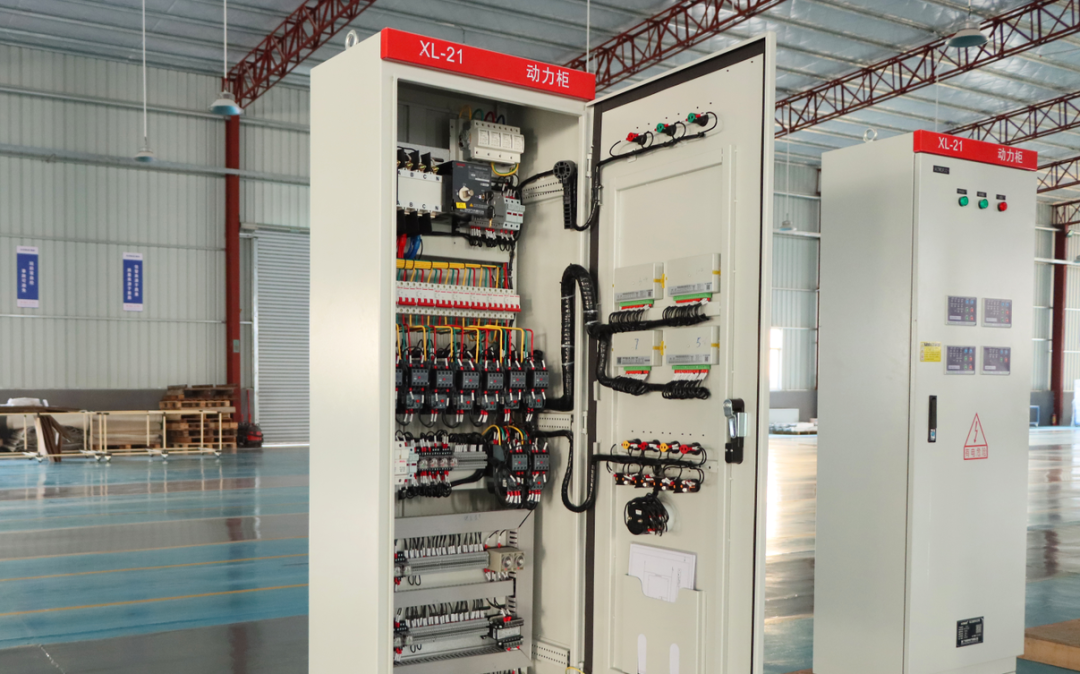
The electrical panel manufacturer then builds the control panel cabinets that house the starters, the VFDs, and the control logic. But the panel is only one piece. The integrator also programs the control sequence, connects the sensors, and commissions the system so that the chillers stage correctly, the pumps modulate with demand, and the AHU fans deliver the right airflow. This end-to-end scope is what turn key solutions provide.
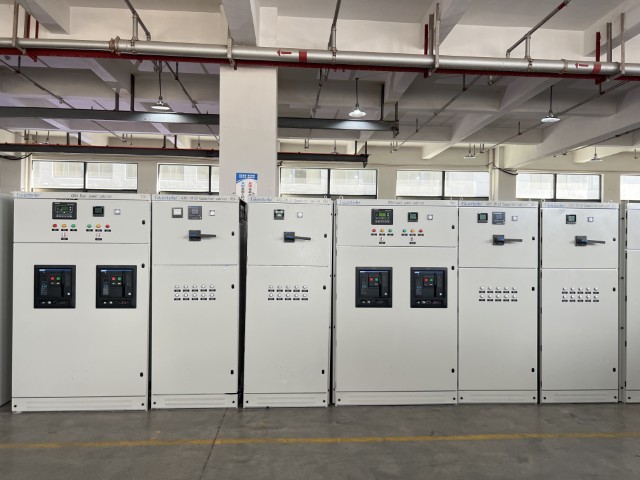
The motor control center panels that run large HVAC plants integrate multiple systems: chillers, cooling towers, condenser water pumps, and air handling units. A switchgear control panel on the supply side provides the distribution and protection for these loads. The IEC 61439 standard provides the verification framework for the assembly, while the HVAC-specific control logic follows the building automation protocols.
VFD control for HVAC fans and pumps
Variable speed is where HVAC energy savings come from
HVAC fans and pumps rarely run at full capacity. A cooling tower fan runs at full speed only on the hottest day. An AHU supply fan modulates with occupancy and outside temperature. Running these motors at fixed speed wastes energy whenever demand is below peak. Industrial control devices like variable frequency drives match the motor speed to the actual demand, and the savings follow the affinity laws: a 20% speed reduction saves nearly 50% of the energy.
A vfd control panel for HVAC applications includes the drive, the bypass contactor for maintenance, the harmonic mitigation, and the control interface that responds to the building automation system. The integrator sizes the VFD for the motor, programs the speed setpoint response, and commissions the bypass so maintenance can continue while the drive is serviced.

An active harmonic filter is often required when an HVAC plant runs many VFDs on the same busbar. The harmonic distortion from a dozen drives degrades transformer efficiency and can cause nuisance tripping. An APFC panel for power factor correction addresses the reactive power that VFDs and induction motors draw, reducing the utility's power factor penalty and improving the efficiency of the low voltage switchgear.
ATS panels for HVAC backup power
| HVAC Equipment | Control Requirement | Integration Point |
|---|---|---|
| Air handling unit (AHU) | VFD on supply and return fans, damper control, temperature and pressure feedback. | Building automation system with setpoint and schedule control. |
| Chiller plant | Staging logic for multiple chillers, condenser water pump VFD control, chilled water reset. | Plant controller with demand-based staging and energy optimisation. |
| Cooling tower | Fan VFD control based on condenser water temperature, basin heater control. | Chiller plant controller for coordinated tower and chiller operation. |
| Pumping system | Primary and secondary pump VFDs, differential pressure control, pump rotation. | Hydronic system controller with pressure and flow feedback. |
| Backup power | ATS control panel for automatic transfer to generator or second utility source. | Critical load management to keep ventilation and cooling on backup power. |
An ATS control panel ensures the HVAC plant keeps running when the utility power fails. In hospitals, data centres, and pharmaceutical facilities, ventilation and cooling are life-safety or process-critical loads that cannot stop. The ATS transfers these loads to backup power automatically, and the integrator coordinates the transfer sequence so the VFDs restart correctly rather than tripping on the sudden re-application of power.
Selecting an HVAC control integrator

Four capabilities that define a strong HVAC integrator
The ISO 9001 framework requires documented control of the integration process, and the IEA has identified HVAC as one of the largest and most cost-effective sources of building energy savings through VFD adoption and system optimisation. Turnkey solutions inc have grown the HVAC controls market by offering complete packages that eliminate the coordination burden on the facility owner, though the buyer must still verify the integrator's HVAC-specific experience rather than assuming a general electrical panel manufacturer understands chiller staging or hydronic loops.
Frequently asked questions
What does an HVAC control panel integrator do?
How much energy does VFD control save in HVAC systems?
Why is an ATS control panel important for HVAC systems?
What is the difference between turnkey and multi-vendor HVAC delivery?
How do HVAC panels integrate with building automation systems?
How do I evaluate an electrical panel manufacturer for HVAC work?
Final thoughts
Industrial control panel integrators who specialise in HVAC control deliver more than panels. They deliver the control sequences, the VFD programming, the building automation integration, and the commissioning that turn an electrical panel into a working HVAC system. The turnkey approach reduces the coordination burden on the facility owner, but the integrator's HVAC-specific experience is what determines whether the system performs. When evaluating an integrator, ask for the control sequence before the panel, the HVAC reference projects, and the BMS integration capability. Those are the deliverables that separate a true HVAC integrator from an electrical panel manufacturer who happens to build a box for an air handler.
Discuss Your HVAC Control Panel Project
Send us your mechanical system design and motor list. Our engineering team provides a control sequence, VFD sizing, and a complete panel specification for your HVAC plant.