
Water treatment plants operate motors, pumps, blowers, chemical dosing equipment, and filtration systems continuously. The industrial power systems that control these processes must survive humidity, chemical exposure, temperature swings, and 24-hour operation. Selecting an industrial control panel vendor who understands both the electrical engineering and the water treatment environment is the difference between a panel that runs for two decades and one that fails within two years. This guide covers the enclosure rating requirements, the scalable architecture principles, and the vendor evaluation criteria specific to water treatment applications.
Key Takeaways
- Enclosure IP rating is the first design decision: A water treatment plant is a wet environment by definition. The water resistant enclosure rating for a control panel in a pump hall or outdoor treatment area must be IP65 minimum. Indoor chemical dosing rooms need IP54 with corrosion-resistant materials.
- A scalable water treatment MCC handles growth without replacement: Treatment plants expand in phases as population and regulatory requirements grow. A scalable system accommodates additional pump starters, VFDs, and chemical dosing controllers without busbar replacement or enclosure modification.
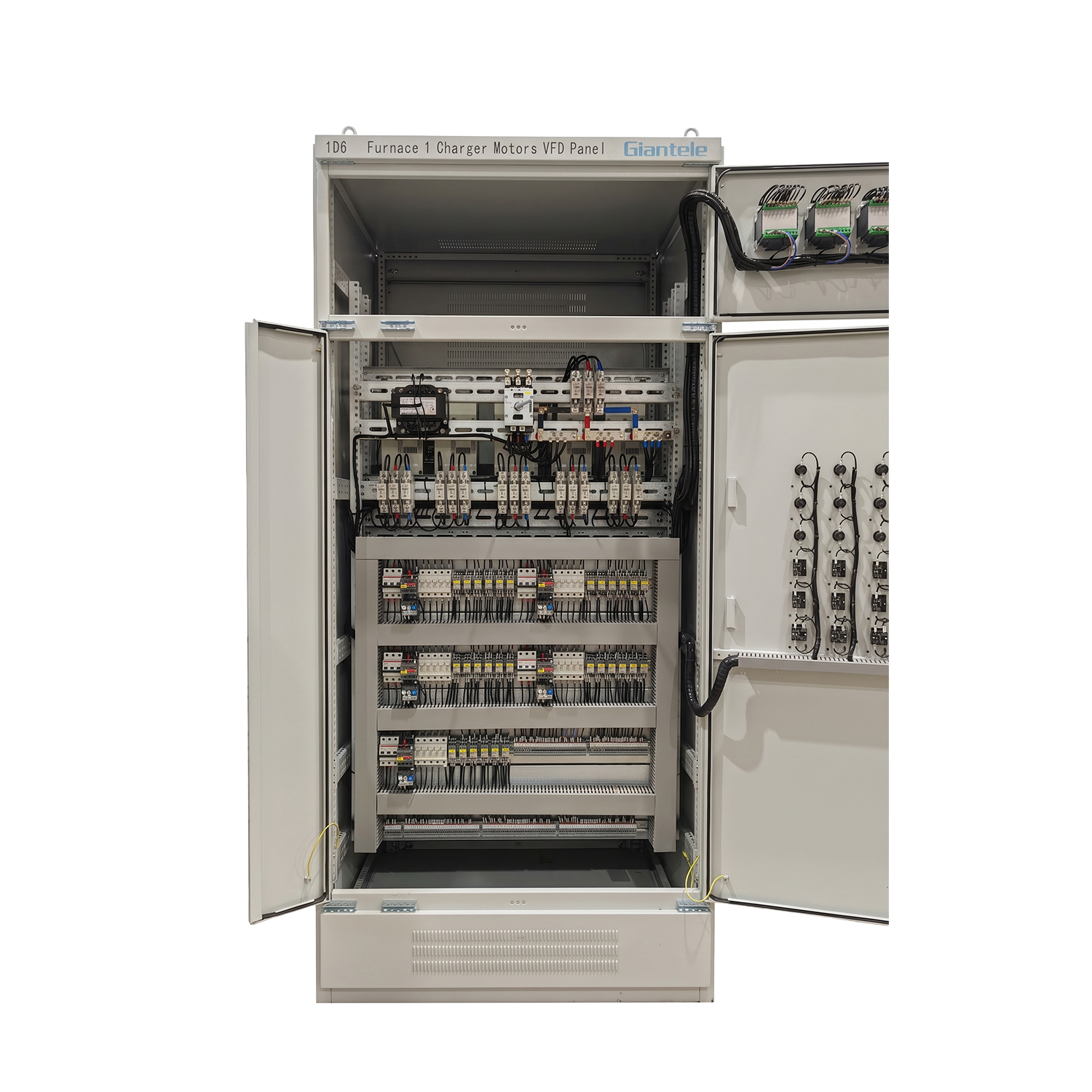
- VFDs dominate water treatment power consumption: Pumps and blowers account for 80-90% of a treatment plant's electricity consumption. VFD-controlled pumps reduce energy costs by 20-40% compared to fixed-speed operation. The industrial power system solutions architecture must be designed for VFD harmonic management from the start.
- Turnkey solutions reduce multi-vendor coordination risk: Custom turnkey manufacturing solutions that deliver the complete electrical package from incomer to motor terminal eliminate the coordination gaps between the switchgear supplier, the MCC supplier, and the automation integrator.
IP enclosure ratings for water treatment control panels

Matching the ip water rating chart to the treatment plant zone
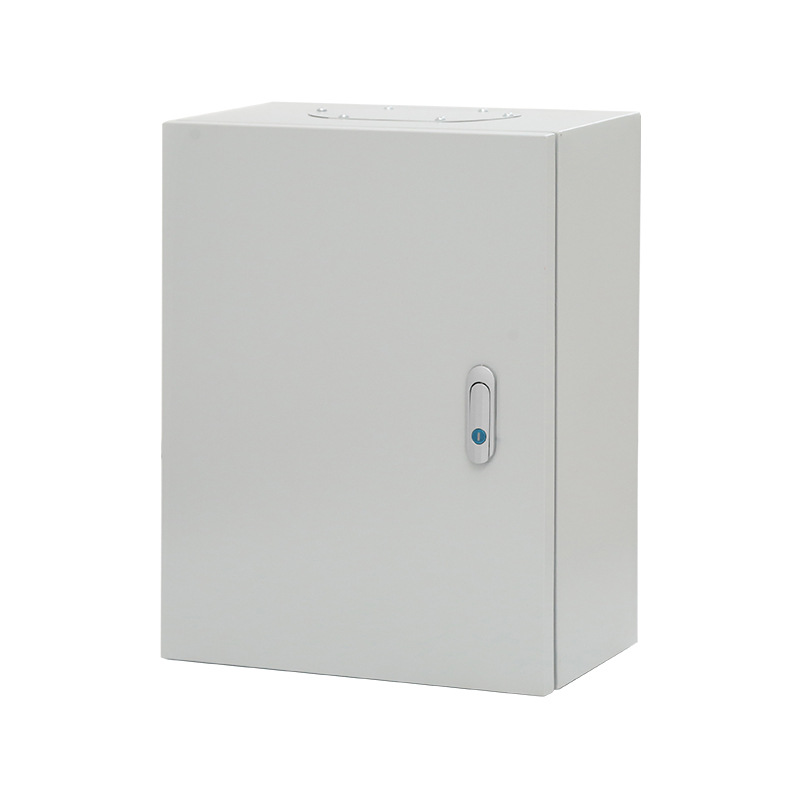
Water treatment plants have distinct environmental zones. A control panel in a clean electrical room away from water contact needs IP41. A panel in a pump gallery where water spray is possible needs IP54 minimum. A panel on an outdoor treatment structure exposed to rain and hose-down cleaning needs IP65 or IP66. The ip water rating chart is not optional. It is the first engineering decision for every panel in the plant.
The industrial electronic box that houses PLCs, communication gateways, and touchscreen HMIs is the most sensitive to water ingress. A standard industrial panel with IP41 in a pump hall will accumulate condensation inside the enclosure within weeks. The electronics short-circuit, the HMI touchscreen delaminates, and the control system fails. Stainless steel water resistant enclosure construction with welded seams, compression gaskets, and anti-condensation heaters is the minimum for any panel in a wet zone.
The IEC 61439 standard requires verification that the enclosure provides the specified degree of protection for the installation environment. For water treatment applications, the verification includes not just the IP rating test but also the material corrosion resistance, the gasket material compatibility with treatment chemicals, and the thermal management under high-humidity conditions. Systems for industrial automation in water treatment plants must function reliably in environments that would be classified as harsh for most other industries.
IP rating requirements by water treatment plant area
| Plant Zone | Minimum IP Rating | Enclosure Material | Key Environment Factor |
|---|---|---|---|
| Main electrical room (MCC room) | IP41 | Carbon steel, powder-coated | Controlled humidity, air-conditioned. Dust ingress is the primary concern. |
| Pump gallery / pump hall | IP54 minimum, IP65 recommended | 304 stainless steel | Water spray, condensation, vibration from running pumps. High humidity continuously. |
| Chemical dosing room | IP65 + chemical-resistant | 316 stainless steel or GRP | Chlorine gas, acid fumes, chemical corrosion. Enclosure material must resist specific chemicals. |
| Outdoor treatment structure | IP66 | 316 stainless steel | Rain, UV exposure, temperature extremes from -5°C to +50°C. Anti-condensation heater mandatory. |
| Sludge handling / digester area | IP65 | 316 stainless steel | Hydrogen sulphide, methane, corrosive gases. Explosion-proof rating may be required for biogas areas. |
| Laboratory / SCADA room | IP41-NEMA 1 equivalent | Carbon steel | Clean environment. Standard enclosure. Focus on cable management and accessibility. |
Industrial machine automation in water treatment often places control panels close to the equipment they control rather than in a central electrical room. This reduces cable costs and simplifies maintenance but increases the enclosure protection requirement. A panel next to a chlorination system needs a higher IP rating and better corrosion resistance than the same panel in the MCC room. APFC panel units for power factor correction in treatment plants face the same environmental challenges as motor control panels and require identical enclosure specifications.
LV Distribution Board architecture for growing water treatment capacity
Industrial power system solutions that grow with the plant
Water treatment plants rarely stay the same size. Population growth increases demand. New regulations require additional treatment stages. A treatment plant built for 50,000 people may need to serve 80,000 within a decade. The industrial power system solutions that control the plant must be designed for this growth from day one.
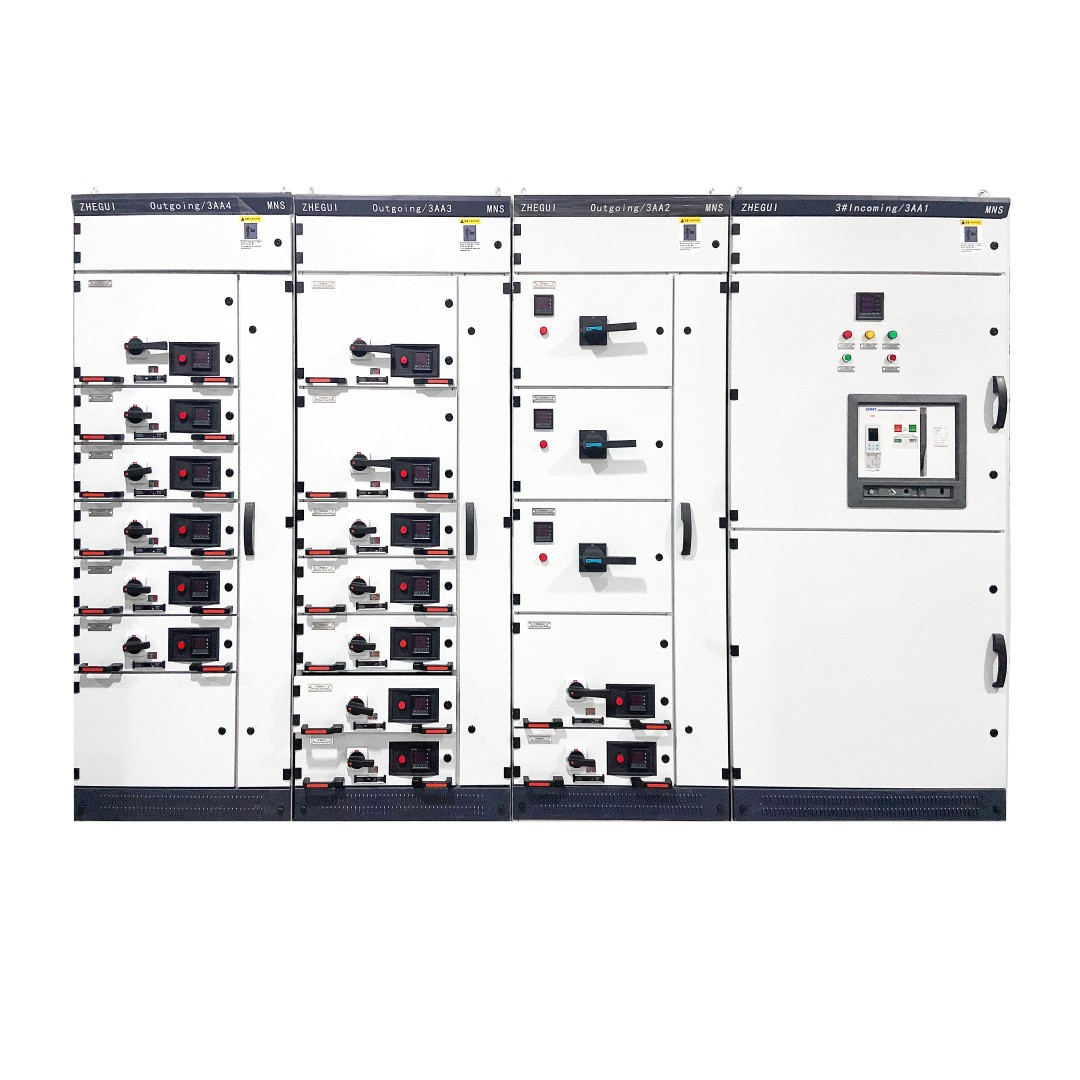
Scalable industrial power architecture for water treatment starts with withdrawable MCC sections. Adding a new pump means inserting a motor starter drawer unit into the existing vertical busbar. The busbar rating at commissioning must accommodate the full projected future load. The enclosure structure must have spare vertical sections reserved for future expansion. A 20% spare capacity in bucket positions and 25-30% spare busbar capacity at commissioning are targets that turn key solutions vendors should confirm during the design phase.

An motor control center for a water treatment plant typically includes pump starters, VFDs for variable-speed pumps, soft starters for large blowers, and control sections for chemical dosing equipment, UV disinfection systems, and sludge handling conveyors. Each of these systems may expand independently. The MCC architecture must allow adding a VFD bucket for a new pump without affecting the existing chemical dosing control section. Good industrial power vendors design the bucket schedule with growth zones allocated by process function.
Vendor evaluation for water treatment control panel projects

Four qualifications for water treatment panel vendors
A vendor who has built power factor correction systems for treatment plants understands the specific harmonic challenges of VFD-intensive pump control. Custom turnkey manufacturing solutions for the water industry require both the electrical engineering capability and the process understanding to deliver a system that works on site, not just on paper. An ring main unit on the plant medium-voltage distribution side may need to be coordinated with the low-voltage MCC to ensure consistent protection grading across the voltage levels.
Automation integration for water treatment processes
Systems for industrial automation in water treatment differ from factory automation in one critical respect: the process cannot stop. A factory can shut down a production line for maintenance. A water treatment plant that stops means untreated effluent discharging into a river or a community losing its drinking water supply within hours. The industrial electronic box controlling the plant must include redundancy for critical functions. An active harmonic filter serving the VFD busbar must continue operating if a single module fails — a modular filter design with N+1 redundancy is standard practice for water industry applications. The ISO 9001 quality framework requires documented verification of these redundancy functions during factory testing. The IEA identifies water treatment as a sector where VFD adoption and system design deliver the largest energy savings per unit of investment.
Frequently asked questions
What IP rating does a water treatment plant control panel need?
Why are VFDs important for water treatment plant power systems?
How do I ensure my water treatment MCC can grow with the plant?
What is the difference between turnkey and multi-vendor water treatment panel delivery?
How do chemical environments affect control panel enclosure selection?
What redundancy should a water treatment control system include?
Final thoughts
Water treatment plants demand industrial control panels designed for wet, chemically aggressive environments with continuous operation. The water resistant enclosure rating, the scalable MCC architecture, and the VFD harmonic management must be specified during the design phase, not resolved during commissioning. Vendors with water industry experience deliver turn key solutions that integrate pumps, blowers, chemical dosing, and filtration into a single control architecture with documented expansion capacity. The investment in a properly specified, properly enclosed, and properly tested panel is recovered through the two decades of reliable operation that a water treatment plant requires from its electrical infrastructure.
Discuss Your Water Treatment Control Panel Requirements
Send us your process description and motor list. Our engineering team provides a scalable panel design with IP-rated enclosures, VFD harmonic analysis, and a complete control architecture for your treatment plant.