
Where you buy an outdoor waterproof enclosure matters less than what you buy. A waterproof metal box with a rating label can still let water in. The seal is made at five interfaces, and none of them sits in the sheet metal.
Key Takeaways
- You buy an assembly, not a box. A sealed shell and a sealed board are two different claims.
- Cable entry and door seals cause most outdoor failures, not the metal.
- Condensation kills more boards than rain. A sealed box with no heater and no drain fills itself from the air.
- Match the finish to the site. Coastal salt and desert dust need different coatings and different hardware.
- Ask for the assembled rating. A box certificate does not cover the finished board.
Why the box is the easy part of an outdoor installation
A board that lives outdoors is not one product. It is a shell, a set of doors, a cable entry, a ventilation path and a thermal design. One party has to own all five.
Suppliers sell those parts differently. An enclosure maker quotes a shell with a rating. A panel builder quotes a finished assembly, with devices fitted and a routine test record attached.
The shell is only part of that answer. The assembly itself is verified to IEC 61439.
Only the second party can answer the question you are really asking. So the first decision is not which box. It is which kind of supplier you approach.
The five sealed interfaces that decide whether your outdoor enclosure stays dry
Five interfaces decide whether an outdoor waterproof enclosure survives its site. They are the cable entry, the door seal, the ventilation path, the condensate drain and the sun and thermal path.
Water, dust and heat cross those five, never the flat steel between them. Each one is a design decision you can write into an enquiry, not a part number you can shop for.
| Interface | What fails first | What to specify |
|---|---|---|
| Cable entry and gland plate | Water tracking down the cables and through the plate | A removable gland plate, entries facing down or sideways, and a seal on every gland |
| Door seal and hinges | Gasket compression lost after a few hundred openings | A moulded gasket, three-point latching, and hinges that hold the door square |
| Ventilation path | A louvre that admits driven rain, or a filter that clogs in one season | Filtered louvres with a water trap, or a sealed shell with a heat exchanger |
| Condensate drain | Water forming inside on a cold night and never leaving | A thermostatic heater and a drain plug at the lowest point of the enclosure |
| Sun, salt and dust | Chalked paint, seized hinges, dust bridging live parts | A light finish or a double roof, a C4 or C5 coating, and ozone-resistant seals |
The search terms do not help here. Electric enclosure waterproof, metal outdoor enclosure and outdoor enclosure all return the same catalogue of empty boxes. None of them tells you who seals the finished assembly.
Cable entry and the gland plate: where the water actually gets in
Most outdoor failures start at the cable entry, not at the door. Water runs along the cable sheath, reaches the gland plate and finds any gap in the seal around it.
Ask for that plate to be removable and drilled to your cable schedule. A plate cut open on site is a plate that will not seal again.
Point the entries down or sideways. An upward facing entry holds water in the gland and keeps it against the seal for years. A small lighting panel board on a car park column sees the same problem. The run is short and the exposure is total.

Every section carries its own gland plate and its own seal
A finished row is a set of sealed sections, each with its own door and its own cable entry.
When three suppliers build three sections, nobody owns the seal between them. Buy the row from one party.
What the open door tells you about the whole build
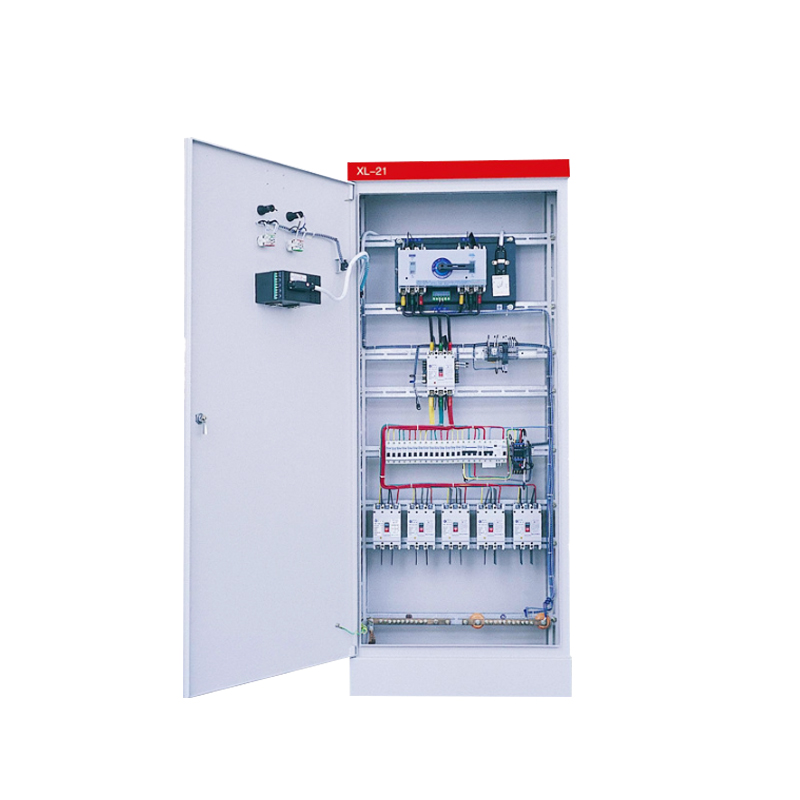
Open the door before you approve anything. The cable space, the busbar run and the device layout tell you a lot. They show whether the enclosure was sized around the contents or a price.
Look for cable space below the devices. A board with no room to bend a cable forces the fitter to pull it tight. That is how a seal starts to leak.
Then check who built the whole row. A single mcc assembly with one owner is easier to defend. One test record beats a row stitched together from three suppliers.

Three things to measure while the door is open
The door seal, the hinge and everything mounted on the door
A gasket is a consumable, not a permanent part. It hardens, takes a set and stops recovering. On a sun-facing door, plan to replace it every five to seven years.
Three-point latching keeps the door square against that gasket. A single central latch bows the middle of the door and opens a gap at the corners.
The hinge side matters on a tight wall. It decides how much clear space the operator needs. On a tight wall, it also decides whether an ats distribution board can be serviced at all.

Every indicator is a hole through the gasket line
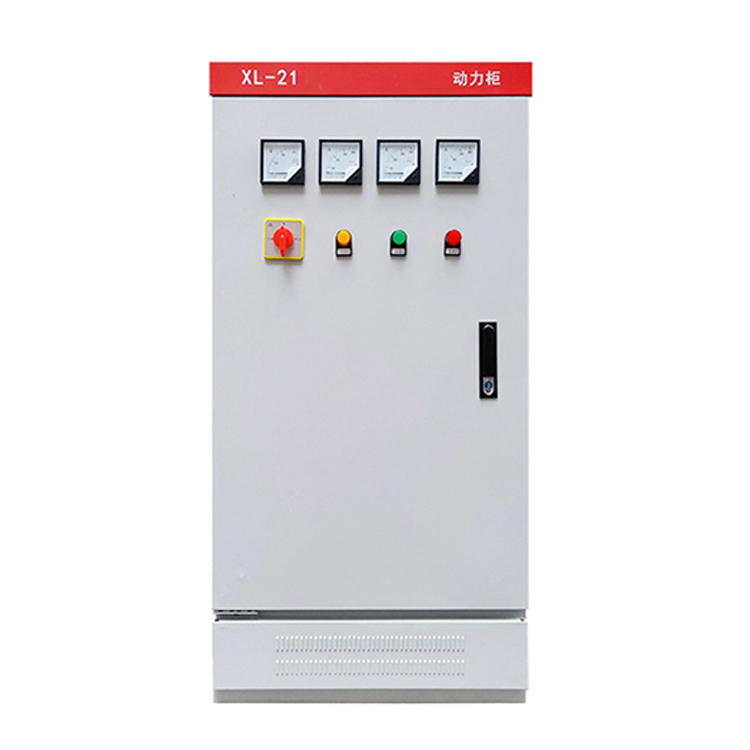
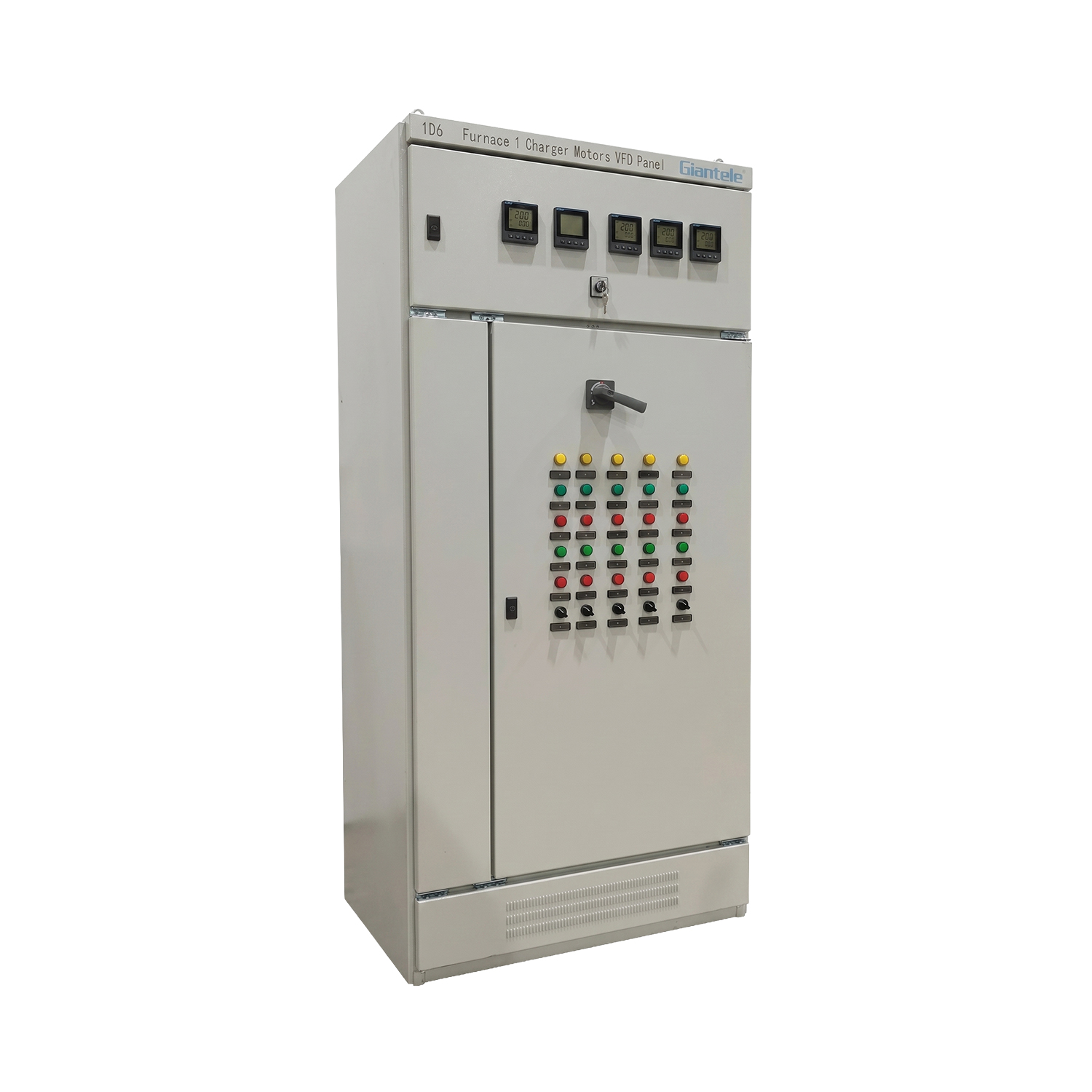
Each meter, lamp and controller mounted on a door interrupts the seal.
Each one needs its own rated gasket. Count them before you approve the door layout.
Ventilation against condensation: the trade-off you cannot avoid
An outdoor board either breathes or it is cooled. There is no third option, and both choices cost something.
A fully sealed shell traps the heat of its own devices. Internal temperature climbs 20 to 25 degrees above ambient, and every degree shortens the life of insulation and electronics. A vfd distribution board outdoors is the hardest case, because the drive adds most of the heat itself.
An open louvre solves the heat and opens a path for rain and dust. Filtered louvres with a water trap are the usual compromise on desert and monsoon sites.
Condensation is the part most buyers miss. A sealed enclosure cools overnight and draws moisture onto cold metal. The moisture stays there until it drips onto a live part.
Sun, salt and dust: reading the site into the specification
Two sites 200 kilometres apart can need different finishes. Salt air, dust and strong sun each attack a different part of the same assembly.
Coastal work needs a corrosivity class of C4 or C5, stainless fixings and sealed hinge pins. Salt reaches the pin and the latch long before it reaches the paint.
Desert work needs a light finish or a double roof. A dark shell in direct sun adds 15 to 20 degrees. The devices then add their own heat on top of that.
Fine dust is the third case. It bridges live parts and blocks filters, so the enclosure needs a filter you can change without opening the board. Teams comparing outdoor enclosures for electronics beside a pump or a drive face the same three conditions in miniature.
Buyers often arrive with a box class already in mind. You may search for a nema 4 outdoor enclosure or a nema 4x outdoor enclosure. The certificate that matters at handover states an IP number. On a CE project, that is the figure an inspector will read.
A nema box outdoor label is also silent on corrosion. The extra letter in the 4X class is a corrosion claim. Corrosion is what decides life on a coast.
Outdoor distribution is growing fastest in coastal and desert regions. The IEA reports the same pattern in its energy outlook work.
Where to buy an outdoor board, and what to ask for
Buy from the party that assembles the board, not from the one selling the shell. Only the assembler can quote a rating for the finished unit and stand behind it.
An outdoor weatherproof enclosure is only weatherproof as an assembly. A box rating is a starting point, not a promise. The interfaces are where the claim gets tested.
Send your site conditions with the load schedule. Name the coast distance, the dust season, the shade temperature and the way the board will face.
A dc panel cabinet on a solar field faces a different set. A floor board in a plant room faces another, and the finish changes with it.
Ask for the test record for your own serial number. A supplier working to ISO 9001 treats that record as routine, not as a favour.
Frequently asked questions
Do I need a nema 4x outdoor enclosure for a project in Europe or Africa?
Which single interface causes the most outdoor board failures?
How do I stop condensation in a sealed outdoor enclosure?
Can I add a waterproof metal box around an existing indoor board?
What coating should a coastal site use?
Does a double roof justify its cost?
Who owns the final rating of an outdoor distribution board?
Does an outdoor board need a different finish inside as well as outside?
Final thoughts
An outdoor board is five interfaces with one owner. Buy from the party that seals the cable entry and hangs the door. That party also sizes the ventilation and answers for the finished rating.
Send the site conditions and the load schedule. Giantele engineers will return a technical proposal for the assembly.
Buying a board for an exposed site?
Send the site conditions and your load schedule. Giantele engineers return a marked layout and a technical proposal covering the enclosure, the interfaces and the handover evidence.