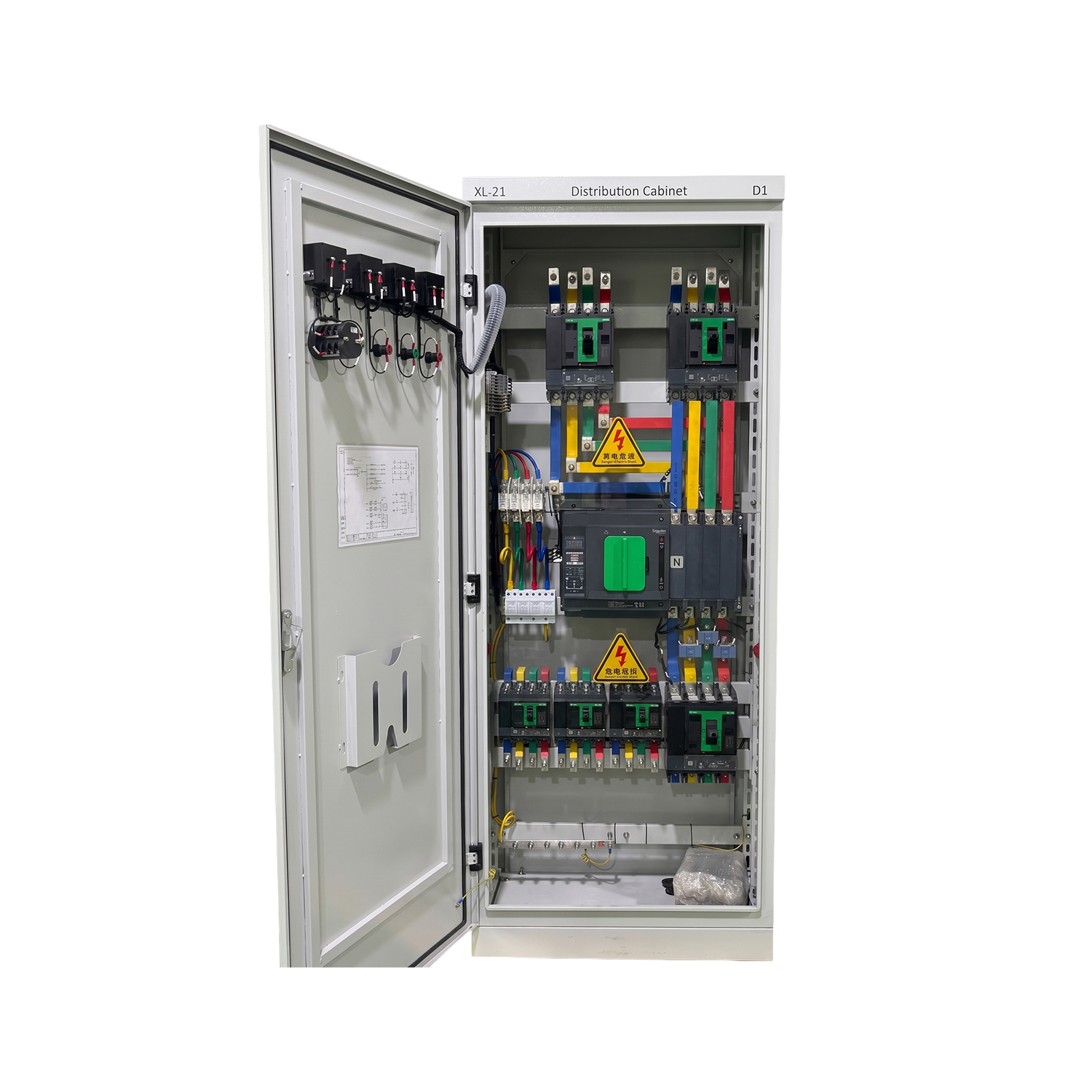

A transfer switch for backup generator duty is bought for the day the grid fails. Nobody reads the warranty until that switch refuses to move. An electrical transfer box carries two very different cover stories, and the device type decides which one you get.
Key Takeaways
- Cover follows the device type. A manual switch and an automatic panel are not written into the same warranty sheet.
- Mechanical parts claim cleanly. Handles, contacts and interlocks fail in ways both sides can see.
- Controllers attract the arguments. A failed transfer can be blamed on the site, the generator or the settings.
- Site conditions sit outside most cover. Corrosion, moisture and dust are usually named exclusions.
- Ask what voids the cover. The exclusion list decides a claim long before the cover list does.
Why the warranty on a transfer switch follows its type
The cover you get depends on what moves. A switch with a handle is a mechanical device, and its failures are easy to see. A panel with a controller is an electronic product in a metal shell, and its failures get argued about. Read the type before the warranty length.
Suppliers quote a dual power automatic transfer switch with one price and one warranty sheet. That sheet rarely separates the mechanical parts from the electronics. Ask for the split, because the two fail for different reasons.
What a manual transfer switch warranty actually covers
A manual device is the simplest case. The operator throws the handle, and the contacts carry the load. There is no controller to blame, so the claim is usually clean.
A 220 volt manual transfer switch covers the frame, the contacts and the handle. A small backup supply adds nothing to that list. Those parts fail visibly. A burnt contact or a stiff handle is hard for any supplier to dispute.
Wear is the usual argument here. The contacts are rated for a number of operations, and the cover follows that number. Running the switch past its rating is the first thing a supplier will check.
An electrical transfer box in a plant room sits beside the rest of the switchgear. The mechanical device rarely travels alone.

A mechanical switch still sits inside somebody else's assembly
A hand-operated switch is often fitted into a row built by another party.
When the assembly fails, the argument moves to the cable and the enclosure. Ask who signs the routine test record for the whole row.
Generator side switching: where the cover stops
A transfer switch for backup generator duty sits between two sources. That position is why the cover is narrower than most buyers expect.
Most claims on a gen transfer switch start with a voltage reading. The controller sees a supply it does not like and refuses to transfer. The supplier then asks whether the generator or the switch is at fault.
On a small site the same job is done by a gen switch with a mechanical interlock. There is nothing to misread and almost nothing to argue about.
Either way the boundary is the same. Cover usually reaches the switch itself. It rarely reaches the generator, the cabling or the settings of the protection upstream.
Standby generation keeps growing across Africa and South Asia. The IEA tracks that shift in its annual outlook work. More standby plant means more switches standing between two supplies.
The types of transfer switches for generators, and the cover each one carries
The types of transfer switches for generators run from a hand lever to a full automatic panel. Each one carries a different cover, so the differences are worth setting out side by side.
A small auto transfer switch covers the mechanism and the controller as one unit. A larger panel splits them into two claims, and that split is where you should look first.
| Device type | Cover usually reaches | Usually excluded |
|---|---|---|
| Manual switch with a handle | The frame, the contacts and the operating handle | Operation beyond the rated number of cycles, and damage from forced operation |
| Generator-fed switch | The switch body and its mechanical interlock | The generator, the cabling, and the settings of the protection upstream |
| Outdoor switch | The enclosure, at the IP number written into the order | Corrosion, condensation and dust damage over time |
| Automatic panel | The mechanism, and the controller when it is listed separately | Controller damage from an external supply, and parameters changed on site |
Outdoor transfer switch for generator: when the site voids the cover
An outdoor transfer switch for generator duty adds one more party to the argument, and that party is the weather. Most warranty sheets name the environment as an exclusion, and they have reason to.
Corrosion, condensation and dust arrive slowly. By the time a contact sticks, the cause is a year of salt air rather than one event. A supplier can usually prove that, and the claim fails.
Automatic transfer switches: the controller is where claims cluster
An automatic panel is a mechanical switch with a controller bolted on top. The mechanical half keeps its record clean. The controller half carries almost every dispute.
A failed transfer is rarely checked by watching the mechanism move. Someone reads the controller log instead, and that log decides who pays.
Ask how the ats transfer switch panel records a failed transfer. A controller that stores the reason settles more claims than a longer warranty period ever will.

Three details that decide a controller claim
How the switch gear around the panel changes your cover
Electrical switch gear upstream of the panel belongs to the same chain of equipment, but rarely to the same warranty. Each assembly is normally warranted on its own.
The words buyers search with make this harder. Electrical switch gear, low voltage switch gear and switch gears return three different catalogues for one physical job. The cover is written per assembly, so the divide follows the enclosure line rather than the product name.
One low voltage switchgear assembly built to IEC 61439 arrives with its own routine test record. Ask whether the device and the assembly sit under one cover or two.
What to write into the purchase order
Put the cover into the order, not into a conversation. A warranty agreed after delivery is a favour. The same words inside the order are a duty.
Name the device type, the site conditions and the evidence you expect at handover. A low voltage power distribution board feeding the switch sits in the same chain, so its cover matters too.
Ask for the routine test record and the settings sheet with the delivery. A supplier working to ISO 9001 treats that paperwork as routine work.

Photograph the door before the panel leaves the works
Every lamp, meter and controller on the door is a fitting that can be blamed later.
A dated photo set shows the panel as built. It ends any argument about what was added on site.
Frequently asked questions
Does a longer warranty mean better cover?
Is a claim easier on a manual switch than on an automatic panel?
Who pays when a controller fails after a generator event?
Does an outdoor installation void the whole cover?
Should the switch and the assembly be under one warranty?
What evidence should I keep from handover?
Do I need separate cover for the switch gear upstream?
How long should cover run on a standby switch?
Final thoughts
Cover follows the device rather than the price list. A mechanical switch claims cleanly. A controller claims on records. An outdoor pad claims on site conditions, and it usually loses that argument.
Send your device list and your site conditions. Giantele engineers will return a technical proposal for the assembly.
Buying a transfer switch for a standby supply?
Send the device list, the site conditions and your load schedule. Giantele engineers return a marked layout and a technical proposal covering the switch, the enclosure and the handover evidence.