Key Takeaways
- A panel bolted to a wall cannot be repossessed, so a lender secures the contract instead.
- Custom work is cheap to build and impossible to resell, and the terms say so.
- The weakest part of the assembly sets the longest term you will be offered.
- Progress payments are the cheapest credit on the table, and they are not free.
- Ask for the finance annexe before you look at the discount list.
Buying industrial electrical distribution equipment rarely fails on price. It fails on cash timing. The boards are built in eight to sixteen weeks and installed in two. They are paid for on a schedule nobody wrote down at the start.
The lender reads the contract, not the cabinet
Once a board is bolted to a wall and laced into the building wiring, nobody can take it back. That single fact shapes every offer you will receive.
So the security is not the equipment. It is the contract behind it: a specification, a payment schedule and a certificate that names the assembly.
An industrial switchgear installation package is normally paid against milestones, not against deliveries. The milestone wording is what a bank reads first, and it is usually the weakest paragraph in the file.
Title matters while the goods are still crated. An electrical housing with a serial number on the crate can change hands. The same housing fixed to a wall cannot.
That is why a lessor asks for the packing list before the drawing. Industrial electrical switchgear is identifiable in a crate and anonymous inside a building.
None of this is a reason to avoid the purchase. It is a reason to settle the payment schedule in the same meeting as the single line diagram.
The types of electrical switchgear a lessor will accept
Two boards can cost the same and finance differently. The difference is whether the design repeats.
A standard lineup with a catalogue number and a published type test has a resale market. A one-off built to fill a room does not, and the rate reflects it.
 Copper busbar
Only the copper has a second buyer
Steel, paint and labour are worth nothing once the board is built. The busbar and the cable are the only parts a scrapyard will price.
That gap is why the term stays short. A lender is not valuing the assembly, only what survives it.
A type tested design carries a paper identity. An arc-resistant motor control center is a clean example. The design is fixed and the test is published, so a lessor can price it without a site visit.
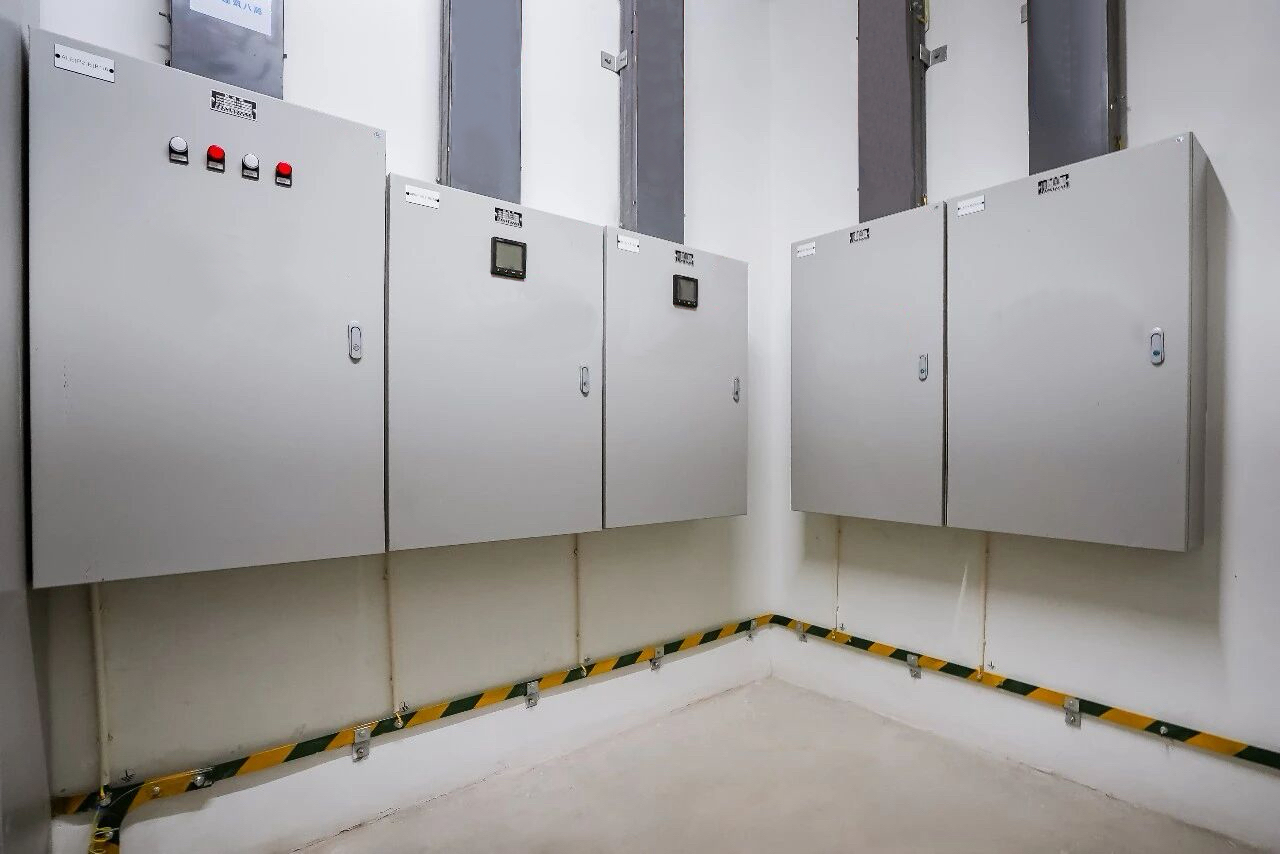
Most of a real order is the opposite case. Custom industrial enclosures are made to fit a wall, a doorway or a cable route. That fit is what destroys the resale.
So the types of electrical switchgear on your list split in two. Repeatable assemblies finance like vehicles, and bespoke ones finance like building work.
Where the rating decides the interest rate
A finance term cannot outlive the equipment. If the enclosure fails in year four, a seven year lease has three years of nothing behind it.
So the specification sets the term, and the weakest line in it sets the term first. That line is usually the enclosure, not the breaker.
A nema 12 electrical enclosure is an indoor box. It keeps dust and dripping liquid out, and it carries no weather duty at all. Its IP equivalent is usually quoted between IP52 and IP54, and it is the cheapest shell on the list.
Step up to an outdoor electrical enclosure box and the price moves once. Gaskets, a sunshield, a drain and a finish that survives salt air are the added lines. Every one of them buys a year of life.
That is what a metal outdoor enclosure is actually bought for. Not the paint, the extra decade.
Years are what a term is made of. A five year lease on an indoor box in a washdown bay is a bet against the site.
The room matters as much as the box. A switchgear electrical room with no air movement runs far hotter than a datasheet assumes. Heat is the other thing that shortens a term.
The same logic runs down to small items. An electrical outlet enclosure costs less than the paperwork needed to finance it. It belongs in the maintenance budget, not the asset register.
An exterior electrical enclosure specified as an indoor one is the most common mismatch I see. It is also the first thing an inspector photographs.
What a lessor asks for before it signs
Five documents decide the answer, and all five exist before the panel is built. A supplier who cannot issue them at order will not issue them at delivery.
The list is short. A serial numbered schedule, the routine test record, the declaration of conformity, the shipping documents and the completion certificate.
Only the last one is written after the fact. The other four are the reason a factory can be assessed in a week. A trading house cannot be assessed at all.

Three documents that release a payment
Ask for the test record against IEC 61439, and ask which routine tests were performed on that unit. A generic certificate proves a design, not a delivery.
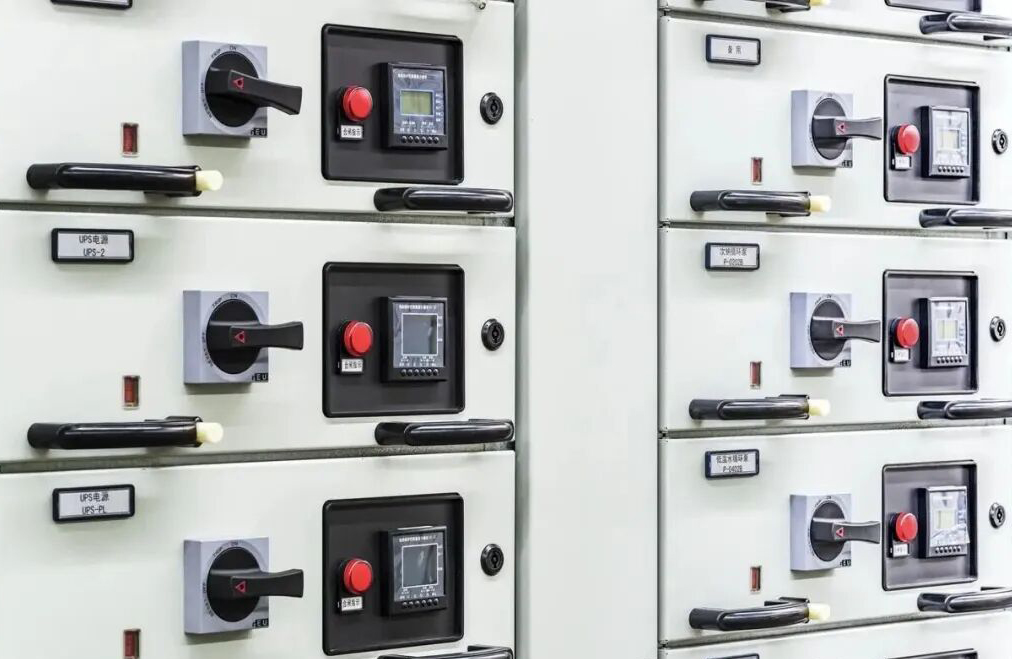
The wiring markers in the photo matter for the same reason. A board that is labelled to the drawing can be inspected in an afternoon. One that is not takes a week and a second visit.
Progress payments are the cheapest credit on offer
The cheapest money in a panel contract is the supplier's own. Thirty percent at order, sixty at ready for dispatch, ten after commissioning is the pattern across most CE markets.
That structure costs nothing on paper, and it is not free. The supplier carries the gap between the second and third payment, and prices the carry.
Push the split to twenty, seventy, ten and the price moves. Push it to zero, fifty, fifty and half the bidders stop answering.
 Circuit schedule
The door card is not the payment schedule
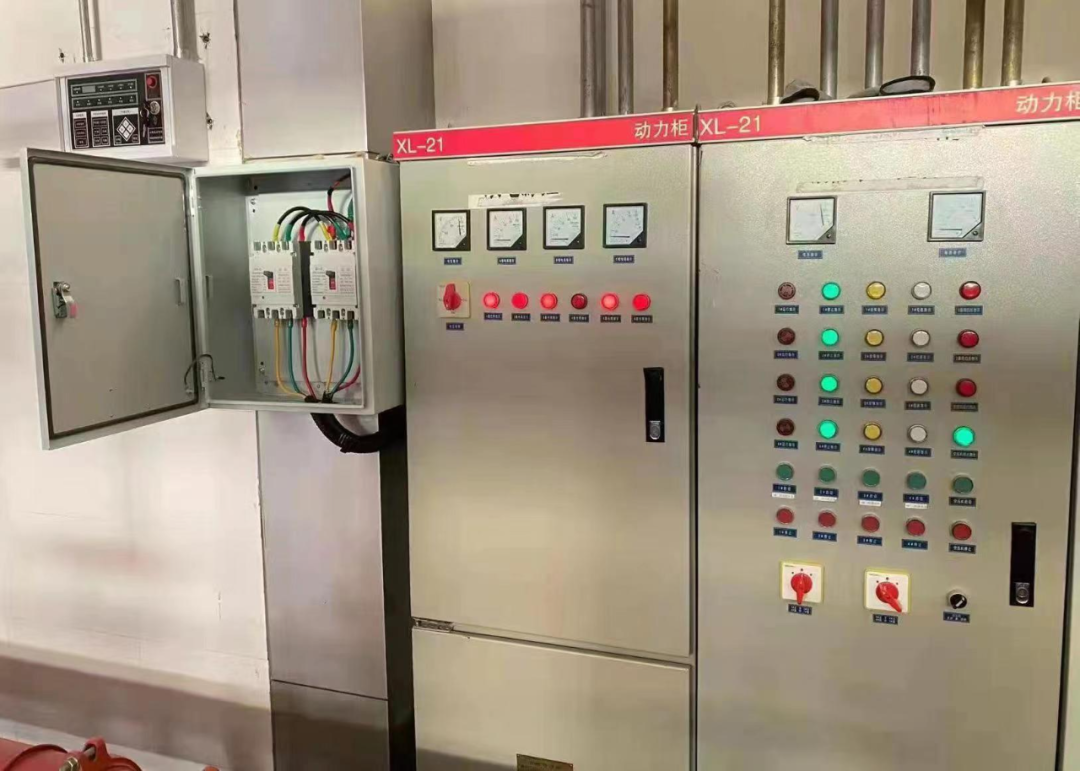
The sheet taped inside the door lists ways and ratings. The sheet in the contract lists milestones and percentages.
Keep them apart. A board can be complete on paper and unpaid on site, and only one of the two interests a bank.
Retention is where the argument starts. Ten percent held until commissioning is normal, and it is the only part of the price that protects you.
A switchboard installation that finishes on the agreed date returns that ten percent on time. One that slips keeps your money on the supplier's balance sheet.
So the commissioning date is a finance term, not a site detail. Write it as a date, not as a phase.
Five structures and who holds the title
Each structure puts the ownership somewhere different. Settle that question first, because the rate, the deposit and the exit all follow from it.
| Structure | Who holds title | What it really costs | When it fits |
|---|---|---|---|
| Progress payments | Buyer, from the first invoice | Nothing on paper, carried in the price | Cash is available and price matters most |
| Open account, 60 days | Buyer | One to three percent, hidden in the price | Repeat orders with a supplier you know |
| Bank term loan | Buyer, with a charge over the asset | Policy rate plus a disclosed margin | The board is a fixture on land you own |
| Finance lease | Lessor until the last payment | A fixed margin above the bank rate | Cash has to stay in the plant, not the wall |
| Murabaha or ijara | Financier first, buyer at the end | A mark-up fixed at signing | Gulf and Muslim majority markets |
Two rules survive all five. The term should not exceed the life of the cheapest part. The deposit should not exceed what the goods are worth in a crate.
The clearest case is data center power distribution. Identical units, identical serials and a known second-hand price make the file easy to write.
Currency is a finance term nobody prices
Equipment is quoted in euros or dollars and paid in local currency. The gap between those two is a cost line that rarely appears in the comparison sheet.
Currencies in these markets have moved by double digits inside one contract period. That is more than the interest on the money over the same stretch.
A Copper Belt mine that lifts its power factor from 0.75 to 0.95 buys a saving. It shows on the next bill, in kwacha, while the loan behind it is in euros.
Three ways to handle it. Borrow in the currency you are quoted in. Buy a forward at order, or carry the risk and price it in.
A forward costs a few percent and removes the argument. Carrying the risk costs nothing until it costs the whole margin.
Cover is priced off the interest gap between the two currencies. Where local rates run far above the euro rate, the forward looks expensive and the risk behind it is real.
So ask which currency the payment schedule is written in before you compare two rates. Two offers at eight percent are not the same offer.
Load growth makes this worse rather than better. The IEA tracks industrial electricity demand, and every new line adds imported equipment to the same exposure.
Ask for the finance annexe, not a discount
A discount is worth one number. An annexe is worth the whole term. Most suppliers will produce the second if you ask before the order, and none will after it.
The annexe has four lines. What is financed, over how long, in which currency, and what happens if the site is late.
Two public sources change the answer more than any negotiation. Export credit cover in the supplier's country can lengthen a term, and a development bank line can cut the rate.
Both take months and both need a project that qualifies. Ask early, because neither can be bolted on after the panels ship.
Islamic structures belong on the same list, not a separate one. A murabaha is a cost plus sale. An ijara is a lease, and both are priced against the same asset.
None of it works without a paper trail. A works that runs under ISO 9001 can hand over the records a financier wants. One that does not will improvise them.
Most industrial electrical distribution equipment is bought once every fifteen years. The people who approve the finance will not be there when the last payment leaves.
So write the answer down. If the plant stops paying in year two, who collects the boards? Say it out loud in the meeting where the rate is agreed.
Frequently asked questions
Can a switchboard be financed the same way as a machine?
No, because it cannot be moved. A machine can be repossessed and resold, and a board that is bolted to a wall cannot. Lenders treat it as a fixture and secure the contract instead of the asset. Expect a shorter term and a lower advance against the invoice.
What deposit should we expect on electrical distribution equipment?
Between ten and thirty percent, and the number tracks how standard the design is. A repeatable lineup attracts the lower figure. A one-off assembly built to a room attracts the higher figure. The financier knows there is no second buyer for it.
Is a lease cheaper than a bank loan for a panel?
Usually not on the rate, and often on the cash. A lease keeps the deposit and the balance off your books for the term. A loan is cheaper if you have the deposit and the asset will still be working at the end. Compare the total, not the monthly figure.
Will a supplier offer terms without a bank?
On repeat business, yes. Sixty days open account is common once two orders have been paid on time. On a first order the supplier is lending to a stranger, and the price carries that. Ask for terms after the second delivery, not before the first.
What documents does a lessor need before approval?
The contract, the serial numbered schedule, the routine test record, the declaration of conformity and the completion certificate. Add the shipping documents and the currency of the payment schedule. A file with the first four can be approved in a week.
Can the EPC contractor finance the package and bill us later?
Yes, and it is the most common structure on new plants. The contractor carries the equipment and adds a margin to the interim payment certificate. Check the margin against a lease before you agree, because it is rarely quoted as a rate.
What happens to the finance if installation is delayed?
The term starts anyway in most agreements. Payments are usually tied to delivery, not to energisation. A delayed site then means a board that is paid for and not yet earning. Ask for the first payment date to be tied to commissioning, and expect to pay for that.
Final thoughts
The finance question is decided before the panels are built, by three documents and one date. Send the schedule, the test record and the completion date with the enquiry. The rate follows the paperwork.
Send the board list with the dates
Tell us the board list, the delivery dates and the currency you will pay in. We will answer with the documents we can issue and the milestones we can hold.
Contact Giantele