Electrical contractors, panel builders, and facility operators who buy power distribution cabinets in quantity expect volume pricing. A single cabinet is a retail purchase. Fifty cabinets is a procurement negotiation. Understanding how volume discounts work, which suppliers offer them, and how to negotiate the best terms turns a large equipment purchase into a strategic cost saving. This guide explains the volume pricing landscape for power distribution cabinets and how to buy them efficiently.
Key Takeaways
- Volume discounts follow price tiers, not arbitrary negotiation: Most suppliers publish tiered pricing where the per-unit cost drops at quantity thresholds. Understanding the tiers before negotiating tells you whether a quote is genuinely competitive or padded for negotiation room.
- Standardisation is the key to volume pricing: A power distribution cabinet ordered in fifty identical configurations costs less per unit than fifty cabinets with fifty variations. Standardising the enclosure, the busbar, and the component layout unlocks the deepest discounts.
- Enclosure rating drives cost as much as quantity: A NEMA 4 cabinet with weatherproof sealing costs more than a NEMA 12 cabinet for indoor dust protection. Buying the correct rating for each application avoids over-specification that erases the volume discount.
- The total cost includes freight, duty, and lead time: A low per-unit price from an overseas supplier can be erased by shipping, import duty, and a twelve-week lead time. Electrical switchgear suppliers with local stock or reliable logistics often deliver a lower total cost despite a higher unit price.
How volume discounts work for power distribution cabinets

Quantity tiers reduce the per-unit cost
Power distribution cabinet suppliers structure pricing in tiers. A single unit carries the full engineering and setup cost. Ten units amortise the setup across the batch. Fifty units justify dedicated production runs, bulk material purchasing, and optimised assembly. The per-unit price drops at each threshold, typically 5-15% per tier.
The largest savings come from standardisation. When a power solutions company builds fifty identical cabinets, the engineering is done once, the materials are bought in bulk, and the assembly becomes a repeatable process. When the fifty cabinets each have different layouts, components, and ratings, the supplier treats them as fifty single-unit orders and the volume discount largely disappears.
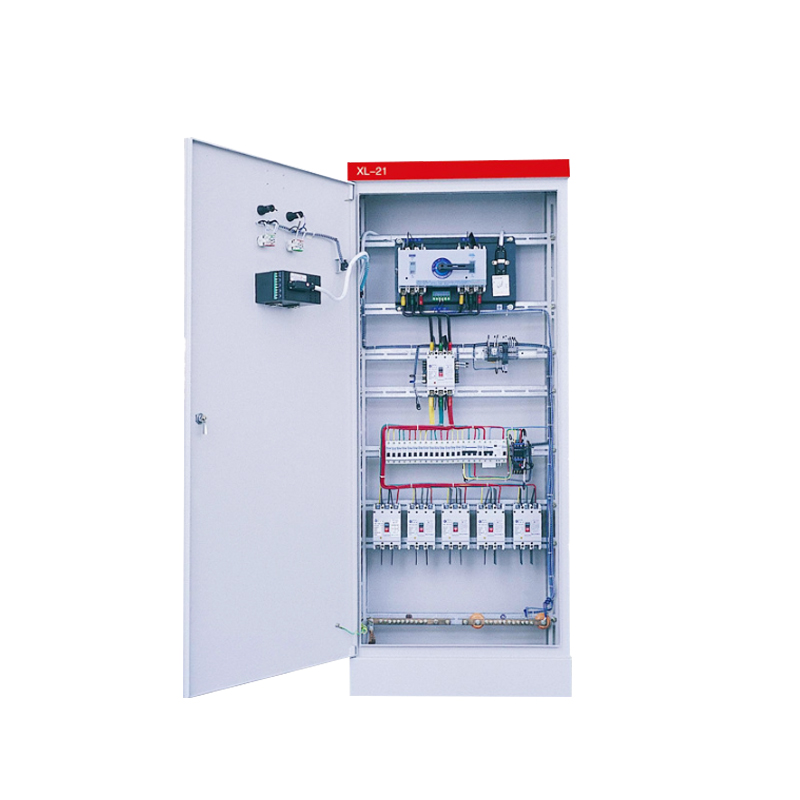
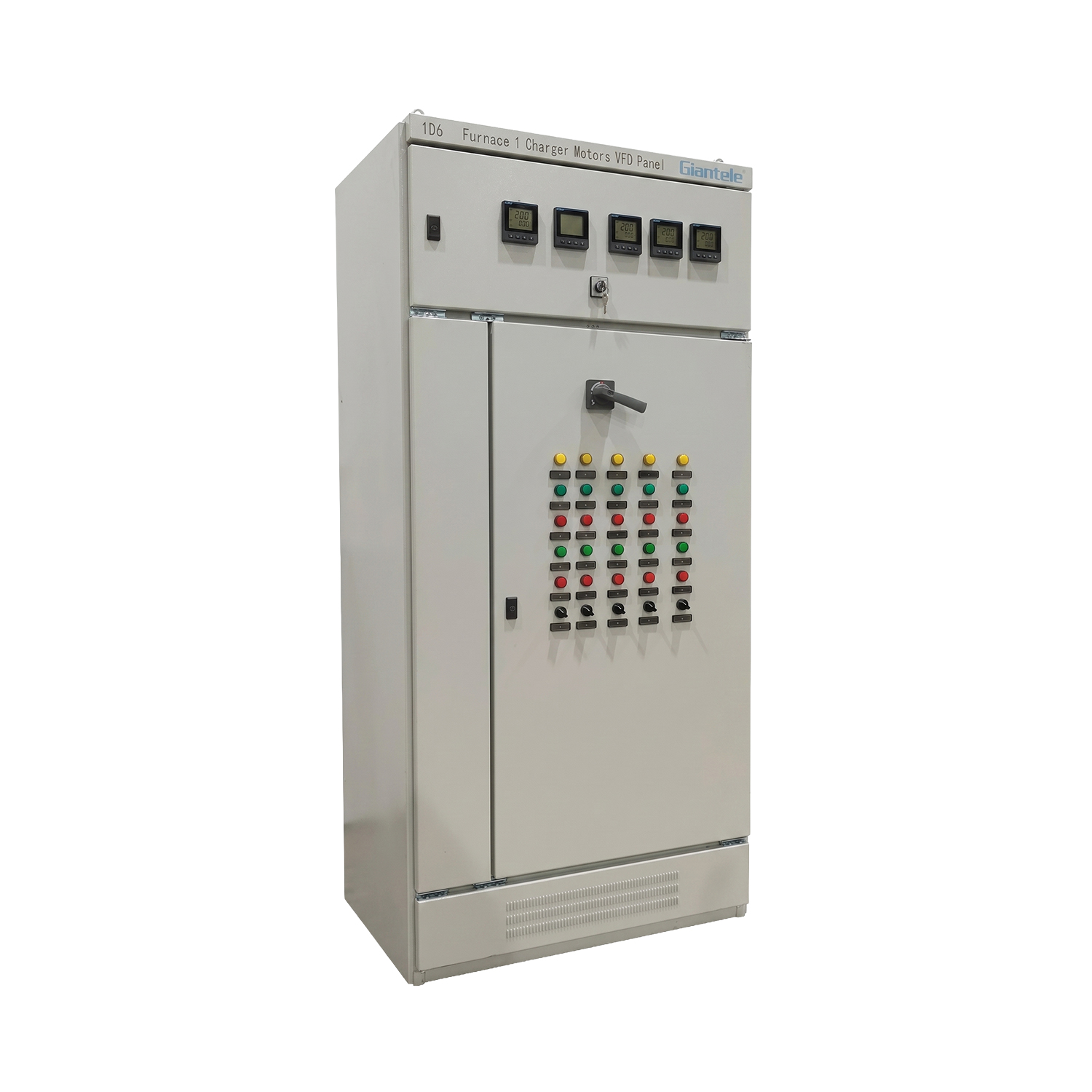
An electric box cabinet for indoor use and an outdoor weatherproof enclosure cabinet box for exterior installation are different products with different costs. Buying them together in volume still saves, but the savings are less than ordering fifty identical indoor cabinets. The power distribution board configuration — the number of circuits, the busbar rating, and the breaker selection — determines how standardisable the order is.
Enclosure ratings for volume cabinet orders
| Rating | Protection | Environment | Cost Impact |
|---|---|---|---|
| NEMA 1 | Basic dust protection, no water resistance | Clean indoor electrical rooms | Baseline (1x) |
| NEMA 12 | Dust-tight, dripping water resistance | Indoor industrial environments with dust and occasional water drips | 1.2-1.5x baseline |
| NEMA 4 | Watertight, hose-directed water and windblown dust protection | Outdoor installations, washdown areas, wet environments | 1.5-2x baseline |
| NEMA 4X | NEMA 4 plus corrosion resistance | Coastal, chemical, and corrosive outdoor environments | 2-3x baseline |
A NEMA 4 cabinet for outdoor installation or a waterproof power enclosure for a wet environment costs more than a NEMA 12 cabinet for indoor dust protection. The rating is determined by the installation environment, not the budget. Buying a NEMA 4 cabinet where a NEMA 12 would suffice wastes the volume discount on over-specification. Electrical switchgear suppliers who understand this help buyers specify the correct rating for each application rather than defaulting to the highest rating.
Evaluating volume discount suppliers
How to compare volume pricing across suppliers
Comparing volume quotes requires a standardised specification. Send the same cabinet configuration, the same quantity tiers, and the same delivery terms to every supplier. A quote for a NEMA 4 cabinet from one supplier cannot be compared to a NEMA 12 quote from another. The specification must match exactly, or the comparison is meaningless.
Then look at the total cost. The unit price is one component. Freight, import duty, lead time, and payment terms complete the picture. A supplier with a higher unit price but shorter lead time and local stock may deliver a lower total cost when project schedule and inventory carrying cost are included.

Switchgear in power plant applications requires higher ratings and more engineering than a simple electric box cabinet for a commercial facility. A generator power transfer switch for backup power adds another layer of specification. The ATS control panel that transfers between utility and generator is a separate specification from the distribution cabinet itself. An APFC panel for power factor correction adds still another.
Negotiating volume discounts effectively

Four levers that improve your volume price
The low voltage switchgear that feeds a bank of distribution cabinets is often purchased in the same volume negotiation. The medium voltage switchgear upstream may be a single large purchase. The ISO 9001 framework requires consistent manufacturing quality regardless of quantity, and the IEA has documented that standardised electrical equipment procurement reduces lifecycle cost. The IEC 61439 standard provides the verification framework for the assembly.
Frequently asked questions
How do volume discounts work for power distribution cabinets?
How much can I save by standardising the cabinet specification?
What is the difference between NEMA 4 and NEMA 12 cabinets?
Should I buy from an overseas supplier to get the lowest price?
What payment terms should I expect on a volume order?
How do I verify that a volume supplier can deliver consistent quality?
Final thoughts
Power distribution cabinet suppliers offering volume discounts reward buyers who standardise and negotiate with data. The per-unit savings come from quantity tiers, but the largest savings come from standardising the specification so the supplier can build fifty identical units efficiently. Compare the total landed cost, specify the correct enclosure rating for each application, and request tiered pricing before you commit. A well-negotiated volume order turns a large capital expense into a measurable cost saving that benefits the project for years.
Discuss Your Volume Cabinet Requirements
Send us your standardised cabinet specification and quantity requirements. Our team provides tiered pricing and a delivery schedule for your project.